
Watching your little one grow is amazing! They start walking and talking more. Their new skills make them explore the world with excitement.
But, these changes can affect their sleep. A toddler sleep routine is key. It helps your child feel better and learn new things.
Creating a good daily sleep guide is important. It helps your growing toddler sleep well. This can make your family happier and more peaceful.
This guide will help you understand your toddler’s sleep needs. You’ll learn how to build a great sleep routine. It will also help you deal with common sleep challenges.
Key Takeaways
- Most 17-month-olds need 11-14 total hours of rest daily, including naps
- Consistent routines help toddlers feel secure and improve sleep quality
- This age often marks a transition period between two naps and one longer nap
- Physical activity during the day promotes better nighttime rest
- Setting clear boundaries around bedtime helps manage increasing independence
- Environmental factors like room temperature and lighting significantly impact sleep quality
Understanding Your 17-Month-Old’s Sleep Needs
Knowing how much sleep your 17-month-old needs is key for their growth. As they grow from baby to toddler, their sleep changes a lot. Understanding these changes helps you make a sleep schedule that supports their growth and keeps them from getting too tired.
Typical Sleep Requirements at This Age
Most 17-month-olds need 13-14 hours of sleep in a day. They sleep 10-12 hours at night and 2-3 hours during the day. But remember, every child is different.
Your child might need more or less sleep than others. Look for signs like their mood, energy, and how well they do during the day. A well-rested toddler is happy, calm, and loves to explore.
How Sleep Patterns Have Evolved
Your 17-month-old’s sleep has changed a lot from when they were a newborn. Toddlers sleep in longer cycles, like adults, not short ones like babies. This is why they sleep for longer without waking up.
Another big change is their daytime sleep gets longer. They now have one long nap instead of many short ones. This helps them stay active and their brain grows.
| Sleep Aspect | Infant (0-6 months) | Toddler (17 months) | Impact on Development |
|---|---|---|---|
| Total Sleep Needed | 14-17 hours | 13-14 hours | Slightly reduced but essential |
| Sleep Cycle Length | 45-50 minutes | 90 minutes | More consolidated, deeper sleep |
| Daytime Naps | 3-5 naps | 1 nap | Supports longer wake windows |
| Night Wakings | Multiple | Few or none | Improved cognitive processing |
The Role of Sleep in Toddler Development
Sleep is very important for your 17-month-old’s growth. It helps with physical growth and learning new things. This is key as they learn to walk, climb, and talk.
Good sleep also helps with feelings. A well-rested toddler is more patient and can handle things better. They are also more emotionally strong.
Studies show that good sleep helps toddlers focus, learn words, and get along with others. By making sure your 17-month-old gets enough sleep, you’re helping them grow strong and healthy.
The Ideal 17 Month Old Sleep Schedule
Finding the right sleep rhythm for your 17-month-old is key. They love routine, which helps them sleep well. A good schedule supports their growth and learning.
Morning Wake-Up Routine (6-7 AM)
Wake up at the same time every day. Most 17-month-olds wake up between 6:00 and 7:00 AM. This helps them feel ready for the day.
When they wake up, open the curtains for sunlight. Sunlight helps their body clock. Start the day with a diaper change, breakfast, and play.
Keep morning activities calm but fun. Too much excitement can make it hard to nap later. Mix play and quiet time in the morning.
Daytime Nap Structure (12-2 PM)
Most 17-month-olds take one nap a day. This nap is usually from 12-2 PM and lasts two hours.
The nap should be 5 hours after waking up. For example, if they wake at 6:30 AM, nap at 11:30 AM. This helps them sleep better.
Have a special pre-nap routine. This can be reading a book or using a sleep sack. It helps them know it’s nap time.
Evening Bedtime Window (7-8 PM)
Bedtime is best between 7:00 and 8:00 PM. This lets them sleep but not be too tired.
Start the bedtime routine 30-45 minutes before sleep. This can include a bath, pajamas, and stories. It helps them wind down.
Stick to the bedtime routine. It tells their brain it’s time to sleep. Keep it quiet and dark during this time.
Sample Daily Schedule
Here’s a daily schedule for a 17-month-old:
- 6:00-7:00 AM: Wake up, diaper change, exposure to natural light
- 7:15 AM: Breakfast
- 8:00-10:00 AM: Play time, outdoor activity if possible
- 10:00 AM: Morning snack
- 10:30 AM: Quiet play, books, or errands
- 11:30 AM: Lunch
- 12:00 PM: Pre-nap routine
- 12:15-2:15 PM: Nap time (adjust based on your child’s needs)
- 2:30 PM: Afternoon snack
- 3:00-5:00 PM: Play time, outdoor activity
- 5:30 PM: Dinner
- 6:00 PM: Begin bedtime routine (bath, pajamas, teeth brushing)
- 6:30 PM: Quiet time, stories, final feeding if needed
- 7:00 PM: Lights out, in crib for sleep
This schedule is a guide. Adjust it to fit your family’s life and your child’s needs. Some might need earlier or later bedtimes.
If your child is adjusting to one nap, they might need a short morning nap. Adjust their nap and bedtime to keep them happy and rested.
Being consistent but flexible is key for a good sleep schedule. Watch for sleep cues and adjust as needed.
Signs Your Toddler Is Ready for a Schedule Adjustment
Toddlers can’t tell us when they need a sleep schedule change. But, their actions show us when it’s time. At 17 months, their sleep habits change fast. Knowing when to adjust helps avoid tiredness and sleep issues.
Behavioral Indicators of Sleep Readiness
Your toddler’s body language and actions tell you about their sleep needs. Look out for these key sleep readiness signs to know when to change their schedule:
- Taking more than 20 minutes to fall asleep at nap time or bedtime
- Showing decreased interest in previously consistent naps
- Becoming unusually energetic or “wired” near sleep times
- Waking up happy and alert earlier than usual
- Demonstrating new physical or cognitive skills (often coincides with sleep changes)
These signs usually show up during big changes or when they’re getting ready to drop a nap.
Resistance to Current Sleep Times
If your toddler suddenly doesn’t want to nap, it’s a sign they need a schedule change. Try to keep naps for about 60 minutes. After that, it’s okay to stop nap time and adjust their day.
This resistance means they might be too tired or too awake. If you skip a nap, give them an earlier bedtime to avoid sleep debt.
Changes in Sleep Quality and Duration
Big changes in how your toddler sleeps mean it’s time to adjust their schedule. Watch for these sleep quality indicators:
- Shorter naps than their usual pattern
- More frequent night wakings after a period of sleeping through
- Consistently waking earlier in the morning
- Taking longer to return to sleep after nighttime wakings
These signs show their sleep needs are changing. If a new pattern lasts for days, it’s time to look at their schedule again.
Remember, sleep resistance doesn’t always mean they need less sleep. It might mean they need sleep spread out differently to fit their growth.
Transitioning from Two Naps to One
At 17 months, many parents face the tough task of nap transition. Their toddler is ready to sleep less during the day. This change is a big step in their growth and needs careful planning to keep their sleep healthy.
When Most Toddlers Make the Switch
Most kids switch to one nap schedule between 13-18 months. 17 months is on the later side. If your toddler is taking two naps, look for signs they might need just one.
They might be ready if their naps are short, they don’t want to nap, or it takes a long time to fall asleep. Other signs include waking up at night or waking up too early in the morning.
Gradual Transition Techniques
Changing sleep schedules too fast can make your child tired and cranky. Instead, make the change slowly. Start by moving the morning nap 15-30 minutes later every few days.
Keep moving it until the morning and afternoon naps merge into one. Some families try one-nap days and two-nap days to help their child adjust.
Be patient and flexible during this time. Some days will be easier than others. If your child is very tired, you might need to go back to two naps for a bit.
Adjusting the Daily Routine Around One Nap
Once you have a 17 month nap schedule with one nap, you’ll need to change your daily routine. Wake windows will be about 5 hours before the nap and 5-5.5 hours after the nap before bedtime.
This new schedule needs careful planning for meals, play, and quiet time. Have lunch before the nap and plan fun activities in the morning. This helps your toddler sleep well in the afternoon.
At first, your child’s naps might be shorter. To avoid tiredness, have an earlier bedtime. As they get used to the new schedule, their naps will get longer.
Creating an Effective Bedtime Routine
Having a bedtime routine helps your 17-month-old get ready for sleep. Toddlers like knowing what to expect. A good bedtime routine tells them it’s time to sleep.
Components of a Calming Pre-Sleep Ritual
A good toddler bedtime routine has a few key parts. It should last 30-45 minutes in a quiet room. This helps your child get sleepy.
- A warm bath to relax muscles and signal bedtime
- Changing into comfy pajamas
- Brushing teeth (even a quick swipe)
- Reading 1-2 short, calming books
- Singing quiet lullabies or telling a gentle story
- Final cuddles and kisses before bed
Consistency and Timing Strategies
Being consistent is key for a sleep ritual. Toddlers need these patterns to know when it’s time to sleep. Start your routine at the same time every night.
Try to have both parents help with bedtime. This helps your child not get too attached to one person. If your child tries to leave during storytime, stay calm and keep going.
Avoiding Common Bedtime Pitfalls
Even the best bedtime strategies can go wrong. Knowing these common mistakes helps keep bedtime consistent:
- Screen time too close to bedtime, which can mess with sleep
- Stimulating play right before bed
- New or exciting activities before bed
- Being too strict or too lenient when your child tests limits
- Turning bedtime into a fight or game
If your toddler messes with things, like emptying drawers, stay calm. They might be looking for attention. A big reaction can make things worse. Just calmly tell them it’s time for bed.
The bedtime routine you start now will help your child sleep well for years. A thoughtful routine means better sleep for everyone.
Common Sleep Challenges at 17 Months

At 17 months, many toddlers start to have sleep problems. They might wake up and call for their parents. This is normal because they are growing and changing fast.
Things like needing help to fall asleep, needing a new sleep schedule, teething, and hunger can cause these problems. These are all common sleep challenges.
Managing Separation Anxiety
Separation anxiety is common at this age. It makes bedtime hard. Toddlers start to know you’re there even when they can’t see you.
Give them a special toy or blanket for sleep. Playing peek-a-boo and hide-and-seek helps them feel okay with being apart. A special bedtime ritual, like a song or kisses, can also help.
Addressing Night Wakings
At this age, night wakings can be caused by growth, teething, or a bad sleep schedule. If your toddler wakes up, check if they need something or just need reassurance. Keep it quiet and short to avoid waking them up more.
If they keep waking up, check their daytime schedule. An overtired toddler or one who napped too late might have trouble sleeping at night. Keeping a regular sleep schedule helps.
Solving Early Morning Wake-Ups
Waking up early can be caused by many things. Keeping the room dark is important. Use blackout curtains to keep it dark until you want to wake up.
A white noise machine can also help by blocking out sounds. Hunger can make them wake up early too. Make sure they eat enough during the day.
Dealing with Bedtime Resistance
Bedtime resistance is common at 17 months. Toddlers test boundaries and want to be independent. To deal with this, add extra time to your routine for “one more” requests.
Set clear limits and use visual cues like fingers to count down. If they get out of bed, calmly put them back without talking or playing. This might take a few tries, but it works if you keep doing it.
Navigating the 18-Month Sleep Regression
Some toddlers have big sleep changes around 18 months. These changes can start a bit early, even at 17 months. Knowing these changes are normal can help you stay patient and find good ways to handle them.
Recognizing the Signs and Symptoms
The 18-month sleep regression doesn’t come with a warning. But, you can spot signs early. Spotting these signs helps you and your family sleep better.
Common signs of toddler sleep regression include:
- They might fight sleep more
- They wake up a lot at night
- They wake up too early
- They might not want to nap
- They get clingy at bedtime
This regression happens when your toddler is learning new things. They might start talking more, want to do things by themselves, or learn new things. These changes can make it hard to sleep.
Effective Coping Strategies
Dealing with the 18-month sleep regression needs you to be flexible and set limits. This phase usually lasts 2-4 weeks. It might feel longer, but it will pass.
Here are some proven ways to cope:
- Adjust your sleep expectations a bit but keep the basics the same
- Be extra reassuring during the day but not at night
- Let them practice new skills when they’re awake
- Try a bit earlier bedtime if they’re really tired
- Let them say how they feel
Many parents find that being okay with their toddler’s independence helps at bedtime. Letting them choose small things, like what to wear or what book to read, can help. This way, they feel in control without messing up their sleep.
Maintaining Healthy Sleep Habits During Regression
Staying consistent with your sleep routines is key during any regression. Even small changes can help. But, changing too much can make sleep problems last longer.
| What to Maintain | What to Adjust | What to Avoid |
|---|---|---|
| Consistent bedtime routine | Length of pre-sleep ritual | Introducing new sleep crutches |
| Regular sleep environment | Timing of nap (if needed) | Bringing child to your bed |
| Clear sleep boundaries | Amount of daytime connection | Skipping naps entirely |
| Predictable wake windows | Response time to protests | Inconsistent responses |
| Calming pre-sleep activities | Bedtime by 15-30 minutes | Screen time before sleep |
Give extra support and connection during the day but keep your sleep rules. This way, your toddler feels safe and your sleep habits stay strong.
Remember, regression is just a phase. But, the good sleep habits you keep now will help your child for a long time. With patience and consistency, most families see normal sleep patterns return in a month.
Environmental Factors Affecting Your Toddler’s Sleep
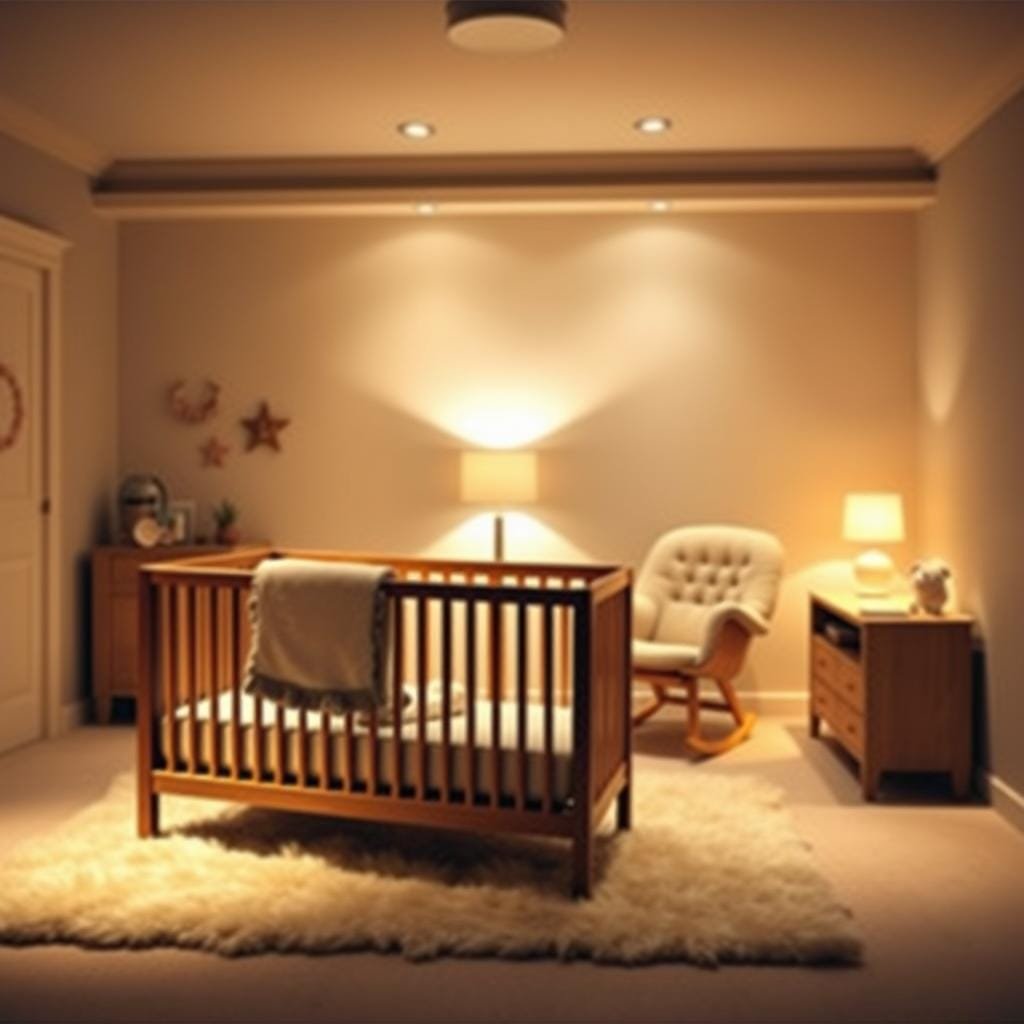
A good sleep space is key for your toddler. It must handle many things that affect their sleep. Just like grown-ups, kids feel their surroundings while they sleep. But, they are more sensitive.
Setting up the right bedroom for your 17-month-old can help a lot. It can make the difference between a good night’s sleep and a bad one.
Optimizing Room Temperature and Lighting
The room’s temperature is very important for your toddler’s sleep. It should be between 68-72°F (20-22°C). This keeps their body at a good temperature all night.
Toddlers sweat a lot when they sleep deep. They have more sweat glands than adults. So, they can get too hot. Dress them in breathable fabrics like cotton or bamboo. Avoid synthetic materials like polyester that keep heat in.
Lighting is also very important. Blackout curtains are great for keeping your toddler from waking up too early. They block out light from outside.
If your 17-month-old is scared of the dark, use a dim red nightlight. Red light doesn’t mess with their sleep hormones. This way, they can feel safe without losing sleep quality.
Managing Household Noise
Toddlers get more aware of sounds around them. A door closing or TV noise can wake them up.
White noise machines help by making a steady sound. This sound covers up other noises in the house. It helps your toddler stay asleep.
Put the white noise machine 5-7 feet from your child’s crib. Keep the sound at 50-65 decibels. This is like the sound of a soft shower. It’s loud enough to block out other sounds but not too loud.
Creating a Comfortable Sleep Surface
The mattress and bedding your toddler uses are very important. At 17 months, they need a firm mattress. This helps their spine and keeps them safe.
Choose breathable, hypoallergenic bedding materials. These keep your child cool and comfortable. They help prevent sweating during deep sleep.
Most experts say wait until your child is at least 2 before using a pillow. But, your toddler might use blankets or stuffed animals as pillows. If you do get a pillow for them, make sure it’s thin and firm.
Sleep Safety Considerations for Toddlers
Safety is very important for your 17-month-old’s sleep space. They should sleep in a crib with no climbing aids. The mattress should be low to prevent falls if they try to climb out.
When your child starts using blankets instead of sleep sacks, choose light ones. Avoid pillows, stuffed animals, and loose bedding if your toddler can’t move them away from their face.
Make sure all furniture is secure to prevent it from tipping. This is very important as your toddler gets better at climbing. It’s also key when you start to move them from a crib to a toddler bed, usually between 18 months and 3 years.
| Environmental Factor | Optimal Condition | Common Mistakes | Impact on Sleep |
|---|---|---|---|
| Room Temperature | 68-72°F (20-22°C) | Overdressing or overheating the room | Prevents night sweats and discomfort |
| Lighting | Complete darkness or dim red light | Using blue/white nightlights | Supports melatonin production |
| Sound Environment | White noise at 50-65 decibels | Completely silent room | Masks disruptive household noises |
| Sleep Surface | Firm mattress, breathable bedding | Too-soft mattress or heavy blankets | Provides support and prevents overheating |
| Safety Features | Secured furniture, appropriate bedding | Loose items in crib, unsecured furniture | Prevents accidents and suffocation risks |
By making these changes, you create a sleep space that meets your toddler’s needs. A well-designed sleep area helps them sleep better at night and during naps. This is good for their growth and happiness.
Nutrition and Its Impact on Sleep Quality
Your 17-month-old’s food choices are key to good sleep. The right foods at the right times help them sleep well. But, bad timing or foods can mess up their sleep.
Timing of Meals and Snacks
When your toddler eats is as important as what they eat for sleep. Try to have dinner 1.5-2 hours before bed. This lets their food digest well.
If they’re hungry before bed, give a small sleep-friendly snack 30 minutes before bed. This keeps them full without waking up.
Foods That Help or Hinder Sleep
Some foods help your toddler sleep better because they have sleep-supporting nutrients. Others can make it hard for them to fall or stay asleep.
| Sleep-Promoting Foods | Sleep-Hindering Foods | Key Nutrients |
|---|---|---|
| Banana | Chocolate (contains caffeine) | Tryptophan |
| Plain yogurt | Sugary treats | Calcium |
| Turkey | Acidic foods (tomato sauce) | Magnesium |
| Whole grain toast with nut butter | Spicy foods | Complex carbohydrates |
Managing Nighttime Thirst and Hunger
Most 17-month-olds don’t need to eat at night. But, some might wake up thirsty or hungry. Make sure they drink enough water during the day. But, don’t give too much water before bed to avoid midnight diaper changes.
If your toddler wakes up early, try eating dinner a bit later. Or give them a bigger snack before bed with protein and complex carbohydrates. These help them sleep longer.
If your toddler keeps waking up hungry, check their daytime food. Eating more protein, healthy fats, and fiber during the day can help them sleep better.
Establishing Lifelong Healthy Sleep Habits
The sleep routines you create now are key for your child’s sleep future. By starting consistent sleep routines at 17 months, you’re solving today’s sleep issues. You’re also building a strong sleep foundation for the future.
Teaching your toddler to sleep alone is a great gift. When they learn to fall asleep by themselves, they can calm down during night wakings. This skill helps them sleep better and deeper as they grow up.
There’s no one right way to train your toddler for sleep. Pick methods that fit your parenting style and your child’s personality. Both gradual and quick methods can work if you stick to them.
As your child gets older, you’ll need to change your sleep plans. But always keep a regular sleep schedule and a cozy sleep place. Keeping bedtime and wake times the same, even on weekends, helps your child’s body clock.
Good sleep is more than just sleeping through the night. It’s important for your child’s body, feelings, and brain. By focusing on healthy sleep habits now, you’re helping your child grow, learn, and feel better for years.