
Narcolepsy makes everyday life hard. It messes up sleep patterns, causing too much sleepiness during the day. It’s a big problem for about 1 in 2,000 people, but many don’t get help.
Doctors usually give medicine to help. But, more people are looking at other ways to feel better. A 2023 survey found one in three people with narcolepsy are trying new things to help.
Trying to manage narcolepsy without medicine can be tough. But, there are ways like napping smart, eating right, and using herbs. Mind-body practices also help some people sleep better.
This guide will show you sleep solutions for narcolepsy that can help with medicine. Learning about these options can help you take back control of your sleep. This way, you can feel better every day.
Key Takeaways
- Narcolepsy affects 1 in 2,000 people but is frequently undiagnosed
- One-third of narcolepsy patients try complementary approaches alongside conventional treatments
- Strategic napping techniques can help manage daytime drowsiness
- Dietary modifications may support better sleep-wake regulation
- Mind-body practices show promise for symptom management
- A personalized combination of treatments typically works best for long-term management
Understanding Narcolepsy: Symptoms and Challenges
Narcolepsy is more than just feeling tired. It’s a brain disorder that changes how people live. It affects about 1 in 2,000 people but is not well understood. People with narcolepsy face daily challenges that affect their jobs and friends.
Those with narcolepsy find it hard to stay awake during daily tasks. This can include driving, working, or talking. The unpredictable nature of symptoms leads to anxiety and feeling alone.
Common Symptoms and Their Impact on Daily Life
Excessive daytime sleepiness (EDS) is the main symptom of narcolepsy. It makes people very tired, even after a full night’s sleep. This fatigue makes it hard to do simple things and affects memory and focus.
Sleep attacks are sudden and uncontrollable. They can happen at any time, even while driving. These attacks can be embarrassing and dangerous.
Cataplexy is when muscle weakness happens because of strong feelings. It can be mild or severe, and people might think it’s a seizure.
| Symptom | Description | Impact on Daily Life | Prevalence |
|---|---|---|---|
| Excessive Daytime Sleepiness | Overwhelming drowsiness despite adequate sleep | Impaired concentration, memory issues, reduced productivity | 100% of patients |
| Sleep Attacks | Sudden, uncontrollable episodes of falling asleep | Safety risks, social embarrassment, limited activities | 90% of patients |
| Cataplexy | Muscle weakness triggered by emotions | Physical injury risk, emotional suppression, social anxiety | 60-70% of patients |
| Sleep Paralysis | Temporary inability to move when falling asleep or waking | Fear, anxiety, disrupted sleep quality | 40-60% of patients |
Other symptoms include sleep paralysis and hypnagogic hallucinations. These can be scary and make it hard to sleep well.
Why Consider Natural Approaches
Medicines are the main treatment for narcolepsy, but they can have bad side effects. These can include headaches and feeling anxious. Some people find that medicines don’t solve all their problems.
Natural methods might have fewer side effects. They help with sleep and energy, not just symptoms. This can make life better for people with narcolepsy.
Using both medicines and natural remedies can help more. This approach can lead to better control of symptoms and a better life. Natural solutions are good for those who can’t handle medicine side effects or want more help.
Effective Natural Remedies for Narcolepsy
Natural ways to manage narcolepsy are getting more attention. They can help a lot when used with doctor’s advice. No natural remedy can cure narcolepsy, but some can make symptoms less severe.
Overview of Evidence-Based Natural Solutions
Research shows some natural sleep solutions help with narcolepsy. Planned napping fits with your body’s natural sleep patterns.
Keeping a regular sleep schedule is also key. It helps your body’s clock, which can cut down on daytime sleepiness.
Exercise, like cardio, improves sleep at night and alertness during the day. Some diets, like low-carb or keto, can also help stay awake longer.
Mind-body practices like meditation and yoga help with stress and sleep. They focus on the mental side of living with narcolepsy.
How Natural Approaches Complement Medical Treatment
Complementary narcolepsy therapies work with medicines, not instead of them. This mix often works better than either alone. Natural remedies can make medicines work better, sometimes with less side effects.
Natural methods tackle parts of narcolepsy that medicines don’t. While medicines help stay awake, they don’t always improve sleep quality or stress.
| Natural Approach | Complements Medication By | Potential Benefits | Implementation Difficulty |
|---|---|---|---|
| Strategic Napping | Reducing medication needs during planned rest periods | Improved alertness, reduced medication side effects | Low to moderate |
| Regular Exercise | Enhancing natural energy production | Better sleep quality, improved mood | Moderate |
| Dietary Modifications | Stabilizing blood sugar and energy levels | Reduced food-triggered sleepiness | Moderate to high |
| Mind-Body Practices | Addressing psychological aspects of narcolepsy | Stress reduction, improved coping skills | Low |
Setting Realistic Expectations
When trying evidence-based narcolepsy treatments beyond medicine, be realistic. Natural methods take time to show results. You might see small changes over weeks or months.
How well natural remedies work can vary a lot. What helps one person might not work for another. The best plans mix different methods based on what works for you.
It’s important to keep checking how things are going and make changes as needed. Working with doctors to adjust your plan helps find the best mix of natural and medical treatments for you.
Lifestyle Modifications to Manage Narcolepsy Symptoms
Medicine is not the only answer for narcolepsy. Simple changes in your life can make a big difference. These changes help your body get into a better rhythm and work better with your treatments.
Establishing a Consistent Sleep Schedule
A regular narcolepsy sleep schedule is key. Your body likes knowing what to expect, which is important with a sleep disorder. Going to bed and waking up at the same time every day helps your body stay in sync.
The National Institute of Neurological Disorders and Stroke (NINDS) says keeping a regular sleep schedule helps fight daytime sleepiness. This way, your body knows when to rest and when to be awake.
Weekday vs. Weekend Sleep Patterns
It might seem nice to sleep in on weekends, but it’s not good for narcolepsy patients. Sleeping in on weekends messes up your body’s clock and can make symptoms worse on Mondays. Try to stick to your weekday sleep schedule, even on weekends, with just a little bit of flexibility.
Using Sleep Tracking Tools
Today’s technology is great for managing narcolepsy. Apps and wearables track your sleep, showing how well you’re sleeping and what might be disrupting it. These tools help you find what’s causing problems and make changes based on real data.
Strategic Napping Techniques
Strategic napping for narcolepsy means taking short, planned naps to avoid sudden sleep attacks. These 15-20 minute naps can help you feel refreshed without messing up your nighttime sleep.
For the best results, nap when you usually get tired. Many people find napping in the afternoon works well. Keep your naps short to avoid feeling groggy afterwards.
Some jobs now let employees take short naps. If you can, talk to your boss about taking a quiet nap in the afternoon.
Creating an Optimal Sleep Environment
Sleep environment optimization is very important for managing narcolepsy. Your bedroom should be a place only for sleep. Keep it cool, quiet, and dark, without any electronic devices for at least an hour before bed.
Choose comfortable, supportive bedding that fits your needs. Some people find weighted blankets help them sleep better.
Have a calming routine before bed to tell your body it’s time to sleep. This could be a warm bath, some stretching, or reading a book. Being consistent with these activities helps your body get into a better sleep-wake cycle.
Dietary Changes That May Help Manage Narcolepsy

Changing what you eat can help with narcolepsy symptoms. No diet can cure it, but what you eat affects your energy and sleep. Eating smart can help you feel better and manage symptoms.
Foods That Promote Wakefulness
Some foods keep you awake and alert. Protein-rich foods like eggs and lean meats give you energy without crashes. Look for foods that might help your brain make more orexin, a key neurotransmitter.
Good foods include:
- Fatty fish like salmon
- Fermented foods like kimchi
- Dark leafy greens
- Sourdough bread
- Nuts and seeds
The ketogenic diet for narcolepsy is also popular. It’s high in fat and low in carbs. It helps keep your blood sugar stable and might help your brain.
One person, Gina Dennis, felt more awake than ever on this diet. She didn’t need as much medication.
Foods to Avoid for Better Sleep Quality
Some foods can make narcolepsy symptoms worse. High-sugar foods and carbs cause energy crashes. Avoid candy, pastries, and sugary drinks.
People with narcolepsy might also react badly to:
- Processed foods with additives
- Alcohol, even before bed
- Caffeine in the evening
- Heavy, greasy meals
Everyone reacts differently to food. Keeping a food diary helps you find out what triggers your symptoms.
Meal Timing and Portion Control
When and what you eat matters. Smaller meals keep your blood sugar steady. This prevents energy crashes that can trigger narcolepsy symptoms.
Eat smaller meals more often. A protein-rich breakfast helps, and light meals at night improve sleep. Don’t eat big meals close to bedtime.
Eating at the same times each day helps your body’s clock. This supports your sleep-wake cycle and helps manage symptoms.
Exercise and Physical Activity Strategies
Physical activity is very helpful for people with narcolepsy. Studies show it can make sleep better and reduce daytime tiredness. A 2017 study found that better fitness means less sleepiness and fewer cataplexy episodes.
Exercise is key in managing narcolepsy. It helps regulate sleep, boosts energy, and improves life quality.
Best Types of Exercise for Narcolepsy Management
Not all exercises are good for narcolepsy. Some types can help more with alertness and sleep.
Aerobic Activities
Cardio exercises are best for narcolepsy. They improve heart and lung health, reducing symptoms. Good options include:
- Brisk walking or jogging
- Swimming or water aerobics
- Cycling (indoor or outdoor)
- Dance classes or vigorous dancing
- Sports activities like tennis or basketball
Even simple activities like gardening can help. Aim for 30 minutes of moderate activity daily. Start slow and increase as you get stronger.
While cardio is important, don’t forget about strength training. It builds muscle, boosts metabolism, and increases energy.
Strength training can be done with bodyweight exercises, resistance bands, or weights. Two 20-minute sessions a week can make a big difference. Mixing cardio and strength training is often the best approach.
Optimal Timing for Physical Activity
When you exercise matters a lot. For narcolepsy patients, timing can make a big difference.
Exercising in the morning or early afternoon is best. It helps fight drowsiness. Many find morning workouts keep them alert all day. Avoid intense workouts close to bedtime to avoid sleep problems.
Finding the best time to exercise is personal. Keep a journal to see how different times affect your symptoms.
Avoiding Exercise-Induced Triggers
Exercise is good, but some activities can trigger symptoms. Knowing and avoiding these triggers is important.
Very hard workouts can make you too tired. Some movements or places can also trigger cataplexy. To stay safe, exercise with a friend, choose safe places, and start slow.
Despite these challenges, regular exercise is key in managing narcolepsy. Find the right exercises, time them right, and be careful. Exercise can be a powerful tool in managing your symptoms naturally.
Herbal Supplements and Natural Compounds
Many narcolepsy patients find relief in herbal supplements and natural compounds. These can help with daytime sleepiness and better nighttime sleep. Always use them with your doctor’s advice.
Ginkgo Biloba and Other Cognitive Enhancers
Ginkgo biloba is a natural brain booster for narcolepsy. It helps blood flow to the brain and fights off damage. It might help with brain fog.
Other herbs help keep you alert during the day. Bacopa monnieri boosts memory, and rhodiola rosea fights mental tiredness. Panax ginseng supports energy and brain work all day. Use these herbs every day for best results.
Valerian Root and Sleep-Promoting Herbs
Valerian root helps with sleep for narcolepsy patients. It has calming effects that help you fall and stay asleep. It doesn’t make you feel groggy in the morning.
Other herbs like passionflower and chamomile help with sleep. Lemon balm tea can also improve sleep. But, everyone reacts differently to these herbs.
B Vitamins and Essential Minerals
Vitamins and minerals are key for narcolepsy management. Vitamin B12 helps with energy and brain function. Vitamin D is linked to better sleep.
Vitamin E might help with orexin production, a key neurotransmitter for narcolepsy. Magnesium and iron are also important for sleep and energy. Keeping these levels right can help.
Safety Considerations and Possible Interactions
Always think about safety when trying herbal supplements for narcolepsy. They can affect how well your medicines work. Always talk to your doctor before starting any supplements. Choose tested products for safety.
| Supplement | Potential Benefits | Safety Considerations | Typical Dosage Range |
|---|---|---|---|
| Ginkgo Biloba | Improved alertness, cognitive function | May interact with blood thinners | 120-240mg daily |
| Valerian Root | Better sleep quality, easier sleep onset | May enhance effects of sedatives | 300-600mg before bedtime |
| Vitamin B12 | Energy metabolism, neurological support | Generally safe, even at higher doses | 500-1000mcg daily |
| Vitamin D | Sleep quality, immune function | Fat-soluble; avoid excessive doses | 1000-4000 IU daily |
| Magnesium | Muscle relaxation, sleep regulation | May cause digestive upset in some people | 200-400mg daily |
Supplements can help, but they’re part of a bigger plan. Watch how you react to them. Stop if you have bad side effects.
Mind-Body Practices for Symptom Management
Mind-body practices connect our mind and body. They help manage narcolepsy symptoms. These practices work on both body and mind, helping with narcolepsy.
Many people find these practices useful. They help spot sleep attacks early and find ways to deal with them.
Meditation and Mindfulness Techniques
Mindfulness for narcolepsy helps us notice our energy changes. Short sessions can lower stress and improve sleep.
Meditation for sleep disorders includes body scans and loving-kindness meditation. These help us catch drowsiness early and stop it.
Guided recordings and apps help with meditation. They make it easier to stay consistent. This helps us not judge our symptoms, which lowers anxiety.
Yoga Poses for Energy and Sleep Regulation
Yoga helps manage energy and sleep. It has poses for being awake during the day and sleeping well at night.
Poses like backbends and twists wake us up. Before bed, poses like forward bends relax us. Yoga combines movement, breathing, and focus, helping with narcolepsy.
Dr. Rubin Naiman says yoga is good for everyone. It changes how we see our bodies. For best results, learn from teachers who know about medical conditions.
Breathing Exercises for Alertness
Breathing exercises are easy to do anywhere. They help manage narcolepsy symptoms right away.
Techniques like kapalabhati make us more alert. Try quick exhales and deep inhales to wake up. These exercises are simple and work well.
For relaxing at night, try slow breathing. Breathe in for four counts and out for six. This calms us down and helps us sleep better. Even though there’s not much research, these exercises help many people sleep and relax.
Alternative Therapies Worth Considering
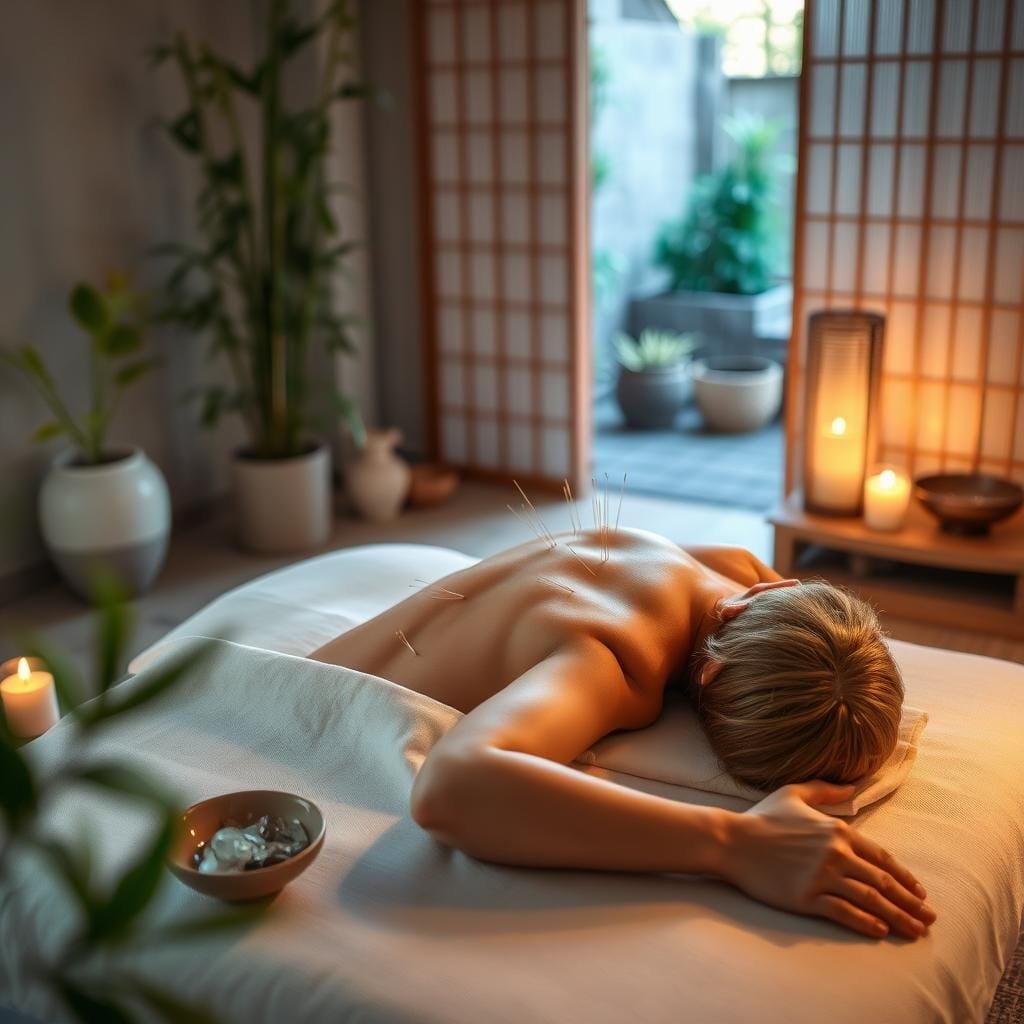
Looking for more ways to manage narcolepsy? There are many alternative therapies that might help. They can improve your life when used with your current treatments. These methods target different symptoms and might reduce your need for medicine.
Acupuncture and Traditional Chinese Medicine
Acupuncture is a big part of Traditional Chinese Medicine. It sees narcolepsy as an energy problem, not just a brain issue. Practitioners use thin needles to help energy flow and heal.
There’s not a lot of research on acupuncture for sleep disorders like narcolepsy. But, some people say it makes them sleep better and feel more awake during the day. TCM also uses herbs that are made just for you.
Want to try acupuncture? Find a licensed practitioner who knows about sleep disorders. Tell your doctor about it too, so they can help with your medicine.
Light Therapy for Circadian Rhythm Regulation
Light therapy for narcolepsy uses light to fix your body clock. Morning light therapy can make you feel more awake and sleep better at night. It’s like a wake-up call for your body.
This is great for people who have trouble sleeping at night. It helps your body know when to sleep and when to be awake. This can make you feel less sleepy during the day.
Using blue light-blocking glasses at night can also help. They let your body make melatonin, which helps you sleep. Talk to your doctor about when and how long to use light therapy.
Massage and Bodywork Approaches
Massage and bodywork can help with narcolepsy too. They relax your body and reduce stress. This can make it easier to sleep and feel less pain.
These treatments focus on your head, neck, and shoulders. They help you stay awake during the day. They do this by relaxing your muscles and improving blood flow.
Another idea is to keep your hands and feet cool while keeping your body warm. This can help you stay awake. Try using fans on your hands and feet to stay alert.
Integrating Natural Solutions into Your Daily Life: The Path Forward
Living with narcolepsy means finding a plan that works for you. About 1 in 2,000 Americans have it. You’re not alone in looking for good ways to manage it. Start by making a plan for holistic narcolepsy management that fits your life.
Begin with one change at a time. A regular sleep schedule and smart napping can help a lot. Keep a journal to track your symptoms and find patterns.
Using natural remedies with medicine is a great way to manage narcolepsy. The tips we talked about, like diet changes and relaxation, work best when they fit your life.
Having people you can count on is key. Teach your family, friends, and work about narcolepsy. This helps them understand you better. Also, the Americans with Disabilities Act helps with work changes, like nap breaks.
If narcolepsy runs in your family, finding long-term solutions is even more important. Keep checking and updating your plan as your life changes.
Narcolepsy is tough, but many people find ways to live better. With time and effort, you can find ways to manage your symptoms and reach your goals.
FAQ
What are the main symptoms of narcolepsy?
Narcolepsy symptoms include feeling very sleepy during the day. You might fall asleep suddenly. You could also lose muscle tone when you’re excited or upset.
Other symptoms are not being able to move when falling asleep or waking up. You might see vivid dreams when you’re falling asleep. And, you might not sleep well at night.
These symptoms can make it hard to go to school, work, and social events. They can also affect your mood.
Can natural remedies cure narcolepsy?
No, natural remedies can’t cure narcolepsy. But, they can help manage symptoms. They work best when used with medicine.
What lifestyle modifications are most effective for managing narcolepsy?
To manage narcolepsy, keep a regular sleep schedule. Take short naps before you feel tired. Make your sleep area cool, dark, and quiet.
Use tools to track your sleep. This helps find patterns and improve treatment.
How can diet affect narcolepsy symptoms?
Diet plays a big role in narcolepsy symptoms. Eat foods with protein and healthy fats for energy. Avoid foods with a lot of sugar and carbs.
Some people find ketogenic diets help. Eat small meals often to keep blood sugar stable. Don’t eat big meals close to bedtime.
What types of exercise are best for people with narcolepsy?
Aerobic exercises are best for narcolepsy. Try walking, jogging, swimming, or cycling. Dance classes are good too.
Strength training also helps. Aim for 30 minutes of activity most days. Do it in the morning or early afternoon.
Are there specific supplements that help with narcolepsy symptoms?
Yes, some supplements might help. Ginkgo biloba can make you feel more alert. Valerian root, passionflower, and chamomile can help you sleep better.
Vitamins B12, D, and E, along with magnesium and iron, can address nutritional deficiencies. Always talk to a doctor before taking supplements.
How can mind-body practices help manage narcolepsy?
Mind-body practices help with narcolepsy. Meditation and mindfulness can help you notice energy changes. They also reduce stress.
Yoga and breathing exercises like kapalabhati can increase alertness. These practices are useful for managing symptoms right away.
What alternative therapies might be worth trying for narcolepsy?
Consider acupuncture and Traditional Chinese Medicine. They might improve sleep and alertness. Light therapy can help regulate your body’s clock.
Massage and bodywork can reduce muscle tension. Cooling your body can also help stay awake.
How should I track the effectiveness of natural remedies for my narcolepsy?
Keep a symptom journal. Note your sleep, alertness, and any episodes of sleep attacks or cataplexy. Use apps to track this.
Share your journal with your doctor. This helps them improve your treatment plan.
Can I reduce my narcolepsy medication by using natural remedies?
Never stop or change your medication without a doctor’s say-so. Natural remedies can help your medication work better. But, only do this under a doctor’s watch.
How do I create a personalized natural management plan for narcolepsy?
Start by figuring out what symptoms bother you most. Work with a doctor who knows about natural treatments. Begin with simple steps like regular sleep and naps.
Add more strategies slowly. Keep adjusting your plan as your life changes and you find what works best.
Are there workplace accommodations available for people with narcolepsy?
Yes, the Americans with Disabilities Act requires accommodations for narcolepsy at work. You might get nap breaks or flexible hours. You could also work from home.
Talking to your employer about narcolepsy can help get these accommodations.
How does the ketogenic diet potentially help with narcolepsy?
The ketogenic diet might help with narcolepsy. It’s high in fat and low in carbs. This can help keep your blood sugar stable and support your brain.
Some people find it helps them stay awake longer and feel better. It can give you steady energy without the crash from carbs.
What breathing exercises can help with narcolepsy symptoms?
Breathing exercises like kapalabhati can make you feel more alert. They involve quick, forceful exhales followed by passive inhales. These can be done anywhere to help with drowsiness.
Long exhale breathing can help you relax before sleep. These exercises can help manage symptoms right away.