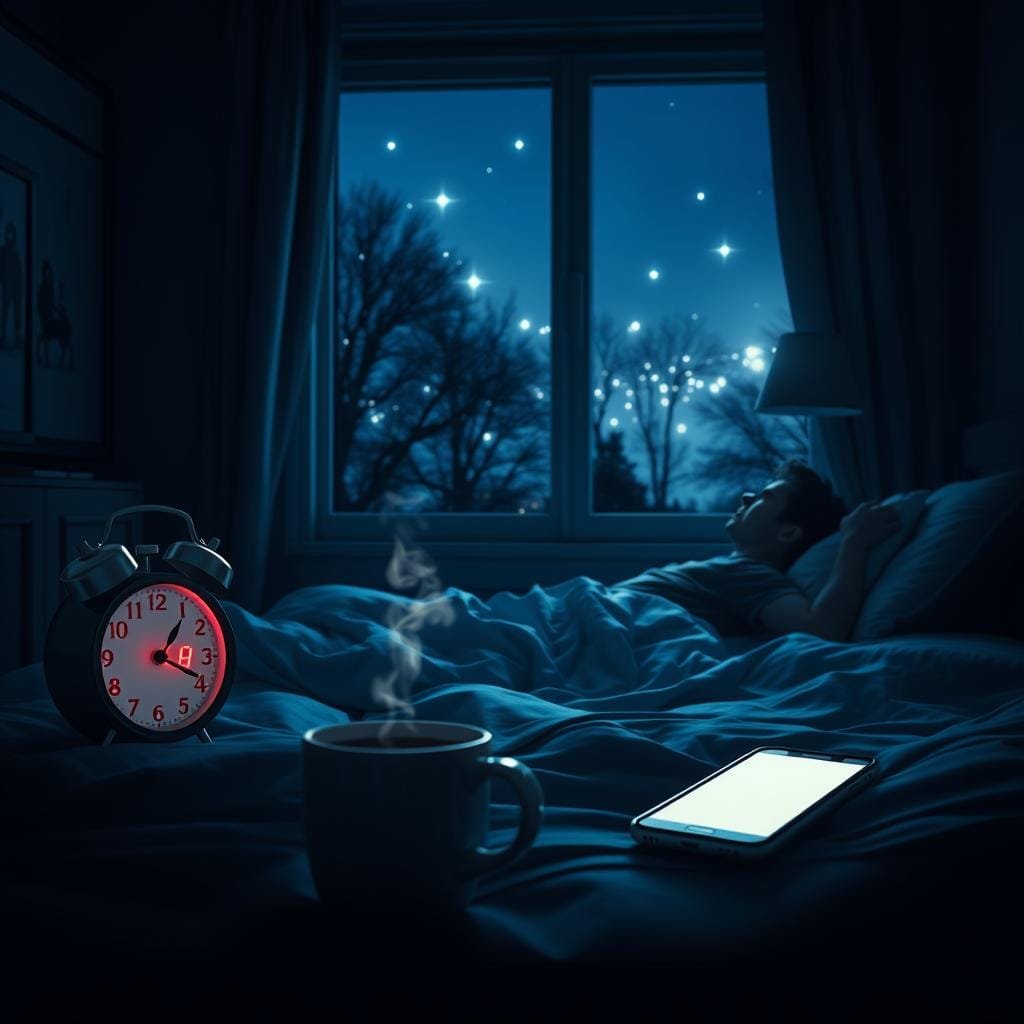
Millions of Americans toss and turn every night. Almost 1 in 3 adults face sleep problems at some time. Insomnia takes away your daytime energy and mood. It also harms your health over time.
The insomnia causes differ for everyone. Some find it hard to fall asleep. Others wake up a lot during the night. Some wake up too early or don’t feel refreshed.
It’s important to know why you can’t sleep well. Most adults need 7-9 hours of sleep. But, how much you need can change with age, how active you are, and your health.
Long-term sleep disruption does more than just make you tired. It can hurt your memory and weaken your immune system. It also raises stress hormones. And it can lead to serious health issues like diabetes and heart disease.
By figuring out why you can’t sleep, you can start to fix it. Knowing what keeps you awake is the first step to better sleep.
Key Takeaways
- Nearly one-third of adults experience sleep problems at some point in their lives
- Insomnia shows up as trouble falling or staying asleep, or waking up too early
- Most adults need 7-9 hours of sleep, but needs can vary
- How well you sleep is as important as how long you sleep for your health
- Not getting enough sleep can harm your body, mind, and mood
- Finding out why you can’t sleep is the first step to getting better rest
The Science of Sleep and How It Gets Disrupted
Sleep is a complex process that our bodies need. It’s controlled by circadian rhythms, which help us know when to sleep and wake. These rhythms also control our metabolism and body temperature.
Knowing how sleep works helps us see why it’s so important. Our brains go through sleep stages while we sleep. Each stage has its own job.
The Four Stages of Sleep and Their Functions
Our brains go through four sleep stages every night. The first three stages are non-REM sleep. The third stage is the deepest, where our body fixes itself.
The fourth stage is REM sleep. This is when we dream. Our brain deals with emotions and memories here. A full sleep cycle lasts about 90-110 minutes. We need 4-6 cycles each night.
How Disrupted Sleep Affects Physical and Mental Health
Bad sleep can harm us a lot. It can lead to heart disease and weaken our immune system. It can also make us gain weight by changing how we feel hungry.
Bad sleep also hurts our minds. It makes us less sharp and creative. It makes us feel stressed and anxious. Even one bad night can make us slow like alcohol.
Things like working at night or traveling across time zones mess with our circadian rhythms. This can make it hard to sleep well. Knowing this helps us fix our sleep problems.
Psychological Reasons for Sleeplessness
Psychological factors are big sleep thieves. When your mind is busy, your body can’t relax. Knowing why is the first step to fixing it.
Stress and Anxiety
Stress and sleep are linked in a big way. Stress hormones like cortisol mess with your sleep. Worries about work, money, or health keep you awake.
Acute vs. Chronic Stress Effects
Short-term stress can mess up your sleep. It’s hard to relax before a big event or after a fight. Your body stays ready to run or fight.
Long-term stress changes your sleep forever. It messes with your body’s stress rhythm. This can lead to serious sleep problems if not fixed.
Anxiety-Induced Insomnia Patterns
Anxiety and sleep are a bad mix. It starts with trouble falling asleep, then more anxiety, and so on. This makes it hard to sleep at all.
Depression and Mood Disorders
Depression affects sleep in its own way. It makes you wake up early. People with depression might sleep okay but wake up too soon.
Depression messes with your sleep patterns. It makes it harder to get into deep sleep. This makes you feel tired and weak.
Racing Thoughts and Rumination
Many people think too much when trying to sleep. This is because there’s nothing else to distract you. Rumination at night is when you can’t stop thinking about things.
The quiet of night makes your mind go wild. It replays conversations, worries about tomorrow, or thinks about past mistakes. This keeps you awake. To stop this, you need special thinking tricks.
Lifestyle Habits That Sabotage Sleep
Our daily choices can hurt our sleep at night. Many people have trouble sleeping without knowing why. Knowing what hurts our sleep is the first step to better nights.
Inconsistent Sleep-Wake Schedules
Your body likes routine, and sleep is no exception. Irregular bedtimes confuse your body, making it hard to sleep well. This messes up your sleep patterns.
Going to bed at 10 PM one night and 1 AM the next confuses your brain. Even weekend changes can mess up your sleep for days, leading to poor sleep.
Poor Bedtime Routines and Sleep Hygiene
A good bedtime routine tells your body it’s time to sleep. But many people don’t wind down properly. This keeps their mind and body awake.
Good sleep hygiene means a sleep-friendly space and consistent routines. Using your bed for things other than sleep or intimacy weakens its sleep connection.
Excessive Screen Time Before Bed
The hours before bed are key for sleep. Modern devices have made it harder to sleep than before.
Blue Light Exposure Effects
Devices give off blue light that lowers melatonin, your sleep hormone. This makes your brain think it’s daytime, delaying sleep.
Being close to devices, like phones, makes it worse. Even a little blue light can delay sleep by 30-60 minutes.
Content-Related Stimulation
What you watch or read before bed matters too. Work emails, social media, or exciting shows keep your mind active.
This mental activity makes it hard to sleep. Screen time before bed is now a big sleep problem.
| Sleep-Disrupting Habits | Sleep-Promoting Alternatives | Potential Benefits |
|---|---|---|
| Irregular sleep-wake times | Consistent bedtime and wake time | Strengthened circadian rhythm |
| Screen use before bed | Reading physical books | Natural melatonin production |
| Working in bed | Reserving bed for sleep only | Stronger bed-sleep association |
| Stimulating evening activities | Calming bedtime routine | Reduced sleep onset time |
Dietary Factors Affecting Sleep Quality
Your diet affects your sleep quality in big ways. What you eat all day, not just before bed, matters. Knowing how food impacts sleep can help you sleep better.
Caffeine and Other Stimulants
Caffeine is a big sleep disruptor. It stops your brain from getting sleepy. Many don’t know how much it affects sleep.
Hidden Sources of Caffeine
Not just coffee and energy drinks have caffeine. Chocolate, some teas, and meds also have it. This can lead to caffeine sleep problems.
| Food/Beverage | Average Caffeine Content | Potential Sleep Impact |
|---|---|---|
| Coffee (8 oz) | 95-200 mg | High |
| Dark Chocolate (1 oz) | 12-30 mg | Moderate |
| Green Tea (8 oz) | 25-45 mg | Moderate |
| Cola (12 oz) | 30-40 mg | Moderate |
| Decaf Coffee (8 oz) | 2-15 mg | Low |
Caffeine’s Half-Life in the Body
Caffeine stays in your body for 5-6 hours. So, a 2 PM coffee can affect your sleep at 8 PM. This can be tough for some people.
Alcohol and Its Deceptive Effects on Sleep
Alcohol might make you sleepy at first. But it messes with your sleep later. You might wake up early.
Drinking before bed hurts your REM sleep. This is when your brain processes memories and emotions. So, you might feel tired but can’t sleep well.
Heavy or Late-Night Meals
Eating big meals before bed is bad. It makes your stomach work hard. This can cause acid reflux and indigestion.
Also, eating late can disrupt sleep. Digestion raises your body temperature. This makes it hard to fall asleep. Foods high in fat and spice are worst.
Hydration and Bathroom Trips
Drinking water is good, but not too much before bed. It can lead to midnight trips to the bathroom. This breaks your sleep.
But, not drinking enough can also mess with sleep. Symptoms like dry mouth and headaches can happen. The goal is to drink enough during the day but not too much before bed.
Environmental Disruptors in Your Bedroom
Your bedroom is where you should rest well. But, many things can stop you from sleeping well. Even if you want to sleep, your room might not help. It can keep you awake or mess up your sleep patterns.
Noise Pollution and Sound Disturbances
Your brain keeps working on sounds even when you sleep. Noise disruptions can break up your sleep without waking you up. This makes you feel tired the next day without knowing why.
These problems come from two kinds of noise:
- Constant sounds (like traffic or humming appliances)
- Random noises (like car alarms or slamming doors)
How much noise bothers you can change. It often gets worse as you get older. Using earplugs, white noise machines, or soundproofing can help a lot.
Light Exposure and Melatonin Production
Light controls when you’re awake or asleep. Even a little light can stop your body from making melatonin. This is why light can mess up your sleep in cities.
Bad light comes from:
- Devices with blue light
- Street lights coming through curtains
- LED lights on bedroom gadgets
Using blackout curtains, eye masks, and turning off devices can help. This way, your brain gets the dark it needs for good sleep.
Temperature and Humidity Issues
Your body gets cooler as you sleep. A too-warm room makes it hard to sleep. The best room temperature for sleep is between 60-67°F (15-19°C).
Too much or too little humidity also affects sleep:
- Too dry: hurts your throat and nose
- Too humid: makes you uncomfortable and can make breathing harder
Keeping the room at the right temperature and humidity can really help your sleep.
Uncomfortable Bedding and Mattresses
Your bed affects how comfortable you are at night. A bad mattress can cause pain and make you move a lot. This breaks up your sleep.
Think about these things when choosing your bedding:
- A mattress that fits your sleep style
- Pillows that keep your neck right
- Materials that keep you cool
- Enough room, if you share your bed
Good bedding can make a big difference in how well you sleep. It’s a simple way to fix sleep problems in your bedroom.
The Most Common Reasons for Sleeplessness Across Age Groups

From college dorms to retirement communities, sleepless nights change a lot as we age. Some sleep problems stay the same, but each age group has its own challenges. These make it hard to get good sleep.
Young Adults and College Students
Young adults, like college students, face many sleep problems. Moving away from home and school work make sleep hard.
Academic Stress and Social Pressures
Students often don’t sleep much because of school and friends. Tests and homework can keep them up all night. This can last even after school is over.
Jobs and fun activities also cut into sleep time. Students worry about missing out, so they stay up late.
Technology Addiction
College students use tech a lot before bed. This keeps them awake with notifications and bright screens.
Middle-Aged Adults and Work-Life Balance
Work stress sleep problems get worse in middle age. Work and family duties leave little time for sleep.
Many in this age group delay sleep to have time for themselves. They feel tired but want personal time after work and family duties.
Older Adults and Age-Related Sleep Changes
Elderly sleep issues come from lifestyle and body changes. Retirement and less activity can mess with sleep.
Reduced Melatonin Production
As we get older, we make less melatonin. This hormone helps us sleep. Less melatonin means we get tired earlier and wake up sooner.
Changes in Sleep Architecture
Older adults sleep differently. They spend less time in deep sleep. This means they wake up more often.
While age-related sleep problems are common, they shouldn’t be seen as normal. Many sleep issues can be fixed with the right help.
Medical Conditions That Interfere With Sleep
Medical issues can really mess with our sleep. We might think it’s just stress or bad habits. But, health problems often play a big role in keeping us awake. Knowing what’s behind our sleep troubles can help us get the rest we need.
Sleep Apnea and Breathing Disorders
Sleep apnea is when you stop breathing many times while sleeping. It can be because your throat muscles relax too much or your brain doesn’t tell your breathing muscles to work.
These stops in breathing can happen a lot at night. They make you wake up briefly each time. This breaks up your sleep and lowers oxygen levels. That’s why people with sleep apnea insomnia often feel very tired, even after sleeping a lot.
Restless Leg Syndrome and Periodic Limb Movement
Restless leg syndrome makes your legs feel weird, like they’re crawling or tingling. You really want to move them. These feelings get worse when you’re not moving, like when you’re trying to sleep.
People with restless leg syndrome sleep problems also have involuntary leg movements at night. These movements can happen every 20-40 seconds. They can wake you up without you even realizing it.
Chronic Pain Conditions
Pain from conditions like arthritis or fibromyalgia makes it hard to sleep. Pain can keep waking you up, stopping you from getting deep sleep.
Pain and sleep problems go hand in hand. Chronic pain sleeplessness makes pain worse, which then disrupts sleep more. It’s a tough cycle to break, but treating both pain and sleep is key.
Gastrointestinal Issues and Reflux
Digestive problems can really mess with your sleep, like when you lie down. GERD lets stomach acid go back up into your esophagus, causing heartburn and discomfort.
Other digestive issues like IBS or inflammatory bowel disease can cause stomach pain and bloating. They make you need to go to the bathroom a lot, too. GERD sleep problems can get better with diet changes, sleeping with your head up, and medicine if needed.
Fixing the underlying medical issues is key to solving sleep problems. If you think a health issue is keeping you awake, talk to a doctor. They can find the right treatment for both the condition and its sleep effects.
Hormonal Imbalances and Sleep Disruption
Your body’s hormones play a big role in how well you sleep. When these hormones get out of balance, it can make it hard to sleep. Knowing how hormones affect sleep can help find the cause of your sleep problems.
Menopause and Perimenopause
Women going through menopause often have trouble sleeping. The drop in estrogen changes how they sleep. Up to 85% of women in this stage have hormonal insomnia.
Hot Flashes and Night Sweats
Hot flashes can wake you up many times at night. When you have a hot flash, your body gets too hot. This makes you wake up to cool down.
Changing hormones also affect your mood and sleep. Lower progesterone makes it hard to fall asleep. Estrogen helps with serotonin, which is important for sleep.
Thyroid Disorders
Thyroid sleep issues happen in different ways. Too much thyroid hormone makes you feel awake and anxious. Too little can cause sleep apnea and tiredness during the day.
Cortisol and Stress Hormones
Cortisol should go down at night to help you sleep. Cortisol sleep disruption happens when this doesn’t happen. This keeps your body awake instead of resting.
Insulin and Blood Sugar Fluctuations
Low blood sugar during sleep can wake you up. High blood sugar can make you need to pee and drink water. This can disrupt your sleep.
Medications That Can Cause Insomnia

Your medicine cabinet might hold the secret to why you can’t sleep. Many medicines list insomnia as a side effect. But, people often don’t connect the dots. Knowing how medicines affect sleep can help you and your doctor find better solutions.
Antidepressants and Stimulants
Some antidepressants can mess with your sleep. SSRIs like Prozac and Zoloft can make you feel more awake. This can be tough, even for those already dealing with mood issues.
Not all antidepressants are the same. Some make you feel awake, while others, like trazodone, make you sleepy. This sleepiness can make mornings hard to wake up.
Medicines for ADHD, like Ritalin and Adderall, can also mess with sleep. Taking them too late can make it hard to fall asleep. But, timing them right can help.
Blood Pressure and Heart Medications
Beta blockers, used for high blood pressure and heart issues, can disrupt sleep. They can lower melatonin levels, which is bad for sleep.
Beta blocker insomnia often means waking up a lot at night. Some people even have weird dreams or nightmares.
Diuretics, or “water pills,” can also mess with sleep. They make you pee a lot, which can break up your sleep.
Over-the-Counter Drugs With Hidden Stimulants
Many OTC medicines have stimulants that can keep you awake. Cold and allergy meds often have pseudoephedrine or phenylephrine. These can make it hard to fall asleep.Pain relievers with caffeine are also bad for sleep. Excedrin, for example, has a lot of caffeine that can mess with sleep.
Weight loss pills often have stimulants to boost energy. These can affect sleep quality, even if taken early in the day.
Corticosteroids and Anti-Inflammatory Drugs
Corticosteroids, like prednisone, can cause insomnia. They can make you feel more awake, change your mood, and mess with your body’s natural rhythm.
These medicines can make you think too much and have trouble relaxing. This can be hard, as they’re meant to treat inflammation that might already be keeping you awake.
NSAIDs, like ibuprofen, can also mess with sleep. They might not cause insomnia as often as corticosteroids. But, using them at night can disrupt deep sleep.
If you think your meds are messing with your sleep, talk to your doctor. They might be able to adjust your meds or find something else that works better for you.
Technology and Modern Lifestyle Impact on Sleep
Today, our devices make life easier but also keep us awake. Our bodies didn’t evolve with smartphones and 24-hour entertainment. This gap leads to technology sleep problems for many Americans.
Social Media and Digital Anxiety
Social media can keep us up all night. Each notification makes our brain happy, making it hard to sleep. Studies link social media insomnia to poor sleep quality.
Feeling anxious from social media is common. It keeps our minds busy long after we put down our phones. This makes it hard to relax and fall asleep.
24/7 Work Culture and Boundaries
Remote work mixes work and personal life. Many check emails in bed or work late. This work stress sleep disruption stops us from resting well.
Work in our bedrooms confuses our brains. It keeps stress hormones up when they should go down.
Constant Connectivity and FOMO
FOMO makes us check our phones all night. This breaks up our sleep, making it feel short.
Our brains crave digital stimulation. This makes quiet sleep hard to find. Constantly being connected hurts our sleep every night.
Binge-Watching and Entertainment Overload
Streaming services keep us watching too long. Saying “just one more episode” delays our sleep. This leads to not getting enough sleep.
Shows and movies can wake us up. They make our heart rate go up and our minds stay active. This digital device sleep issues makes it hard to fall asleep.
| Technology Type | Sleep Impact | Mechanism | Severity Level |
|---|---|---|---|
| Social Media | Delayed sleep onset | Emotional arousal, comparison anxiety | High |
| Work Devices | Reduced sleep quality | Continued stress response, rumination | Moderate-High |
| Streaming Services | Shortened sleep duration | Time displacement, emotional engagement | Moderate |
| Gaming | Disrupted sleep architecture | Competitive arousal, blue light exposure | High |
Travel and Schedule-Related Sleep Disruptions
Travel and irregular schedules can mess with your sleep. Your body has its own clock that tells it when to sleep and wake. When this clock gets out of sync, you might have trouble sleeping.
Jet Lag and Time Zone Changes
When you travel across time zones, your body’s clock has to adjust. This can lead to jet lag sleep problems. You might feel tired, have trouble sleeping, and not think as clearly. Jet lag disorder is worse when you travel east, as it’s harder to adjust to a shorter day.
Unfamiliar Sleep Environments
When you sleep in a new place, your sleep quality drops. Your brain stays alert, making it hard to sleep well. Hotel rooms with different beds, pillows, and lights can make it hard to sleep, even after a long day.
Travel Stress and Anxiety
Travel can be stressful, with worries about getting places on time and feeling safe. This stress keeps you awake, even when you’re very tired. Worrying about work or safety can make it even harder to sleep.
Shift Work and Irregular Schedules
Shift work sleep disorder affects many who work odd hours. It’s hard for your body to sleep when it’s not supposed to. People who work nights or rotating shifts often struggle with sleep. This can harm their health over time.
Reclaiming Restful Sleep: Addressing Your Sleep Disruptors
First, learn about your sleep patterns. Adults sleep in 90-110 minute cycles. Babies sleep every 50-60 minutes, as sleep experts say. Find out when you have trouble sleeping to know what disrupts your sleep.
To fight insomnia, sleep and wake up at the same time every day. This helps your body get into a routine. Make a relaxing bedtime routine, like reading or a warm bath, to tell your brain it’s time to sleep.
Make your bedroom sleep-friendly. It should be cool, dark, and quiet. Choose a comfy mattress and pillows that fit your sleep style. These simple steps can help you sleep better at night.
Watch what you eat and drink. Don’t have caffeine after noon or alcohol before bed. Eat your last meal two hours before bedtime. Drink water during the day but not before bed to avoid getting up to use the bathroom.
Be careful with digital devices. The blue light they give off can mess with your sleep. Try to avoid screens for 60 minutes before bed to help you sleep better.
If you can’t sleep well even with these tips, see a doctor. They can help treat sleep problems. A doctor can guide you to get the sleep your body needs.
FAQ
How much sleep do most adults need each night?
Most adults need 7-9 hours of sleep each night. It’s not just about how long you sleep. It’s also about how well you sleep. If you wake up feeling refreshed, you’re probably sleeping right.
What are the four stages of sleep and why are they important?
Sleep has four stages: N1, N2, N3, and REM. N3 helps your body heal. REM helps your brain work better. A full sleep cycle takes about 90-110 minutes.
How does chronic stress affect sleep?
Chronic stress messes with your sleep. It raises stress hormones like cortisol. This makes it hard to fall and stay asleep. Poor sleep makes stress worse, creating a cycle.
Why do I have racing thoughts when trying to fall asleep?
Racing thoughts happen when your brain is too active. This can be from stress, worries, or just too much thinking. The quiet of night makes these thoughts seem worse.
How does an inconsistent sleep schedule affect sleep quality?
Irregular sleep times mess up your body’s clock. This makes it hard to sleep well. Even small changes can disrupt your sleep and make you tired during the day.
How long before bed should I stop using electronic devices?
Stop using devices 1-2 hours before bed. This lets your body make melatonin. Use night mode or blue light glasses if you must use devices.
How long does caffeine stay in your system?
Caffeine stays in you for 5-6 hours. For some, it can affect sleep 12 hours later. This is why afternoon caffeine can mess up your sleep.
Does alcohol help or hurt sleep quality?
Alcohol might help you fall asleep but hurts your sleep quality. It messes with your sleep stages and can wake you up early. This means you don’t get good sleep, even if you’re in bed long enough.
What is the ideal bedroom temperature for sleep?
The best bedroom temperature is 60-67°F. This helps your body cool down while you sleep. Too hot or cold can make it hard to sleep well.
How does light affect sleep quality?
Light stops your body from making melatonin. Even a little light can make it hard to fall asleep. Dark rooms help you sleep better.
Why do college students often struggle with sleep problems?
College students face many sleep problems. They have irregular schedules, stress, and use too much technology. Living with others can also disturb their sleep.
How does sleep change as we age?
Sleep changes with age. Older people sleep less deeply and wake up earlier. Some sleep changes are normal, but big problems are not inevitable.
What are the signs of sleep apnea?
Signs of sleep apnea include loud snoring and pauses in breathing. You might also have headaches, be very tired, or have trouble concentrating. If you have these symptoms, see a doctor.
How does chronic pain affect sleep?
Chronic pain makes it hard to sleep. It can wake you up during the night. Poor sleep makes pain worse, creating a cycle.
How do hormonal changes during menopause affect sleep?
Hormonal changes in menopause can disrupt sleep. Hot flashes and mood swings can make it hard to sleep. Up to 60% of women experience sleep problems during this time.
Can thyroid disorders cause sleep problems?
Yes, thyroid problems can affect sleep. An overactive thyroid can cause anxiety and night sweats. An underactive thyroid can make you tired and increase sleep apnea risk.
Which medications commonly cause sleep problems?
Some medications can disrupt sleep. This includes antidepressants, ADHD meds, blood pressure meds, and pain relievers. Talk to your doctor if you have sleep problems.
How does social media use before bed affect sleep?
Social media before bed can mess with your sleep. The blue light from screens stops melatonin production. The content can also keep your mind active at night.
How can I manage jet lag when traveling across time zones?
To beat jet lag, adjust your sleep schedule before traveling. Stay hydrated and adopt the new time zone quickly. Morning sunlight helps reset your body clock. Use melatonin for eastward travel, but only as directed by a doctor.
How does shift work affect sleep and health?
Shift work messes with your natural sleep rhythm. This can lead to sleep problems and health issues like heart disease. Try to stick to a schedule, manage light, and nap wisely.
When should I seek professional help for sleep problems?
See a doctor if you can’t sleep well for a month, are very tired during the day, or have sleep disorders. Also, if sleep problems affect your mood, work, or life quality.