
Do you find it hard to stay awake when it matters most? You’re not alone. Finding energy tips that work with your body can help a lot.
Your body has natural rhythms that control when you feel awake or tired. These rhythms change based on light and dark. That’s why you usually feel awake during the day and sleepy at night.
When you need to fight fatigue, caffeine might seem like the only answer. But, using only caffeine can mess up your natural rhythms and cause energy drops later. To stay awake well, you need a better plan.
This guide will show you how to stay alert, whether for exams, night shifts, or that afternoon slump. We’ll look at quick fixes and lasting habits for more energy.
We’ll talk about food, light, and mind tricks that help you stay awake. These methods work with your body, not against it. You’ll get energy that lasts without the usual ups and downs.
Key Takeaways
- Your natural circadian rhythms significantly impact energy levels throughout the day
- Short-term alertness strategies can provide immediate relief from drowsiness
- Nutrition and hydration play a big role in keeping your energy up
- Things like light and temperature around you can help you stay awake
- Good habits for energy are better than just caffeine
- Moving your body can quickly wake you up
The Science Behind Fatigue and Alertness
Why do we feel alert or tired? It’s because of our body’s natural systems. These systems affect how awake we are, how we think, and how we feel. Knowing how they work helps us stay awake when we need to.
How Your Body’s Circadian Rhythm Affects Energy
Your circadian rhythm is like a clock inside you. It runs on a 24-hour cycle. It tells your body when to wake up and when to sleep.
When morning light hits your eyes, your brain makes you feel awake. It does this by making more cortisol and less melatonin. As it gets darker, your brain makes more melatonin, getting you ready for bed.
This rhythm makes us feel more awake at some times and tired at others. Most people feel tired in the afternoon and wake up in the morning. Fighting your natural circadian rhythm can make you feel tired all the time.
Understanding Sleep Debt and Its Impact
Not sleeping enough each night adds up. This is called sleep debt. It gets worse over time and makes you less able to function.
Missing just one hour of sleep can hurt your reaction time and memory. After a few days of not sleeping enough, you might feel like you’re drunk. This is because your brain is not working right.
Your body tries to make up for lost sleep with short naps. These naps can happen without you even realizing it. They’re dangerous, like when you’re driving and suddenly fall asleep.
The Biological Processes of Wakefulness
Staying awake is a complex process. It involves different parts of your brain and special chemicals. The reticular activating system (RAS) in your brainstem helps you stay awake.
Neurotransmitters like orexin, dopamine, and norepinephrine help you stay alert. Orexin keeps you awake, dopamine and norepinephrine help you focus, and histamine makes you feel more awake.
| Neurotransmitter | Primary Function | Effect on Alertness | Influenced By |
|---|---|---|---|
| Orexin | Wakefulness stabilization | Prevents sudden sleep transitions | Circadian timing, stress |
| Dopamine | Reward and motivation | Enhances focus and attention | Food, exercise, novelty |
| Norepinephrine | Stress response | Increases alertness and vigilance | Physical activity, stress |
| Melatonin | Sleep promotion | Decreases alertness | Light exposure, time of day |
The Best Ways to Stay Awake Throughout the Day
Staying awake is not just about wanting to. It’s about using the right strategies at the right time. Whether it’s a mid-afternoon slump or an all-nighter, these tips can help you stay alert.
Immediate Strategies for Fighting Sudden Drowsiness
When you suddenly feel sleepy, you need fast ways to wake up fast. Cold water on your face can wake you up. It makes your heart beat faster and your breathing deeper.
Going outside for 5-10 minutes in the sun helps. It tells your brain it’s time to be awake. Deep breathing also gives your brain a quick oxygen boost to fight sleepiness.
If you’re really tired, a 15-20 minute nap can help. It’s better than trying to stay awake when you’re too tired. Taking a nap while driving long distances is not just refreshing. It’s also very safe.
Techniques for Maintaining Alertness During Long Tasks
The Pomodoro Technique is great for staying focused during long tasks. Work for 25 minutes, then take a 5-minute break. This keeps you from getting too tired while staying productive.
Changing your position every 30 minutes helps too. Stand up, stretch, or move your seat. This keeps your blood flowing and your brain awake. Switching tasks also helps avoid getting too tired from doing the same thing all the time.
Brushing your teeth during a break can also wake you up. The fresh feeling and the action make you feel more alert.
Methods to Reset Your Energy Levels Mid-Day
The afternoon slump is real, but you can beat it. A lukewarm shower can refresh you without shocking you. Even washing your hands and face can give you a mini-refresh.
Light exercise is also very effective. A 10-minute walk can boost your energy. Even simple desk exercises can help if you can’t leave your desk.
Good sleep habits before bed can help too. But when you need quick help, these tips are great.
| Situation | Quick Strategy | Medium Strategy | Long-Term Solution |
|---|---|---|---|
| Driving Fatigue | Cold air, loud music | Pull over for 15-min nap | Regular sleep schedule |
| Office Drowsiness | Stretch, cold water | Brief walk, light snack | Proper lighting, ergonomics |
| Study Sessions | Change positions | Pomodoro technique | Consistent study times |
| Night Shift Work | Bright lights, caffeine | Strategic 20-min nap | Consistent sleep schedule |
Nutrition Strategies That Combat Fatigue
Eating the right foods at the right times helps keep you alert. What you eat affects your brain, blood sugar, and energy. These are key to feeling awake all day.
Energy-Boosting Foods to Include in Your Diet
An anti-fatigue diet starts with B vitamins. These vitamins turn nutrients into energy. Spinach and kale are full of these vitamins, helping your cells make energy.
Complex carbs give you energy that lasts. Foods like oats, quinoa, and brown rice release energy slowly. This keeps you going for hours.
Protein-rich foods also help you stay alert. Eggs, lean meats, and nuts keep you full and stable. Foods high in iron, like lean beef and lentils, help carry oxygen in your body.
Magnesium in foods like almonds and bananas helps your body make energy. Adding these nutrition for alertness foods to your meals boosts your energy.
Meal Timing and Portion Control for Sustained Energy
When you eat is as important as what you eat. Big meals make you tired after lunch. Eat smaller meals all day to stay alert.
Eating carbs early and protein later helps you stay awake. This way, your body uses energy well.
Don’t eat too much. Even healthy foods need energy to digest. Eat just enough to feel full but not too full.
Foods and Eating Habits That Secretly Drain Your Energy
Some foods seem harmless but can make you tired. Foods high in sugar give a quick energy boost but then crash. This makes you feel more tired.
Too much caffeine can make you tired in the long run. Coffee or tea can help, but too much messes with your energy.
Processed foods are hard to digest and offer less nutrition. They have hidden sugars and carbs that make energy go up and down. Eating whole foods boosts your energy without extra effort.
Don’t skip meals, like breakfast. It makes your body conserve energy and feel less alert. Eating too close to bedtime also messes with sleep and energy the next day. Eat at regular times to keep your energy up.
Hydration and Its Effect on Mental Alertness
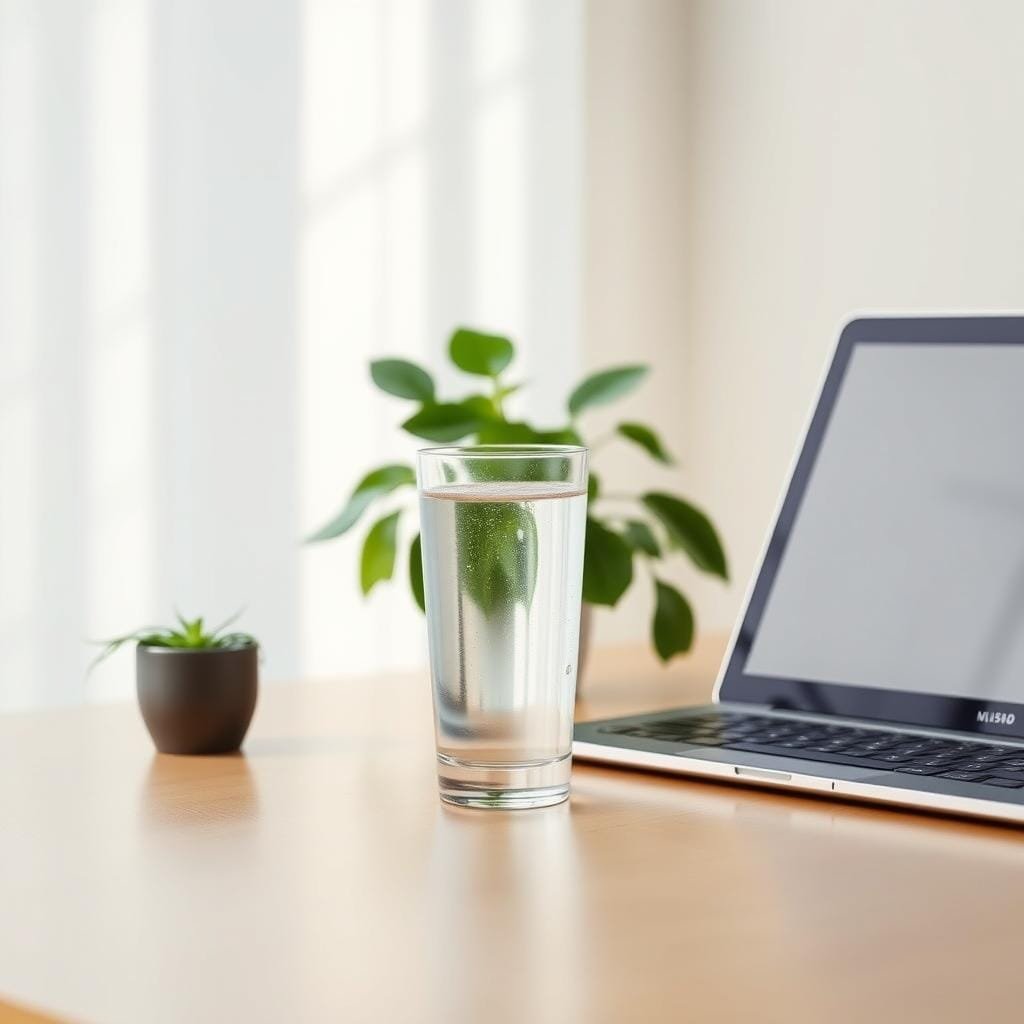
Drinking enough water is key to staying alert. Many turn to caffeine or sugar when tired. But, drinking more water might be the answer. It affects your focus, mood, and energy.
How Dehydration Contributes to Fatigue
Even a small amount of dehydration can make you feel very tired. When you’re not drinking enough, your blood volume goes down. This means your brain gets less oxygen and nutrients.
This affects how well you think and feel. The dehydration-fatigue cycle works in several ways: Your heart works harder, using more energy. Your brain also shrinks, causing headaches and trouble focusing. Plus, your body has to work harder to stay cool.
Optimal Fluid Intake Throughout the Day
Your water needs are not the same as everyone else’s. Things like your weight, how active you are, and where you live affect how much water you need.
A better way to drink water is to:
– Drink when you’re thirsty
– Check your urine color (it should be pale yellow)
– Drink 0.5-1 ounce of water for every pound of your body weight
– Drink more when you’re exercising, it’s hot, or you’re sick
Drinking water first thing in the morning can help boost your energy and metabolism.
Beyond Water: Other Hydrating Options
While water is best, other foods and drinks can also help you stay hydrated. They can add to your daily water intake.
| Hydration Source | Water Content | Energy Impact | Best Time to Consume |
|---|---|---|---|
| Cucumber | 96% | Mild, sustained | Anytime, special afternoon |
| Herbal Tea | 99% | Moderate, calming | Morning or evening |
| Watermelon | 92% | Quick, refreshing | Mid-day snack |
| Coconut Water | 95% | Strong, with electrolytes | Post-exercise recovery |
| Infused Water | 100% | Gentle, sustained | Throughout the day |
Some people think coffee and tea are bad for hydration. But, they can actually help. The water in them can help more than the caffeine.
Physical Movement as an Energy Booster
Moving around during the day can really help you feel more awake. When you’re tired, your body can wake itself up with a little bit of exercise. Unlike coffee or sweets, working out gives you energy that lasts.
Quick Exercises You Can Do at Your Desk
You don’t need a gym or a lot of time to get moving. Short breaks can make a big difference. Try these easy desk exercises that only take a minute or two:
- Seated marches: Lift your knees alternately while sitting for 30 seconds
- Desk push-ups: Place hands on desk edge and do 10-15 standing push-ups
- Standing squats: Do 10 squats beside your desk to activate large muscle groups
- Overhead stretches: Reach toward the ceiling, then bend side to side
- Shoulder rolls: Roll shoulders backward and forward to release tension
The Science of Exercise and Alertness
Physical activity alertness is based on solid biological principles. When you move, your blood flows better. This brings more oxygen to your brain and muscles.
Exercise also makes your body release special hormones that wake you up. Plus, movement breaks make you feel happier and less tired.
Studies show that short workouts help keep your body clock in check. This makes exercise for energy a top choice.
Creating an Activity Schedule for Maximum Energy
Timing your workouts right can make them even more effective. Take 5-10 minute movement breaks when you feel tired. These can keep you feeling awake for hours.
If you sit a lot, try these tips to move more:
- Set hourly reminders to stand and stretch
- Suggest walking meetings instead of sitting in conference rooms
- Take the stairs instead of elevators when possible
- Park farther from entrances to add steps to your day
- Use a fitness tracker to monitor and encourage movement goals
Different kinds of exercise give you energy in different ways. Fast walks make you feel awake right away. Strength exercises and stretching keep you energized all day. The most important thing is to keep moving regularly.
Strategic Power Napping for Renewed Energy
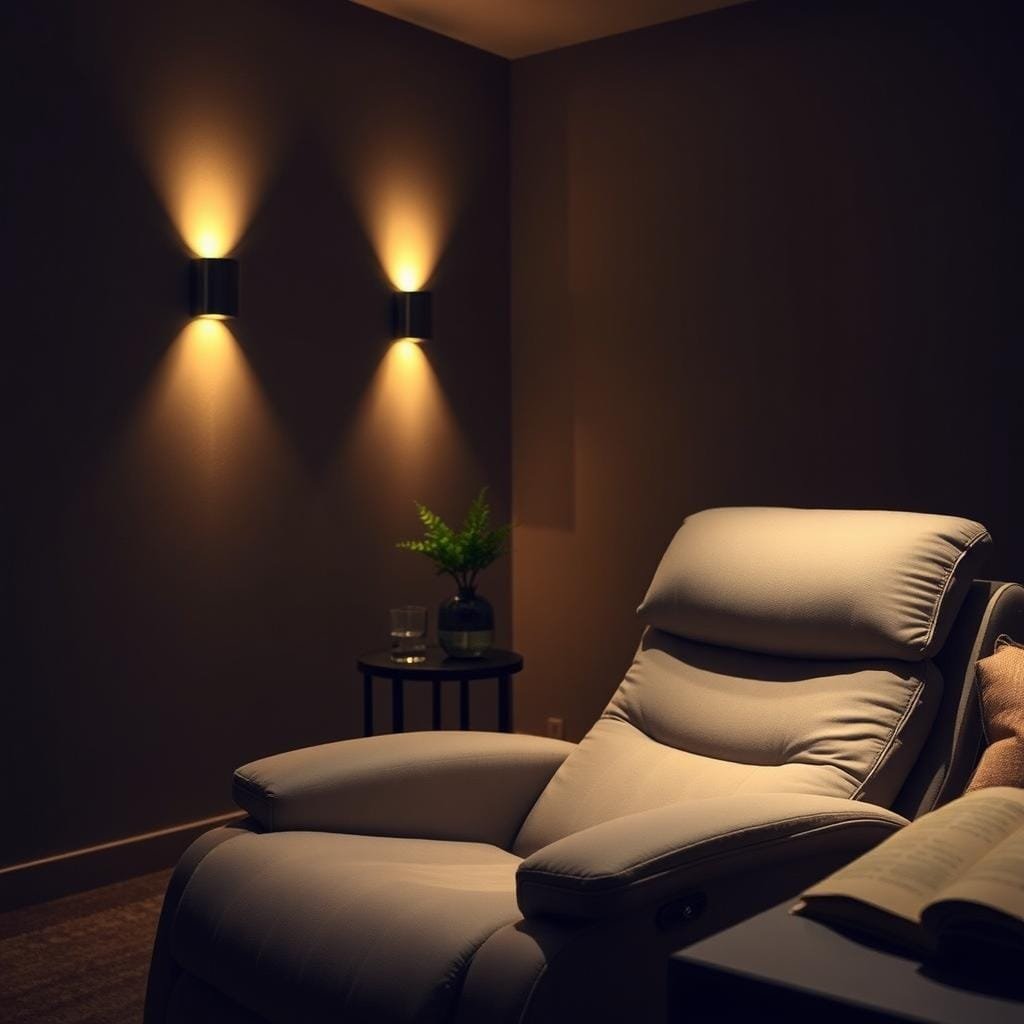
Learning to nap smart can boost your energy and brain power. It’s better than coffee or trying hard to stay awake. Strategic naps make you more alert, creative, and happy when done right.
The Ideal Nap Duration for Different Situations
Not all naps are the same. The right nap length depends on what you need:
- 10-20 minute power naps wake you up fast without feeling tired, great for a quick break
- 30-minute naps help with creativity and feeling, good for solving problems
- 90-minute naps let you sleep a full cycle, giving deeper benefits but take more time
Most people find a 10-20 minute nap best for a quick energy boost without messing up their night sleep.
Creating the Perfect Napping Environment
Your nap spot is key for good sleep. Even in places like offices, you can make it better. Use an eye mask or find a dark spot to block light. Use earplugs or apps for quiet.
It’s also important to keep the room cool, around 65-68°F, for faster sleep. Have a light blanket ready as your body cools down.
How to Avoid Post-Nap Grogginess
That sleepy feeling after waking up can ruin your nap. Here’s how to avoid it:
- Choose short naps (less than 30 minutes) to avoid deep sleep
- Drink caffeine before a 20-minute nap for a wake-up boost
- Use soft alarms that get louder
- Get outside into bright light right after waking
Remember, napping should add to, not replace, your nighttime sleep. Used right, napping is a great way to keep your energy up.
Environmental Adjustments to Promote Wakefulness
Making changes to your space can really help you stay awake and focused. Your environment tells your brain if it’s time to wake up or relax. By changing these signals, you can make a space that helps you stay alert without caffeine or willpower.
Lighting Strategies That Signal Alertness to Your Brain
Light affects your brain’s sleep hormone, melatonin. Bright, blue light like daylight keeps you alert. Studies show bright light boosts brain work.
Put your desk by a window for natural light. If that’s not possible, use LED lights that mimic sunlight. Many people like desk lamps with color controls to adjust their light.
Temperature Settings That Keep You Awake
The best temperature for staying awake is 65-68°F (18-20°C). Cooler air stops your body temperature from dropping, which makes you sleepy. If it’s too hot, try using a fan or lowering the thermostat.
If you can’t change the room’s temperature, wear layers. This way, you can adjust your clothes as needed to stay alert.
Sound and Music: Finding the Right Auditory Environment
The sounds around you affect how awake you feel. Some like quiet, but others find certain sounds help them stay alert.
White noise can block out distractions. Binaural beats can make your brain more alert. Music with 60-80 beats per minute can also energize you without being too loud.
Scents and Aromatherapy for Enhanced Alertness
Certain smells can wake up your brain. Aromatherapy for energy is backed by science. The best scents include:
| Aroma | Effect on Alertness | Best Application Method | Duration of Effect |
|---|---|---|---|
| Peppermint | Increases alertness and memory | Essential oil diffuser | 2-3 hours |
| Rosemary | Improves cognitive performance | Personal inhaler | 1-2 hours |
| Citrus (lemon/orange) | Boosts mood and energy | Room spray | 30-60 minutes |
| Eucalyptus | Clears mind and stimulates senses | Steam inhalation | 1-2 hours |
For places where you can’t use strong smells, try personal aromatherapy pens or scented lotions. Even a little bit of these smells can wake you up when you start to feel tired.
Psychological Techniques to Combat Mental Fatigue
Staying awake is not just about the body. Using your mind can help a lot. When you’re tired but your body is awake, these tricks are key. They help your brain stay sharp even when you’re tired.
Mindfulness and Meditation for Renewed Focus
Short mindfulness exercises can refresh your mind when you’re tired. These focus techniques work fast.
The 4-7-8 breathing method is quick and easy. Breathe in for 4 seconds, hold for 7, then breathe out for 8. It helps calm your mind and fight fatigue.
Body scan meditations help too. They focus on your body, finding places of tension. Just one minute can make you feel more alert.
- Micro-meditation sessions (1-3 minutes) can be seamlessly integrated into work breaks
- Simple attention exercises like counting breaths
- Brief guided visualizations of energizing scenes
Task Variation and Brain Breaks
Your brain gets tired if you do the same thing for too long. Switching tasks helps avoid this.
Try the Pomodoro Technique. Work for 25 minutes, then take a 5-minute break. This keeps your mind fresh.
Looking away from screens helps prevent eye strain. Use the 20-20-20 rule: every 20 minutes, look at something 20 feet away for 20 seconds. It’s a quick way to refresh your eyes.
Social Interaction as an Energy Booster
Talking to others wakes up your brain. Even short chats can make you feel more awake.
Introverts can also benefit from quick chats. A five-minute talk or video call can wake you up.
Talking releases happy chemicals in your brain. This is why you often feel more alert when you’re talking.
Motivation Techniques That Keep You Going
Make plans for when you feel tired. Say, “If I feel sleepy, then I’ll stand up and stretch for 30 seconds.”
Pair boring tasks with fun activities. Listen to your favorite podcast while doing paperwork. It makes the task more enjoyable.
Chewing gum can also help. It makes you more alert and quick to react. It’s a simple way to stay focused.
Link your tasks to big goals. Seeing how your work helps you achieve something important keeps you motivated. It fights off mental tiredness.
Technology and Tools for Maintaining Alertness
Today, we have more than just coffee to stay awake. There are many new tech tools made just for this. These include apps and gadgets that help you stay alert when you need to.
Apps That Monitor and Improve Your Energy Levels
Many alertness apps track your energy levels all day. Apps like Sleep Cycle and Rise Science check your sleep and body clock. They give tips on when you should be most alert.
Other apps send reminders to move or do quick breathing exercises. These can make you feel more awake right away. Some even have games to keep your brain sharp and fight tiredness.
Gadgets Designed to Keep You Awake
Wearable wakefulness technology has really improved. Light therapy devices, like small blue light lamps, help wake you up. Wearables that check if you’re falling asleep can vibrate to wake you up. These are great for drivers and people working at night.
Digital Tools for Better Sleep-Wake Cycles
Smart homes can change lights and temperature to help you stay alert. Sleep tracking tech shows how well you sleep. This helps you fix sleep issues that make you tired during the day.
Apps that change screen light to match your body clock help keep your energy up. This keeps your natural wake-up and sleep times in check.
Screen Use Strategies That Won’t Drain Your Energy
Even though screens can make you tired, they can also help you stay awake. Devices give off blue light that keeps you alert. Using interactive devices like tablets can be better than just sitting there.
To avoid eye strain, look away from screens every 20 minutes. Use blue light wisely to stay awake, but not before bed.
| Technology Type | Best For | How It Works | Example Products |
|---|---|---|---|
| Alertness Apps | Energy tracking and optimization | Monitors patterns and provides alerts | Sleep Cycle, Rise Science, Focus@Will |
| Light Therapy Devices | Morning alertness, shift workers | Emits specific light wavelengths | Philips GoLite, Luminette Light Therapy Glasses |
| Drowsiness Detectors | Driving, monotonous tasks | Monitors eye movements and head position | Stopsleep, Vigo Alert Headset |
| Screen Management Tools | Reducing digital eye strain | Adjusts color temperature and brightness | f.lux, Night Shift, Twilight |
When to Seek Help for Persistent Fatigue Issues
Feeling tired sometimes is okay. But if you’re always tired, it might mean something’s wrong. If you’ve tried to feel better and it didn’t work, see a doctor.
Look out for these signs that mean you need a doctor:
• Feeling very tired that doesn’t get better with sleep
• Feeling weak and having other symptoms like weight changes, pain, or mood swings
• Feeling very tired without a reason
• Feeling sleepy during the day even after sleeping well at night
Many health problems can make you feel tired all the time. Sleep issues like sleep apnea, insomnia, and narcolepsy can make you feel weak. Other problems include thyroid issues, anemia, depression, and chronic fatigue syndrome.
When you see your doctor, write down your sleep, energy, and any other symptoms. This helps your doctor figure out what to do next.
Not getting enough sleep is very dangerous. The National Highway Traffic Safety Administration says drowsy driving causes many accidents. Not sleeping enough can also weaken your immune system and hurt your brain.
Getting help from a doctor might mean sleep tests, blood work, or seeing a specialist. With the right help, many people can feel better and live a happier life.
FAQ
How can I stay awake when I feel suddenly drowsy?
Splash cold water on your face to wake up. Do deep breathing exercises. Or step outside for fresh air and light.
These actions boost your circulation and oxygen intake. Standing up and doing jumping jacks or stretches can also help. They improve blood flow to your brain.
What foods should I eat to maintain energy throughout the day?
Eat foods rich in B vitamins, iron, magnesium, and complex carbs. Spinach, kale, whole grains, nuts, seeds, and lean proteins are good choices.
Stay away from high-sugar snacks. They can make you feel tired. Instead, choose snacks with protein, healthy fats, and complex carbs like apple with almond butter or Greek yogurt with berries.
How does hydration affect my alertness levels?
Even a little dehydration can make you tired. It reduces blood volume and oxygen to your brain. Drink water all day, not just when you’re thirsty.
Check your urine color. If it’s pale yellow, you’re well-hydrated.
What’s the ideal nap duration for boosting energy without feeling groggy?
A 10-20 minute nap is best. It refreshes you without making you feel tired afterwards. For creativity, try a 30-minute nap.
If you have time, a 90-minute nap is great. It completes a sleep cycle and boosts your brain. But avoid waking up during deep sleep to avoid feeling groggy.
Can exercise really help when I’m already feeling tired?
Yes, exercise is a great energy booster. It increases blood flow and oxygen to your brain and muscles. It also releases energizing hormones.
Even short exercises can make you feel alert for hours. Try desk exercises like seated marches or stretches when you’re tired.
How does light exposure affect my energy levels?
Blue light makes you feel awake. It signals to your brain that it’s time to be alert. Bright, natural light or full-spectrum LED lighting helps keep you awake.
Dim lighting makes you feel sleepy. Using light wisely can help manage your energy all day.
What temperature settings are best for staying alert?
Keep your environment cool, around 65-68°F. This helps you stay alert by preventing a drop in body temperature. If you can’t change the temperature, adjust your clothes or use a fan.
Avoid warm environments. They make you feel sleepy.
How can I use aromatherapy to stay more alert?
Certain scents can wake you up. Peppermint, rosemary, eucalyptus, and citrus scents are good. Use essential oil diffusers or scented products discreetly.
Even a brief sniff can make you feel more alert.
What psychological techniques can help me stay focused when I’m mentally fatigued?
Try the 4-7-8 breathing method or short meditation sessions. They help reset your focus. Switch tasks to avoid mental fatigue.
Brief social interactions can also wake up your brain. Connect your tasks to long-term goals to stay motivated.
How should I structure my workday to maintain optimal energy levels?
Do hard tasks when you’re most alert, usually in the morning. Use the Pomodoro technique for focused work and breaks. Move every 60-90 minutes.
Plan easier tasks for when you’re tired. Stay hydrated and eat small, balanced meals to avoid energy crashes.
Are there any apps or technologies that can help me stay alert?
Yes, there are apps and devices to help. Apps like Pzizz and Brain.fm offer sounds to improve focus. Light therapy devices like Luminette glasses help regulate your sleep cycle.
Wearables like Dreem track your fatigue. Follow the 20-20-20 rule for screen use and adjust blue light settings.
How does caffeine affect alertness and when should I consume it?
Caffeine blocks tiredness by blocking adenosine receptors. Drink it strategically, not habitually. The best time is mid-morning or early afternoon.
Limit caffeine to 400mg daily (about 4 cups of coffee). Avoid it 8-10 hours before bedtime to sleep well.
When should I be concerned about persistent fatigue?
See a doctor if fatigue lasts despite good sleep and energy management. If you’re very tired during the day, or if your energy changes suddenly.
If fatigue is with other symptoms like weight changes or pain, get help. It could be a sleep disorder, thyroid issue, anemia, depression, or chronic fatigue syndrome.
Can certain vitamins or supplements help with energy levels?
B vitamins, iron, magnesium, and CoQ10 help make energy. But only take supplements if you’re really deficient. Get nutrients from whole foods first.
If you need supplements, talk to a doctor. Some can interact with medicines or have side effects.
How does stress affect energy levels and what can I do about it?
Stress makes you tired by always being on alert. It raises cortisol levels and can lead to adrenal fatigue. Use deep breathing, muscle relaxation, or meditation to manage stress.
Set boundaries, manage your time, and exercise regularly to fight stress-related fatigue.