

Do you find yourself lying awake at night? You’re not alone. More than 60 million Americans have trouble sleeping. This can make it hard to do everyday things and can harm your health over time.
Melatonin is a tiny but powerful sleep hormone made by your brain. It helps you sleep when it’s dark and wake up when it’s light. When your body makes enough melatonin, you sleep better.
Not getting enough sleep can hurt you in many ways. It makes it hard to learn, can lead to diabetes, and makes you hungry for more food. It can also make you more likely to get depressed, obese, or have heart disease.
Our modern lives can mess with our sleep. Things like bright screens, weird schedules, and stress can stop your body from making enough melatonin. But, you can improve your sleep quality improvement without using supplements.
Key Takeaways
- Melatonin is naturally produced by the pineal gland and regulates sleep-wake cycles
- Over 60 million Americans struggle with sleep quality issues
- Poor sleep increases risks for diabetes, obesity, depression, and heart disease
- Natural methods can boost melatonin production without supplements
- Your body produces more melatonin when exposed to darkness and less with light exposure
- Modern lifestyle factors often disrupt natural melatonin cycles
Understanding Melatonin and Its Role in Sleep
Melatonin helps us sleep better. It’s like a clock inside us. It tells us when it’s time to rest. Instead of taking pills, we can change our lives to sleep better.
What Is Melatonin and How Does It Work?
Melatonin comes from the pineal gland in our brain. It’s not like sleeping pills. It tells our body it’s time to sleep.
When melatonin gets into our blood, it makes us feel sleepy. It doesn’t make us sleep right away. It gets our body ready for sleep.
The Body’s Natural Melatonin Production Cycle
Melatonin production follows a natural pattern. It starts when it gets dark. Our eyes send signals to our brain.
Our brain then tells our pineal gland to make more melatonin. This happens in the evening and night. It helps us stay on a 24-hour cycle.
| Time of Day | Melatonin Level | Body Response | External Factors |
|---|---|---|---|
| Morning | Low | Increased alertness | Sunlight exposure |
| Afternoon | Very low | Peak wakefulness | Continued daylight |
| Evening | Rising | Decreasing alertness | Diminishing light |
| Night | High | Sleep promotion | Darkness |
Common Causes of Melatonin Deficiency
Many things can mess with our melatonin. Blue light from screens is a big one. It makes us think it’s daytime.
Working odd hours or traveling a lot can mess up our sleep. As we get older, we make less melatonin. This is why older people often have trouble sleeping.
Some medicines, drinking alcohol before bed, and stress can also lower melatonin. Knowing what can mess with our sleep helps us make changes to sleep better.
The Science Behind Natural Melatonin Production
The body makes melatonin in a cool way. It involves glands, hormones, and light. This hormone helps us sleep well. Knowing how it works helps us sleep better.
Learn more about melatonin production here.
How the Pineal Gland Produces Melatonin
The pineal gland is in the brain. It makes melatonin. This gland turns serotonin into melatonin.
First, the body uses tryptophan to make 5-HTP. Then, it makes serotonin. When it gets dark, the gland turns serotonin into melatonin.
Being in the sun helps. Sunlight makes serotonin. This is why sun helps us sleep better at night.
The Relationship Between Circadian Rhythm and Melatonin
Our body has a 24-hour clock. It controls when we sleep and wake. Melatonin helps with this clock.
The SCN in our brain gets light from our eyes. It tells the pineal gland to make melatonin.
When it works right, melatonin goes up at night. It goes down in the morning. This helps us sleep well.
Factors That Inhibit Natural Melatonin Production
Many things can mess with our melatonin. Knowing what they are helps us sleep better.
Electronic Devices and Blue Light
Blue light from screens is bad for sleep. A 2019 study showed two hours of blue light at night lowers melatonin.
Blue light makes us think it’s day. This stops the gland from making melatonin. This is why phones before bed are bad.
Stress and Cortisol Levels
Stress affects sleep. Cortisol, the stress hormone, fights melatonin.
When we’re stressed, cortisol stays high. This stops melatonin from working. Relaxing before bed helps.
Warm baths before bed can lower cortisol. This lets melatonin work better.
| Factor | Effect on Melatonin | Mechanism | Practical Implication |
|---|---|---|---|
| Natural Sunlight | Enhances production | Increases serotonin (melatonin precursor) | Get 30+ minutes of morning sunlight daily |
| Blue Light Exposure | Suppresses production | Inhibits pineal gland activation | Avoid screens 2-3 hours before bedtime |
| Chronic Stress | Reduces production | Elevates cortisol, which blocks melatonin | Practice evening relaxation techniques |
| Regular Sleep Schedule | Stabilizes production | Reinforces circadian rhythm | Maintain consistent bedtime and wake times |
Dietary Changes to Boost Melatonin Naturally
Changing what you eat can help your body make more melatonin. This means you can sleep better without taking supplements. Eating foods rich in melatonin helps your body’s sleep cycle.
Melatonin-Rich Foods to Include in Your Diet
Some foods have melatonin in them. They are great for your evening meals. These foods give you melatonin directly.
Tart Cherries and Cherry Juice
Tart cherries are full of melatonin. Drinking 8 ounces of tart cherry juice twice a day can help you sleep better. It makes your sleep longer and better.
Drink tart cherry juice an hour before bed. But watch out for sugar. Choose low-sugar options if you can.
Nuts like pistachios and almonds have a lot of melatonin. Walnuts have less melatonin but are good for sleep because of omega-3 fatty acids.
Eating a small handful of nuts before bed is good. They give you melatonin and nutrients like magnesium and healthy fats.
Tryptophan-Rich Foods That Support Melatonin Production
Tryptophan is key for making melatonin. It turns into serotonin and then melatonin through chemical steps.
Turkey, Chicken, and Fish
Feeling sleepy after Thanksgiving dinner? It’s because turkey has a lot of tryptophan. Chicken and fatty fish like salmon and sardines also help. They have tryptophan and omega-3 fatty acids for sleep.
Eat a moderate amount of these proteins for dinner. It helps your body make melatonin.
Dairy Products and Eggs
Warm milk before bed is good for a reason. It has tryptophan and a little melatonin. Eggs, mainly egg whites, have a lot of tryptophan for melatonin.
Try a small yogurt with honey or warm milk before bed. It’s a good snack.
Vitamins and Minerals That Enhance Melatonin Synthesis
Some nutrients for sleep help make melatonin. They are important for the process.
Magnesium and Zinc
Magnesium helps make melatonin and relaxes muscles. You can find it in leafy greens, pumpkin seeds, and whole grains. Zinc, found in oysters, beef, and pumpkin seeds, helps turn tryptophan into melatonin.
B Vitamins and Vitamin D
B vitamins, like B6, help turn tryptophan into serotonin. You can find them in bananas, chickpeas, and potatoes. Vitamin D, from sunlight and fatty fish, helps make melatonin.
For the best sleep, eat foods that have these nutrients. Try salmon with greens and whole grains for dinner. Then, have a small tart cherry juice or almonds before bed. This mix gives you tryptophan and nutrients for sleep.
Optimizing Your Light Exposure for Better Melatonin Production
It’s important to control the light you get during the day. Your body needs light and dark to make melatonin. By changing your environment, you can help your body make more melatonin.
The Impact of Blue Light on Melatonin Suppression
Blue light is bad for melatonin. It’s in devices like phones and computers. Studies show it can delay melatonin by up to three hours.
A 2019 study found blue light at night can cut melatonin by 50%. This makes it hard to sleep well.
Creating a Darkness-Friendly Evening Environment
Make your home dark at night to sleep better. Try to get less light as it gets dark. This helps your body get ready for sleep.
Blackout Curtains and Low Lighting Options
Even a little light from windows can mess with melatonin. Blackout curtains help keep it dark. Use dim, warm lights in the evening.
If you wake up, use a small flashlight. It’s better than bright lights.
Blue Light Blocking Glasses and Screen Filters
Use blue light blocking glasses or tools if you can’t stop screen time. Amber glasses block a lot of blue light. Devices have settings to reduce blue light too.
Start using these tools 2-3 hours before bed. It helps your body make more melatonin.
Morning Sunlight Exposure to Regulate Melatonin Cycles
Morning sunlight is key for melatonin. It helps your body know when to stop making melatonin. Get 15-30 minutes of sunlight in the morning.
This helps your body make melatonin at night. Morning sunlight and melatonin work together. They make it easier to sleep and wake up.
Natural Ways to Increase Melatonin Through Daily Habits
Adding certain daily habits can really help your body make more melatonin. Sleep problems happen sometimes, but regular routines can help keep your sleep good.
Establishing a Consistent Sleep Schedule
Your body likes regular times for sleep. Going to bed and waking up at the same times every day helps your body keep time with the sun.
Sleep schedule consistency is key. Irregular sleep times can mess up your melatonin for up to four days. This is why jet lag and work shift changes can make you tired for days.
Evening Routines That Signal Melatonin Release
What you do before bed affects how well you sleep. A set evening routine tells your brain it’s time to make melatonin.
The Ideal Bedtime Routine Timeline
A good bedtime routine has a clear plan:
- 3 hours before bed: Stop eating big meals
- 2 hours before bed: Finish work tasks
- 1 hour before bed: Turn off lights and devices
- 30 minutes before bed: Start relaxing
Relaxing Activities That Promote Melatonin
Some evening activities help make more melatonin:
- Warm baths help your body make melatonin
- Gentle stretching or yoga
- Reading physical books, not e-readers
- Listening to calm music or nature sounds
Physical Activities That Promote Healthy Melatonin Levels
Exercise helps you sleep better and makes more melatonin. But, when and what you exercise matters a lot.
Timing Your Exercise for Optimal Melatonin Production
Working out in the morning or afternoon helps your melatonin at night. Exercise makes you feel awake because it raises your body temperature.
So, do hard exercise for sleep benefits 2 hours before bed. This lets your body cool down and feel ready for sleep.
Types of Exercise That Support Sleep Quality
Exercise affects melatonin in different ways:
- High-intensity workouts: Best in the morning or early afternoon
- Moderate aerobic exercise: Improves deep sleep quality
- Gentle movement (walking, yoga, tai chi): Good even in the evening
Being regular with exercise helps your body’s clock. This makes melatonin production better and more regular over time.
Stress Reduction Techniques for Enhanced Melatonin Production

Reducing stress is a great way to boost melatonin. Feeling calm before bed helps your brain make melatonin. This makes you sleep better and feel more refreshed.
How Stress Hormones Interfere With Melatonin
Stress and sleep are closely linked. Stress makes your body produce cortisol, the “stress hormone.” High cortisol levels lower melatonin, making sleep hard.
Stressful days often mean bad sleep nights. Cortisol keeps going up at night. This stops melatonin from rising when it should.
Meditation and Mindfulness Practices
Meditation and mindfulness boost melatonin. They calm your nervous system. This helps your body relax and sleep better.
Guided Sleep Meditations
Guided sleep meditations calm your mind before bed. They help you relax and make melatonin.
Apps like Insight Timer, Calm, and Headspace offer great meditations. Just 10-15 minutes can improve your sleep a lot.
Body Scan Techniques
The body scan relaxes your body and mind. It helps release tension that stops melatonin.
To do a body scan, lie down and focus on each part of your body. Start at your toes and go up. Let go of any tension as you breathe. It takes 10-20 minutes and is great before bed.
Breathing Exercises for Pre-Sleep Relaxation
Special breathing can calm your nervous system. This helps your body make more melatonin.
4-7-8 Breathing Method
The 4-7-8 method relaxes your nervous system. Breathe in for 4 counts, hold for 7, and out for 8. It lowers cortisol and raises melatonin.
Do this 2-3 times a day, with 4 cycles each time. Many find it helps them sleep better.
Progressive Muscle Relaxation
This method relaxes your muscles. Tense and then release each muscle group. It tells your brain it’s time to relax.
A warm bath before bed also relaxes your muscles. It lowers cortisol and helps melatonin rise.
| Stress Reduction Technique | Time Required | Difficulty Level | Melatonin Impact |
|---|---|---|---|
| Guided Sleep Meditation | 10-20 minutes | Beginner | Moderate to High |
| Body Scan | 10-20 minutes | Beginner | Moderate |
| 4-7-8 Breathing | 5 minutes | Beginner | Moderate |
| Progressive Muscle Relaxation | 15 minutes | Beginner | High |
| Warm Bath | 20-30 minutes | Easy | High |
Creating the Optimal Sleep Environment for Melatonin Release
Creating a cozy sleep space helps your body make more melatonin. Your bedroom tells your brain it’s time to sleep. By making a few changes, you can help your body sleep better.
Temperature Regulation for Better Melatonin Production
Your body gets cooler when you sleep, which helps make melatonin. A cooler bedroom helps with this.
The best bedroom temperature for melatonin is 65-68°F (18-20°C). If it’s too hot or cold, it can mess with your sleep.
Here are some ways to keep your bedroom cool:
- Use a thermostat to cool your room at night
- Try a cooling mattress topper in summer
- Choose breathable bedding like cotton or bamboo
- Wear light, loose sleepwear
- Use a fan to keep air moving
Sound Management Strategies
Even small sounds can wake you up and stop melatonin. Your brain stays alert for threats while you sleep.
Good sound management makes your brain feel safe. This helps your body make more melatonin. Here are some tips:
- Use white noise machines
- Try pink or brown noise
- Air purifiers or fans can be soothing
- Earplugs can block out loud noises
- Soundproofing can also help
What works best for you depends on your preferences and where you live. Some like silence, while others prefer background noise.
Bedroom Setup for Maximum Melatonin Efficiency
More than just temperature and sound matters. A dedicated sleep space tells your brain it’s time to rest.
Mattress and Bedding Considerations
Being uncomfortable can raise stress hormones, which hurt melatonin. Your mattress and bedding should be comfy and keep you cool.
Look for a mattress and pillows that support you right. Choose breathable bedding for the season. The right stuff varies by person, but the goal is the same: avoid discomfort that raises stress and hurts melatonin production.
Removing Sleep Disruptors
Some things in your bedroom can mess with melatonin. Getting rid of these can make you sleep better.
The biggest sleep disruptors are:
- Electronic devices – Blue light from screens stops melatonin. Remove TVs, computers, and phones from your room, or use night mode.
- Light sources – Even a little light can hurt melatonin. Use blackout curtains and keep night lights amber or red.
- Visible clocks – Watching the clock can make you anxious. Turn clock faces away.
- Pets – Pets can wake you up with movement or noise. Think if they help or hurt your sleep.
- Partner disturbances – Different sleep times or snoring can mess with melatonin. Try separate blankets or earplugs, or separate beds.
By making your sleep space just right, you help your body make melatonin. This simple change can make a big difference in your sleep and health.
Herbal Remedies and Natural Supplements That Support Melatonin
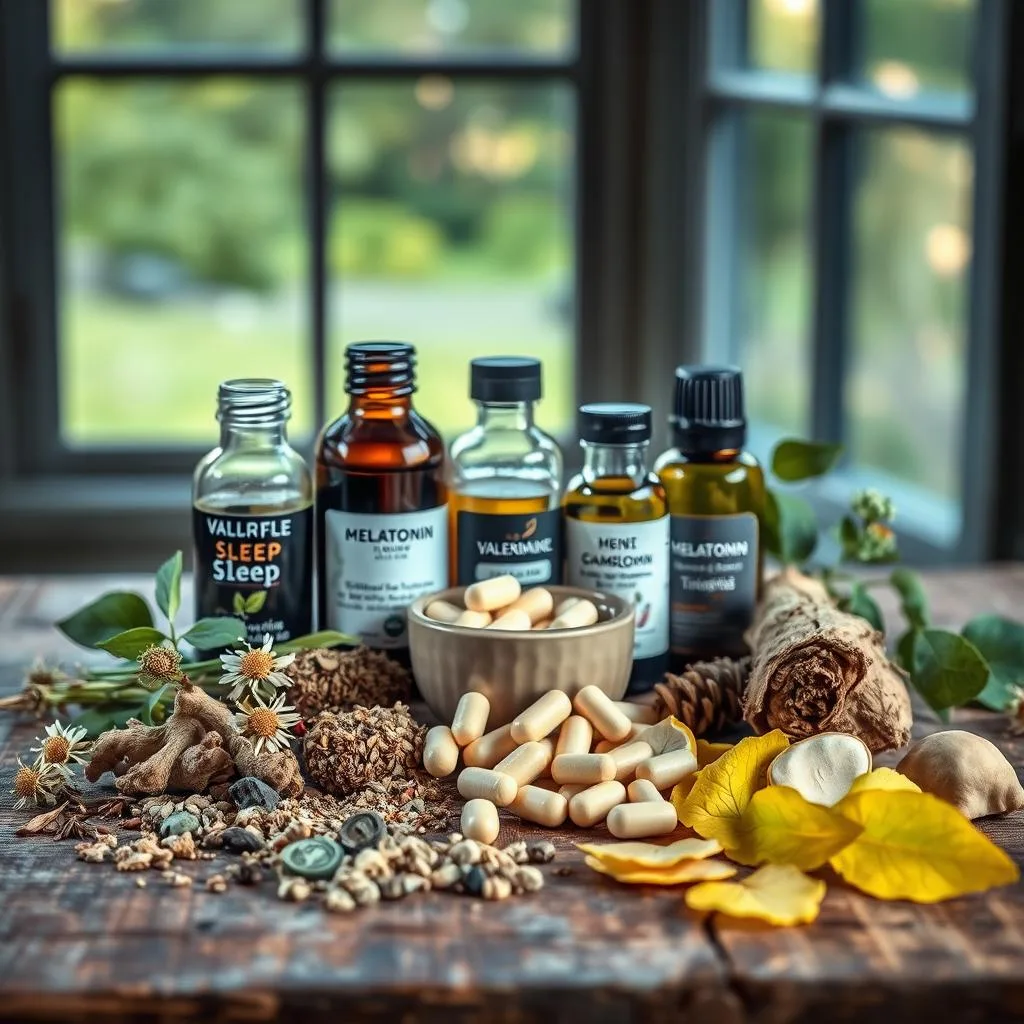
Herbs and natural supplements can help your body make more melatonin. For a long time, people have used plants to help them sleep. Now, science backs up how well these natural methods work.
Herbs That Naturally Enhance Melatonin Production
Some herbs help your body sleep better. They do this by making more melatonin or helping it get released.
Valerian Root and Chamomile
Valerian root helps your brain make GABA. This makes it easier to fall asleep and sleep well. It doesn’t make you feel groggy in the morning.
Chamomile has a special part called apigenin. It relaxes you and helps your body make more melatonin. Drinking chamomile tea before bed can help you sleep.
Ashwagandha and Lemon Balm
Ashwagandha helps your body deal with stress. It lowers stress hormones that can stop you from sleeping well. This lets your body make more melatonin.
Lemon balm has things that calm your brain. It helps your mind relax so your body can make more melatonin.
Essential Oils for Sleep and Melatonin Support
Some essential oils can help your body make more melatonin. You can smell them or put them on your skin.
Lavender and Bergamot
Lavender oil has special parts that calm you down. Studies show it helps you sleep better. It makes you sleep more deeply.
Bergamot oil helps lower stress hormones. This lets your body make more melatonin without stress getting in the way.
Application Methods for Maximum Benefit
Using essential oils right before bed is best. This lets their effects start as you get ready for sleep.
You can put oils on your skin or breathe them in. This keeps you calm all night long.
Natural Teas That Promote Melatonin Release
Herbal teas are a great way to help your body sleep. They signal to your body that it’s time to relax. Certain teas have special parts that help you sleep.
Teas like passionflower and magnolia bark are good for sleep. They work like sleep medicines but are safer.
| Herbal Remedy | Active Compounds | Effect on Melatonin | Recommended Timing | Form |
|---|---|---|---|---|
| Valerian Root | Valerenic acid | Increases GABA, creating conditions for melatonin release | 30-60 minutes before bed | Tea, tincture, capsules |
| Chamomile | Apigenin | Binds to benzodiazepine receptors, promotes relaxation | 1 hour before bedtime | Tea, essential oil |
| Ashwagandha | Withanolides | Reduces cortisol that interferes with melatonin | Evening or twice daily | Powder, capsules |
| Lavender | Linalool, linalyl acetate | Calms nervous system, allows natural melatonin rise | 30 minutes before sleep | Essential oil, tea |
Using these herbal remedies every day is best. Mixing them, like drinking chamomile tea and using lavender oil, can help even more.
Technology and Lifestyle Adjustments for Melatonin Optimization
Modern tech and odd work hours can mess with melatonin. But, making smart changes can help. Our devices, work, and lifestyle affect melatonin. Finding balance in a digital world is key.
Digital Detox Strategies Before Bedtime
Devices like phones and laptops give off blue light. This light can stop melatonin production. A 2019 study showed two hours of blue light at night cuts down melatonin.
Scrolling on social media or watching exciting shows keeps your brain awake. This makes devices bad for sleep.
Setting Up Device Curfews
Setting tech limits is vital for protecting your melatonin cycle. Turn off devices two hours before bed. This lets your brain make melatonin.
Here are ways to stick to your device curfew:
- Charge devices outside your bedroom
- Use apps like Freedom or AppBlock
- Enable Do Not Disturb mode
- Switch to grayscale in the evening
Alternatives to Screen Time
Doing things without screens helps relax and makes melatonin. Instead of phones, try these:
- Read books or magazines
- Journal to clear your mind
- Talk to family or roommates
- Do puzzles or crafts
- Listen to calming music or podcasts
Apps and Tools That Support Healthy Melatonin Cycles
Not all tech is bad for sleep. Melatonin technology helps sleep by working with your body.
Apps like f.lux change screen colors to warm. This helps if you use devices at night. It keeps melatonin production going.
Sleep tracking tools help without disturbing sleep. Look for ones that don’t need your phone nearby.
Special lighting, like sunrise alarm clocks, wake you gently. They help your body’s clock, even in winter.
Work Schedule Adjustments for Shift Workers
Shift workers face special challenges. Their work hours mess with their body’s natural rhythm. They need smart ways to keep sleep quality good.
Managing Light Exposure During Irregular Hours
Light control is key when working odd hours. Bright light at night keeps you awake but hurts melatonin later.
Here are shift work sleep solutions:
- Wear blue-blocking glasses at night
- Use blackout curtains and eye masks
- Dim lights before sleep
- Use flashlights instead of overhead lights
Strategic Napping for Melatonin Regulation
Naps can help if nighttime sleep is tough. The trick is knowing when and how long to nap.
A short nap before work can boost alertness. A nap during your break, like between 2-4 AM, helps too.
Make a napping spot cool, dark, and quiet. Use relaxation techniques before napping. This tells your body it’s time to rest, even if it’s not bedtime.
By managing tech and adjusting your space, you can improve sleep. These steps don’t mean giving up tech. They mean using it wisely to support your body’s natural rhythms.
Your 7-Day Plan to Naturally Boost Melatonin and Transform Your Sleep
Are you ready to start? This 7-day melatonin boosting plan helps you make small changes for big results. Over 60 million Americans have trouble sleeping. This can lead to depression, diabetes, and heart disease. But, you can change this.
Day 1: Get some morning sunlight for 15-30 minutes. Then, use screen filters or amber glasses at night.
Day 2: Eat foods rich in melatonin like tart cherries, walnuts, and tomatoes. Also, have eggs or turkey for dinner.
Day 3: Make your bedroom sleep-friendly. Remove all electronics and block out light. Keep the room cool, between 65-68°F.
Day 4: Stick to a sleep schedule every day, even on weekends. Start a 20-minute bedtime routine to signal sleep time.
Day 5: Do a 5-minute breathing exercise before bed. Breathe in for 4 counts, hold for 7, then breathe out for 8.
Day 6: Exercise in the morning or early afternoon. Avoid hard workouts close to bedtime.
Day 7: Mix all the steps together. Also, drink a cup of chamomile or valerian root tea 30 minutes before bed.
This weekly sleep improvement plan helps you build lasting habits. You might see quick results, but it takes 2-3 weeks for full sleep transformation. Keep going, and your body will reward you with better sleep.
FAQ
How long does it take to naturally increase melatonin levels?
Some people see better sleep in a few days. But most need 2-3 weeks of regular effort. Your body adjusts to new habits slowly.
It’s important to keep up with these habits. Doing them every day works better than just sometimes.
Can I increase my melatonin levels through diet alone?
Diet helps, but it’s best with other habits. Eating foods like tart cherries and turkey boosts melatonin. But, you also need good sleep and less stress.
Just eating certain foods isn’t enough. You need a whole plan for better sleep.
Does melatonin directly make you fall asleep?
No, melatonin doesn’t make you sleep right away. It tells your body it’s time to sleep. It helps your body get ready for sleep.
Think of melatonin like a conductor. It helps your body get ready for sleep, not make you sleep.
At what age does natural melatonin production start to decline?
Melatonin starts to go down in our late 20s to early 30s. By 60, many make half as much as they used to. This is why sleep gets harder with age.
But, you can help your body with natural ways. This is important as you get older.
How does blue light from screens affect melatonin production?
Blue light from screens tricks your brain into thinking it’s day. This stops melatonin production. Just 2 hours of blue light at night can cut melatonin by 50%.
So, it’s key to limit screen time before bed. Blue light blocking glasses help too.
Can exercise help increase melatonin levels?
Yes, exercise can boost melatonin, but timing is everything. Morning and afternoon workouts help at night. But, exercise too close to bedtime can make it harder to sleep.
Evening yoga or walking can help release melatonin. It’s all about when you exercise.
Are natural methods as effective as melatonin supplements?
Natural ways can be just as good, if not better, for many. Supplements give a quick boost, but natural methods fix the root problems. They also avoid side effects.
Using natural methods is a better way to help your body make melatonin.
How does stress affect melatonin production?
Stress hurts melatonin production by raising cortisol levels. Cortisol stops melatonin from being made. Stress and sleep are connected.
Reducing stress helps your body make more melatonin. Techniques like meditation help a lot.
What foods contain the highest amounts of natural melatonin?
Tart cherries and tart cherry juice have lots of melatonin. Other foods like pistachios and almonds also help. Eating these foods in the evening supports melatonin.
They help your body make more melatonin naturally.
Can I train my body to produce melatonin at different times?
Yes, you can adjust your body’s melatonin schedule. It’s about light and sleep timing. Consistency is key.
It takes time, but your body can adjust. It’s important for shift workers or when traveling.
Do blackout curtains really make a difference for melatonin production?
Yes, blackout curtains help a lot. Even a little light can stop melatonin production. Sleeping in darkness boosts melatonin by up to 30%.
Blackout curtains and dark rooms help your body make more melatonin.
Which herbs are most effective for supporting natural melatonin production?
Valerian root, ashwagandha, lemon balm, and chamomile help melatonin. They work best with a good sleep plan. These herbs support your body’s natural sleep cycle.
They help you sleep better naturally.
Is it possible to produce too much melatonin naturally?
It’s rare to make too much melatonin naturally. Your body controls it well. Natural methods help your body make the right amount of melatonin.
They’re safer than supplements, which can cause problems.
How does room temperature affect melatonin production?
Room temperature affects melatonin. A cooler room helps your body temperature drop. This signals your brain to make more melatonin.
A warm room makes it hard to make enough melatonin. Keeping your room cool is important for sleep.
Can certain medications interfere with natural melatonin production?
Yes, some medicines can lower melatonin. Beta-blockers, NSAIDs, antidepressants, and caffeine can all affect it. If you’re taking these and can’t sleep, try natural ways too.
But always talk to your doctor before changing your routine.