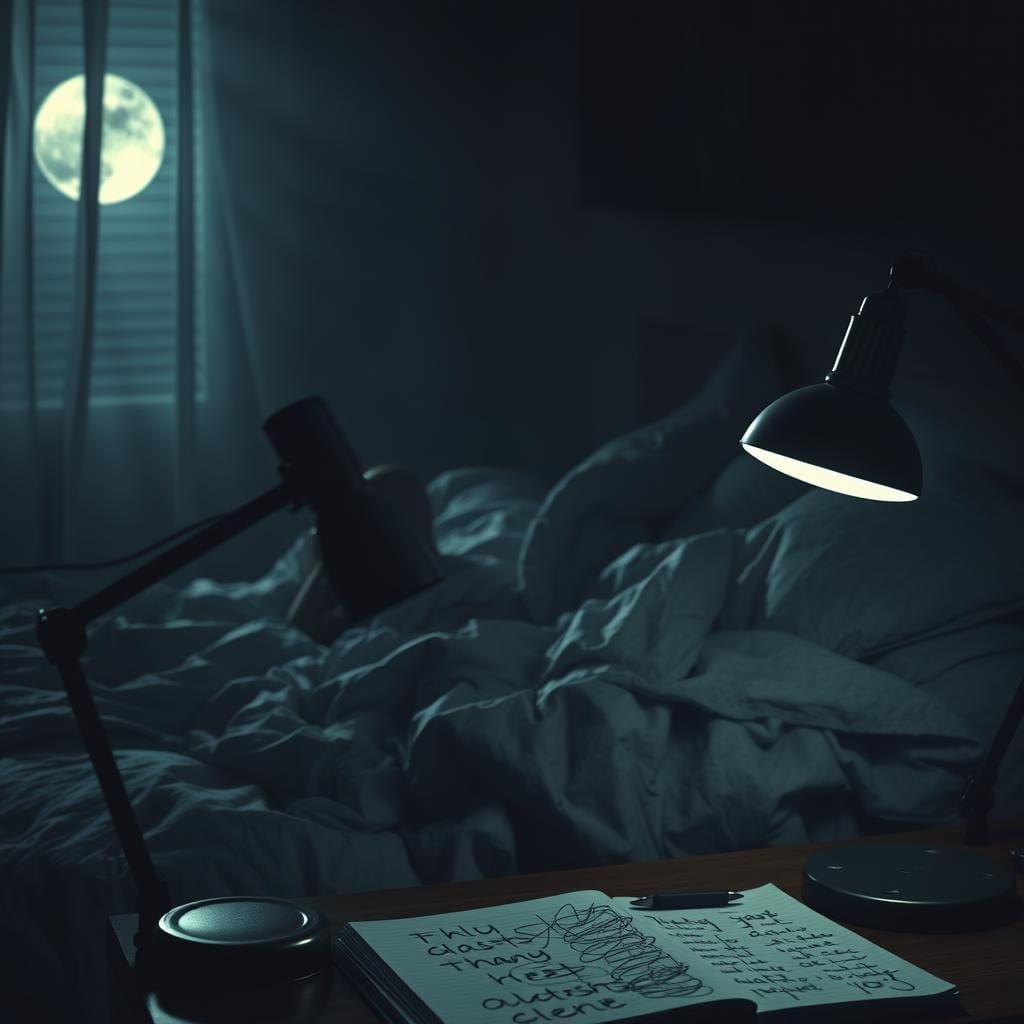
Do you lie awake at night with racing thoughts and a pounding heart? Evening anxiety affects millions in America. It turns quiet hours into a battle of worry and restlessness.
As darkness falls, worries grow. This creates a cycle that hurts both mental health and sleep.
The anxiety at night is different from daytime stress. When distractions fade, our minds focus on worries more. This isn’t just in our heads. Real factors explain why worries feel more overwhelming after sunset.
This guide looks at the reasons behind evening disturbances. We’ll see why some feel more alert at bedtime. You’ll find evidence-based strategies to calm evenings and nights.
Key Takeaways
- Nighttime anxiety affects sleep quality and mental health for millions in America.
- Evening worry patterns have unique causes compared to daytime stress.
- Less distractions at night make worries and symptoms worse.
- Both biology and environment play roles in evening anxiety.
- Solutions based on evidence can help with evening distress and sleep issues.
- Personalized relaxation routines can lessen bedtime worries.
What Happens in Your Brain and Body During Nighttime Anxiety
Nighttime anxiety is different from daytime stress. When it gets dark, your body changes in ways that can make you feel more awake or worried. Knowing how this works helps us understand why anxiety gets worse at night.
At night, your brain’s emotional center, the amygdala, works too hard. It sends out stress hormones like cortisol and adrenaline. This makes your heart beat faster, your breathing shallower, and your muscles tighter, even if there’s no danger.
This anxiety physiology leads to physical symptoms that make it hard to relax. Your blood moves to big muscles, digestion slows, and your senses get sharper. These are survival responses that don’t help when you’re trying to sleep.
Defining Anxiety That Strikes After Dark
Nighttime anxiety is a special kind of anxiety that happens in the evening. It’s different from anxiety that happens during the day. It makes it hard to calm down when you’re trying to sleep.
Signs of nighttime anxiety include worrying about tomorrow, thinking about past talks, or fearing bad things. You might feel restless, have a racing heart, stomach issues, or sweat a lot. It’s a cycle where worrying about not sleeping makes it even harder to sleep.
What makes nighttime anxiety tough is the quiet darkness. Worries seem bigger and more overwhelming than they do during the day.
The Biological Clock and Anxiety Connection
Your body’s biological clock, or circadian rhythm, affects your mood and anxiety. It controls hormone levels, body temperature, and more. This internal clock is key to how you feel.
Studies link disruptions in your circadian rhythm to higher anxiety. Irregular sleep, shift work, or too much screen time messes with your brain’s emotional control. This circadian rhythm anxiety link is why people with odd sleep patterns often feel more anxious.
Melatonin, your sleep hormone, goes up in the evening to help you relax. But stress and anxiety can block melatonin. Cortisol, which should be low at night, stays high in anxious people. This makes it hard to fall asleep.
The Science Behind Nighttime Anxiety
Anxiety often gets worse at night because of how our brains and hormones change. Our bodies have special rhythms that change all day. These changes affect how alert we are and how we feel.
Knowing about these changes can help us understand why we feel more anxious at night.
Neurological Processes in the Evening Hours
When it gets dark, our brains go through big changes. Studies inanxiety neuroscienceshow that our brains start to think more about ourselves and worries at night. This can make us worry more.
The part of our brain that helps us think clearly gets less active at night. This makes it harder to stop thinking about scary things.
Also, our brain makes different chemicals at night. GABA, which helps calm our brain, goes down. This lets our worries get worse.
Hormonal Fluctuations and Their Impact on Anxiety
Our hormones change a lot during the day, affecting our anxiety. Cortisol anxietyis important at night. Cortisol, our stress hormone, is highest in the morning and lowest at night.
When cortisol goes down at night, some people get anxious. Their body might make adrenaline instead, making them feel anxious.
Melatonin anxietyis also key. Melatonin helps us sleep and is more active at night. But, stress or screens can mess with it. If melatonin is off, we can’t sleep well and feel anxious.
| Biological Factor | Daytime State | Nighttime State | Impact on Anxiety |
|---|---|---|---|
| Cortisol | Higher levels | Lower levels | Sudden drops can trigger compensatory anxiety |
| Melatonin | Minimal production | Increased production | Disruptions affect both sleep and anxiety regulation |
| Default Mode Network | Less active | More active | Increases rumination and worry |
| External Stimulation | Abundant | Minimal | Allows internal thoughts to become dominant |
The mix of brain and hormone changes makes anxiety worse at night. Stress hormones like adrenaline can stay high from the day. This makes it hard to relax at night. Knowing this helps us see that nighttime anxiety is real and not just in our heads.
Common Triggers of Nighttime Anxiety
Nighttime anxiety doesn’t just happen out of nowhere. Things around you and your daily life can make it worse. Studies show that about 36% of people with sleep issues also have anxiety.
Those with panic disorder are three times more likely to have sleep problems. This shows how closely anxiety and sleep are linked.
Knowing what triggers your anxiety can help you find ways to deal with it. Let’s look at some common things that can make anxiety worse at night.
Environmental Factors in Your Bedroom
Your bedroom can either help you relax or make you anxious. Too much light from outside or electronic devices can make you feel unsafe. Or, if it’s too dark, it can also make you feel scared.
Temperature that’s not right can also make it hard to sleep. A room that’s too hot or cold can make you anxious. And sudden noises can wake you up and make you feel anxious.
Clutter in your bedroom is another thing that can make you anxious. A messy room can make your mind feel chaotic. Even the layout of your room can make you feel unsafe or exposed.
Psychological Triggers Before Bedtime
The quiet hours at night can make you think about worries more. Without distractions, your mind can get stuck on problems.
Worrying about tomorrow is a big one. Things like meetings, deadlines, or family issues can keep you up. Your mind stays alert when it should be relaxing.
Relationship problems and money worries also get worse at night. Your brain tries to solve problems when it’s quiet. Big questions about life can also come up at this time.
Looking at social media or news before bed can add to your worries. This digital stuff can make your mind busy when it should be calm.
Physical Health Issues That Worsen Evening Anxiety
Some health issues and substances can make anxiety worse at night. Caffeine, even hours before bed, can make you feel anxious. It can make your heart beat faster and keep you awake.
Drinking alcohol might seem to calm you down, but it can disrupt your sleep. It can also make you anxious as your blood sugar changes. Some medicines, like decongestants and asthma treatments, can also make you feel anxious.
Chronic pain can get worse when you’re lying down and have less to distract you. This can turn into emotional distress. Respiratory problems like sleep apnea can wake you up with scary feelings.
Hormonal changes, like those during menstruation or menopause, can make you feel anxious. These changes can be more noticeable at night, making anxiety worse.
How Daily Stress Transforms into Nighttime Anxiety
What starts as normal stress can turn into big anxiety at night. This change happens because of our actions, where we are, and how our body reacts. Knowing how stress turns into night anxiety helps us stop it and have peaceful nights.
Work-Related Stress Carryover
Work and personal life are now mixed, thanks to remote work. Work anxiety doesn’t just go away when you leave work. Worries about work, deadlines, and how you’re doing keep going in your mind.
Many people think about work too much at night. This makes them feel stressed again, just like during the day.
Setting clear boundaries between work and home helps. Try ending your workday with rituals like making a to-do list for tomorrow. Or change your clothes when you get home. A short walk can also tell your brain it’s time to stop working.
Digital Device Usage and Blue Light Effects
Devices add to night anxiety in many ways. The blue light from screens messes with your sleep hormone, melatonin.
Being always connected online causes digital anxiety. It makes you feel like you’re always on, comparing yourself to others. Reading news before bed is bad because it worries you too much.
Experts say turn off devices 60 minutes before bed. If you must use screens, use glasses or filters that block blue light.
Evening Habits That Amplify Anxiety
Some evening routines make anxiety worse. Drinking caffeine after 2 PM keeps you awake. Alcohol might seem relaxing but it messes with your sleep.
Going to bed at different times every night confuses your body. Eating big meals close to bed also keeps your body awake.
| Anxiety-Inducing Habits | Calming Alternatives | Benefits |
|---|---|---|
| Late-night news consumption | Reading fiction or poetry | Redirects mind from real-world worries |
| Evening caffeine or alcohol | Herbal tea or tart cherry juice | Supports natural melatonin production |
| Irregular sleep schedule | Consistent bedtime routine | Trains brain to recognize sleep cues |
| Screen time until bedtime | Gentle stretching or journaling | Releases physical tension and mental worries |
Recognizing the Symptoms of Nighttime Anxiety
Anxiety at night shows itself in many ways. It’s important to know these signs to tackle the problem. Managing nighttime anxiety starts with recognizing symptoms.
Physical Manifestations When Trying to Sleep
Your body talks when anxiety hits at night. These signs can be mild or very scary. They get worse when you try to sleep.
Heart Rate and Breathing Changes
Many feel their heart racing or their breathing change. This can make you feel tight in the chest. These panic symptoms can make anxiety worse.
Muscle Tension and Restlessness
Anxiety makes muscles tense up. This can hurt your jaw, shoulders, and neck. Restless legs make it hard to stay calm and sleep.
Cognitive Symptoms That Keep You Awake
At night, your mind is more open to anxiety. Racing thoughts at night are common. Your brain might worry about the past, future, or make up scary stories.
Thoughts can keep going in circles. This makes it hard to relax and sleep. It’s like having a constant, unwanted conversation in your head.
Behavioral Patterns Associated with Evening Anxiety
Evening anxiety can change how you act at night. You might delay bedtime or stay up late to have time for yourself. This is called “revenge bedtime procrastination.”
Checking things over and over is common. People might check doors, alarms, or look for dangers. They might also have special bedtime routines or ask for reassurance. These actions can make anxiety worse.
The Relationship Between Nighttime Anxiety and Sleep Disorders
It’s important to understand how nighttime anxiety and sleep disorders affect each other. They don’t just happen together; they feed into each other. This creates a big health challenge for many Americans.
About 36% of people with sleep issues also have anxiety. This shows how closely these conditions are linked.
Anxiety and sleep problems can make each other worse. This means treating one condition often doesn’t work. It’s not just feeling worried at night. It’s about specific sleep disorders linked to anxiety.
Insomnia and Anxiety: The Vicious Cycle
Insomnia and anxiety make a bidirectional cycle. Anxiety makes it hard to fall asleep. Then, not sleeping well makes you more anxious the next day.
- Acute insomnia triggered by stressful life events that eventually becomes chronic
- Chronic insomnia that develops alongside persistent anxiety disorders
To break this cycle, you need to tackle both conditions at once. Improving sleep or anxiety can help the other too.
Sleep Apnea and Panic Attacks
Sleep apnea and anxiety, like panic attacks, are often not seen as connected. Sleep apnea makes your body lack oxygen, which can make you feel anxious.
These breathing stops can wake you up with panic-like feelings. People with panic disorder are more likely to have sleep problems.
Many with sleep apnea have panic symptoms at night without knowing why. Finding out about sleep apnea is key to managing anxiety.
Long-Term Health Consequences of Anxiety-Disrupted Sleep
Bad sleep from anxiety can harm your health a lot. It’s not just feeling tired the next day. It can hurt your body and mind.
Long-term risks include:
- Increased risk of depression and mood disorders
- Weak immune system and getting sick easier
- Problems with memory, making decisions, and focusing
- Higher chance of heart problems like high blood pressure
- Changes that can lead to weight gain and diabetes
These health problems can make anxiety worse. This creates a cycle where poor sleep makes anxiety worse, and anxiety makes sleep worse. It also leads to new health issues that can worry you.
Fixing sleep disorders and anxiety needs a full approach. Healthcare is moving towards treating both together for best results.
Lifestyle Changes to Reduce Nighttime Anxiety
Changing your daily habits and environment can help fight anxiety at night. Making small changes to your routines and surroundings can lead to calmer evenings and better sleep. These simple steps can greatly lessen your anxiety without needing a doctor.
Creating a Sleep Sanctuary in Your Bedroom
Your bedroom is key to good sleep and less anxiety. Keep the room cool, between 65-68°F, for better sleep. Use blackout curtains to block out light and amber lights in the evening to help your body make melatonin.
It’s also important to manage noise. White noise machines or earplugs can help block out sounds that make you anxious. Choose soft, breathable bedding that feels good on your skin. Get rid of things that make you stressed, like work stuff and electronics, toreduce stress before bed.
Evening Routine Adjustments for Anxiety Relief
Having a regular evening routine tells your brain it’s time to relax. This helps lowerbedtime routine anxiety. Use these hours to do things that help you relax.
Digital Detox Strategies
Turn off screens at least an hour before bed. The blue light from screens can keep you awake. Use blue light filters and make your bedroom a phone-free zone. Instead, read books or listen to calming music.
Add relaxation practices to your evening. Try progressive muscle relaxation to release tension. Guided imagery can take your mind to peaceful places.
Doing gentle stretches or yoga can help release stress. Taking a warm bath or shower can make you sleepy. Writing in a journal before bed can clear your mind.
Dietary and Exercise Considerations
What you eat and drink affects your anxiety at night. Eat light meals close to bedtime to avoid digestion problems. Avoid caffeine and alcohol in the evening to help you sleep better.
Some foods can help you relax, like those with magnesium and tryptophan. Drinking water all day but not too close to bed helps keep your mood stable.
Exercising regularly can help with anxiety, but do it in the morning or early afternoon. Even a short walk or some yoga can help you sleep better.
Medical and Therapeutic Approaches for Nighttime Anxiety
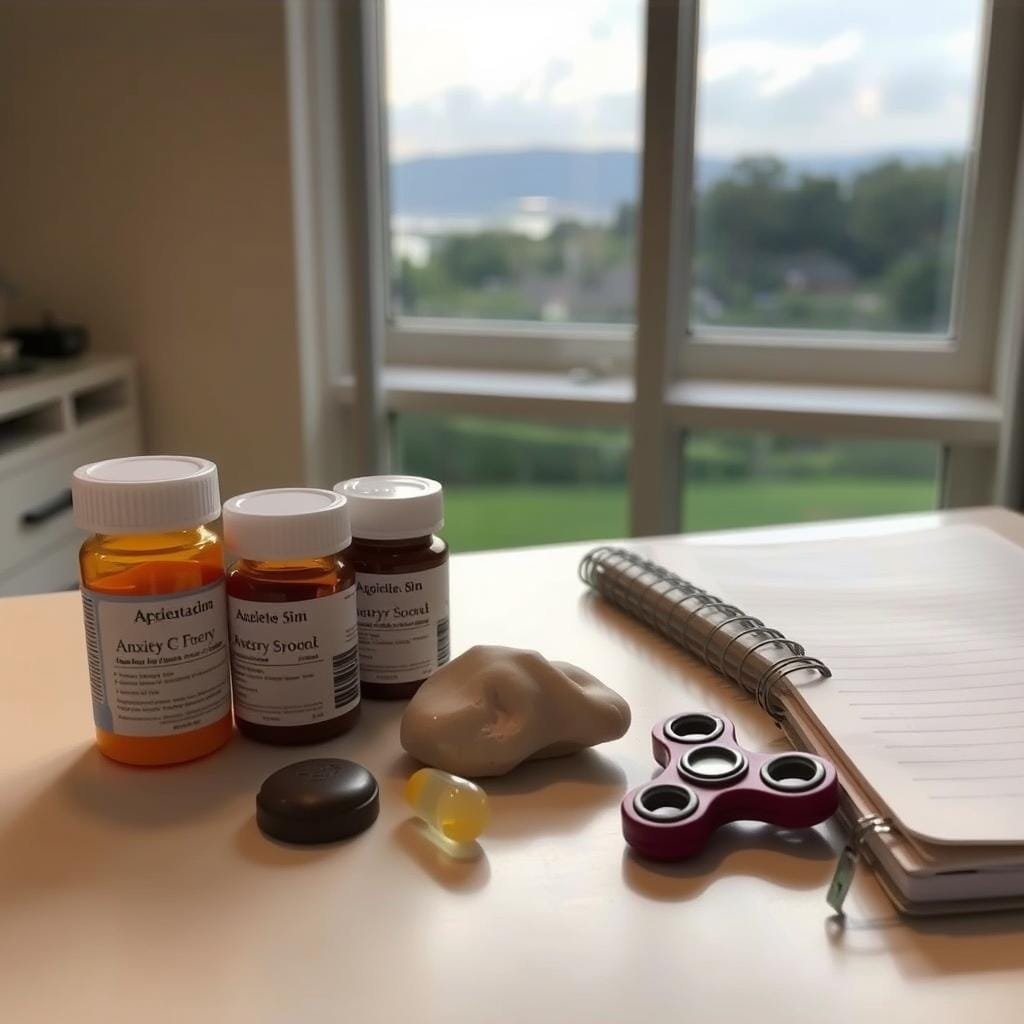
There are many ways to deal with nighttime anxiety. If worry keeps you awake, you might need help from a professional. These methods help with both your mind and body when it gets dark.
Cognitive Behavioral Therapy for Nighttime Worries
Cognitive Behavioral Therapy (CBT) is the best way to fightsleep anxiety. It teaches you to change bad thoughts that make you worried at night.
CBT for anxiety uses special techniques to help with evening worries:
- Cognitive restructuring – Learn to spot and change bad thoughts (“I’ll never fall asleep”)
- Stimulus control – Make your bed only for sleep, not for worrying
- Sleep restriction – Limit your time in bed to improve sleep
- Worry scheduling – Set a time for worrying earlier in the day
Now, you can find CBT online or through apps. This makes it easier to get help for nighttime anxiety.
Medication Options and Their Effectiveness
If anxiety stops you from sleeping, medicine might help. The right medicine depends on your symptoms and health. It also depends on if your anxiety is just for certain situations or all the time.
Prescription Medications
There are many medicines that work well for nighttime anxiety:
- SSRIs and SNRIs – These antidepressants help with mood and anxiety over time
- Benzodiazepines – These medicines work fast but can be addictive if used too long
- Non-benzodiazepine sleep medications – “Z-drugs” help you sleep without the risk of addiction
- Atypical medications – These are used when other medicines don’t work
Over-the-Counter Options
For mild anxiety, you can try these non-prescription options:
- Antihistamines – These have sedative effects
- Melatonin – Helps regulate sleep-wake cycles
- Herbal preparations – Supplements like saffron and rosemary may help with anxiety
Always talk to a doctor before taking any medicine, even if it’s available without a prescription.
When to Seek Professional Help
It’s important to know when to ask for help with anxiety. You should talk to a doctor if:
- Anxiety keeps you awake at night
- You have panic attacks that wake you up
- Anxiety affects how you function during the day
- Self-help doesn’t work after a few weeks
- You think about harming yourself
Looking for help is brave, not weak. Doctors can guide you and refer you to specialists. Many people find that a mix of therapy and medicine works best for nighttime anxiety.
Natural Remedies and Mindfulness Techniques for Nighttime Anxiety
Looking for gentle ways to calm your mind at night? There are many natural remedies and mindfulness practices that work well. They can help you relax and sleep better without harsh side effects.
Evidence-Based Herbal Solutions
Some herbs are great for easing anxiety. Valerian root helps your brain relax like some medicines but doesn’t make you feel tired in the morning.
Chamomile tea, the German kind, has a special ingredient that helps you relax. Lavender tea or supplements can calm your thoughts before bed.
Passionflower and ashwagandha are also good for anxiety. But always talk to a doctor before trying new herbs, as they can affect other medicines or health issues.
Essential Oils and Aromatherapy Practices
Aromatherapy uses smells to calm your mind. Lavender oil is the most studied and works well to lower your heart rate and blood pressure.
Bergamot oil makes you feel better and lowers stress hormones. Ylang-ylang, sandalwood, and frankincense also help with anxiety. Use a few drops in a diffuser, make a pillow spray, or apply diluted oil to your skin.
Make sure to buy high-quality essential oils. Look for pure, therapeutic-grade oils from trusted sources for the best results and safety.
Meditation and Breathing Exercises for Bedtime
Mindfulness before bed can really help with anxiety. Just a few minutes of meditation can calm your mind and body.
Progressive Muscle Relaxation
This method relaxes your body and mind. Start by tensing and then relaxing each muscle group, from your toes to your head. Hold the tension for 5 seconds and then relax for 10 seconds. This tells your body it’s okay to relax.
4-7-8 Breathing Technique
This breathing technique for anxiety was created by Dr. Andrew Weil. Breathe in quietly for 4 counts, hold for 7 counts, and then breathe out for 8 counts. The long exhale helps you relax. Start with four cycles and do more as you get better.
Creating Your Personal Nighttime Anxiety Management Plan
Creating a anxiety management plan just for you is important. Start by tracking your anxiety. Use a journal or a phone app to note when you feel anxious and what triggers it.
Your plan should mix different strategies. Pick what works for you from lifestyle changes, therapy, and natural remedies. Start with simple things like making your bedroom sleep-friendly or doing deep breathing exercises.
Stick to your plan for at least two weeks before checking how it works. See which self-help methods help you the most. Remember, getting better takes time.
If you’re really struggling, get help from a therapist. They can make your plan better and add new tools for you. Many people do best with a mix of self-help and professional help.
With time and effort, you can make a bedtime routine that helps you relax. By focusing on your specific triggers and symptoms, you can sleep better and enjoy peaceful nights.
FAQ
Why does anxiety get worse at night?
Anxiety gets worse at night for many reasons. When it’s quiet, our thoughts seem louder. Our brains also start to think more at night. Plus, the dark and quiet can make us feel our worries more.
How can I tell the difference between nighttime anxiety and a more serious medical condition?
Nighttime anxiety feels like your heart racing and your muscles tight. It can feel scary, but it usually goes away with calm techniques. But, if you have chest pain or trouble breathing, get help right away. These could be signs of something serious.
Can certain foods trigger nighttime anxiety?
Yes, some foods can make anxiety worse at night. Caffeine stays in your system for hours. Foods with sugar can make your blood sugar go up and down, feeling like anxiety. Alcohol might relax you but can mess with your sleep and make you anxious later.
What’s the connection between my smartphone use and nighttime anxiety?
Smartphones can make anxiety worse at night. The blue light they give off can keep you awake. Notifications and social media can make you feel anxious or worried you’re missing out. Plus, the exciting stuff on your phone keeps your brain awake when it should be sleeping.
How does the circadian rhythm affect anxiety levels?
Your body’s natural rhythm affects your anxiety. When it’s evening, your body should be getting ready to sleep. But, if this rhythm is off, it can make you feel anxious. This rhythm also affects how your brain works, which can help or hurt your anxiety.
Can sleep apnea cause anxiety attacks at night?
Yes, sleep apnea can make you feel anxious at night. When you stop breathing, it can make your body feel like it’s having a panic attack. This can make you wake up feeling scared or worried. Treating sleep apnea can help with these feelings.
What bedroom changes can reduce nighttime anxiety?
To feel better at night, try these changes. Keep your room cool and dark. Use soft, red lights instead of bright ones. Add white noise to block out sounds. Choose comfy bedding and keep your room tidy. Avoid screens and electronics before bed.
How effective is melatonin for anxiety-related sleep problems?
Melatonin can help with sleep problems, but it’s not a cure for anxiety. It helps your body get ready for sleep. But, it’s best used with other sleep habits and ways to manage anxiety.
What breathing techniques can calm nighttime anxiety quickly?
Try the 4-7-8 breathing method. Breathe in for 4 seconds, hold for 7, and breathe out for 8. This can calm your body. Box breathing and belly breathing also help by slowing down your breathing and making you feel more relaxed.
How does Cognitive Behavioral Therapy (CBT) help with nighttime anxiety?
CBT helps by changing how you think and act. It teaches you to manage your worries and sleep better. It also helps you relax and sleep more consistently. Studies show it works well for nighttime anxiety.
Are there any herbs that actually work for anxiety at night?
Yes, some herbs can help with nighttime anxiety. Valerian root and chamomile can calm you down. Lavender and passionflower can also help. Ashwagandha can reduce stress and anxiety. But, talk to a doctor before trying them.
Can exercise help reduce nighttime anxiety, and what type is best?
Yes, exercise can help with nighttime anxiety. It releases tension and improves sleep. Aerobic exercises like walking or swimming are best. Yoga and tai chi are also good because they relax you and help you focus. Exercise 3-6 hours before bed to help you sleep better.
How do I know if my nighttime anxiety requires professional help?
You might need help if your anxiety keeps you awake for weeks. If you have panic attacks or trouble sleeping, seek help. Also, if you’re using alcohol to calm down or if other treatments don’t work, get professional help.
What’s the relationship between hormones and nighttime anxiety?
Hormones play a big role in nighttime anxiety. Cortisol, the stress hormone, should go down at night. But, if it doesn’t, you might feel anxious. Melatonin helps you sleep, but light and stress can mess with it. Hormones like estrogen and thyroid hormones can also affect your mood and anxiety.
Can certain medications cause or worsen nighttime anxiety?
Yes, some medicines can make anxiety worse at night. Medicines for ADHD or asthma can keep you awake. Some antidepressants might make you feel more anxious at first. Always talk to your doctor about how your medicines might affect you.
How long does it typically take to see improvement in nighttime anxiety with treatment?
Improvement times vary. Lifestyle changes can help in a few weeks. Relaxation techniques and breathing exercises can help right away but need practice. CBT can take 8-12 weeks to show big results. Herbal supplements and medicines work at different speeds, but most treatments show improvement in 1-3 months.