
Have you ever noticed how you feel more awake at some times and sleepy at others? This is because of your circadian rhythm. It’s like an internal clock that helps you stay awake during the day and sleep at night.
But sometimes, this clock can get out of sync. Things like working at night, traveling across time zones, or even partying on weekends can mess with it. This can make you feel tired, affect your mood, and even hurt your health.
Don’t worry, you’re not the only one. About 40% of Americans have trouble sleeping. The good news is, you can fix your body’s clock with the right steps.
This guide will show you how to get back on track. We’ll look at slow and fast ways to adjust your sleep patterns. These methods help your body follow its natural rhythms again.
Key Takeaways
- Your circadian rhythm regulates your body’s natural wake-rest cycle over 24 hours
- Common disruptors include travel, shift work, and inconsistent bedtimes
- Approximately 40% of Americans struggle with disrupted rest patterns
- Both gradual and rapid reset methods can help restore healthy patterns
- Consistent routines help maintain your body’s internal clock
- Proper alignment of your circadian rhythm improves overall health and wellbeing
Understanding Your Body’s Sleep-Wake Cycle
Every yawn and burst of energy shows a cool biological process. It controls when you’re awake and when you sleep. Knowing how this works helps fix sleep problems.
The Science of Circadian Rhythms
Your circadian rhythm is like a body clock. It runs on a 24-hour cycle. It controls things like hormone release and energy levels.
Light is key to this system. Morning light tells your brain to make less melatonin. This makes you feel awake.
At night, darkness makes your brain make more melatonin. This gets you ready for sleep. But, too much artificial light can mess with this.
How Sleep Cycles Work
Your body goes through different sleep stages at night. Each cycle is about 90 minutes long. It includes:
- Light sleep (N1 and N2 stages) – where you can be easily awakened
- Deep sleep (N3 stage) – when body repair and memory consolidation occur
- REM sleep – characterized by rapid eye movement and dreaming
Most people have 4-6 full sleep cycles each night. Waking up after a cycle makes you feel good. But, waking up during deep sleep makes you tired.
Adenosine builds up in your brain when you’re awake. It makes you tired. Sleep helps reset this process.
Common Causes of a Disrupted Sleep Schedule
Sleep problems often have a reason. Finding out what causes them is key to getting better sleep. Most sleep schedule problems fall into three main categories. These affect how well you sleep.
Lifestyle Factors
Your daily habits affect your sleep quality. Working odd hours can mess with your natural sleep rhythm. This is true for those with rotating shifts or night work.
Drinking caffeine, alcohol, or nicotine can also mess with your sleep. Caffeine stays in your system for up to 8 hours. Alcohol might help you fall asleep but then wakes you up later.
Looking at screens before bed can stop your body from making melatonin. This makes it hard to fall asleep. Also, not going to bed and waking up at the same time every day can confuse your body.
Environmental Influences
Your sleep space is very important. Too much noise can keep you from getting deep sleep. Even sounds you don’t notice can disturb your sleep.
Light from outside, devices, or alarm clocks can keep you awake. Room temperature is also important. Temperatures that are too high or too low can make it hard to sleep.
Bad bedding, like a mattress that’s not right or pillows that hurt your neck, can make it hard to sleep well.
Medical Conditions
Many health problems can cause sleep issues. Sleep apnea, for example, stops you from getting deep sleep. Restless leg syndrome makes it hard to fall asleep and stay asleep.
Chronic pain makes it hard to find a comfortable sleeping position. This pain gets worse at night, making it hard to sleep.
Mental health issues like anxiety and depression can also cause sleep problems. Anxiety makes it hard to relax at night. Depression can make you sleep too much or too little.
Signs Your Sleep Schedule Needs Fixing
Your body tells you when your sleep is off. But many ignore these signs. About 40% of Americans don’t sleep enough. This can lead to serious health problems.
Sleep problems can cause heart disease and weaken your brain and immune system. Spotting these signs early helps avoid big health issues.
Physical Symptoms
Poor sleep signs often sneak up on you. Feeling tired all the time, even after sleeping enough, is a big clue. You might feel exhausted, even after eight hours of sleep.
Headaches when you wake up can mean your sleep is off. Your immune system gets weaker, making you more likely to get sick. Tummy troubles and changes in appetite or weight can also point to sleep problems.
Mental and Emotional Indicators
Sleep problems can mess with your mind and feelings. Trouble focusing on simple tasks is a sign. Your brain is trying to tell you something.
Memory problems and forgetting things are common when sleep is bad. You might make poor choices and take more risks. This is because your brain isn’t working right.
Feeling irritable and moody is another sign. These mood swings can hurt your relationships. Anxiety and depression can also get worse if you don’t sleep well.
| Warning Sign | Physical Manifestation | Mental/Emotional Impact | Severity Indicator |
|---|---|---|---|
| Daytime Fatigue | Constant tiredness despite adequate sleep time | Reduced motivation and energy | Mild to Severe |
| Cognitive Function | Headaches, brain fog | Poor concentration, memory issues | Moderate |
| Mood Changes | Physical tension, digestive issues | Irritability, anxiety, depression | Moderate to Severe |
| Immune Response | Frequent illness, slow healing | Stress, feeling overwhelmed | Severe |
The Importance of a Consistent Sleep Schedule
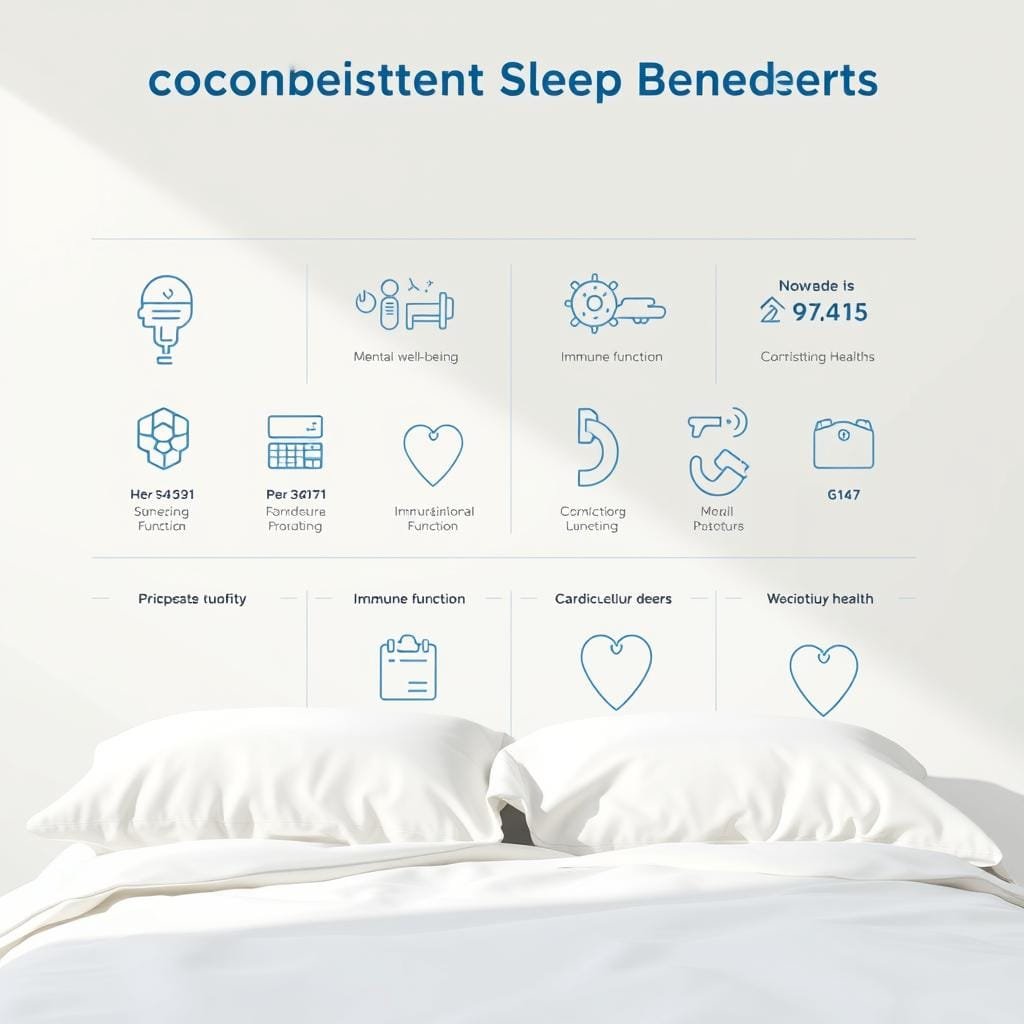
Keeping a regular sleep schedule is key to your health. It’s not just about how long you sleep. When you sleep and wake up at the same time every day is very important. Your body likes to know what to do and when.
Regular sleep helps your body get ready for rest and wake-up times. It makes your body’s clock work better. This helps you feel good and stay healthy in many ways.
Going to bed and waking up at the same time every day is good. It helps your body’s clock stay in sync with the day. This makes your body work better all day long.
Health Benefits of Regular Sleep Patterns
Regular sleep patterns are good for your body. Your immune system gets stronger. This means you get sick less often.
Your hormones stay balanced with regular sleep. This helps you handle stress better and grow strong. It also helps you stay at a healthy weight.
Regular sleep is also good for your heart. It lowers your blood pressure and heart disease risk. It also helps you control your blood sugar better.
Productivity and Quality of Life Improvements
Consistent sleep benefits your brain too. You remember things better and learn faster. This makes you smarter and more skilled.
Regular sleep makes you feel better emotionally. You handle stress better and are happier. This makes you more social and friendly.
Being productive is easier with sleep health. You make better decisions and solve problems better. You feel more motivated and happy at work.
| Aspect | Consistent Sleep Pattern | Irregular Sleep Pattern | Improvement Potencial |
|---|---|---|---|
| Cognitive Function | Enhanced focus and memory | Brain fog and forgetfulness | 30-40% better performance |
| Metabolic Health | Stable blood sugar levels | Insulin resistance risk | 25% reduced diabetes risk |
| Mood Regulation | Emotional stability | Irritability and mood swings | 50% fewer mood disturbances |
| Immune Function | Robust immune response | Compromised immunity | 35% fewer seasonal illnesses |
How often you sleep might be more important than how long. People who sleep regularly are healthier, even if they don’t sleep as much. Your body likes routine, and it makes you feel better in many ways.
Gradual Methods to Reset Your Sleep Schedule
Fixing your sleep schedule is easier with small steps. Your body likes small, steady changes. This helps your body clock adjust slowly.
Wake up at the same time every day, even on weekends. This helps your brain get sleepy at the same time each night. Even if you stay up late sometimes, waking up at the same time helps keep your sleep pattern.
The 15-Minute Adjustment Technique
The 15-minute technique is great for resetting your sleep schedule without shocking your body. You change your bedtime and wake-up time by 15 minutes every 2-3 days.
For example, if you want to sleep at 10:30 PM but now sleep at midnight, start by going to bed at 11:45 PM. Then, move to 11:30 PM, and keep going until you reach your goal. This slow change helps your body adjust its sleep hormones.
Being patient and consistent is key. Your body needs time to adjust to each small change. Rushing can lead to insomnia and frustration.
Weekend vs. Weekday Consistency Strategies
“Social jet lag” happens when your weekend sleep is different from weekdays. This messes up your body’s internal clock and can ruin your sleep routine.
To avoid weekend sleep problems, don’t sleep in more than an hour past your usual wake time. Even on days off, set an alarm to avoid sleeping too much. Morning light helps keep your body clock in sync, so open curtains or go outside soon after waking.
If you stay up late on weekends, try to wake up at your usual time. You might feel tired, but you’ll keep your sleep schedule in check for the next night.
Creating a Sleep Diary
A sleep diary shows you what affects your sleep. It helps you make changes that really work for you, not just generic advice.
What to Track
Write down bedtime, how long it takes to fall asleep, wake-up time, and how many hours you sleep. Also, note any nighttime wake-ups and how long they last. Track caffeine, alcohol, exercise, meals, and evening activities too.
Rate your sleep quality and energy levels on a scale of 1-10. This helps you see patterns that numbers alone might miss.
How to Analyze Your Data
After two weeks, look at your diary to find patterns. See how daytime habits affect your sleep. For example, exercise after 7 PM might make it hard to fall asleep, or caffeine after 2 PM might shorten your sleep.
Make small changes based on what you find. Keep tracking to see if it helps your sleep. This way, you create a plan that really works for you.
Rapid Reset Techniques for Urgent Situations
When you can’t wait for slow sleep changes, quick reset methods help. They’re good for job interviews, jet lag, or sudden work changes. These methods quickly fix your sleep schedule when time matters.
These quick fixes aren’t for long-term use. But, they’re great for quick sleep schedule recovery in urgent times. Use them, then switch to better sleep habits later.
The 24-Hour Reset Method
The 24-hour reset is a strong but hard method. It’s an emergency sleep fix that makes you stay awake all day and night. Then, you sleep at your new bedtime the next evening.
For example, if you want to sleep at 10 PM but usually sleep at 4 AM, stay awake until 10 PM the next day. Your body will be ready to sleep at the new time.
- Stay well-hydrated throughout the process
- Expose yourself to bright light during daylight hours
- Avoid driving or operating heavy machinery during this period
- Plan light activities to keep yourself engaged without exhaustion
- Have a support person check in on you periodically
This method uses your body’s sleep drive to help you sleep. It’s effective but should only be used in emergencies. It’s risky because it causes sleep deprivation.
Strategic Napping Approaches
Strategic napping can help reset your sleep schedule without messing up your night sleep. It’s about knowing when and how long to nap.
Unlike the full reset, napping lets you stay awake while adjusting your sleep. It’s great for shift workers and jet lag recovery.
Power Nap Timing
The right time for a power nap is between 1-3 PM. This is when you naturally feel a bit sleepy.
Keep naps short, 10-20 minutes. This length gives you a quick refresh without feeling groggy later.
| Nap Duration | Benefits | Potential Drawbacks | Best For |
|---|---|---|---|
| 10-20 minutes | Improved alertness, no grogginess | May not feel refreshing enough for some | Daily energy boost, sleep schedule resets |
| 30 minutes | More restorative than shorter naps | Possible sleep inertia | Recovery from mild sleep deprivation |
| 60-90 minutes | Includes REM sleep, memory benefits | Significant sleep inertia, may affect night sleep | Severe sleep debt, preparation for night work |
| 2-3 hours | Highly restorative, includes deep sleep | Disrupts nighttime sleep pattern | Extreme situations only (e.g., disaster response) |
Avoiding the Nap Trap
Napping can help, but it can also hurt your sleep if not done right. Night sleep is the best, and bad naps can mess with it.
Daytime sleep can lead to insomnia. It takes away sleep pressure that helps you sleep at night. If you must nap, keep it short, like a 20-minute power nap.
Watch out for these napping mistakes:
- Napping after 3 PM, which can mess with evening sleep
- Extended naps lasting more than 30 minutes
- Using naps as a regular substitute for proper nighttime sleep
- Napping in your bed, which can confuse your brain about sleep associations
Use these quick fixes only when you need them. Once you’ve reset your sleep, switch to better habits for long-term sleep health.
Creating the Optimal Sleep Environment
Make your bedroom a sleep haven to reset and keep a regular sleep schedule. Your sleep environment affects how fast you fall asleep and how well you rest. Even small changes can greatly improve your sleep and fix a broken sleep schedule.
Temperature and Lighting Considerations
Your body cools down when you sleep. So, room temperature is key for sleep comfort. Studies say a cool room, 65-68°F (18-20°C), helps you sleep better and keeps your sleep cycle right.
Light affects your body clock. Try to avoid blue light from screens for 90 minutes before bed. Use blackout curtains to make it dark, which helps your body make melatonin and sleep.
Use dawn simulator alarms. They slowly get brighter to wake you up naturally. This helps your body wake up smoothly and keeps your sleep schedule regular.
Noise Management
Your brain keeps processing sounds even when you sleep. So, controlling noise is important for good sleep. Unexpected sounds can really mess up your sleep.
Sound masking can create a steady sound that covers up other noises. White noise machines, fans, or air purifiers make constant sounds that hide other noises.
For really loud places, try earplugs, acoustic panels, or door sweeps to block sound. Some people like nature sounds or sleep music apps to make a calm sleep environment.
Bedding and Comfort Factors
Your mattress and pillows are the base of bedroom optimization. Choose bedding that fits your sleep position and body type. Side sleepers need soft, pressure-relieving surfaces, while back and stomach sleepers prefer firmer ones.
Use breathable, natural fabrics like cotton and bamboo to keep you cool at night. Change your bedding with the seasons to keep the right temperature all year.
| Sleep Environment Factor | Optimal Condition | Benefits | Implementation Tips |
|---|---|---|---|
| Temperature | 65-68°F (18-20°C) | Facilitates natural body cooling, deeper sleep | Programmable thermostat, cooling mattress toppers |
| Lighting | Complete darkness during sleep | Increases melatonin, improves sleep quality | Blackout curtains, sleep masks, red-spectrum night lights |
| Noise | Quiet or consistent background sound | Prevents sleep disruptions, masks disturbances | White noise machines, earplugs, acoustic treatments |
| Bedding | Supportive, breathable materials | Reduces pain, regulates temperature | Natural fibers, seasonal adjustments, proper pillow height |
Make your bedroom just for sleep to improve your sleep hygiene. Get rid of work stuff, exercise gear, and electronics. This makes your bedroom only for sleeping.
Diet and Exercise Impacts on Your Sleep Schedule
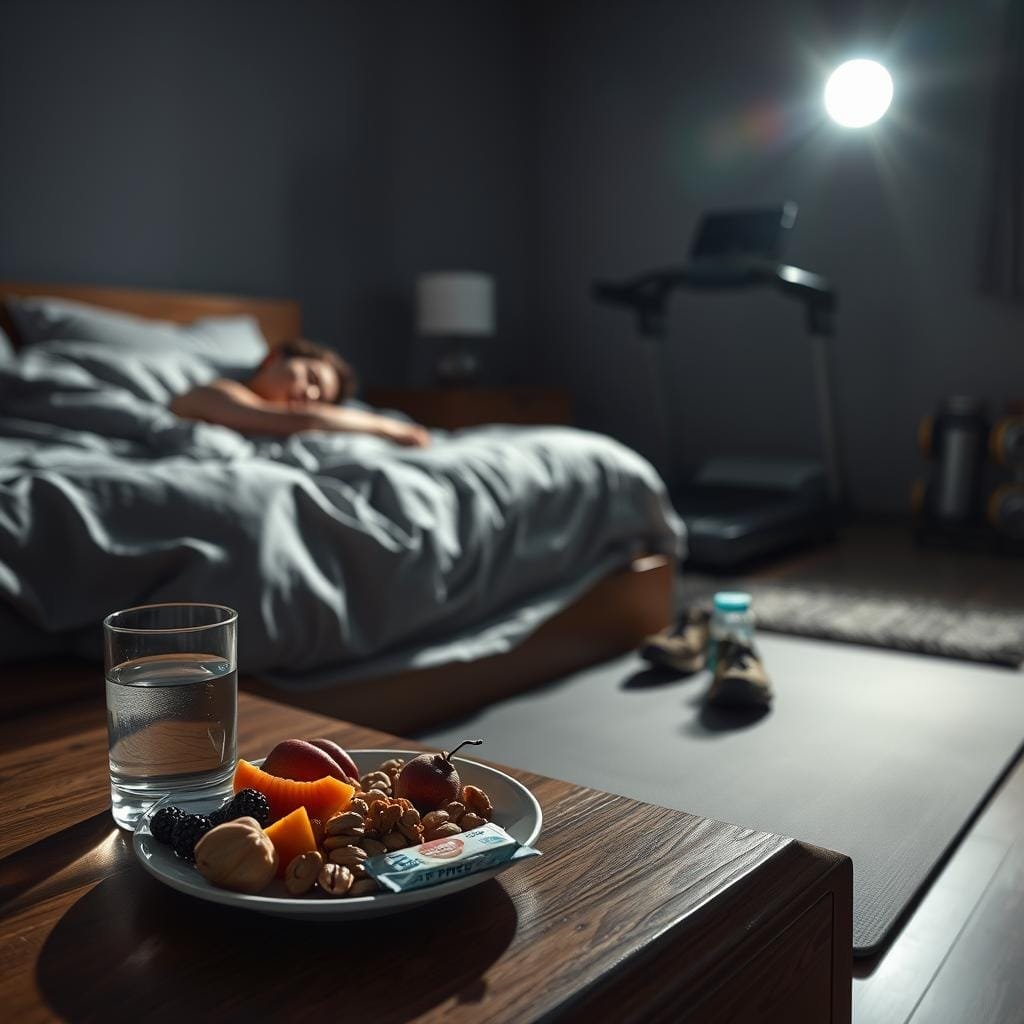
Diet, exercise, and sleep are connected in a powerful way. What you eat and when you move can affect your sleep. Knowing these links can help you sleep better.
Timing Your Meals for Better Sleep
Your body’s clock is influenced by what and when you eat. Eating close to bedtime can make it hard to sleep. This is because your body needs time to digest.
Eating too late can keep your body awake. It also makes it hard to cool down, which is needed for sleep. Plus, eating before bed can cause stomach problems.
Having meals at the same time each day helps your body’s clock. This makes it easier to sleep and wake up.
Foods That Help or Hinder Sleep
Some foods help you sleep better. Foods like turkey and cheese have tryptophan, which helps make serotonin and melatonin. Magnesium in nuts and grains also relaxes you.
Tart cherries are special for sleep. They have melatonin, which helps control your sleep cycle. Kiwi and salmon also help with sleep.
But, some foods can mess with your sleep. Caffeine stays in your system for hours. Alcohol can make you sleepy at first but then disrupt your sleep. Foods high in sugar can also wake you up.
Exercise Timing for Optimal Sleep
Exercise is great for sleep. It helps your body’s clock and makes melatonin. This gets you ready for sleep.
But, when you exercise is important. Working out too close to bedtime can keep you awake. It raises your body temperature and stress hormones.
Best to exercise in the morning or early afternoon. This makes you alert during the day and sleepy at night. Even a short walk can improve your sleep.
Managing Special Sleep Schedule Challenges
Life situations can make sleep hard. This includes working odd hours, traveling, or dealing with time changes. It’s important to know how to adjust your sleep to stay healthy and productive.
Shift Work Strategies
About 20% of Americans work odd hours. This can mess up your sleep. To handle shift work sleep issues, be consistent and control light.
Keep a regular sleep time, even on days off. This helps your body stay in rhythm. Johns Hopkins Medicine says this is key for shift workers.
Make your sleep area dark, quiet, and comfy. Use blackout curtains and white noise. Some people take melatonin, but talk to a doctor first.
Jet Lag Recovery Methods
Traveling across time zones messes with your body clock. This leads to tiredness and trouble sleeping. Good jet lag solutions start before you travel.
For traveling east, go to bed 30 minutes earlier each day before you leave. For west, go to bed later. This helps your body adjust.
- Stay hydrated and avoid alcohol on flights
- Get natural light when you arrive, based on your travel direction
- Adjust to local time right away, including meals
- Take a short nap if needed, but not too long
Seasonal Time Changes
Time changes twice a year can mess with sleep. The spring change is harder. Getting ready for these daylight saving time sleep changes can help.
Start going to bed a bit earlier each night before the change. This helps your body adjust better than a big jump.
Keep your wake-up times the same, even on weekends. Morning light helps your body clock. Open curtains early or use a light therapy device in winter.
For all these challenges, the goal is to get back to normal sleep quickly. If not, sleep problems can last. By using these strategies, you can handle tough sleep schedule changes.
Technology and Sleep: Managing Digital Disruptions
Understanding how tech affects your sleep is key. Our devices are always with us, but they can hurt our sleep. People spend over 7 hours a day on screens, mostly before bed.
But, you can keep using tech and also sleep well. Let’s find out how to do it right.
Blue Light Effects and Solutions
Smartphones, tablets, and TVs give off blue light. This light stops your body from making melatonin. Melatonin is what tells your body it’s time to sleep.
When you see blue light, your brain thinks it’s daytime. This can make it hard to fall asleep and hurt your sleep quality.
There are ways to fight this:
- Blue light blocking glasses – These glasses block blue light, great for computer work at night
- Night mode settings – Most devices have a night mode that reduces blue light after sunset
- Digital sunset routine – Stop using screens 1-2 hours before bed and do something relaxing instead
- Screen filters – These filters attach to devices to cut down blue light
Apps and Devices That Support Healthy Sleep
Some tech can actually help you sleep better. The right tools can give you insights and make your sleep better.
Apps and devices track your sleep, wake you up gently, and help you relax. They can show you patterns in your sleep you might not see.
| Technology Type | Benefits | Examples | Best For |
|---|---|---|---|
| Sleep Trackers | Monitor sleep stages, duration, and quality | Wearable devices, bedside monitors | Understanding sleep patterns |
| Smart Lighting | Adjusts color temperature to support circadian rhythm | Programmable bulbs, sunrise alarm clocks | Natural wake/sleep transitions |
| White Noise Machines | Mask disruptive sounds with consistent background noise | Dedicated devices, smartphone apps | Light sleepers, noisy environments |
| Meditation Apps | Guide relaxation and calm racing thoughts | Guided sleep stories, breathing exercises | Anxiety-related sleep issues |
Choosing the right tech for sleep is important. Look for tools that don’t keep you awake and don’t disturb you too much.
Maintaining Your Improved Sleep Schedule Long-Term
After you reset your sleep schedule, the hard part starts. Keeping it up is key. Think of sleep as a must-do for your health, not something to skip when life gets tough.
The first week might be hard as your body gets used to it. But keep going—it usually gets better fast once you stick to it. Your body likes knowing what to do next.
Talking to others about your sleep is important. Tell your family, friends, and workmates about your sleep goals. Saying no to evening plans helps keep your bedtime safe.
Think ahead for times when your sleep might get messed up. Like when you travel or have big work tasks. Having plans ready helps keep your sleep schedule steady.
Check in with yourself about your sleep often. A simple sleep diary for a few days a month can help. It keeps track of how well you’re sleeping over time.
If you keep having sleep problems, see a doctor. Even small sleep issues are worth talking about. They can help you see a sleep expert if needed.
Good sleep is as important as eating right and exercising. Making sleep a priority helps your whole health. It’s a long-term investment in your well-being.
FAQ
How long does it take to reset a sleep schedule?
Resetting your sleep schedule takes time. It depends on how off it is and the method you use. The gradual 15-minute adjustment takes 1-2 weeks for a few hours shift. For small changes, you might see improvements in 3-4 days.
Big changes with the 24-hour method can start right away. But, it takes 5-7 days to stick to the new schedule.
Can I fix my sleep schedule in one night?
You can start a sleep schedule reset in one night. Use the 24-hour reset method. But, fixing it for good needs days of consistent sleep.
One night might help you sleep at the right time. But, your body needs many nights to really adjust.
What’s the best way to recover from pulling an all-nighter?
After an all-nighter, don’t sleep during the day. Try to stay awake until 8-9 PM. This helps reset your body clock.
Get bright light in the morning and afternoon. Stay hydrated and avoid caffeine and alcohol. Sleep well but set an alarm to wake up.
How does melatonin help with sleep schedule adjustments?
Melatonin helps your body know it’s time to sleep. For an earlier bedtime, take 0.5-3mg 2-3 hours before bed. For a later bedtime, take it in the morning.
It’s great for jet lag and shift work. But, use it only as directed by a doctor.
Why do I feel more tired when I sleep longer?
Sleeping more can make you feel tired because you wake up in deep sleep. This is called sleep inertia. It makes you feel groggy.
Also, sleeping too much can mess with your body’s natural sleep-wake cycle. Sleeping the right amount, even if less, makes you feel better.
How can I stop waking up in the middle of the night?
To wake up less at night, keep a regular sleep schedule every day. Avoid alcohol before bed. It messes with your sleep.
Keep your room cool, dark, and quiet. Use white noise and meditation to relax. If you wake up, don’t check the time or use screens.
Is it better to sleep less but consistently or get more irregular sleep?
Sleeping the same time every day is better than sleeping more but irregularly. It helps your body and mind work better. Aim for 7 hours of sleep each day.
But, sleeping less than 6 hours is not good, even if it’s regular. The best sleep is both enough and regular.
How does caffeine affect my sleep schedule?
Caffeine stays in your system for 5-6 hours. It stops your body from making sleep-promoting compounds. This can make you sleep later and less deeply.
Drink caffeine only in the morning. Everyone reacts differently to it.
What’s the best bedroom temperature for sleep?
The best sleep room temperature is 65-68°F. This helps your body cool down and sleep better. Your body naturally cools down at night.
Temperatures above 75°F or below 54°F can mess with your sleep.
How can I fix my child’s sleep schedule?
To fix your child’s sleep schedule, start a bedtime routine 30-60 minutes before bed. Use the 15-minute adjustment method to change bedtime slowly.
Make sure their room is dark, quiet, and cool. Limit screen time before bed. Morning light helps set their wake-up time.
How do I adjust to working night shifts?
To adjust to night shifts, sleep at the same time every day, even on days off. Use blackout curtains and white noise to sleep during the day.
Wear blue-light blocking glasses at the end of your shift. Use bright light during your shift and less before bed. This helps your body adjust.
Can exercise help fix my sleep schedule?
Yes, exercise can help your sleep schedule. Morning or early afternoon exercise helps you stay awake during the day. It also helps you sleep better at night.
Do at least 30 minutes of moderate exercise daily. Avoid hard exercise close to bedtime.
How do I recover from jet lag quickly?
To quickly recover from jet lag, adjust your schedule before traveling. When you arrive, follow the local time. For eastward travel, seek morning light and avoid afternoon light. For westward travel, do the opposite.
Stay hydrated and avoid alcohol. A short nap in the afternoon can help. For big time zone changes, melatonin can help.
What foods help promote better sleep?
Some foods help you sleep better. Tart cherries and kiwi fruit are good for sleep. Foods with magnesium relax your muscles and help you sleep.
Complex carbs increase tryptophan, which helps you sleep. Fatty fish with vitamin D and omega-3s also improve sleep. Eat these foods 2-3 hours before bed.
How do I create an effective sleep diary?
A good sleep diary tracks bedtime, sleep time, wake time, and night awakenings. It also tracks caffeine, alcohol, exercise, and stress. Rate your sleep quality too.
Keep it for two weeks to find patterns. Review it weekly to see how your habits affect your sleep. Apps or a notebook work well.
Can certain medical conditions prevent me from fixing my sleep schedule?
Yes, some medical conditions make it hard to keep a regular sleep schedule. Sleep disorders and chronic pain can disrupt sleep. Mental health issues like depression and anxiety also affect sleep.
If you’ve tried to reset your sleep schedule without success, see a doctor. They might need to treat the underlying condition first.
How do blue light filtering glasses work for sleep?
Blue light glasses block blue light that stops melatonin production. Wearing them 2-3 hours before bed helps your body make melatonin. This improves sleep onset and increases melatonin levels.
Choose glasses with amber or red lenses that block at least 90% of blue light. Wear them in the evening for best results.