
How you lie down at night is very important. Your body works while you sleep, fixing tissues and remembering things. Optimal sleeping positions help your body recover, from keeping your spine straight to helping you breathe.
Studies show that how you sleep affects your health. Some ways can help with back pain, but others might make snoring or acid reflux worse. Your perfect sleep position depends on your body and health.
Do you sleep on your side, back, or stomach? Each way has its own good and bad points. The healthy sleep posture for someone with sleep apnea might not be the best for a pregnant woman or someone healing from surgery.
This guide dives into the science of sleeping positions. It helps you find the best way to sleep for you. We’ll look at how your sleep position affects your body and give tips to improve your sleep.
Key Takeaways
- Your sleeping position significantly impacts your physical recovery and overall health
- Different body positions offer unique benefits for specific health conditions
- Side, back, and stomach sleeping each affect your body in distinct ways
- The ideal sleeping arrangement varies based on individual health needs
- Small adjustments to your current position can dramatically improve sleep quality
- Proper alignment during rest helps prevent pain and discomfort
The Science Behind Sleep Posture
Your sleeping position is key to your health. It affects your spine and brain. Scientists study how your body position during sleep impacts your health.
How Sleeping Position Affects Your Health
Your sleep position affects your body in many ways. Your respiratory, digestive, and circulatory systems all function differently based on your sleep position.
Some sleep positions help with health issues. For example, sleeping positions affect acid reflux, snoring, and facial health.
Scientists found that sleep position affects brain waste removal. This is important for brain health and may prevent diseases.
The Connection Between Posture and Sleep Quality
Good posture helps you sleep better. Bad posture can break up your sleep. This means less deep and REM sleep.
Studies show that changing sleep positions can affect:
- Sleep efficiency (time asleep vs. time in bed)
- Sleep continuity (frequency of awakenings)
- Distribution of sleep stages throughout the night
Spinal Alignment During Sleep
Keeping your spine aligned is key to waking up without pain. Your spine has natural curves that should be kept even when you sleep. This lets muscles relax and recover.
A good sleeping position helps your spine and muscles heal. It’s different for side, back, and stomach sleepers.
No single position is best for everyone. The right position depends on your health, body, and what feels comfortable. What’s most important is finding a position that keeps your spine’s natural curves and meets your health needs.
Back Sleeping: Benefits and Techniques
Back sleeping is great for keeping your spine straight and your body balanced. About 38% of people sleep on their backs. This position keeps your spine long and healthy.
Advantages of Sleeping on Your Back
The supine sleep position has many good points. It spreads your weight evenly, avoiding sore spots.
Your spine stays straight, like when you stand up straight. This is good for your back muscles and joints. It’s also great for people with back pain.
Back sleeping keeps your face off the pillow. This can help prevent wrinkles and acne. It also keeps your organs in the right place without squeezing them.
Proper Alignment for Back Sleepers
To sleep well on your back, pay attention to a few things. Use a medium-firm pillow under your head and neck. This keeps your spine in the right shape.
Put a small pillow or towel under your knees. This helps your lower back stay curved. It also reduces pressure on your back.
Keep your arms at your sides, a bit away from your body. Don’t lift them too high. This can hurt your shoulders and cause numbness.
| Body Part | Proper Alignment | Common Mistakes | Correction Tips |
|---|---|---|---|
| Head/Neck | Neutral position, slight support under neck | Pillow too high or too flat | Use medium-firm pillow with neck support |
| Lower Back | Natural curve maintained | Excessive arch or flattening | Place small pillow under knees |
| Arms | Relaxed at sides | Raised above head | Use body pillow boundaries if needed |
| Legs | Slightly bent at knees | Completely straight | Use knee pillow for slight elevation |
Who Should Avoid Back Sleeping
Not everyone should sleep on their back. If you snore a lot or have sleep apnea, back sleeping can make it worse. It can block your airway.
People with acid reflux or GERD might feel worse when sleeping on their back. Stomach acid can flow up more easily.
Conditions That May Worsen with Back Sleeping
Pregnant women, in their second and third trimesters, should not sleep on their backs. The growing baby can press on blood vessels, affecting circulation.
Those with certain glaucoma types might have higher eye pressure when lying on their backs. People with severe heart failure might find it hard to breathe when lying flat.
If you have these conditions but like sleeping on your back, talk to your doctor. They can suggest better positions for you.
Side Sleeping: The Most Popular Position
Side sleeping is the most popular sleep position for adults. About 54% of adults sleep on their side. This is because our spines get less flexible as we age.
Side sleeping is comfortable for many. It keeps your spine straight and is good for different body types. It’s also great for people with health issues or who are pregnant.
Benefits of Side Sleeping
Side sleeping has many health benefits. It keeps your spine straight, which is very important. This helps your body stay comfortable all night.
It also helps with snoring and sleep apnea. Side sleeping is good for your digestion and can reduce acid reflux. Sleeping on your left side is best for this.
It’s also good for back and neck pain. It spreads out your weight and reduces pressure points. Pregnant women find it helps with circulation for both them and their baby.
Left vs. Right Side: Which is Better?
Both sides have their own benefits. But, left side sleeping is often recommended. It’s better for digestion and heartburn. It also improves circulation.
Left side sleeping is also good for waste elimination and during pregnancy. Right side sleeping is better for heart conditions. It reduces pressure on the heart.
Proper Alignment for Side Sleepers
Keeping your body aligned is key for side sleepers. Your head and neck should be straight. Use a pillow that fits between your shoulder and ear.
Use a pillow between your knees to align your hips. Keep your arms out to avoid numbness. This helps with blood flow.
The Fetal Position vs. Extended Side Sleeping
The fetal position is the most common side sleeping style. It’s curled up with knees to chest. It feels natural and can help with snoring.
Extended side sleeping keeps your spine straight and can reduce stiffness. But, the fetal position might limit breathing and cause morning pain. A slightly curled position is usually the most comfortable.
Stomach Sleeping: Pros, Cons and Modifications
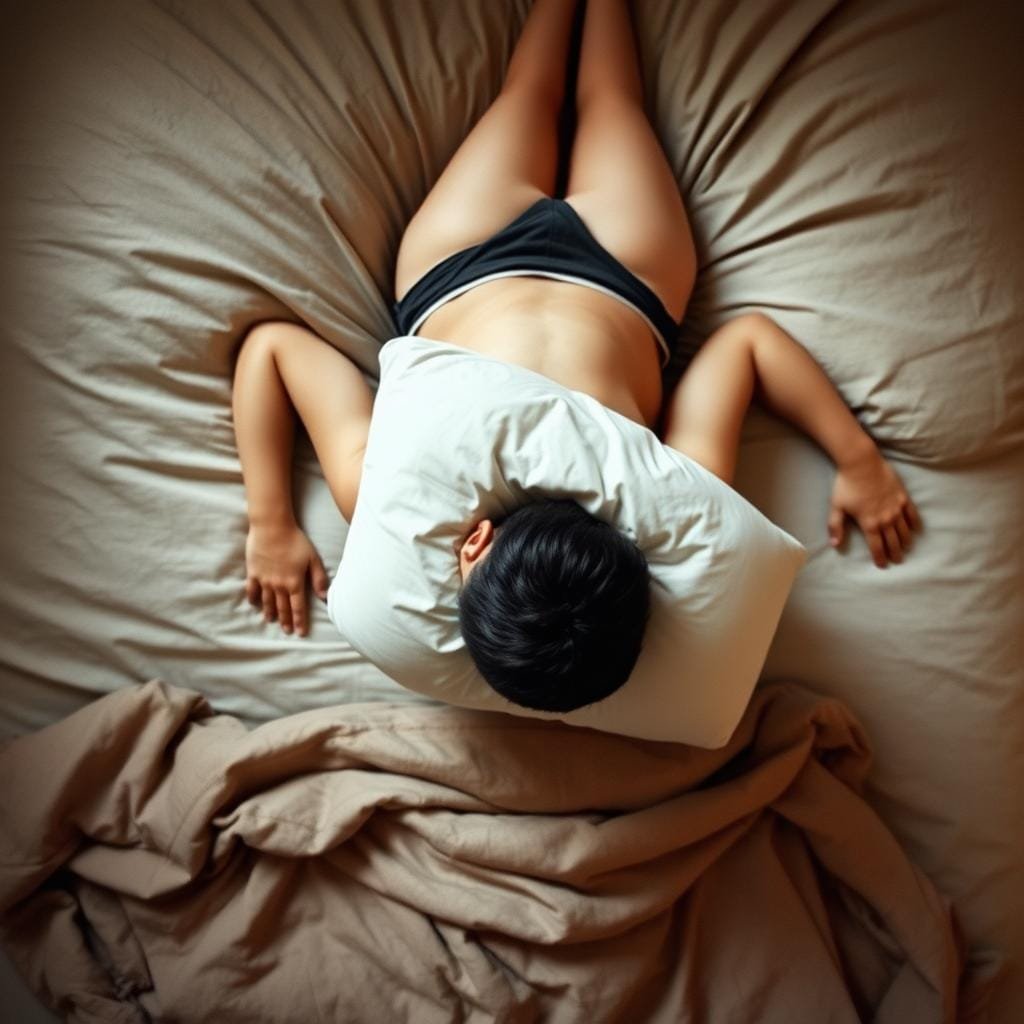
Stomach sleeping is rare, found in only 7% of adults. It has both good and bad sides. Knowing these can help you decide if you should keep, change, or modify this sleep style.
Why Stomach Sleeping Gets a Bad Reputation
Health experts often warn against stomach sleeping. It can hurt your back because your spine doesn’t curve naturally.
The biggest stomach sleeping drawback is your neck. You have to turn your head to breathe, causing neck pain and stiffness in the morning.
Stomach sleeping also puts too much pressure on your joints and organs. Your shoulders and hips don’t bear weight evenly. It can also make it hard to breathe deeply.
How to Minimize Negative Effects
If you must sleep on your stomach, here are some tips:
- Use a thin pillow or no pillow for your head to avoid neck strain
- Put a flat pillow under your pelvis to help your spine curve
- Stretch your neck and back before bed and when you wake up
- Try a side-stomach hybrid position with one leg bent outward
These changes can make stomach sleeping more comfortable and safer. Special pillows for stomach sleepers can also help support your head and neck.
When to Consider Changing Positions
There are times when you should switch sleep positions. If you’ve hurt your spine, stomach sleeping can slow healing and make it worse.
Pregnant women can’t sleep on their stomach in later stages. Even in early pregnancy, it’s best to avoid it. Neck or back pain that doesn’t go away after trying to sleep on your stomach is another sign to change.
| Condition | Risk Level with Stomach Sleeping | Recommended Alternative | Transition Difficulty |
|---|---|---|---|
| Neck Pain | High | Back with cervical pillow | Moderate |
| Lower Back Pain | High | Side with pillow between knees | Moderate |
| Pregnancy | Very High | Left side with support pillows | Difficult |
| Sleep Apnea | Low | Side position | Easy |
Changing from stomach sleeping takes time. Start by trying to sleep in your new position with pillows for support. You might roll onto your stomach, but your body will get used to staying in the new position over time.
Best Posture to Sleep for Back Pain Relief
Many Americans struggle with back pain. The right sleep position can help. It’s key to adjust your sleep to fit your pain.
Position Modifications for Lower Back Pain
Lower back pain can be eased with certain sleep changes. Side sleeping with a pillow between the knees is helpful. It keeps your hips aligned and eases pressure on your lower back.
Back sleeping can also help. Use a pillow under your knees to keep your spine’s natural curve. If you sleep on your stomach, a thin pillow under your pelvis can help.
Position Modifications for Upper Back Pain
Upper back pain needs different solutions. Side sleepers should use a pillow that keeps their neck in line with their spine. The pillow should fit perfectly between your ear and shoulder.
Back sleepers can use a contoured pillow for neck support. Some people also use a small towel under their back for extra support.
Supportive Accessories for Pain Relief
Special sleep accessories can also help. Body pillows, wedge cushions, and orthopedic pillows keep your body aligned. They offer extra support during sleep.
| Accessory Type | Best For | How It Works | Ideal Position |
|---|---|---|---|
| Body Pillow | Full-body alignment | Provides continuous support along the entire body | Side sleeping |
| Wedge Pillow | Upper back pain | Elevates upper body to reduce pressure points | Back sleeping |
| Knee Pillow | Lower back pain | Maintains hip alignment and reduces lumbar pressure | Side or back sleeping |
| Lumbar Roll | Maintaining spinal curve | Supports natural lordosis during sleep | Back sleeping |
Using Pillows to Maintain Proper Alignment
Creating a pillow nest can help keep your spine aligned. Side sleepers should use a firm pillow between their knees and another against their chest. This keeps your upper body from twisting.
Back sleepers can use a pillow under their knees and small towels under their neck and lower back. These support your spine’s natural curves. The goal is to keep your body aligned without causing more pain.
Optimal Sleeping Positions During Pregnancy
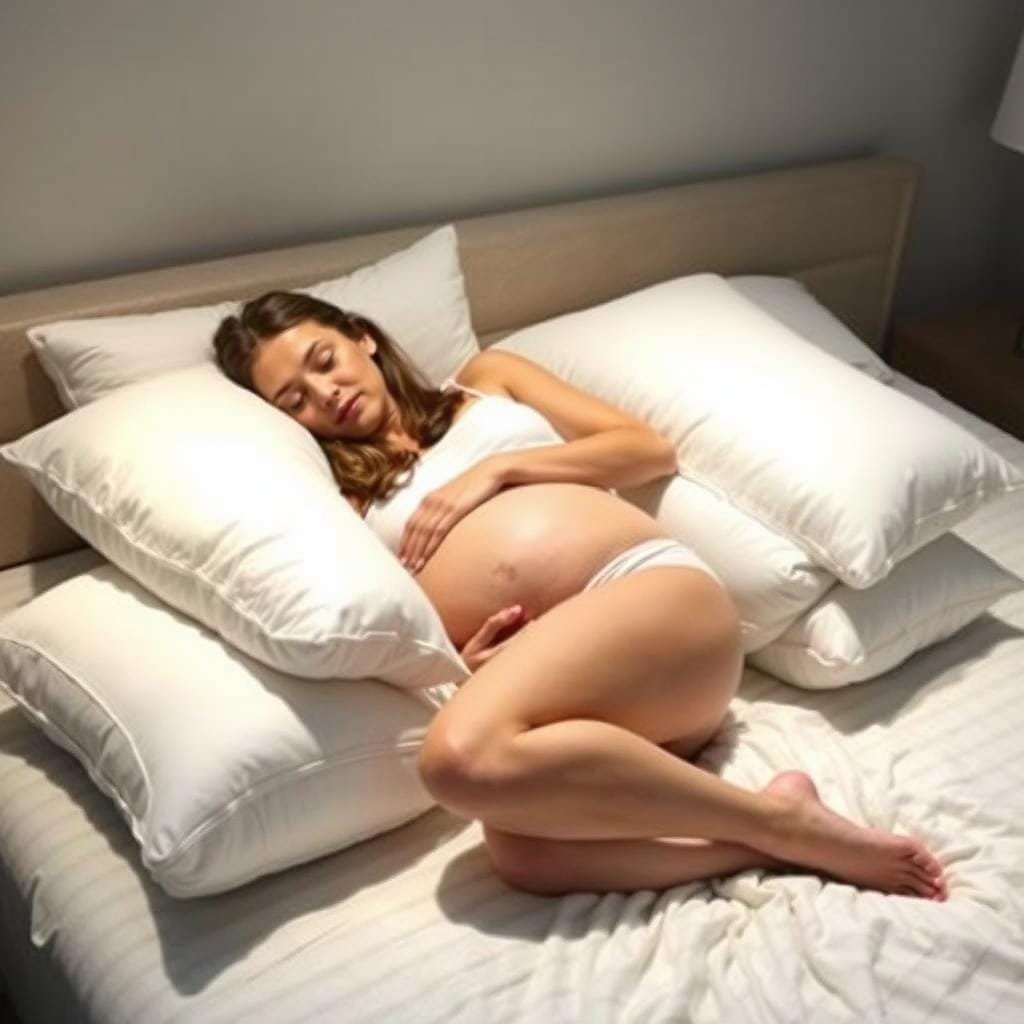
Pregnancy changes how you sleep. You need safe and comfy positions. As your body changes, so should your sleep posture.
Good positions help you feel better and keep your baby healthy. They also help your blood flow.
Recommended Positions by Trimester
In the first trimester, you can sleep any way you like. But start getting used to sleeping on your left side. It’s good for later.
In the second trimester, your belly gets bigger. Left-side sleeping is best. It helps your baby and keeps your blood flowing right.
By the third trimester, left-side sleeping is a must. Your baby puts pressure on your body. Sleeping on your left helps your blood flow and feels better.
| Trimester | Recommended Position | Benefits | Tips |
|---|---|---|---|
| First (Weeks 1-13) | Any comfortable position | Few restrictions, good time to adapt | Begin practicing side sleeping |
| Second (Weeks 14-26) | Left side preferred | Improved circulation, reduced pressure on organs | Place pillow between knees |
| Third (Weeks 27-40) | Left side strongly recommended | Optimal blood flow, reduced swelling, kidney support | Use multiple pillows for full body support |
Using Pillows for Support
As you get bigger, you need more support. Pregnancy pillows can make you feel better and keep you aligned.
C-shaped pillows support your back and belly. They’re great if you roll onto your back.
U-shaped pillows support your whole body. They keep you on your side and support your neck and back.
Wedge pillows are smaller. They can support your belly or back. They’re cheaper and take up less space.
If you don’t have special pillows, regular ones can help. Use one between your knees, one under your belly, and one behind your back.
Positions to Avoid When Pregnant
It’s important to know which positions to avoid. They can be unsafe for you and your baby.
Back sleeping is bad after the first trimester. It can cut off blood flow to your heart and baby. It can make you dizzy and short of breath.
Stomach sleeping is not safe as your belly grows. It puts too much pressure on your uterus and is very uncomfortable.
If you wake up on your back, just roll to your side. Use pillows to support you. Pregnancy can make you feel uncomfortable, but the right pillows can help.
Try different pillows as you get bigger. What works in the second trimester might not in the third. Listen to your body and talk to your doctor if you’re having trouble sleeping.
Sleeping Positions to Reduce Snoring and Sleep Apnea
How you sleep can really affect your breathing. For many, changing how they sleep can help a lot. Knowing how your sleep position affects your breathing is key to better sleep.
How Position Affects Breathing During Sleep
Lying on your back makes breathing harder. Your tongue and soft palate fall back, narrowing your throat. This causes snoring because air can’t move well.
Back sleeping is tough for those with sleep apnea. Throat muscles relax too much, blocking airways. This leads to pauses in breathing.
Best Positions for Airway Alignment
Sleeping on your side is best for keeping airways open. Your tongue falls forward, not backward, making breathing easier.
Left-side sleeping is better for many. It reduces pressure on blood vessels and keeps airways open.
If you can’t stay on your side, try special pillows or devices. They help keep you in the right position.
| Sleeping Position | Effect on Snoring | Effect on Sleep Apnea | Recommended Modifications |
|---|---|---|---|
| Back Sleeping | Significantly increases | Worsens symptoms | Elevate head 4-6 inches |
| Left Side Sleeping | Greatly reduces | Improves airflow | Use body pillow for support |
| Right Side Sleeping | Reduces | Improves moderately | Ensure proper neck alignment |
| Stomach Sleeping | Reduces | May help mild cases | Use thin pillow to reduce neck strain |
When to Seek Medical Help
Position changes help many with snoring or sleep apnea. But, if you’re always tired, see a doctor.
Other signs you need a doctor include pauses in breathing, headaches, high blood pressure, or mood changes. Your doctor might suggest a sleep study.
For serious sleep apnea, CPAP therapy is often needed. But, you can also use sleep position changes with medical treatments for better results.
Common Sleeping Posture Mistakes to Avoid
Knowing the common sleep posture mistakes can help you avoid pain and improve sleep. Even the best sleeping position can have small issues that cause morning pain. Let’s look at these mistakes and how to fix them.
Alignment Errors That Cause Pain
Every sleeping position has its own alignment problems. Back sleepers might use pillows that are too thick, bending their neck. Or, they might use pillows that are too thin, not supporting their neck’s natural curve.
Side sleepers often use pillows that are too short, bending their neck sideways. They might also forget to put a pillow between their knees, causing lower back pain.
The tight fetal position is common but can be bad. It makes breathing hard and puts your spine in a bad curve, leading to pain in the morning.
Harmful Habits During Sleep
Some habits can make sleep posture worse. “Tech neck” from phone use before bed can stay with you all night. This keeps your head forward, even when you’re sleeping.
Using too many pillows that move during sleep can keep you from getting deep sleep. This can cause muscle tension and morning pain.
Not sleeping and waking at the same times can also hurt your body. Your muscles need regular rest to heal, so a consistent sleep schedule is key to avoiding pain.
How to Identify Poor Sleep Posture
It’s hard to know if you’re sleeping wrong because you’re asleep. Notice where and when you feel pain in the morning. If pain gets better after moving, it might be from your sleep position.
Ask someone to watch you sleep or use sleep apps to track your position. Some people even use a camera to see how they sleep and find bad positions.
Look at your bedding for signs too. If pillows are always pushed aside or bunched up, you might be trying to fix an uncomfortable position. Fixing these mistakes can help reduce pain and improve sleep quality.
Choosing the Right Mattress for Your Sleep Position
Choosing the right mattress can make a big difference in how you sleep. It helps keep your spine straight, which is key for good sleep. The right mattress should be comfy and supportive, so you wake up feeling great.
Mattress Firmness by Sleep Position
Back sleepers do best with medium to medium-firm mattresses. This helps keep your spine straight and supports your lower back. A too-soft mattress can make your hips sink too much.
Side sleepers need a softer mattress, like medium to medium-soft. This lets your shoulders and hips sink a bit, keeping your spine straight. Memory foam and pillow-top mattresses are good for side sleepers.
Stomach sleepers need a firmer mattress to keep their midsection from sinking too much. This helps keep your spine straight and prevents back pain. A firm mattress is best for this.
Materials That Complement Different Postures
Memory foam is great for side sleepers because it molds to your body. But, back sleepers might find it too soft and warm.
Latex is good for back sleepers because it’s supportive but also gives a bit. It’s also cooler than memory foam and bouncy, making it easy to move around.
Innerspring and hybrid mattresses are good for stomach sleepers because they’re airy and responsive. Modern hybrids have coils and comfort layers that can be adjusted for your sleep position. Choosing the right mattress material is key for good posture.
Signs Your Mattress Is Affecting Your Posture
Waking up with pain in your back, neck, or shoulders means your mattress isn’t right. This pain usually goes away as the day goes on.
Visible sagging or body impressions mean your mattress is losing support. Even small dips can hurt your spine.
If you sleep better elsewhere, your mattress might not be right for you. Many mattress companies offer 100-night trials. This lets you test a mattress before buying.
Pillow Selection for Optimal Neck Alignment
Your pillow choice is key for a good night’s sleep. The right pillow can make a big difference. It keeps your neck in the right spot, easing muscle and ligament strain.
Pillow Height and Firmness by Sleep Position
Each sleep position needs a specific pillow size. Back sleepers do best with thin pillows (3-5 inches) that are medium firm. They support the neck’s natural curve without pushing the head too far forward.
Side sleepers need thicker pillows (4-6 inches) to fill the space between ear and shoulder. This keeps the spine straight from hips to neck. The pillow should stay firm all night.
Stomach sleepers should use very thin pillows (under 3 inches) or no pillow at all. If you must use a pillow, put it under your pelvis to ease lower back strain.
Specialty Pillows for Posture Correction
There are many pillows made for posture correction. Cervical pillows have built-in neck support and a special shape. Water pillows let you adjust the firmness by changing the water level.
Orthopedic pillows offer extra support for medical needs. Cooling pillows help keep you cool, preventing restlessness.
Multiple Pillow Arrangements for Support
Using more than one pillow can help your sleep posture. Back sleepers might use a small pillow under their knees and a thin lumbar support. This helps keep the spine straight.
Side sleepers can use a pillow between their knees and another for their upper arm. This keeps hips and shoulders in line. Adjustable pillows are great for those who switch positions a lot.
Don’t forget to change your pillows every 1-2 years for synthetic fills and 2-3 years for better materials.
Creating Your Personalized Sleep Posture Plan
Finding the right sleep posture is a journey for you. It depends on your body, health, and what feels good. Start by keeping a sleep diary for a week. This will help you see your sleep habits and any pain points.
Begin your sleep plan by trying different positions. If you have acid reflux or snore, try sleeping on your side. Sleeping on your left side is good for your digestion and heart.
For back pain, sleeping flat on your back is best. It spreads out your weight and eases spine pressure. Make sure your pillow supports your neck well.
If you need to change your sleep position for health, do it slowly. Start by sleeping in your new position and use pillows for support. Your body needs time to get used to new habits.
Improving your sleep posture takes time. Use firm mattresses and supportive pillows. Avoid sleeping without neck support or using too many pillows.
The best sleep posture is one that lets you sleep well and wake up without pain. Making small, steady changes to your sleep position can help more than big changes all at once.
FAQ
What is the best overall sleeping position for most people?
Side sleeping is best for most people. It keeps your spine straight and reduces snoring. It also helps with digestion and is good for pregnant women.
Left-side sleeping is even better. It cuts down on heartburn and acid reflux. It also helps your blood flow better.
But, the best position for you depends on your health, comfort, and needs.
Why is sleeping on my back sometimes recommended by health professionals?
Back sleeping keeps your spine straight and spreads out your body weight. It also reduces pressure points.
When you sleep on your back, your spine is like standing up straight. This can help with back pain. But, it’s not good for everyone, like those with sleep apnea or acid reflux.
Is stomach sleeping really as bad as people say?
Stomach sleeping gets a lot of criticism. It flattens your spine and forces your neck to turn. This can cause pain and stiffness.
But, it might help with snoring and sleep apnea for some. If you sleep on your stomach, use a thin pillow or no pillow. A pillow under your pelvis can also help.
What’s the difference between sleeping on my left side versus my right side?
Left-side sleeping is better for digestion and heartburn. It also improves your circulation. It’s great for pregnant women.
Right-side sleeping might be better for heart conditions. But, it depends on the person. Both sides can help with snoring and sleep apnea.
How can I tell if my current sleeping position is causing me problems?
If you wake up in pain or feel stiff, it might be your position. Feeling tired or having headaches in the morning is a sign too.
Snoring or breathing problems, numbness, or worsening health issues are also clues. Pay attention to when and where you feel discomfort.
What’s the best sleeping position for lower back pain?
Side sleeping with a pillow between your knees is great for lower back pain. It keeps your hips aligned and reduces pressure.
Back sleeping with a pillow under your knees is also good. It keeps your spine curved naturally. Avoid stomach sleeping, as it can make back pain worse.
How should pregnant women sleep for optimal comfort and safety?
Pregnant women should sleep on their left side, mainly in the second and third trimesters. It helps the blood flow to the fetus and uterus.
Use supportive pillows for comfort. Avoid back and stomach sleeping after the first trimester.
Can changing my sleep position really help reduce snoring?
Yes, changing your sleep position can help with snoring. Back sleeping can make snoring worse because it narrows your airway.
Side sleeping, and left-side sleeping in particular, can open up your airways. This can reduce snoring. Using devices to stop you from rolling onto your back can also help.
How do I know if my pillow is providing proper support?
A good pillow keeps your neck straight. Your head should be level, and there should be no gap between your neck and pillow.
You shouldn’t wake up with neck pain or headaches. The pillow should keep its shape all night. The right pillow height depends on your sleep position.
What mattress firmness is best for my sleeping position?
Back sleepers need a medium to medium-firm mattress. It should support your spine but also allow for some curve.
Side sleepers need a slightly softer mattress. It should let your shoulders and hips sink in enough to keep your spine straight. Stomach sleepers need a firmer mattress to prevent your midsection from sinking too much.
How can I train myself to sleep in a new position if my current one is causing problems?
Changing your sleep position takes time and effort. Start by falling asleep in your new position with supportive pillows.
Use physical barriers or devices to keep you in the new position. Some people use the “tennis ball technique” to make back sleeping uncomfortable. It may take weeks to get used to, so keep track of your progress.
Does sleep posture affect my digestion?
Yes, your sleep posture affects your digestion. Left-side sleeping is best because it helps waste move through your digestive system.
Back sleeping can worsen acid reflux and heartburn. Stomach sleeping can put pressure on your digestive organs. Elevating your upper body can help with GERD or heartburn.
Are specialty orthopedic pillows worth the investment?
Specialty pillows might be worth it for specific needs or pain. Cervical pillows, contour pillows, and water pillows offer targeted support.
But, not everyone needs these. Try standard pillows first to see if they work for you. Identify your specific issue before investing.
How does my sleeping position affect my skin and facial wrinkles?
Your sleep position can affect your skin and wrinkles. Back sleeping is best for preventing wrinkles because it doesn’t press on your face.
Side and stomach sleeping can cause wrinkles, depending on the side you favor. Using silk or satin pillowcases can reduce wrinkles, regardless of position.
Can my sleeping position affect my circulation?
Yes, your sleep position can affect your circulation. Side sleeping, and left-side sleeping in particular, is good for circulation.
Back sleeping is also good for most people. But, some positions can restrict blood flow. Avoiding back sleeping after the first trimester is important for pregnant women.
Is the fetal position healthy for sleeping?
The fetal position is common and has benefits. It can reduce snoring and is comfortable for pregnant women.
But, a tight fetal position can restrict breathing and cause stiffness. A moderate fetal position with good pillow support is generally healthy.