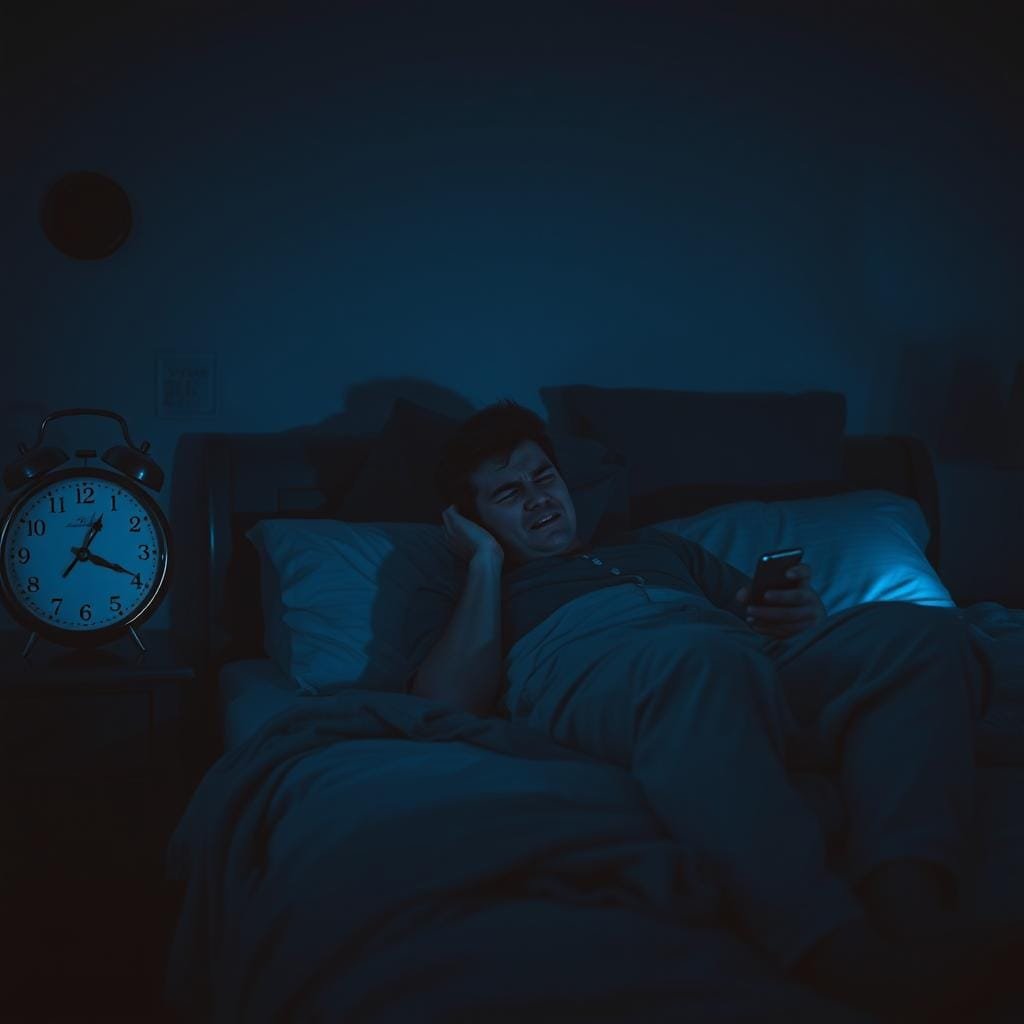
Ever found yourself awake at 3am? You’re not alone. Waking up at 3am is common but annoying. Most people don’t know we wake up many times at night, but we often don’t remember.
Your body goes through a sleep cycle with different stages. Sometimes, you’re more awake than others. This can make you wake up at 3am.
There are many reasons for these wake-ups. Some are due to hormones that change at 3am. Others might wake up because of stress or the environment. Knowing why you wake up is the first step to better sleep.
This guide will tell you why you wake up at 3am. It will also show you how to improve your sleep.
Key Takeaways
- Brief awakenings throughout the night are normal and often go unnoticed
- The 3am timeframe coincides with natural shifts in melatonin and cortisol levels
- Sleep cycles include multiple stages that vary in duration throughout the night
- Between 10-20% of adults experience insomnia, with higher rates in older populations
- Understanding your sleep architecture can help identify the root cause of nighttime awakenings
- Environmental factors and stress can amplify natural sleep cycle transitions
The Science Behind Sleep Cycles and Nighttime Awakenings
Sleep is not just a rest. It’s a dynamic process with many cycles. Your brain and body go through these cycles while you sleep. Knowing about these cycles helps us understand why we wake up sometimes, like at 3am.
It’s normal to wake up a few times at night. Studies say we wake up 10-12 times each night. But most of these times, we don’t remember waking up.
When we wake up and remember it, it can be hard. But these times are part of our sleep architecture. This means our sleep has a structure with different stages.
Understanding the Four Stages of Sleep
Every night, your brain goes through four sleep stages. These stages are based on brain waves, eye movements, and muscle tone.
Stage 1 is the lightest sleep. It lasts 1-5 minutes. Your brain makes alpha and theta waves. You might feel like you’re falling or have muscle twitches.
Stage 2 is a bit deeper. It lasts 10-25 minutes. Your brain makes sleep spindles and K-complexes. Your body gets cooler and your heart beats slower.
Stages 3 and 4 are deep sleep. Your brain makes delta waves. It’s hard to wake up. This is when your body repairs itself and grows.
REM sleep is when you dream a lot. Your brain is very active, but your muscles are paralyzed. This helps with memory and emotions.
How Sleep Cycles Change Throughout the Night
Your sleep changes throughout the night. Each cycle lasts 90-110 minutes. Most people have 4-6 cycles each night.
In the first half of the night, you sleep deeper. This is when your body recovers most. You might dream a little.
Later in the night, you dream more. Your sleep cycles have less deep sleep and more REM sleep. By morning, you mostly dream and have light sleep.
This is why we wake up more in the morning. Around 3am, you’re in lighter sleep. Your sleep drive also goes down.
Knowing about sleep cycle changes helps us see why waking up early isn’t always bad. It’s just how our sleep works.
Why You Keep Waking Up 3am: The Science Explained
Waking up at 3am is not random. It’s about hormones, biology, and how we sleep today. This wake-up time affects many people worldwide. Knowing why can help us understand this sleep issue better.
At night, your body changes a lot. Around 3am, your sleep hormone, melatonin, peaks and then goes down. At the same time, your stress hormone, cortisol, starts to go up. This mix makes it easier to wake up during these hours.
These changes explain why many people wake up early. Let’s look at the science behind this common problem.
The “Witching Hour” in Sleep Medicine
Doctors call 3am the “witching hour”. It’s when many wake up without reason. This term fits because our sleep is very fragile at this time.
At this hour, your body does many things:
- Your body temperature is at its lowest
- Melatonin peaks and starts to go down
- Cortisol starts to rise
- REM sleep gets longer and more intense
These changes make it hard to sleep. Even small things can wake you up. This is why it’s called a “perfect storm” for waking up.
Statistical Prevalence of Middle-Night Awakenings
If you wake up at 3am often, you’re not alone. Studies show many people wake up in the middle of the night. About 35% of adults wake up regularly, mostly between 2am and 4am.
Waking up at night gets more common with age. Young adults wake up less than older adults. Women wake up more than men, during times like menopause.
These numbers are the same all over the world. This shows it’s not just about where you live, but our biology.
The Evolutionary Perspective on Segmented Sleep
Our ancestors didn’t sleep like we do today. They had two sleep periods with a wakeful time in between. This is called segmented sleep.
Old records talk about “first sleep” and “second sleep” with a break in between. People did things like pray or talk quietly during this time. Some think this helped them stay safe at night.
This old sleep pattern might be why we wake up at 3am. It’s not a disorder, but our body’s natural rhythm. Our modern life doesn’t fit this natural sleep pattern anymore.
Your Circadian Rhythm and Its Impact on Sleep Patterns
Deep in your brain, a special timing system controls your sleep and body functions. This system, called your circadian rhythm, doesn’t just make you tired. It also controls hormones, body temperature, and how your body works all day and night.
Knowing about your circadian rhythm can help you understand why you might wake up at 3am. It affects not just when you sleep, but also the quality and structure of your sleep cycles at night.
How Your Internal Body Clock Functions
Your body clock is run by a group of brain cells called the suprachiasmatic nucleus (SCN). It’s in your brain’s hypothalamus. This master controller uses light from your eyes to keep your internal clock in sync with day and night.
When morning light hits your eyes, it tells your SCN to stop making melatonin. This is your sleep hormone. It also makes you feel more awake by boosting other hormones. As it gets darker in the evening, this process goes the other way, getting you ready for sleep.
People have different natural sleep times, known as chronotypes. This explains why some people wake up early and others stay up late.
- Morning larks – who wake early and feel most alert in the morning
- Night owls – who naturally stay up later and struggle with early mornings
- Intermediate types – who fall somewhere between these extremes
Circadian Disruptions and Their Connection to Nighttime Awakenings
When your body clock gets out of sync with your schedule, you might have trouble sleeping. This can lead to waking up at 3am and not being able to fall back asleep.
Things that can mess with your body clock include:
- Shift work that forces sleep during daylight hours
- Jet lag from crossing multiple time zones
- Inconsistent sleep-wake schedules (sleeping late on weekends)
- Evening exposure to blue light from screens
These issues can break up your sleep, making you wake up more easily. Your body gets confused and might wake you up at 3am.
Studies show that being out of sync with your body clock can make you sleep less well. This is why many people have trouble sleeping between 2-4am. It’s when their body’s sleep and wake signals are mixed up.
Psychological Factors Behind Predawn Awakenings
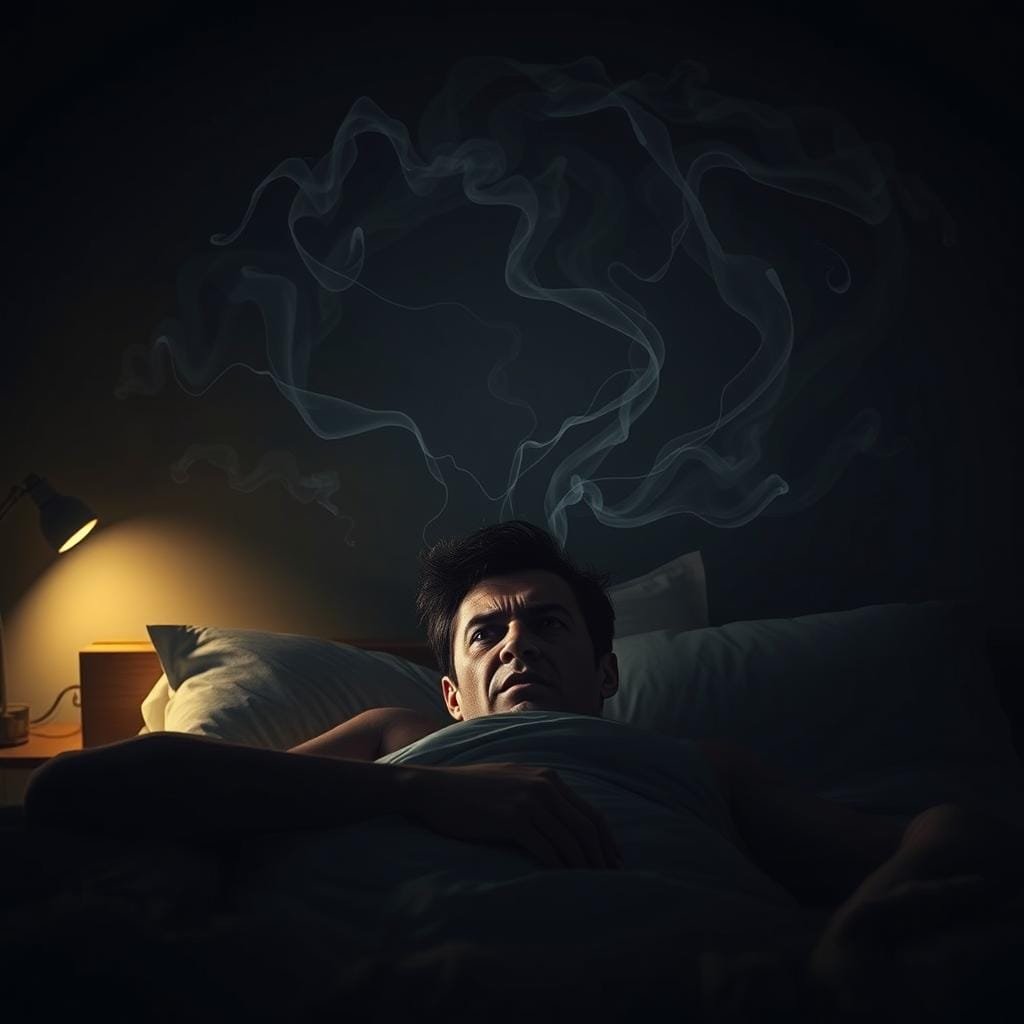
Many 3am awakenings come from deep inside our minds. When it’s quiet, our thoughts can get loud. This can wake us up in the middle of the night.
Our minds keep working even when we sleep. They process feelings and thoughts, sometimes too much. This can wake us up.
Anxiety and Racing Thoughts at Night
The quiet of night makes sleep anxiety worse. Worries that seemed okay during the day can feel huge at night.
Racing thoughts can start a chain of worries. This makes it hard to fall back asleep. Our body thinks it’s time to wake up.
People often worry about work, relationships, money, or health at 3am. This is because it’s a lighter sleep time for many.
To stop these thoughts, we need special ways to calm down. Studies show these methods work:
| Technique | How It Works | Implementation | Time to Effect |
|---|---|---|---|
| Thought Journaling | Transfers worries from mind to paper | Write concerns before bed or if awakened | Immediate relief |
| Progressive Relaxation | Releases physical tension | Tense and release muscle groups sequentially | 5-15 minutes |
| Breathing Exercises | Activates parasympathetic system | 4-7-8 breathing or box breathing | 2-5 minutes |
| Cognitive Reframing | Challenges catastrophic thinking | Question evidence for worrisome thoughts | Varies (practice improves speed) |
Stress-Induced Sleep Disruptions
Stress changes how we sleep. It keeps our body’s stress hormone, cortisol, high. This messes with our sleep.
Stress and sleep problems make a bad cycle. Stress can wake us up at 3am. Then, we worry about not sleeping well.
Stress is worse in the early morning. This is when our body’s stress hormone starts to rise. For stressed people, this can wake them up too early.
Depression and Its Effect on Sleep Maintenance
Depression and insomnia often go together. Depression can make us wake up too early and have trouble sleeping.
Unlike anxiety, depression makes it hard to stay asleep. Waking up early is a sign of depression for some.
Depression messes with chemicals in our brain that control mood and sleep. This can make our sleep broken and full of awakenings.
Poor sleep can make depression worse. And depression can mess up our sleep. We need to tackle both for relief.
Physical and Environmental Triggers for Middle-of-Night Wakefulness
Things in your sleep space can wake you up at 3am. It’s not just your mind. Your bedroom is your sleep spot. Even small things can wake you up, when you’re already tired.
Studies say a good sleep environment helps you sleep better. This might mean keeping pets out or using special devices for temperature, sound, and light. Let’s see how these things might mess up your sleep.
Temperature Fluctuations and Sleep Quality
Your body temperature changes at night. It’s important to keep your bedroom just right. The best temperature is between 60-67°F (15-19°C).
At 3am, your body is coolest. If it’s too warm, you might sweat or feel uncomfortable. If it’s too cold, you might wake up. Use soft bedding and adjust your thermostat to keep it just right.
Noise and Light Pollution Effects
Even when you’re asleep, your brain listens to what’s around you. Noise pollution from outside or inside can wake you up. It doesn’t have to be loud to mess up your sleep.
Light pollution from outside or devices can also wake you up. It tells your brain it’s time to wake up. Many people wake up at 3am because of light. Learn more at this link.
Sleep Environment Assessment
To find out why you wake up at 3am, check your sleep space. Look at your mattress and pillows. Also, think about how dark, quiet, and cool your room is.
Small changes can help a lot. Use blackout curtains and white noise machines. Try a sleep app to see how changes affect your sleep. This can help you find what works best for you.
Creating the perfect sleep environment is all about you. What works for someone else might not work for you. The goal is to make your sleep space the best for your needs, so you can sleep better at night.
Health Conditions Associated with Early Morning Wake-Ups
If you wake up at 3am, you might have a health issue. Sometimes, waking up early is normal. But if it happens a lot, it could mean you need to see a doctor.
Sleep Apnea and Breathing-Related Disorders
Sleep apnea is a common sleep disorder that wakes you up at 3am. It makes you stop breathing many times a night.
When you stop breathing, your brain wakes you up to breathe again. You might not remember these wake-ups. But they mess up your sleep and make you wake up early.
Other breathing problems like upper airway resistance syndrome can also mess up your sleep. Symptoms include loud snoring, gasping, morning headaches, and feeling very tired during the day.
Hormonal Imbalances Affecting Sleep
Your sleep depends on hormones. When hormones get out of balance, your sleep gets worse. Hormonal imbalance can make it hard to sleep well.
Too much thyroid hormone can make you think too much and feel anxious. Too little can make you tired but keep you awake at night. Hormones change a lot in women, causing sleep problems.
Problems with the adrenal glands can also mess up your sleep. When these glands don’t work right, they can release hormones at the wrong times. This can wake you up at 3am.
Cortisol, Melatonin, and the 3am Connection
Cortisol and melatonin are important for sleep. Cortisol should be low at midnight and go up in the morning. Melatonin should be high at night and go down in the morning.
But for some, cortisol goes up too early, like at 3am. This can wake you up and make it hard to fall back asleep. Stress, adrenal problems, and getting older can cause this.
Melatonin goes down as we get older. This is why older people often wake up early. When hormones don’t work right, waking up at 3am can happen.
Gastrointestinal Issues and Nighttime Awakenings
Stomach problems can wake you up at night. Acid reflux gets worse when you lie down. This lets stomach acid go up your throat and hurt.
These problems get worse 2-3 hours after eating. This is why eating late can mess up your sleep. Other stomach issues like irritable bowel syndrome can also hurt at night.
Even mild food allergies can mess up your sleep. Your body works hard to digest bad foods at night.
Pain Conditions and Sleep Disruption
Chronic pain gets worse at night. Conditions like arthritis, fibromyalgia, and back pain can hurt more when you’re lying down. This makes it hard to sleep through the night.
Pain from conditions like diabetic neuropathy gets worse at night. Pain and sleep are connected. Poor sleep makes pain worse, and pain makes sleep harder.
| Health Condition | Common Symptoms | Sleep Disruption Pattern | When to Seek Help |
|---|---|---|---|
| Sleep Apnea | Loud snoring, gasping, morning headaches | Multiple awakenings, early morning insomnia | When snoring is loud and persistent with daytime fatigue |
| Hormonal Imbalance | Night sweats, anxiety, temperature fluctuations | 3am awakenings, difficulty returning to sleep | When accompanied by other hormonal symptoms |
| GERD/Acid Reflux | Heartburn, chest discomfort, coughing | Awakening 2-3 hours after sleep onset | When symptoms occur multiple times weekly |
| Chronic Pain | Persistent discomfort, stiffness | Difficulty falling and staying asleep | When pain regularly interrupts sleep |
Lifestyle Habits That Contribute to Disrupted Sleep Patterns
What you do during the day affects how well you sleep at night. Many people focus on bedtime but forget about earlier activities. These habits can lead to waking up in the middle of the night.
Evening Caffeine and Alcohol Consumption
That afternoon coffee might be the reason you can’t sleep. Caffeine stays in your system for 5-7 hours. Research shows that caffeine and sleep quality are inversely related – even 6 hours before bed, it can cut your sleep time by over an hour.
Alcohol seems to help you sleep at first but then messes with your sleep. It makes you feel awake again in the middle of the night. This is when alcohol sleep effects change, making it hard to sleep deeply.
Late-Night Screen Time and Blue Light Exposure
Looking at screens before bed hurts your sleep. Devices give off blue light that lowers melatonin levels. Just two hours of blue light exposure in the evening can cut melatonin by up to 22%.
The things you see on screens can also keep your brain active. News, emails, or social media can make it hard to relax. Studies show that screen time before bed makes it harder to fall asleep and get good sleep.
Irregular Sleep Schedules and Their Consequences
Your body likes routine, but many people don’t stick to it. This can mess with your body clock. Going to bed and waking up at different times confuses your body.
This confusion makes it hard for your body to know when to sleep. You might wake up a lot, which is bad for your sleep.
The Impact of Evening Exercise on Sleep Quality
Exercise is good for sleep, but when you do it matters. Hard workouts can keep you awake because they raise your body temperature and make you feel good. This can make it hard to fall asleep.
But, gentle exercises like yoga can help you relax. The best time for harder workouts is 3-4 hours before bed. This lets your body cool down and get ready for sleep.
Natural Solutions to Regulate Your Sleep Cycle
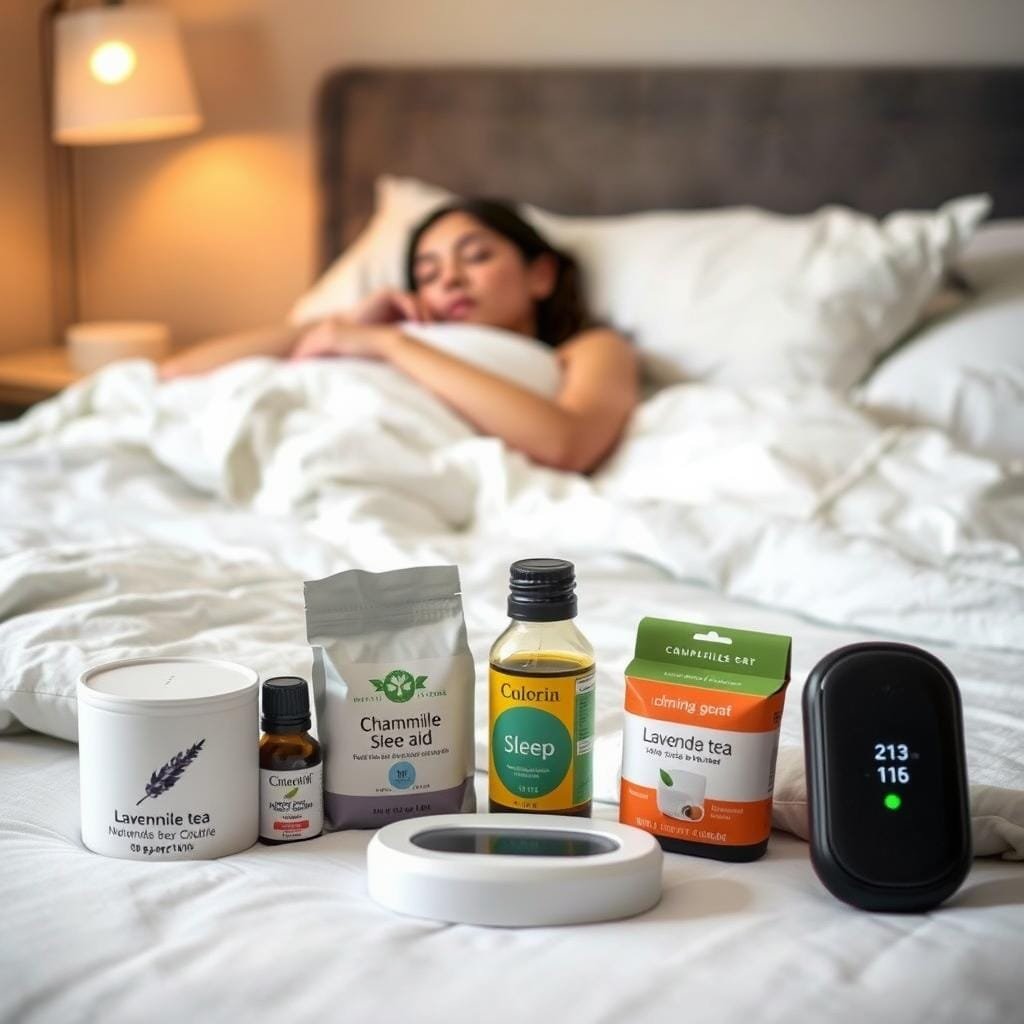
Finding natural ways to regulate your sleep cycle can help you sleep better. When you wake up at 3am, don’t check your phone or get a drink. These actions can make it hard to fall back asleep.
Instead, try natural approaches that support your body’s sleep mechanisms. These methods address the root causes of sleep disruption and promote overall sleep health.
Evidence-Based Relaxation Techniques
Sleep relaxation techniques are great for fighting middle-of-night wake-ups. They activate your parasympathetic nervous system, helping you relax.
Studies show these techniques can cut the time it takes to fall back asleep by up to 50%. They’re easy to do right away, without needing any special equipment.
Progressive Muscle Relaxation for Sleep
Progressive muscle relaxation (PMR) helps reduce physical tension that keeps you awake. It involves tensing and then releasing different muscle groups in your body.
- Start by tensing your toes for 5 seconds, then release completely
- Work your way up through each muscle group (calves, thighs, abdomen, etc.)
- Focus on the sensation of relaxation after each release
- Complete the entire sequence in about 10-15 minutes
Breathing Exercises to Try When You Wake Up
Simple breathing exercises can calm your mind and body when you wake up at 3am. The 4-7-8 breathing technique is very effective for nighttime awakenings.
- Inhale quietly through your nose for 4 seconds
- Hold your breath for 7 seconds
- Exhale completely through your mouth for 8 seconds
- Repeat this cycle 3-4 times
Unlike checking your phone or smoking, these exercises help you relax and fall back asleep.
Sleep-Promoting Nutrition and Supplements
Sleep nutrition is key to regulating your sleep cycle. Certain foods support the production of sleep hormones. Choosing the right foods and snacks can help you sleep better.
Include foods rich in tryptophan, magnesium, and complex carbs in your evening meals. These foods support healthy sleep patterns.
- Tart cherries (natural source of melatonin)
- Kiwi fruit (shown to improve sleep onset and duration)
- Almonds and walnuts (contain magnesium and melatonin)
- Whole grain oats (complex carbs that promote tryptophan uptake)
Some natural sleep aids have scientific backing. Melatonin, valerian root, and L-theanine can help regulate sleep. Always talk to a healthcare provider before starting any supplements.
Creating an Optimal Sleep Environment
Your bedroom environment greatly affects your sleep quality. Temperature, light, sound, and comfort are all important for continuous sleep.
The ideal sleep environment includes:
- Cool temperatures (65-68°F/18-20°C)
- Complete darkness (use blackout curtains if needed)
- Minimal noise (consider white noise machines if necessary)
- Comfortable, supportive bedding
- Clean, fresh air circulation
Instead of reaching for your phone, keep a dim reading light and a book nearby. Reading can calm your mind without the blue light from screens.
Mindfulness and Meditation Practices for Better Sleep
Sleep meditation techniques can calm a racing mind. Regular mindfulness practice can reduce insomnia symptoms by up to 50%.
Body scan meditation is great for sleep. Lie in bed and focus on each body part, noticing sensations without judgment. This practice helps you relax and sleep better.
For frequent wake-ups, having a meditation plan can prevent anxiety. Use this time for mindfulness, accepting the wake-up without frustration. Gently guide yourself back to sleep.
When and How to Seek Professional Help for Sleep Issues
If you can’t sleep at 3 a.m., it’s time to see a doctor. Sometimes, we wake up and can’t go back to sleep. But if it keeps happening, you need help.
Knowing when to get help is key. It can help you sleep better.
Signs Your Sleep Problems Require Medical Attention
Not every sleep problem needs a doctor. But some signs mean you should see a doctor. Persistent insomnia for more than three months is one sign.
Daytime sleepiness is another. If you’re too tired to work or play, it’s a sign. Morning headaches and feeling grumpy also mean you might need help.
Snoring or feeling like you’re choking in your sleep is serious. It might mean you have sleep apnea. Acting out dreams or jerking in your sleep also needs a doctor’s check.
Having sleep problems and other health issues is a big red flag. Your doctor can help figure out how they’re connected.
Types of Sleep Specialists and What to Expect
There are many doctors who help with sleep problems. Sleep medicine physicians are experts in diagnosing and treating sleep disorders. They can also order sleep studies.
Behavioral sleep medicine specialists use therapy to help you sleep better. Neurologists help with sleep problems related to the brain.
Your first visit will be about your sleep and health. You’ll fill out forms and talk about your sleep. Your doctor might suggest a sleep study to learn more about your sleep.
Common Sleep Disorder Treatments
Treatment depends on your sleep problem. For insomnia, cognitive behavioral therapy for insomnia (CBT-I) is the best choice. It helps change thoughts and behaviors that affect sleep.
Sleep apnea needs a special machine to help you breathe. Restless legs syndrome might be treated with medicine.
Chronotherapy helps adjust your sleep schedule. Light therapy can also help if you have a rhythm disorder.
Good treatment often uses many methods. Working with your doctor helps find the right plan for you. It changes as you get better.
Reclaiming Your Rest: Creating a Personalized Sleep Strategy
To stop waking up at 3am, you need a plan that fits you. The best sleep strategy uses many methods, not just one.
First, keep a sleep diary for a week. Write down when you go to bed, wake up, and any nighttime issues. Also, note how you feel in the morning. This diary shows what wakes you up.
Then, make a sleep plan that includes the best methods for you. Choose from:
• Make your sleep area comfy (right temperature, dark, quiet)
• Deal with stress and worries
• Change your daily habits (like when you drink coffee or use screens)
• Try relaxing activities (like deep breathing or meditation)
• Check with a doctor for any health issues
Some people use tools like the Philips Wake Up Light ($75). It gets great reviews for helping people wake up naturally.
Stick to your sleep plan for at least three weeks to see changes. Even small habits can make a big difference over time. If you keep waking up, talk to a sleep expert for help.
Good sleep is key for your health, mood, and brain. With the right plan, you can sleep better and avoid those early morning wake-ups.
FAQ
Why do I keep waking up at 3am every night?
Waking up at 3am is common. It happens when you’re switching sleep stages. This can be due to natural sleep patterns, hormone changes, or health issues.
For many, it’s just part of sleep. But it can be a problem if you can’t fall back asleep.
Is it normal to wake up at 3am?
Yes, waking up at 3am is normal. Humans naturally wake up during the night. This is because of how our sleep cycles work.
Our sleep cycles change throughout the night. This can make us wake up more easily in the early hours.
How can I fall back asleep after waking up at 3am?
To fall back asleep, try these tips: Stay in bed and avoid looking at the clock. Do deep breathing exercises like the 4-7-8 method.
Try progressive muscle relaxation and gentle mindfulness. If you can’t sleep, get up and do something quiet until you’re sleepy again.
Could my 3am awakenings be caused by sleep apnea?
Yes, sleep apnea can cause 3am wake-ups. It makes you stop breathing many times a night. This can wake you up in the early morning.
Signs include snoring and feeling tired during the day. If you think you have sleep apnea, see a doctor.
How does anxiety contribute to waking up at 3am?
Anxiety can make you wake up at 3am. This is because your mind is quiet at this time. It’s easier to think about worries.
Once awake, it’s hard to fall back asleep. You need to deal with your anxiety and use relaxation techniques.
Can my diet affect my 3am wake-ups?
Yes, your diet can affect your sleep. Caffeine and alcohol can disrupt your sleep. They can make you wake up in the middle of the night.
Also, eating too much or too little before bed can cause problems. Try to eat foods that help you sleep, like turkey and whole grains.
How does screen time before bed affect my sleep quality?
Screen time before bed can hurt your sleep. The blue light from screens can stop you from falling asleep. It can also make you wake up more during the night.
Try to stop using screens a few hours before bed. Instead, read a book or do something relaxing.
What role does room temperature play in nighttime awakenings?
Room temperature is important for sleep. Your body temperature changes during sleep. A room that’s too warm can wake you up.
Try to keep your bedroom cool. Use breathable bedding and a fan to make it comfortable.
Could hormonal imbalances be causing my 3am wake-ups?
Yes, hormonal issues can cause 3am wake-ups. Hormones like cortisol can affect your sleep. Problems with your thyroid or hormones can also disrupt your sleep.
If you think hormones are the problem, talk to a doctor. They can check your hormone levels and help you.
When should I see a doctor about waking up at 3am?
See a doctor if you wake up at 3am often. If it’s affecting your daily life, or if you have other symptoms, talk to a doctor. They can help you figure out why and find a solution.
What supplements might help with 3am awakenings?
Some supplements can help with 3am wake-ups. Melatonin can help with sleep cycles. Magnesium glycinate and L-theanine can relax you and improve sleep.
Valerian root and glycine may also help. But always talk to a doctor before taking any supplements.
How does the circadian rhythm affect 3am wake-ups?
Your circadian rhythm affects your sleep. It controls when you’re awake and asleep. Disruptions can make you wake up in the middle of the night.
Try to keep a regular sleep schedule. Get morning light and avoid screens at night to help your rhythm.
Can meditation help me get back to sleep after waking at 3am?
Yes, meditation can help you fall back asleep. It calms your mind and body. Try focusing on your breath or doing a body scan.
Guided sleep meditations can also help. Just make sure they’re audio-only to avoid screens.
Is the concept of segmented sleep relevant to my 3am awakenings?
Yes, segmented sleep is relevant. Humans used to sleep in two parts, with a wakeful period in between. This natural pattern may be why we wake up in the middle of the night.
Understanding this can help you feel less anxious about waking up. It can make it easier to fall back asleep.
How effective is cognitive behavioral therapy for insomnia (CBT-I) for treating 3am awakenings?
CBT-I is very effective for 3am awakenings. It helps you change your sleep habits and thoughts. It’s better than sleep medications in the long run.
It can be done with a sleep specialist or through online programs. It has a success rate of 70-80%.