Do you always feel sleepy, even after a good night’s rest? You might have hypersomnia. It’s a real sleep disorder that makes you very sleepy during the day. It’s not just being tired sometimes. It’s a big problem that affects almost 20% of people who drive in the United States.
People with hypersomnia find it hard to stay awake during everyday tasks. They sleep 7-9 hours or more each night. But they’re not just lazy or unmotivated. It’s because of their brain or other health issues, like sleep apnea.
This condition does more than just make you sleepy. It also makes it hard to focus, lowers your energy, and hurts your work or school performance. The National Sleep Foundation says about 30% of Americans are too sleepy to do their daily tasks.
Key Takeaways
- Hypersomnia is characterized by excessive sleepiness despite adequate nighttime sleep
- This condition affects roughly 30% of Americans, significantly impacting quality of life
- Excessive daytime sleepiness contributes to approximately one-fifth of motor vehicle accidents
- Hypersomnia can result from neurological factors or other medical conditions
- Symptoms include persistent drowsiness, difficulty concentrating, and reduced energy levels
- This is a legitimate medical condition requiring proper diagnosis and treatment
What Is Hypersomnia?
Hypersomnia is not just feeling tired sometimes. It’s a long-term problem where people feel very sleepy during the day. They can’t stay awake, even after sleeping a lot at night.
Medical Definition and Prevalence
Hypersomnia, or hypersomnolence, is a sleep disorder. It makes people very sleepy during the day for over three months. Doctors say it’s hard to stay awake during the day, even after sleeping a lot at night.
About 4-6% of people worldwide have hypersomnia. Many don’t get help because they think it’s just being tired.
Statistical Overview in the United States
In the U.S., 5% of adults have hypersomnia. It’s more common in people aged 18-35. Women are a bit more likely to have it than men.
Difference Between Hypersomnia and Normal Sleepiness
Normal sleepiness happens when we don’t sleep enough or when it’s our body’s natural time to rest. It goes away when we get enough sleep.
Hypersomnia keeps happening even after sleeping 7-9 hours. It feels like we can’t control our sleepiness. A cup of coffee might help normal tiredness, but not hypersomnia.
Normal sleepiness doesn’t last long, but hypersomnia can go on for years.
Impact on Quality of Life
Hypersomnia can really hurt our quality of life. It can make us less productive at work and even lose our jobs. It’s hard to focus on important tasks.
It also makes it hard to keep up with friends and family. People with hypersomnia might cancel plans a lot. They can feel frustrated, sad, and worried about falling asleep at the wrong times.
It’s also very dangerous. People with untreated hypersomnia are more likely to have car accidents.
The Science of Sleep Regulation
Our brains switch between being awake and asleep through special processes. These processes help us understand sleep disorders like hypersomnia. Our bodies use many systems to keep us awake during the day and asleep at night.
Normal Sleep Architecture
Sleep is not just one state but a series of stages in a sleep cycle. Every night, we go through many cycles of non-rapid eye movement (NREM) and rapid eye movement (REM) sleep.
NREM sleep has three stages. We start with light sleep (N1), then move to intermediate sleep (N2), and end with deep sleep (N3). REM sleep happens about 90 minutes after we fall asleep. It’s when we dream a lot and our eyes move fast.
Each stage has its own job. Deep NREM sleep helps our bodies recover and remember things. REM sleep helps us deal with emotions and think clearly.
| Sleep Stage | Duration | Characteristics | Function |
|---|---|---|---|
| NREM Stage 1 | 1-5 minutes | Light sleep, easily awakened | Transition to deeper sleep |
| NREM Stage 2 | 10-25 minutes | Sleep spindles, K-complexes | Memory processing |
| NREM Stage 3 | 20-40 minutes | Slow-wave sleep, difficult to wake | Physical restoration, immune function |
| REM Sleep | 10-60 minutes | Rapid eye movements, vivid dreams | Emotional processing, learning |
Neurotransmitters Involved in Wakefulness
Many brain chemicals help us stay awake or sleep. Orexin (hypocretin) is key for staying awake. Not having enough orexin can lead to narcolepsy and hypersomnia.
Other important chemicals are histamine, serotonin, and norepinephrine. They help us feel alert or sleepy. Dopamine also helps us stay awake and motivated.
Some people with hypersomnia might have too much of a special molecule in their brain fluid. This molecule makes them sleep a lot. It works like a sleeping pill.
Circadian Rhythm Disruptions
The circadian rhythm is our internal clock that tells us when to sleep and wake. It’s in the hypothalamus, our brain’s timekeeper. It mainly listens to light through our eyes.
When it works right, it makes us sleepy at night and awake in the morning. In the evening, it releases melatonin, making us sleepy. In the morning, it stops melatonin and starts cortisol, making us alert.
But, things like shift work or jet lag can mess with this rhythm. This can make our bodies think it’s the wrong time to sleep or wake up. This can lead to hypersomnia symptoms.
Types of Hyper Somnia
It’s important to know about different types of hypersomnia. This helps doctors find the right treatment for too much sleep. Each type has its own cause, symptoms, and how to treat it.
Primary Hypersomnia
Primary hypersomnia is when you sleep too much and it’s the main problem. It comes from the brain and is a unique condition.
Idiopathic Hypersomnia
Idiopathic hypersomnia means you’re always tired, even after sleeping a lot (10-14 hours). You feel very groggy when you wake up. It’s hard to get alert.
This condition doesn’t have cataplexy, unlike narcolepsy. Naps don’t help, and you don’t feel refreshed. It affects very few people.
Narcolepsy is when your brain can’t control sleep and wake times. There are two types:
- Type 1 narcolepsy (with cataplexy): You get muscle weakness from strong feelings and low hypocretin levels.
- Type 2 narcolepsy (without cataplexy): You’re very tired during the day but don’t have cataplexy.
The main symptoms are being very tired, muscle weakness, sleep paralysis, weird dreams, and bad sleep at night.
Secondary Hypersomnia
Secondary hypersomnia happens because of other health issues or things that mess with sleep or brain function.
Medical Condition-Related
Many health problems can make you sleep too much. This includes brain diseases, thyroid issues, infections, and autoimmune diseases. Sleep disorders like sleep apnea and restless leg syndrome also cause it.
Substance-Induced
Some medicines, like sedatives and antidepressants, can make you very tired. Drinking too much alcohol, using cannabis, or opioids can also mess up your sleep and make you tired during the day.
Kleine-Levin Syndrome
Kleine-Levin syndrome is a rare sleep disorder mostly in teenage boys. You sleep a lot (up to 20 hours) for days or weeks, then wake up normally for months. During sleep, you might act strangely, eat too much, and feel very sleepy. It usually goes away after a few years.
Common Causes of Excessive Daytime Sleepiness
Daytime sleepiness can come from many places. It can be from brain problems or side effects of medicines. Knowing what causes it is key to finding a cure.
Neurological Factors
The brain controls when we sleep and when we wake. But sometimes, it doesn’t work right. Damage to the hypothalamus, the sleep center, can mess up our sleep.
Even small brain injuries can change how we sleep. Diseases like Parkinson’s and Alzheimer’s can also make us very sleepy. This happens before other symptoms show up.
Narcolepsy is a rare brain problem. It makes it hard to stay awake during the day. This is because the brain doesn’t make enough hypocretin (orexin).
Sleep Disorders
Some sleep problems make us very sleepy during the day. This can make it hard to sleep well at night.
Obstructive Sleep Apnea
Sleep apnea is a big problem in the US. It happens when we stop breathing while we sleep. This can happen a lot at night.
These stops in breathing stop us from getting good sleep. This makes us very tired during the day. Being overweight or having a big neck can make it worse.
Restless leg syndrome makes our legs feel weird. It makes us want to move them a lot. This happens when we try to sleep.
This problem makes it hard to sleep well. People say it feels like bugs crawling on their legs. Moving helps, but only for a little while.
Medical Conditions
Some health problems can make us very sleepy. This can happen before we notice other symptoms.
Thyroid Disorders
Thyroid problems can mess with our sleep. If the thyroid is not working right, we might sleep a lot. This is because our body is not making enough energy.
The thyroid affects how our body works. It helps us feel awake and sleep. Even small problems can make us feel very tired.
Depression and Mental Health
Mental health and sleep are connected. Depression can make us sleep too much. About 15% of people with depression sleep a lot instead of not enough.
Anxiety can also mess with our sleep. This can make us feel tired during the day. Treating our mental health can help us sleep better.
Medications and Substances
Many medicines can make us feel sleepy. Antihistamines, even for allergies, can make us very tired.
Medicines like antidepressants and painkillers can also make us sleepy. Drinking alcohol can make us feel tired too. It can also mess up our sleep.
Drugs like marijuana and opioids can make us feel very sleepy. Even caffeine can make us sleepy if we don’t use it right.
Recognizing Hypersomnia Symptoms
Hypersomnia is more than just feeling tired. It’s a strong need for sleep that messes up daily life. Knowing these signs helps spot when sleepiness is a medical issue.
Cardinal Signs of Excessive Sleepiness
Excessive daytime sleepiness is a big sign of hypersomnia. People sleep a lot but wake up tired. They might sleep 10-11 hours a night but feel groggy in the morning.
Sleep drunkenness is another sign. It’s hard to wake up and feel confused. It’s like moving through fog.
Daytime naps are common too. These naps last a long time but don’t make you feel better. You might feel just as tired after napping.
Cognitive and Performance Effects
Cognitive impairment is a big problem. It makes it hard to focus and remember things. You might forget important stuff.
Memory and attention get worse. It’s hard to keep up with conversations or tasks. You might forget what you were doing.
Reaction times slow down. This can be dangerous, like when driving. It’s like being drunk.
Emotional and Psychological Impact
Hypersomnia can make you feel irritable. It’s hard to handle small things. It feels like everything is too much.
You might feel unmotivated and apathetic. This can lead to anxiety or depression. It affects your relationships and work.
Some people see or hear things that aren’t there. This happens when they’re waking up. It’s very scary.
Differences from Fatigue and Tiredness
Hypersomnia is different from just being tired. It’s about sleeping too much. Normal tiredness goes away with rest.
People with hypersomnia keep feeling tired, even after sleeping a lot. They don’t feel refreshed. It’s hard to tell them apart.
Changing your lifestyle helps with normal tiredness. But hypersomnia doesn’t get better with these changes. This is why people seek medical help.
Diagnostic Approach for Hypersomnia

When too much sleep messes up your day, doctors use a special plan to figure out if you have hypersomnia. They need to know if it’s really hypersomnia or something else. This means they might do a few things, like talk to you and do tests.
Initial Medical Evaluation
The first step is a detailed check-up. Your doctor will ask about your sleep, how long you sleep, and how well you sleep. They’ll also look at your health history, what medicines you take, and if your family has sleep problems.
They might use a tool called the Epworth Sleepiness Scale to see how sleepy you are. If you score high, they’ll want to look closer.
Your doctor will also do a physical check. They might take blood tests to see if something like thyroid problems or anemia is causing your sleep issues.
Sleep Studies and Specialized Tests
If it looks like you might have hypersomnia, they’ll do special sleep study tests. These tests show how you sleep at night and during the day.
Polysomnography is the top test for sleep problems. It watches your brain, eyes, muscles, heart, breathing, and blood oxygen while you sleep. It helps find out if you have sleep problems like sleep apnea.
Recent studies say polysomnography can tell different types of hypersomnia apart. You can read more about it here.
Multiple Sleep Latency Test (MSLT)
The MSLT is done after polysomnography. It checks how fast you fall asleep during naps. You’ll take four to five naps, each 20 minutes long.
People with hypersomnia usually fall asleep very quickly. Narcolepsy is different because you fall into REM sleep too fast.
Differential Diagnosis Considerations
Doctors have to make sure it’s not something else that looks like hypersomnia. They’ll look at things like not sleeping enough, problems with your body clock, depression, and side effects from medicines. They’ll make sure it’s really hypersomnia before they say it is.
Some health problems, like thyroid issues or brain injuries, can make you feel very sleepy. Finding out what’s really going on is key to treating you right.
Sleep Diaries and Self-Assessment Tools
You can help figure out what’s going on by keeping a sleep diary. It tracks your sleep, how sleepy you feel, and what might make you tired. This helps doctors see patterns they might miss.
Apps and wearables can also help. They give real data on how well you sleep. This helps both you and your doctor see how things are going.
Treatment Strategies for Hypersomnia
There are many ways to treat hypersomnia. Doctors use medicines and changes in behavior. Each person needs a plan that fits their needs.
Pharmacological Approaches
Medicines are a big part of treating hypersomnia. They help the brain stay awake and fight tiredness.
Stimulant Medications
Traditional stimulants like methylphenidate and amphetamine help you stay alert. They work by making more dopamine in the brain. But, they can cause side effects like a fast heart rate and high blood pressure.
Doctors start with small doses. They then increase it until the symptoms get better. It’s important to see the doctor often to make sure the medicine is working right.
Wake-Promoting Agents
Wake-promoting agents are different from traditional stimulants. They help you stay awake without the strong effects of amphetamines. Modafinil (Provigil) and armodafinil (Nuvigil) are examples.
New medicines like pitolisant (Wakix) work on histamine to help you stay awake. Sodium oxybate (Xyrem) taken at night helps people with narcolepsy stay alert during the day by improving sleep.
Behavioral and Lifestyle Interventions
Medicine alone is not enough for many people. Good sleep habits can help a lot. Keep a regular sleep schedule and make your sleep area dark, quiet, and comfy.
Short naps can help too. Naps of 15-20 minutes can refresh you without messing up your nighttime sleep. Exercise, done early in the day, can also help you sleep better and stay alert.
Treating Underlying Conditions
Some cases of hypersomnia come from other health issues. Treating these problems can help a lot. Sleep apnea treatment with CPAP can help with tiredness. Managing thyroid problems, depression, or side effects from medicines can also improve symptoms.
Finding and treating the cause needs a team of sleep experts. They can help a lot.
Emerging Therapies and Clinical Trials
New research is finding more ways to treat hypersomnia. New medicines and treatments are being tested. Some studies look at using the immune system to fight hypersomnia.
Things like transcranial magnetic stimulation are also being explored. If you want to try new treatments, talk to your sleep doctor about joining a study.
| Medication Class | Examples | Mechanism | Best For | Considerations |
|---|---|---|---|---|
| Traditional Stimulants | Methylphenidate, Amphetamines | Increase dopamine | Severe hypersomnia | Higher side effect profile, potentially addictive |
| Wake-Promoting Agents | Modafinil, Armodafinil | Multiple neurotransmitters | Most hypersomnia types | Lower abuse risk, milder side effects |
| Histamine-Targeting | Pitolisant | Histamine H3 antagonist | Narcolepsy-related hypersomnia | Newer option, may be better tolerated |
| Sodium Oxybate | Xyrem | GABA-B receptor agonist | Narcolepsy with cataplexy | Taken at night, strict safety program required |
Living with Hypersomnia: Daily Management
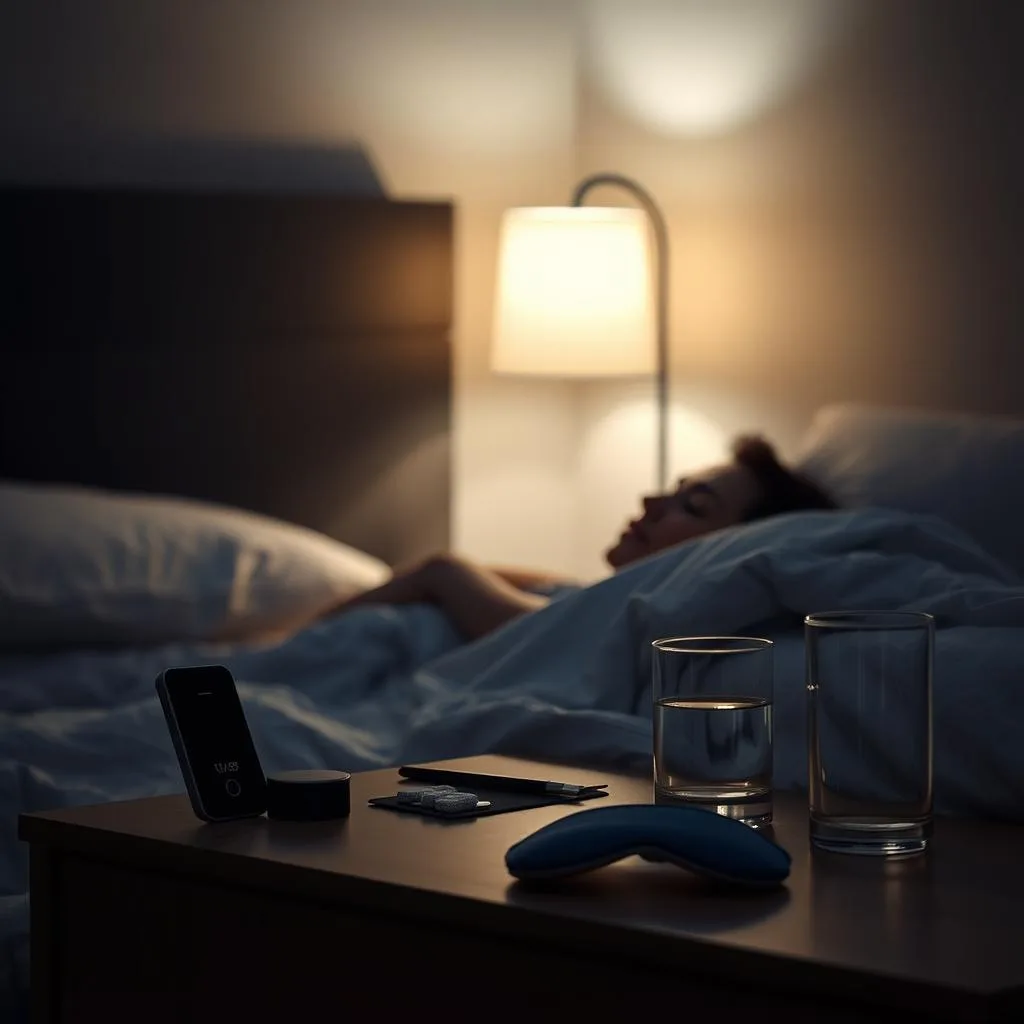
Managing hypersomnia every day needs special techniques. These go beyond just sleep tips. By using the right sleep habits, work changes, and safety steps, you can control your symptoms better.
Sleep Hygiene Optimization
For hypersomnia, sleep habits are very important. Consistency is key. Try to sleep and wake up at the same time every day, even on weekends.
Make your bedroom cool, dark, and free from screens. Use blackout curtains and white noise machines. Avoid screens for at least an hour before bed to help sleep better.
Strategic Napping Techniques
Napping can help with hypersomnia. It’s about timing and how long you nap. Try 15-20 minute naps when you feel tired to avoid feeling groggy later.
Nap sitting up to avoid deep sleep. Set alarms and ask others to wake you up. This helps you stay alert and focused.
Workplace Accommodations
Talking to your boss about hypersomnia can help a lot. Flexible schedules let you work when you’re most awake. Brighter lights, standing desks, or cooler rooms can also help stay alert.
Hypersomnia might be covered by the Americans with Disabilities Act. Get a doctor’s note and work with HR to get help at work. This could include breaks for naps or using techniques to stay awake during meetings.
Driving and Safety Considerations
Hypersomnia is very dangerous when driving. Never drive if you’re too tired. If you must drive, use these safety tips:
| Safety Strategy | Implementation | Benefits | Limitations |
|---|---|---|---|
| Rideshare services | Use apps for transportation | Eliminates driving risk | Cost and availability |
| Medication timing | Take wake-promoting meds before driving | Maximizes alertness | Requires prescription |
| Driving companions | Travel with alert passengers | Provides monitoring | Not always possible |
| Public transportation | Use buses, trains when available | Safe alternative | Limited routes/schedules |
Support Systems and Resources
Find groups like the Hypersomnia Foundation or Narcolepsy Network. They offer help, advice, and support. This can make you feel less alone.
Tell your friends and family about hypersomnia. Explain it’s not laziness but a real condition. They can help by understanding and supporting your plan. Online groups and resources share tips from others who know what you’re going through.
When to Consult a Sleep Specialist
Knowing when to see a sleep medicine expert is key. Too much sleep can hurt your safety and life quality. Getting help early can change your life for the better.
Red Flags and Warning Signs
Some signs mean you need to see a sleep specialist. Feeling very sleepy during the day, even after sleeping well, is a sign. It’s time to get help.
Being very sleepy and falling asleep in bad places is very dangerous. It’s a big warning sign that needs quick action.
Other signs include needing long naps that don’t help, doing things without thinking, or sleepiness affecting work or school. These are big warnings.
Preparing for Your Medical Appointment
Getting ready for your sleep disorder consultation is important. Be ready to talk about your sleep problems in detail. Share how they affect your life.
Questions to Ask Your Doctor
Make a list of questions for your doctor. Ask about possible causes, treatments, and side effects. Also, ask about new research in sleep medicine.
Information to Bring Along
Take lots of information to your appointment. Bring a sleep log for two weeks, a list of medicines, and medical history. Also, bring any sleep questionnaires your doctor wants.
Finding Specialized Care
Not all doctors know a lot about sleep disorders. For hypersomnia, see a sleep specialist who knows a lot about sleep.
Ask your doctor for a referral or look for sleep centers through the American Academy of Sleep Medicine. University sleep programs have the latest tools and treatments.
Insurance and Coverage Considerations
Check your insurance coverage for sleep services before you go. Many plans cover sleep studies and visits, but it varies.
Be ready for costs and ask about tests needing approval. If insurance says no, your doctor can help with appeals.
Getting the right help for hypersomnia is important. It’s not just about sleep. It’s about keeping you safe and healthy for a long time.
Navigating Life Beyond the Diagnosis: Building Resilience
Getting a hypersomnia diagnosis starts a journey. It needs both smart plans and strong feelings. Research shows that people with this condition might feel sad or worried a lot. This is because they are always tired and stressed.
Managing chronic sleep disorders needs a few steps. Eating the right foods is key. Eating less than 100 grams of carbs a day helps keep blood sugar steady. This can make you feel less sleepy during the day.
Drinking enough water and keeping the right balance of salts is also important. Not having the right balance can make you feel tired and not sharp.
When taking medicine, when and how you take it matters. Amphetamine-based medicines work best if you drink lots of water first. Wait at least 45 minutes before eating or 2 hours after a meal. Taking breaks from your medicine can help your body get used to it again.
Living with hypersomnia means finding ways to cope that work for you. Drinking caffeine 90-120 minutes after waking up makes it more effective. Keeping good sleep habits is also very important.
Creating a life beyond just the diagnosis is key. Many find strength in joining support groups. Being your own advocate in school, work, and healthcare is also very important. It helps get the help you need.
Even though hypersomnia is tough, many find ways to live well. It’s a journey of patience, trying new things, and celebrating small wins. It’s about managing this complex sleep disorder.
FAQ
What is hypersomnia and how is it different from just being tired?
Hypersomnia is a sleep disorder that makes you very sleepy during the day. You might sleep a lot at night too. It’s not just feeling tired. It’s a long-term problem that affects your daily life.
Unlike normal tiredness, hypersomnia doesn’t get better with more sleep. It needs medical help. It’s about sleeping too much, not just not sleeping well.
How common is hypersomnia?
About 4-6% of people in the U.S. have hypersomnia. This number changes based on the type. Some types, like narcolepsy, are rarer.
Hypersomnia can start at any age but often begins in teens or young adults.
What causes hypersomnia?
Many things can cause hypersomnia. It can be from brain injuries or diseases. It can also come from sleep disorders, medical conditions, or mental health issues.
Some cases, like idiopathic hypersomnia, don’t have a clear cause. But they are linked to brain chemicals.
What are the main types of hypersomnia?
There are a few main types. Primary hypersomnias include idiopathic hypersomnia and narcolepsy. These are without a known cause.
Secondary hypersomnias are caused by other conditions or medicines. Recurrent hypersomnias happen in episodes, like Kleine-Levin Syndrome.
What are the typical symptoms of hypersomnia?
Symptoms include being very sleepy during the day. You might sleep a lot at night too. Naps don’t make you feel refreshed.
It’s hard to wake up and you might feel slow or foggy. You could also feel irritable or unmotivated.
How is hypersomnia diagnosed?
Doctors use many steps to diagnose hypersomnia. They look at your sleep and medical history. They might do sleep studies or blood tests.
It’s important to see a sleep specialist for a proper diagnosis.
What treatments are available for hypersomnia?
Treatments include medicines and lifestyle changes. Doctors might prescribe stimulants or wake-promoting agents. They might also suggest structured sleep schedules or napping.
They might also treat any underlying conditions. New treatments are being developed too.
Is it safe to drive with hypersomnia?
No, it’s not safe to drive with untreated hypersomnia. It’s as dangerous as driving drunk. You should avoid driving when you’re sleepy.
After treatment, you might be able to drive safely again. But this depends on your case. Some states require reporting sleep disorders that affect driving.
Can I work with hypersomnia?
Yes, many people with hypersomnia work successfully. They might need accommodations like flexible hours or breaks. The ADA protects people with hypersomnia.
Working with your doctor and HR can help find good solutions for your workplace.
What lifestyle changes can help manage hypersomnia?
Changes like regular sleep schedules and a good sleep environment help. Short naps and exercise are also good. Avoid alcohol and caffeine at the wrong times.
Eating well and using morning light can also help. These changes can improve your sleep and wakefulness.
When should I see a doctor about excessive sleepiness?
See a doctor if you’re always tired, even after sleeping. If you fall asleep in weird places or need long naps, see a doctor. Sleepiness that affects your life needs medical help.
Don’t wait to get help if you’re struggling with sleepiness.
Is hypersomnia curable?
It depends on the cause. Some cases, like those caused by sleep apnea, can be cured. But primary hypersomnias like narcolepsy are usually chronic.
Even so, treatment can make symptoms much better. You can live a good life with hypersomnia.
How does hypersomnia affect mental health?
Hypersomnia can hurt your mental health. It can lead to depression, anxiety, and feeling isolated. It can also make you feel bad about yourself.
Treatment should help both your sleep and mental health. Sometimes, this means counseling.
Are there support groups for people with hypersomnia?
Yes, there are groups like the Hypersomnia Foundation and Wake Up Narcolepsy. They offer online forums, support groups, and resources. Connecting with others can be very helpful.
These groups provide emotional support and practical advice.
Can children have hypersomnia?
Yes, kids and teens can have hypersomnia. It might look different than in adults. They might act out or have trouble paying attention.
Narcolepsy often starts in teens. Kleine-Levin Syndrome usually affects boys. Getting the right diagnosis is important.