Struggling with sleepless nights can feel overwhelming. If you’ve been exploring options for insomnia treatment, you may have heard about Belsomra. This prescription sleep medicine works differently than traditional options available today.
Unlike conventional sleep medication that targets GABA receptors, Belsomra focuses on a different pathway in your brain. It blocks orexin, a neurotransmitter that keeps you awake. By stopping these wake signals, Belsomra helps your brain sleep naturally.
What makes this sleep medication unique is its targeted approach. It works on the wake-sleep cycle, not broadly sedating your brain. This can be very helpful for those who haven’t found success with other treatments.
In this guide, we’ll cover how Belsomra works, its side effects, how to use it, and what to expect. Whether you’re thinking about trying it or researching for someone else, you’ll find the info you need. This will help you make a smart choice about this innovative sleep medicine.
Key Takeaways
- Belsomra is a prescription sleep medication that targets the orexin system
- It works differently than traditional sleep aids by blocking wake signals in the brain
- This medication should be taken within 30 minutes of bedtime when you can get a full night’s sleep
- Users should plan for at least 7 hours of sleep after taking Belsomra
- It’s important to discuss all current medications and health conditions with your doctor before starting treatment
- Side effects may include next-day drowsiness and decreased alertness
What Is Belsomra?
Belsomra is a special sleep aid. It helps you sleep by blocking signals in your brain that keep you awake. The FDA approved it in 2014. It’s a new kind of drug that works differently than old sleep medicines.
It’s for people who have trouble falling or staying asleep. You take it as a tablet before bed. It’s a new way to help with long-term sleep issues.
Belsomra is a Schedule IV controlled substance. This means it can be addictive, but not as much as other drugs. Always take it as your doctor tells you to.
The Science Behind This Sleep Medication
Belsomra changes how your brain works to sleep. It blocks orexin receptors in your brain. Orexin helps you stay awake.
When orexin binds to its receptors, it keeps you alert. Belsomra blocks these receptors. This lets you sleep better. It’s different from old sleep medicines that just slow down your brain.
Discovering orexin’s role in sleep was a big step in sleep medicine. It helped researchers find new ways to treat insomnia.
FDA Approval and Classification
In August 2014, Belsomra was the first of its kind approved by the FDA. It helps people fall asleep faster and sleep longer. This was after many clinical trials showed it worked well.
It’s a Schedule IV controlled substance. This means it has some risk of abuse or addiction. But it’s safer than some other drugs. The DEA says it’s less likely to be abused than others.
| Classification Aspect | Belsomra Details | Clinical Implications | Patient Considerations |
|---|---|---|---|
| Drug Class | Orexin receptor antagonist | Novel mechanism of action | May work when other sleep aids fail |
| Legal Status | Schedule IV controlled substance | Prescription monitoring required | Refills may be limited |
| FDA Approval | August 2014 | First in class approval | Established safety profile |
| Available Strengths | 5mg, 10mg, 15mg, 20mg | Dosage can be tailored | Typically start with lowest effective dose |
The controlled substance status means there are rules for how it’s given. You might need a new prescription for refills. This helps keep it safe and prevent misuse.
Understanding Insomnia and Sleep Disorders
Insomnia makes it hard to fall or stay asleep. It affects about 30% of adults at some point. About 10% have chronic insomnia for months or years.
Long-term sleep problems can really hurt your daily life. If Belsomra doesn’t help after a week or two, see your doctor. You might need a different treatment.
Types of Insomnia
Sleep onset insomnia makes it hard to start sleeping. People with this lie awake for 30 minutes or more. It’s often linked to anxiety or racing thoughts.
Sleep maintenance insomnia makes it hard to stay asleep. People wake up a lot and can’t fall back asleep. It’s often due to health issues or sleep apnea.
Insomnia can be short-term or long-term. Short-term insomnia lasts a few weeks and is often caused by stress. Chronic insomnia lasts over three months and needs more than just medicine.
Impact of Sleep Disorders on Health
Untreated sleep disorders can cause big health problems. They can lead to heart disease, stroke, diabetes, and obesity. They also weaken the immune system, making you more likely to get sick.
Not getting enough sleep hurts your brain. It makes it hard to remember things, focus, and make decisions. It can cause accidents and make you less productive at work.
Bad sleep also affects your mood. It can lead to depression, anxiety, and mood swings. Mental health issues can also make sleep problems worse, creating a cycle that needs medical help to break.
How Belsomra Works in the Body
Belsomra is a new way to help people sleep better. It works by fixing the brain’s wake-up signals. This is different from old sleep medicines that just make you sleepy.
This medicine is a big step forward in sleep science. It helps your body sleep naturally, not just make you fall asleep.
The Orexin Receptor Antagonist Mechanism
Belsomra is special because it blocks orexin receptors. Orexin is a brain chemical that keeps us awake. People with insomnia have too much orexin at night.
It works by attaching to orexin receptors in the brain. This stops orexin from working. This is why Belsomra is different from other sleep medicines.
When Belsomra blocks orexin receptors, it stops the brain’s wake signals. Think of orexin like your brain’s alarm clock. It helps you stay awake during the day.
But for people with insomnia, this alarm doesn’t turn off at night. Belsomra stops orexin from working, letting you sleep.
Targeting the Sleep-Wake Cycle
The sleep-wake cycle is controlled by many brain chemicals. Belsomra doesn’t make you sleep. It just helps your body sleep naturally.
This way, Belsomra helps your sleep cycle get back in balance. It works by fixing a specific problem, not just making you sleepy.
Differences from Traditional Sleep Medications
Old sleep medicines like Valium or Xanax work by making GABA stronger. GABA is a brain chemical that makes you calm. But these medicines can make you feel groggy and forgetful in the morning.
These medicines make you sleepy by making your brain less active. But Belsomra works differently. It targets only the wake signals, not the whole brain.
- Traditional sleep aids: Enhance GABA activity, creating widespread brain depression
- Belsomra: Blocks orexin receptors, specific wake-promoting pathways
- Traditional medications: May cause more pronounced sedation and “hangover” effects
- Belsomra: Designed to minimize next-day impairment through its targeted mechanism
Belsomra feels different from other sleep medicines. It helps you fall asleep more naturally. This is because it only targets wake signals, not the whole brain.
This unique way of working might mean fewer side effects and less chance of getting hooked. But always use sleep medicines with a doctor’s help.
Benefits and Effectiveness of Belsomra
Belsomra helps people with insomnia sleep better. It works differently than other sleep medicines. It helps people fall asleep and stay asleep all night.
Clinical Trial Results
Studies showed Belsomra is good for sleep. Over 1,800 people took part in these clinical studies. They fell asleep faster and slept longer than those on a placebo.
One study lasted 12 months. People taking Belsomra kept sleeping better without getting used to it too fast. The 10mg and 20mg doses were best.
Belsomra is different from other sleep medicines. It targets orexin, not the whole nervous system. This makes it safer and more effective for some.
Improvements in Sleep Quality and Duration
Belsomra makes sleep better in many ways. It improves sleep efficiency and makes sleep more refreshing. People also felt better during the day.
Effects on Sleep Onset
Belsomra helps people fall asleep faster. It cuts sleep latency by 8-10 minutes. The 20mg dose works best, starting to help in 30 minutes.
Effects on Sleep Maintenance
Belsomra also helps people stay asleep. They sleep 10-25 minutes more each night. They wake up less during the night.
How well Belsomra works varies. Some see big changes, others small. Age, how bad insomnia is, and health can affect how well it works.
Potential Side Effects and Risks
Belsomra is a new way to treat insomnia. It has its own set of side effects and risks. Knowing how it might affect you is key to using it safely.
Many people do well on Belsomra. But, knowing about possible bad effects helps you know when to get help.
Common Side Effects
The most common suvorexant side effects are mild to moderate. Daytime drowsiness is a big one, affecting about 7% of users. This can make it hard to drive or use machines.
Other common side effects are headaches, dizziness, and weird dreams. Some people get dry mouth, colds, or cough. Women might need smaller doses to avoid too much sleepiness.
Most side effects get better over time. But, if they don’t, talk to your doctor.
Serious Adverse Reactions
Complex sleep behaviors are a big worry with Belsomra. This means doing things while not fully awake, like sleep-walking or driving.
Sleep paralysis is another serious issue. It’s when you can’t move or speak when falling asleep or waking up. It’s scary but usually goes away on its own.
Belsomra can also make depression worse or cause suicidal thoughts. Rare but serious allergic reactions need quick medical help. Some people feel weak in their legs, like cataplexy.
Risk of Dependency and Withdrawal
Belsomra is a Schedule IV controlled substance. This means it can lead to dependency and abuse. It changes brain chemistry by blocking orexin receptors, leading to physical dependence.
Using too much, for too long, or having a history of substance abuse increases dependency risk. Signs include needing more to feel the same effect or strong urges to take it.
Stopping Belsomra after long use can cause withdrawal. This includes rebound insomnia, anxiety, and irritability. Rarely, it can lead to seizures. Always talk to your doctor before stopping to safely taper off.
| Side Effect Category | Common Examples | Frequency | When to Seek Help |
|---|---|---|---|
| Common Side Effects | Daytime drowsiness, headache, dizziness | 5-7% of patients | If persistent or interfering with daily activities |
| Serious Reactions | Complex sleep behaviors, sleep paralysis | Less than 1% | Immediately upon occurrence |
| Dependency Signs | Needing higher doses, strong urges to take medication | Varies by individual | At first sign of dependency concerns |
| Withdrawal Symptoms | Rebound insomnia, anxiety, irritability | Common with abrupt discontinuation | Before attempting to stop medication |
Proper Dosage and Administration of Belsomra
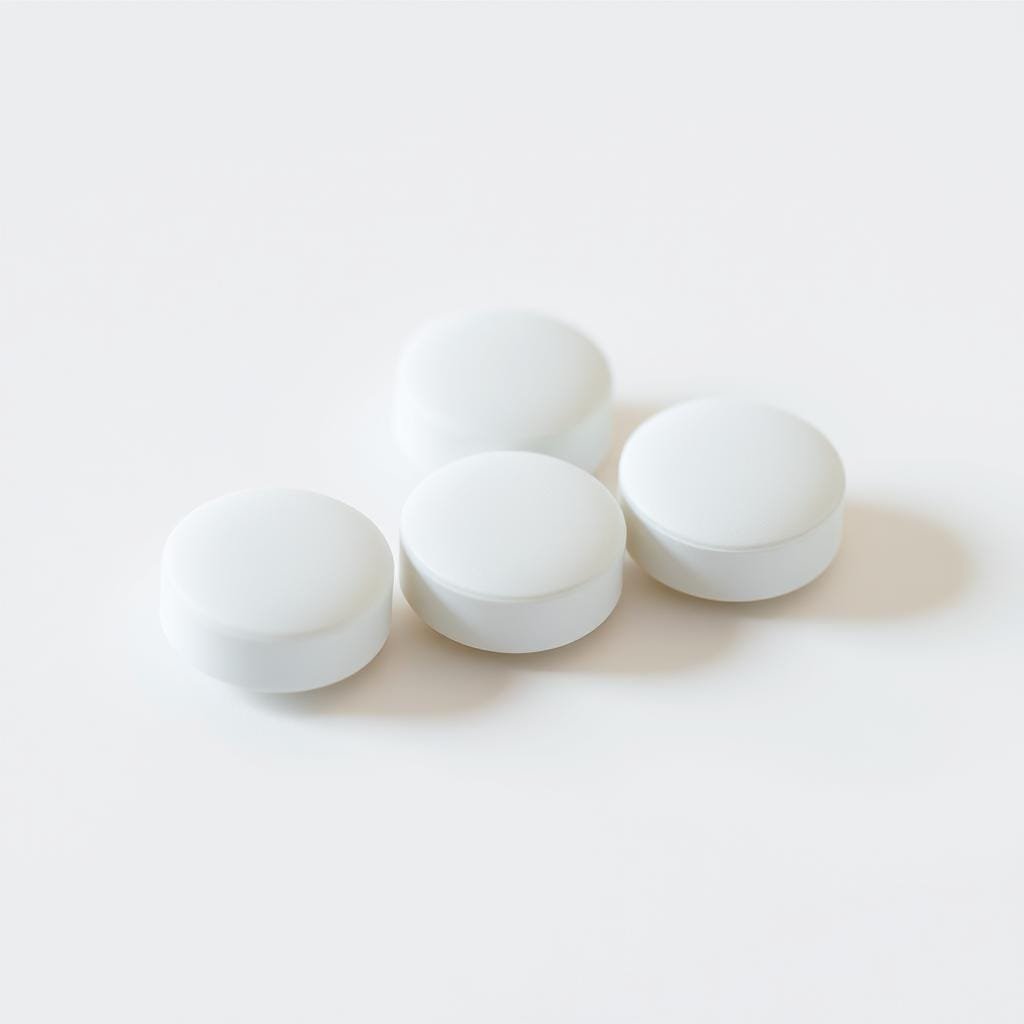
Finding the right Belsomra dosage is key for good sleep. Belsomra (suvorexant) comes in different strengths. Knowing how to take it right can help a lot.
Recommended Starting Dose
Belsomra tablets are in four strengths: 5mg, 10mg, 15mg, and 20mg. Most adults start with a 10mg dose. This helps avoid side effects.
Some people need different doses. Older adults, those with liver issues, or those on other meds might start with 5mg. Women might also need lower doses.
Your doctor might increase your dose to 15mg or 20mg if needed. But, taking more than 20mg can cause more harm than good.
Timing and Usage Instructions
When you take Belsomra is important. Take it once a night, 30 minutes before bed. This helps it work better.
Make sure you have at least 7 hours to sleep after taking Belsomra. Not getting enough sleep can make you feel tired the next day.
You can take Belsomra with or without food. But, eating too close to taking it might slow it down. For quicker sleep, take it on an empty stomach or 2-3 hours after eating.
Taking Belsomra Correctly
Swallow Belsomra tablets whole with water. Don’t crush or chew them. This can change how the medicine works.
Don’t drink alcohol with Belsomra at night. It can make you very sleepy and increase risks.
Keep Belsomra in a cool, dry place. Store it in its original container and keep it away from kids. It’s a controlled substance.
What to Do If You Miss a Dose
If you forget to take Belsomra, only take it if you have 7 hours left for sleep. Don’t take it in the morning or during the day. It can make you very sleepy.
Don’t take two doses to make up for missing one. Just wait until the next night. Taking it at the same time every night helps it work better.
Who Should Consider Belsomra
Belsomra is a special sleep medicine. It’s not for everyone. You need to think about a few things before trying it.
It works by blocking orexin receptors. This is different from other sleep medicines. But, it’s not good for everyone. Some people should not take it because it’s not safe for them.
Ideal Candidates for This Medication
Belsomra is for adults with chronic insomnia. This means they have trouble falling or staying asleep. It helps those who really need it to sleep better.
It’s best for people who have tried other sleep medicines but didn’t work. If you’ve had bad side effects from other medicines, Belsomra might be better.
It’s also for those who want a different kind of sleep medicine. Belsomra targets the orexin system. This makes it a good option for long-term insomnia that other treatments can’t fix.
Contraindications and Warnings
But, Belsomra is not for everyone. People with narcolepsy should not take it. It can make narcolepsy worse.
Those with sleep behaviors like sleepwalking or sleep-driving should be careful. It might make these behaviors worse. Also, if you’re taking certain medicines, talk to your doctor first.
Special Populations (Elderly, Pregnant Women)
Older adults need to be careful with Belsomra. They might be more sensitive to it. Doctors often start with a small dose and watch for side effects.
Pregnant or breastfeeding women should talk to their doctor first. There’s not much information about Belsomra’s safety in these situations. It’s important to weigh the risks and benefits together.
Pre-existing Conditions to Consider
Some health conditions need extra thought before taking Belsomra:
| Condition | Concern | Recommendation | Monitoring Needed |
|---|---|---|---|
| Liver Disease | Reduced drug metabolism | Lower dosage may be required | Liver function tests |
| Sleep Apnea | May worsen breathing during sleep | Evaluate risk-benefit carefully | Sleep patterns and breathing |
| Depression | Potential worsening of symptoms | Close monitoring recommended | Mood changes and suicidal thoughts |
| Substance Abuse History | Risk of dependence (Schedule IV) | Consider non-controlled alternatives | Signs of misuse or dependency |
Drug Interactions with Belsomra
Belsomra can mix with many drugs and things, changing how well it works or making side effects worse. It’s key for users to know about these interactions to use Belsomra safely. Belsomra affects the brain’s sleep-wake cycle. Mixing it with some things can be very dangerous.
Medications to Avoid
Belsomra is broken down by the liver’s CYP3A enzyme system. This makes it prone to many drug interactions. Strong CYP3A inhibitors can make Belsomra levels in your blood go up, which can make side effects worse.
Some drugs that can make Belsomra levels go up include:
- Antifungal meds like ketoconazole, itraconazole (Sporanox), and fluconazole (Diflucan)
- Antibiotics like clarithromycin, erythromycin, and ciprofloxacin
- HIV meds like ritonavir (Norvir), atazanavir, and nelfinavir (Viracept)
- The antidepressant nefazodone
On the other hand, CYP3A inducers like rifampin, carbamazepine, and phenytoin can make Belsomra less effective. Your doctor might change your dose if you’re taking these.
Drugs that make you sleepy can be very dangerous when mixed with Belsomra. This includes benzodiazepines, opioids, tricyclic antidepressants, and other sleep medicines. Mixing them can cause too much sleepiness, trouble moving, and even breathing problems.
Food and Alcohol Interactions
Never drink alcohol with Belsomra. This mix can make you very sleepy, slow your breathing, and increase the risk of serious side effects. Even a little bit of alcohol is not safe while taking this medicine.
Grapefruit juice is a CYP3A inhibitor that can affect how Belsomra is processed in your body. Drinking grapefruit juice regularly can make Belsomra levels in your blood go up, making side effects worse. It’s best to avoid grapefruit and its juice while taking Belsomra.
High-fat meals can slow down how Belsomra works by slowing its absorption. For the best results, take Belsomra at least 30 minutes before bed. Also, avoid eating big meals within 3 hours of taking your dose.
Comparing Belsomra to Other Sleep Medications

Belsomra is the first orexin receptor antagonist for insomnia. It works differently than most sleep aids. Instead of depressing the brain, it targets wakefulness. This makes Belsomra stand out in how well it works, its side effects, and when to use it.
Belsomra vs. Benzodiazepines
Belsomra blocks orexin receptors to help you sleep. Benzodiazepines like temazepam and triazolam work by boosting GABA. This difference affects how they work and their side effects.
Benzodiazepines start working fast, in 15-30 minutes. But, they can lead to dependence and rebound insomnia. They also cause hangover effects like drowsiness and brain fog the next day.
Belsomra is not as likely to be abused. It’s a Schedule IV drug. This makes it safer for people with substance use issues or long-term insomnia.
Belsomra vs. Non-Benzodiazepine Hypnotics
Z-drugs, like zolpidem (Ambien), work on GABA receptors but less broadly. This can reduce side effects.
Z-drugs have shorter half-lives, which may help avoid morning grogginess. But, they can cause sleep-walking, amnesia, and dependence.
Belsomra might be better for those who don’t respond well to Z-drugs. It’s less likely to cause complex sleep behaviors. But, watch out for these risks.
Belsomra vs. Over-the-Counter Sleep Aids
OTC sleep aids include diphenhydramine (Benadryl) and melatonin. They’re easier to get but not as well-studied for long-term insomnia.
Diphenhydramine makes you sleepy but has side effects like dry mouth and constipation. These can be big problems for older people.
Melatonin helps with sleep onset but might not fix sleep maintenance issues. Belsomra is better at this.
| Medication Type | Mechanism | Onset Speed | Dependency Risk | Key Considerations |
|---|---|---|---|---|
| Belsomra | Orexin receptor antagonist | Moderate | Low to moderate | Newer option; targets wakefulness system |
| Benzodiazepines | GABA enhancer | Rapid | High | Effective but high risk of dependence |
| Z-drugs (Ambien, Lunesta) | Selective GABA modulator | Rapid | Moderate to high | Risk of complex sleep behaviors; shorter duration |
| OTC Antihistamines | Histamine blocker | Moderate | Low | Anticholinergic side effects; tolerance develops quickly |
| Melatonin | Hormone supplement | Slow | Very low | Mild effects; best for circadian rhythm disorders |
Long-Term Use of Belsomra
Belsomra is a controlled substance for insomnia. It’s important to watch for safety and how well it works over time. Doctors need to think carefully before using it for a long time.
Safety Considerations for Extended Use
Studies show Belsomra is safe for up to a year. But, we don’t know much about using it for longer. This is why it’s key to see your doctor often if you’re taking it for a long time.
Doctors will check if you need it, how well it’s working, and watch for side effects. They might suggest breaks from the medicine to see if you can sleep well without it.
Long-term use might affect how you sleep. Belsomra is different from other sleep medicines. But, we don’t know for sure if it could change your brain over time.
Developing Tolerance and Effectiveness Over Time
Some worry that sleep medicines won’t work as well over time. Tolerance means you need more to sleep, but it’s not the same as dependence.
Research says Belsomra might be less likely to cause tolerance. But, watch for signs it’s not working as well, like taking longer to fall asleep or waking up a lot at night.
To keep Belsomra working, experts suggest using it with therapy for insomnia (CBT-I). This helps fix sleep problems while the medicine helps too.
Good sleep habits are also important. Keep regular sleep times, make your bedroom comfy, and avoid screens before bed. These steps help Belsomra work better for longer.
Cost, Insurance Coverage, and Accessibility
Understanding the cost of Belsomra sleep medicine is key. It includes pricing, insurance, and help programs. Knowing this can guide patients in choosing the right treatment for insomnia.
Average Price Points
Belsomra is a brand-name drug without a generic version in the U.S. This makes it more expensive than older sleep meds. A 30-day supply costs between $350 to $450, no matter the dosage.
Prices can change based on where you buy it and your pharmacy. Some find deals through pharmacy discounts or buying in bulk. Use online tools to find the best prices near you.Comparing Belsomra costs across different purchase options:
| Purchase Option | Average Cost (30-day supply) | Potential Savings | Accessibility |
|---|---|---|---|
| Retail Pharmacy | $380-450 | Minimal | High |
| Mail-Order Pharmacy | $350-400 | 5-15% | Medium |
| With Insurance Coverage | $30-125 (copay) | 70-90% | Varies by plan |
| With Manufacturer Coupon | $0-70 | Up to 100% | Based on eligibility |
Insurance and Patient Assistance Programs
Insurance for Belsomra varies a lot. Many plans see it as a “tier 3” drug, costing more. Some need you to try cheaper meds first.
To check your coverage, call your insurance or ask your pharmacist. If denied, your doctor can ask for a special approval.
For those without insurance, there are help options:
1. The maker’s program can give Belsomra for free to those who qualify.
2. Savings cards can lower costs for insured patients to $30 a month.
Learn more at www.belsomra.com or call 800-444-2080 for help.
Making Informed Decisions About Sleep Treatment
Belsomra is a special way to treat insomnia. But, it’s just one part of a big sleep plan. Experts say start with sleep hygiene first. This means going to bed at the same time every night and making your bedroom cozy.
Cognitive behavioral therapy for insomnia (CBT-I) is also very helpful. It teaches you new ways to think and act that help you sleep better. Many people find it works well without the side effects of medicine.
If you’re not sleeping well after a week, you might need something else. See a sleep specialist for a detailed check-up. They can give you advice that’s just right for you.
Talk to your doctor about Belsomra’s good and bad points. Ask about any dangers of mixing it with other medicines. Share any worries you have about side effects.
Good insomnia treatment is a mix of things. Work with doctors to make a plan that’s just for you. This might include CBT-I, medicine, and changes to your daily life. This way, you can sleep better and feel better overall.
FAQ
What is Belsomra and how does it differ from other sleep medications?
Belsomra is a sleep medicine for insomnia. It’s different because it targets orexin, not GABA like older meds. This might help you wake up less and feel better the next day.
How effective is Belsomra for treating insomnia?
Studies show Belsomra helps you fall and stay asleep better than a placebo. It works well for those who didn’t get better with other meds. But, everyone reacts differently.
What are the most common side effects of Belsomra?
The main side effect is feeling sleepy the next day. You might also get headaches, dizziness, and dry mouth. Most side effects are mild and go away over time.
Are there any serious risks associated with taking Belsomra?
Yes, rare but serious risks include sleepwalking and suicidal thoughts. It’s also a controlled substance, though less addictive than some meds. Always talk to your doctor before starting.
What is the recommended dosage for Belsomra?
Start with 10mg before bed. Elderly or those with liver issues might need 5mg. Your doctor will adjust based on how you react.
Can I take Belsomra with other medications?
Be careful with Belsomra and other meds. It’s mainly broken down by the liver. Avoid strong inhibitors and inducers. Also, be cautious with sedatives.
Can I drink alcohol while taking Belsomra?
No, alcohol and Belsomra together are dangerous. It can make you drowsy and increase sleep risks. Avoid alcohol while taking Belsomra.
Who should not take Belsomra?
Avoid Belsomra if you have narcolepsy. It’s also not for pregnant or breastfeeding women, or those with liver disease. Talk to your doctor about other conditions.
Is Belsomra habit-forming or addictive?
Belsomra is a Schedule IV controlled substance. It can lead to dependence and withdrawal. Be careful and follow your doctor’s advice.
How does Belsomra compare to over-the-counter sleep aids?
Belsomra works differently than OTC sleep aids. It’s more effective for chronic insomnia. OTC meds can have more side effects, so talk to your doctor.
How long does it take for Belsomra to work?
Belsomra starts working in 30 minutes. It’s best taken 30 minutes before bed with at least 7 hours for sleep. This helps you sleep better.
Can Belsomra be used long-term?
Belsomra can be used for a year or more under doctor’s care. But, long-term effects are not fully known. Always follow up with your doctor.
How much does Belsomra cost and is it covered by insurance?
Belsomra is expensive, around 0-0 for a month. Insurance coverage varies. Merck offers help for those who can’t afford it.
What should I do if I miss a dose of Belsomra?
If you miss a dose, only take it if you have 7 hours left before waking. Skip it if not enough time. Never take two doses at once.
Can Belsomra cause unusual sleep behaviors like sleepwalking?
Yes, Belsomra can cause sleepwalking and other behaviors. This risk increases with alcohol or higher doses. Tell your doctor if this happens.
Is Belsomra safe for elderly patients?
Belsomra is safe for older adults, but with caution. Start with 5mg and watch for drowsiness and falls. Always talk to your doctor.