Rest is as important as air, food, and water. Good sleep makes us feel fresh and ready for the day. Without it, our lives suffer, from work to health.
A sleep journal is a simple tool to learn about your sleep. It helps you track when you sleep and how you feel. This way, you get to know your sleep patterns better.
Tracking your sleep helps find out what might be keeping you awake. Maybe that coffee in the afternoon or screen time before bed is the problem. These issues are hard to see until you start recording your habits.
The National Sleep Foundation says to keep a detailed sleep diary for two weeks. This helps you see your sleep patterns clearly. It’s also good to talk about your sleep with doctors.
Key Takeaways
- Quality rest is fundamental to overall health and daily functioning
- Tracking your nighttime habits reveals patterns affecting your rest quality
- A sleep journal helps identify specific factors disrupting your slumber
- Most adults need 7-9 hours of quality rest each night
- Consistent monitoring for two weeks provides valuable baseline data
- Environmental factors like noise, temperature, and light significantly impact rest quality
Understanding Sleep Diaries and Their Purpose
A sleep diary is a tool to understand sleep patterns. It helps both you and your doctor. By recording your sleep habits, you get insights you might miss. This data helps improve your sleep and health.
What Is a Sleep Diary?
A sleep diary is a way to track your sleep. It can be a paper journal, a digital document, or a smartphone app. It helps you see your sleep patterns clearly.
It tracks when you go to bed and wake up. It also notes how well you slept. You can also record things that might affect your sleep, like caffeine or exercise.
The Science Behind Sleep Tracking
Sleep tracking is based on sleep science. Our sleep goes through different stages each night. These stages are important for our health.
Tracking sleep helps find problems. Even small issues can affect how we feel during the day. It’s important for our mood and health.
Who Can Benefit from Sleep Tracking
Many people can benefit from sleep tracking:
- Those with sleep disorders
- People who feel very tired during the day
- Shift workers
- People with chronic health conditions
- Anyone wanting better sleep and energy
Doctors often use sleep diaries to diagnose sleep problems. This helps them find the right treatment.
Even if you don’t have a sleep disorder, tracking can show interesting things. It might reveal why you’re not sleeping well. Knowing this can help you improve your sleep.
The Benefits of Keeping a Sleep Diary
A sleep diary is a great tool for better sleep. It helps you see patterns you might not notice. This can lead to better sleep and health.
Identifying Problematic Sleep Patterns
One big sleep diary benefit is finding bad sleep patterns. You might find that phone use before bed keeps you awake. This is because phones give off blue light that stops your body from making sleep hormone.
It might also show that exercise too close to bed keeps you awake. Exercise is good, but not right before bed. Your diary can show how your habits affect your sleep.
Supporting Discussions with Healthcare Providers
A sleep diary gives doctors useful info. They can use it to make better plans for you. This helps them understand your sleep better.
Instead of saying “I sleep poorly,” you can say “I wake up 3-4 times a night.” This helps doctors find and fix sleep problems.
Measuring Improvements Over Time
Sleep improvement tracking lets you see how you’re doing. It’s motivating to see your sleep get better. For example, a good bedtime routine can make falling asleep faster.
It also shows what works for you. This saves time by avoiding things that don’t help your sleep.
Increasing Awareness of Sleep Habits
Keeping a sleep diary makes you more aware of your habits. You might find out things like caffeine after 2 PM affects your sleep. Or that watching news before bed makes you restless.
This awareness lets you make better choices. You can control your sleep by changing your habits. This helps you sleep better.
Essential Elements to Track in Your Sleep Diary
A sleep diary is powerful. It captures important data about your sleep. A good sleep log shows your rest habits clearly. To benefit from it, track these key elements every day.
Bedtime and Wake-up Times
Write down when you go to bed and wake up. Consistency is key. Track these times every day, even on weekends. This helps spot any sleep schedule issues.
Many people find big differences between when they think they sleep and when they really do. By noting both times, you can see how much you sleep. This is important for knowing how well you sleep.
Sleep Quality Indicators
Quality matters more than just how long you sleep. Track how long it takes to fall asleep, how many times you wake up, and how you feel in the morning.
Also, note how awake you feel in the morning and at noon. Use a simple 1-10 scale. This helps spot sleep problems.
Environmental Factors
Your bedroom affects your sleep. Note the temperature, noise, light, and any bed partner issues. Small changes can make a big difference in your sleep.
Even small things like a barking dog or street lights can disrupt sleep. By tracking these, you can find ways to make your bedroom better for sleep.
Daytime Activities and Habits
What you do during the day affects your sleep. Track your exercise, naps, meals, and caffeine and alcohol use.
Pay special attention to screen time before bed. Note when you stop using devices and if you use blue light blockers. Evening routines can help with falling asleep.
Medication and Supplement Use
Medications and supplements can change your sleep. Write down any sleep aids, medications, or supplements you take, including how much and when.
Many medicines, like those for high blood pressure or depression, can affect sleep. By tracking these, you and your doctor can find links to sleep issues.
Make your sleep diary easy and keep it up. Start with these basics and add more as needed. The best insights come after a few weeks of tracking.
How to Create and Maintain Your Sleep Diary
Creating your own sleep diary is easy and very helpful. You can use paper or digital tools. The most important thing is to pick something that works for you and helps you sleep better.
Paper vs. Digital Sleep Diaries
Paper diaries are easy to use and don’t need batteries. They let you write down your thoughts about sleep. Many people like writing because it helps them think more about their sleep.
Digital diaries, like apps, track your sleep automatically. They show your data in pictures and remind you to write. Apps like Sleep Cycle also have sounds to help you sleep and wake up.
Establishing a Consistent Recording Routine
Writing in your diary every day is key. Experts say to write in the morning, when you first wake up. Write in the evening too, as part of your bedtime routine.
Make writing in your diary a habit. Keep your diary by your bed or set a reminder. Link it to things you already do, like drinking coffee or brushing your teeth.
Sample Templates to Get Started
Many places offer free templates to help you start. The National Sleep Foundation has a simple one for tracking your sleep. The Sleep Foundation also has more detailed ones for tracking things like stress and caffeine.
Your doctor might suggest special templates for you. Feel free to change them to fit your needs.
Overcoming Common Recording Challenges
It’s easy to forget to write in your diary, even if you want to. Use alarms or put reminders where you can see them. This helps you remember.
If you forget one day, don’t try to guess what happened. Just write that you missed a day and start fresh the next day. Being consistent is more important than being perfect.
Looking at your diary often helps you see patterns. This makes you more motivated to keep writing. It shows you how important your sleep diary is.
Analyzing Your Sleep Patterns Effectively
Turning sleep diary data into useful insights is key. It helps find sleep problems and improve sleep. Let’s see how to get the most from your sleep diary.
Calculating Sleep Efficiency
Sleep efficiency shows how well you sleep. To find it, divide your sleep time by bed time. Then, multiply by 100 for a percentage.
Sleep Efficiency (%) = (Total Sleep Time ÷ Total Time in Bed) × 100
For example, if you sleep 6 hours in 8 hours of bed time, you’re at 75% sleep efficiency. Good sleep is above 85%. Below 75% might mean you need to fix your sleep.
| Sleep Efficiency | Quality Rating | What It Means | Recommended Action |
|---|---|---|---|
| Above 90% | Excellent | Highly efficient sleep | Maintain current habits |
| 85-90% | Good | Normal healthy sleep | Minor adjustments may help |
| 75-85% | Fair | Room for improvement | Review sleep habits |
| Below 75% | Poor | Significant sleep issues | Consider professional help |
Recognizing Circadian Rhythm Disruptions
Your sleep diary can show if your body clock is off. Look for trouble falling asleep, waking up a lot at night, or waking up too early. These signs might mean your body clock is out of sync.
Notice if your sleep times change on weekends. A big change can mean social jet lag. This can mess up your body’s clock.
Spotting Correlations Between Habits and Sleep Quality
Linking your day activities to sleep is important. Look at your diary for patterns. For example:
- Drinking caffeine in the evening and taking longer to fall asleep
- When you exercise and how well you sleep
- Screen time before bed and waking up at night
- Stress levels and how much you sleep
These patterns show up after 2-3 weeks. Use colors or symbols to highlight them.
When to Seek Professional Analysis
Self-analysis is great, but sometimes you need a pro. See a sleep specialist if your diary shows:
- Consistently low sleep efficiency, even with good sleep habits
- Feeling very tired during the day, even with enough sleep
- Gasping or choking during sleep, noticed by a partner
- Insomnia lasting more than three weeks
Doctors can understand your sleep diary better. They might suggest tests or treatments. Bring your diary to appointments for a full picture.
Common Sleep Issues Revealed Through Sleep Diaries
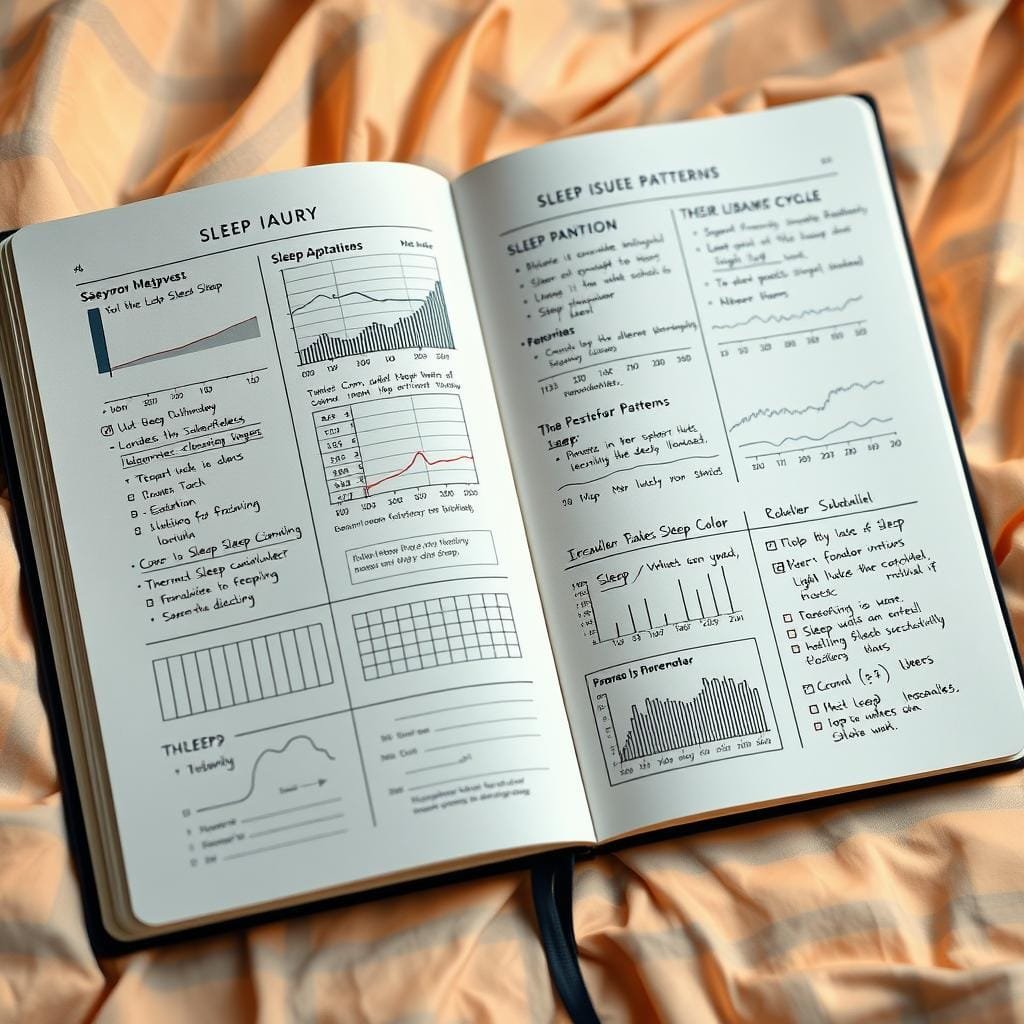
Looking at your sleep diary can show hidden sleep problems. By tracking your sleep, you notice patterns that you might miss. These patterns help you and doctors find and fix sleep issues.
Insomnia Patterns
Sleep diaries are great for spotting insomnia patterns. They show if you have trouble falling asleep, waking up a lot, or waking up too early.
Tracking these over time helps you see if your insomnia is a one-time thing or a long-term problem. It also shows if it’s linked to things like caffeine or stress. Research says knowing the type of insomnia is key to finding the right treatment.
Sleep Onset vs. Sleep Maintenance Problems
Your diary can tell if you have trouble falling asleep or staying asleep. If it takes you a long time to fall asleep, it’s a sleep onset problem. If you wake up a lot, it’s a sleep maintenance problem.
Knowing this helps because the treatments are different. For sleep onset, relaxation techniques and bedtime routines might help. For sleep maintenance, you might need to look at things like sleep apnea.
Weekend/Weekday Sleep Discrepancies
Sleep schedule inconsistency is clear in a sleep diary. Many people sleep differently on weekends than weekdays. Your diary might show you sleep a lot more on weekends.
This can mess up your body’s clock, making it hard to sleep on Sundays and feeling tired on Mondays. Seeing this pattern can help you sleep better every day.
Environmental Disruptions
Sleep diaries can show how things outside your room affect your sleep. Things like noise, light, temperature, or uncomfortable beds can disrupt sleep.
If your diary shows bad sleep quality and specific environmental issues, you can make changes. Try using blackout curtains, white noise machines, or adjusting the room temperature.
Stress and Anxiety Effects
Diaries can show how stress and anxiety affect your sleep. High stress or anxiety levels often mean poor sleep. This can show up as trouble falling asleep, waking up a lot, or waking up early.
Seeing these patterns can help you find ways to relax before bed. Your diary might show that relaxation exercises improve your sleep. This can motivate you to keep practicing these techniques.
Using Sleep Diary Insights to Improve Your Sleep Habits
Sleep diaries are powerful when you use them to change your sleep habits. After a few weeks, you’ll see patterns. These patterns show where you can make big changes.
Your diary gives you advice just for you. It helps you tackle your own sleep problems.
Optimizing Your Sleep Schedule
Your diary might show you sleep at different times. Being consistent is key for a good sleep schedule. Try to go to bed and wake up at the same time every day.
If you’re a night owl, don’t try to be an early bird. Start by going to bed 15 minutes earlier each night. This helps you adjust slowly.
Many people don’t get enough sleep. Adults need 7-9 hours of sleep. If you’re not getting enough, try sleeping 30 minutes longer. See how it affects your energy during the day.
Creating an Ideal Sleep Environment
Your diary can tell you how to make your bedroom better. A cool room is best for sleep. Most people prefer a temperature between 60-67°F (15-19°C).
Light can also affect your sleep. If you have trouble falling asleep, use blackout curtains. Blue light from screens can make it hard to fall asleep.
Adjusting Pre-Sleep Activities
Your diary might show how your day affects your sleep. If exercise is before bad sleep nights, try it in the morning. Exercise too close to bedtime can keep you awake.
Make a relaxing routine before bed. This could be reading, stretching, or a warm bath. Avoid drinking too much water at night if you get up to use the bathroom.
Implementing Relaxation Techniques
Choose relaxation methods that fit your sleep diary. Different methods work for different problems:
| Sleep Challenge | Recommended Technique | How It Helps | Implementation Time |
|---|---|---|---|
| Racing thoughts | Mindfulness meditation | Calms mental chatter | 10-15 minutes |
| Physical tension | Progressive muscle relaxation | Releases body tension | 15-20 minutes |
| Anxiety | Guided imagery | Shifts focus to peaceful scenarios | 10-15 minutes |
| Difficulty winding down | Deep breathing exercises | Activates relaxation response | 5-10 minutes |
Improving your sleep takes time. Keep using your sleep diary as you make changes. Small steps can lead to big improvements in sleep quality over time.
Digital Tools and Apps for Enhanced Sleep Tracking
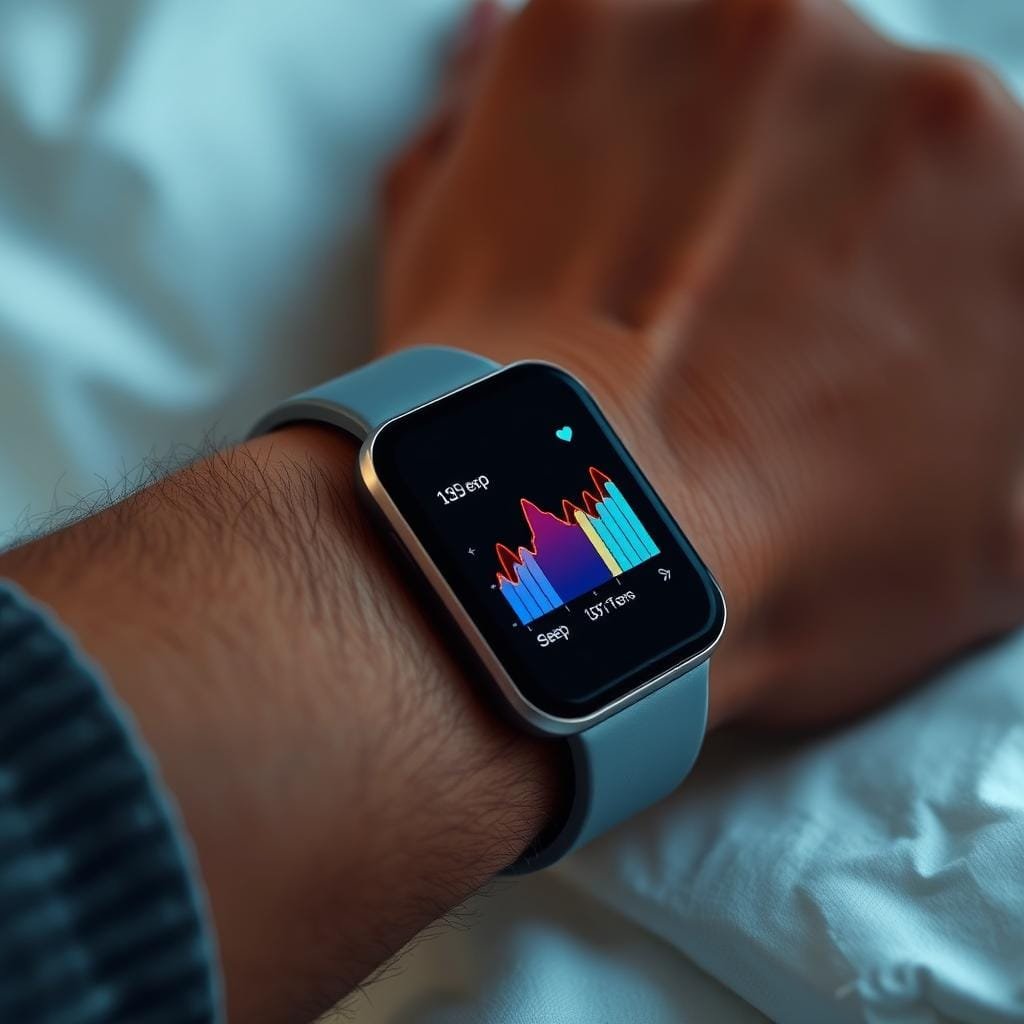
A world of digital sleep tracking technology is waiting for you. It can automatically record data that’s hard to track by hand. This gives you convenience and can show patterns you might miss.
Smartphone Sleep Tracking Apps
Turn your phone into a sleep monitor with sleep tracking apps. Apps like Sleep Cycle and SleepScore track your sleep stages. They offer features like:
- Sleep stage analysis (light, deep, and REM sleep)
- Smart alarms that wake you during lighter sleep phases
- Trend reporting to spot patterns over time
- Environmental recordings to detect snoring or sleep talking
Think about what sleep aspects you want to track. Also, decide if you’re okay with your phone near your bed at night.
Wearable Sleep Trackers
Wearables like fitness bands and smartwatches track sleep. They use sensors to detect movement and heart rate. Some even track blood oxygen.
Wearables show sleep duration, efficiency, and stages. They’re not as accurate as clinical studies but spot patterns well. Most connect to apps for detailed reports and tips.
Smart Mattresses and Bedside Monitors
Wearables might not be comfy for everyone. Non-wearable options like smart mattresses and under-mattress strips are available. They track movement, heart rate, and breathing without changing your bed.
- Smart mattresses with embedded sensors that track movement, heart rate, and breathing
- Under-mattress strips that detect similar metrics without changing how your bed feels
- Bedside monitors that use radio waves or sonar to detect sleep movements from a distance
These devices give detailed sleep data without needing to wear anything. They’re great for those who want a non-intrusive tracking experience.
Integrating Technology with Traditional Sleep Diaries
Using both digital tools and sleep diaries gives a full view of your sleep. Technology tracks when and how you moved. But only you can say how refreshed you felt or what stressed you.
This mix of data and personal notes gives a complete picture of your sleep health. Many digital platforms now have diary parts for notes that technology can’t catch.
Transforming Your Sleep Quality with Consistent Diary Practice
Keeping a sleep diary is more than just tracking sleep. It’s a way to really change how well you sleep. Studies show that tracking sleep for two weeks can give you important insights. These insights can lead to big changes in how you rest.
Improving sleep is a three-step process. First, you become aware of sleep patterns you never knew about. Then, you try new things based on what you’ve learned. Lastly, you make these changes a part of your daily life.
How long to keep a sleep diary is a common question. For spotting problems, two to four weeks of tracking is usually enough. After you see patterns, you might only check in every now and then. But if sleep issues come back, start your diary again to find out why.
Keeping a sleep diary does more than just help you sleep better. It also boosts memory, strengthens your immune system, improves mood, and gives you more energy during the day. These benefits make tracking sleep worth the effort.
You don’t need fancy tools or a lot of time to start tracking sleep. Just jot down when you go to bed, wake up, and how well you slept. The most important thing is to do it every day. This gives you the clearest picture of your sleep health.
Working with healthcare providers to understand your sleep data can help you sleep better. This team effort can find solutions that generic advice can’t. Start your sleep diary today. It’s the first step to better nights and more energy every day.
FAQ
What exactly is a sleep diary and why should I keep one?
A sleep diary is a record of your sleep habits. It can be a journal, app, or spreadsheet. It helps you find out what affects your sleep and improve it.
How long should I maintain a sleep diary to see meaningful results?
Keep a detailed diary for 2 weeks to find patterns. For ongoing tracking, check it weekly or monthly. A healthcare provider might suggest a specific time frame. Remember, improving sleep takes time and effort.
What are the most important elements to track in a sleep diary?
Track bedtime, wake-up times, and sleep quality. Also, note environmental factors, daytime activities, and any medications. Customize it based on your concerns.
Is a paper sleep diary better than a digital one?
It’s up to you. Paper diaries are simple and don’t have blue light. Digital options offer analysis and reminders. Choose what you’ll use regularly.
How do I calculate my sleep efficiency from my diary data?
Calculate sleep efficiency by dividing total sleep time by total time in bed, then multiply by 100. For example, if you slept 6.5 hours out of 8, your efficiency is 81.25%. Aim for over 85%.
How can I tell if my sleep diary is revealing insomnia?
Insomnia signs include taking over 30 minutes to fall asleep, waking up often, or waking up too early. If these happen often, it might be insomnia.
When should I share my sleep diary with a healthcare provider?
Share your diary if you have ongoing sleep problems, suspect sleep disorders, or feel very tired during the day. A healthcare provider can help.
Can sleep trackers replace manual sleep diaries?
No, trackers can’t replace diaries. Use both for a full view of your sleep. Trackers give data, while diaries add personal insights.
How can I use my sleep diary to fix inconsistent sleep schedules?
Adjust your sleep schedule by setting consistent times. Start by changing 15-30 minutes each day. Use morning light to wake up on time.
What sleep diary patterns might indicate a circadian rhythm disorder?
Look for late sleepiness, early morning wake-up, or a sleep schedule that shifts later each day. These patterns need a specialist’s check.
How detailed should my sleep diary entries be?
Entries should be detailed but easy to keep up with. Track bedtime, wake time, and sleep quality. Include environmental factors and daytime activities for more insight.
Can a sleep diary help with shift work sleep problems?
Yes, it’s very helpful for shift workers. It can show the best sleep times, which shifts are hardest, and what helps. Keep separate records for each shift.
What’s the difference between sleep onset and sleep maintenance problems?
Sleep onset problems are hard to fall asleep. Sleep maintenance problems are hard to stay asleep. Your diary can show both, helping you find the right solution.