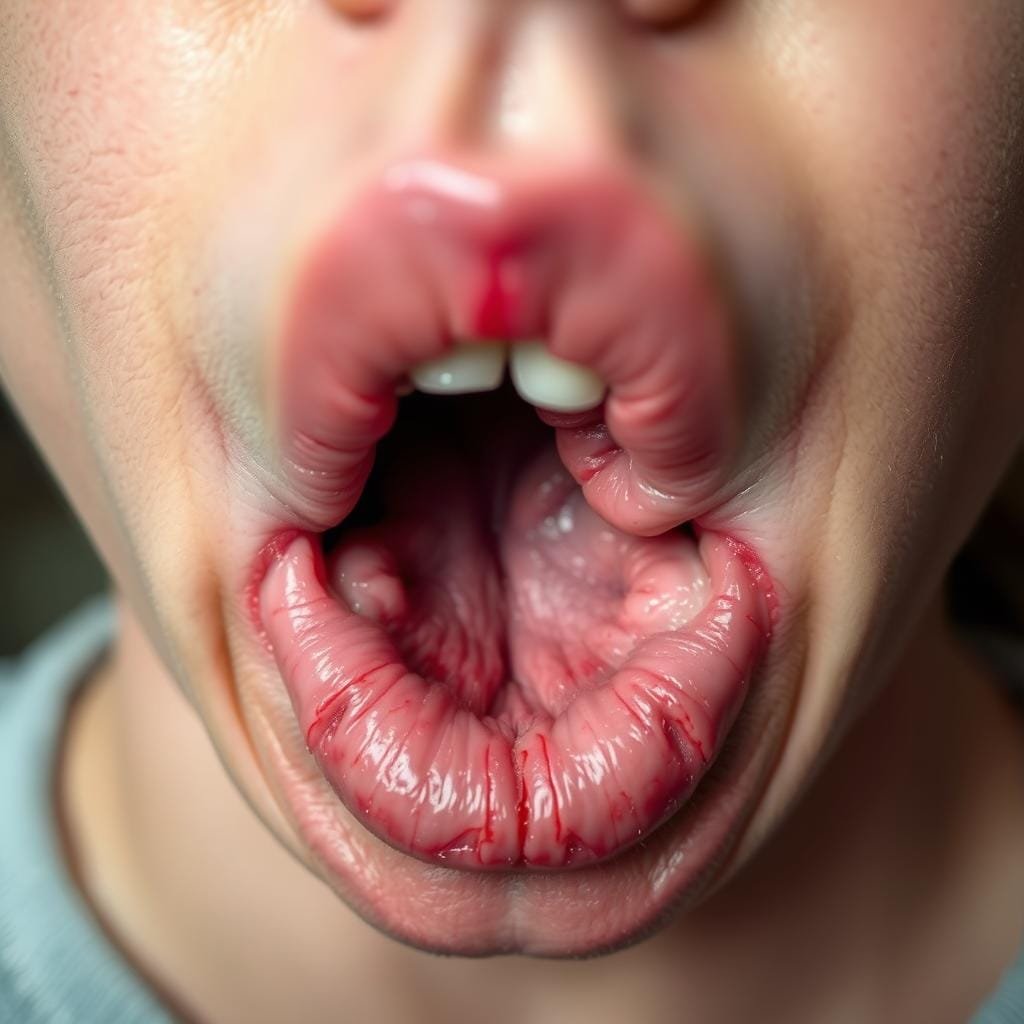
Ever wake up with a scratchy mouth and neck? This dry feeling is common and can be really uncomfortable. It happens to many people all over the world.
When your throat feels dry in the morning, it’s because your tissues are too dry. This can make your day harder. If it keeps happening, it might mean you have a health problem.
Winter makes it worse because of the dry air from heaters. Also, colds and infections can make your throat feel dry. Knowing why you feel this way can help you find ways to feel better.
Things like not drinking enough water, breathing through your mouth, or having a cold can cause it. Simple home fixes usually work. But, if it doesn’t get better in a week, you should see a doctor.
This guide will tell you why your throat gets dry in the morning. It will also give you ways to feel better when you wake up.
Key Takeaways
- Morning throat irritation affects many people and ranges from mild discomfort to significant pain
- Dehydration, mouth breathing, and respiratory infections are common causes
- Winter months typically worsen symptoms due to reduced indoor humidity
- Most cases respond well to simple home remedies
- Persistent symptoms lasting over a week warrant medical attention
- Understanding the root cause is essential for effective treatment
The Science Behind Morning Throat Dryness
Learning about morning throat dryness can help us understand why it happens. It’s a common problem that affects many people when they wake up. Knowing the reasons can help us fix it and feel better in the morning.
What Exactly Is a Dry Throat?
A dry throat happens when your throat doesn’t have enough moisture. This is called xerostomia when it affects your mouth and throat. It’s caused by not making enough saliva or losing too much.
Your throat has special glands that make moisture. This moisture helps protect you, makes swallowing easier, and keeps your throat healthy.
The Normal Sleep Cycle and Throat Moisture
Even when you sleep, your body keeps making saliva, but less than when you’re awake. This is because your body changes how it works while you sleep.
Your throat also changes, making less moisture at night. This is why many people wake up with a dry throat, even if everything is normal.
Distinguishing Normal from Problematic Dryness
It’s normal to have a dry throat sometimes in the morning. Drinking water usually makes it better. This doesn’t usually mean there’s a health problem.
But if your throat stays dry even after drinking water, it might be a bigger issue. You might also have trouble swallowing, hoarseness, or throat pain. These signs mean you might need to see a doctor.
Knowing the difference between normal and serious dryness helps us know when to try home remedies or see a doctor. If your dry throat is really bothering you or you have other symptoms, it’s a good idea to check it out.
Common Causes of Dry Throat When Waking Up
Waking up with a dry throat can be uncomfortable. It often comes from how we sleep and our health. Knowing why it happens can help you feel better in the morning.
Mouth Breathing During Sleep
Mouth breathing is a big reason for dry throats in the morning. When you breathe through your mouth, your throat dries out fast.
This happens when your nose is blocked. It could be from allergies, colds, or a crooked septum. Your body likes to breathe through your nose. It makes air better for your throat.
Snoring and Its Effects on Throat Tissues
Snoring makes your throat dry. It’s because the vibrations irritate your throat. People who snore often wake up with a dry throat.
A study found that 16.4 percent of snorers and 31.4 percent with sleep apnea had dry mouths. Snoring means you breathe through your mouth, drying your throat.
Dehydration Before Bedtime
Nighttime dehydration makes your throat dry. Your body uses water all night, including for saliva.
Not drinking enough water during the day means you’re dehydrated at night. Drinking alcohol or caffeine before bed makes it worse. It makes you lose more water.
Sleep Position Considerations
Your sleep position affects your throat. Sleeping on your back can make your throat dry. Sleeping on your side is better.
Using extra pillows can help with acid reflux. This can also make your throat dry. Some people find changing how they sleep helps a lot.
| Cause | Mechanism | Prevalence | Solution Difficulty |
|---|---|---|---|
| Mouth Breathing | Air dries throat tissues directly | Very Common | Moderate |
| Snoring | Tissue vibration creates friction | Common | Moderate to High |
| Dehydration | Insufficient fluid for saliva production | Very Common | Low |
| Sleep Position | Affects breathing patterns and reflux | Common | Low |
Environmental Factors Contributing to Morning Throat Dryness
Things in your bedroom can make your throat dry in the morning. The air you breathe at night affects your throat’s moisture. Knowing what affects your throat can help make your sleep space better.
Low Humidity and Dry Indoor Air
How humid your bedroom is matters a lot for your throat. In winter, heaters make the air too dry. This dries out your throat tissues.
A good humidifier adds moisture to your air. It keeps your airways moist while you sleep. This is very helpful in dry places or when it’s cold outside.
Optimal Bedroom Temperature for Throat Health
The temperature you sleep in affects your throat. If it’s too warm, you breathe faster and lose moisture faster. Experts say keep your bedroom between 65-68°F for best sleep and throat health.
To keep your throat moist, you might need to adjust your thermostat or bedding. This is better than making your bedroom too hot.
Dust, Allergens, and Air Quality Issues
The air in your bedroom affects your throat. Things like dust mites and pollen can make you breathe through your mouth. This dries out your throat.
Nasal congestion can come from allergies or acid reflux. Cleaning your bedding and using air purifiers can help. This reduces the bad effects on your throat.
Seasonal Variations in Throat Dryness
Throat dryness changes with the seasons. Winter is usually the worst because of the cold air and heaters. Spring and fall can also make your throat dry because of allergies.
Summer can also cause throat problems. Air conditioners make the air dry. Knowing this helps you prepare and prevent dry throat.
Medical Conditions That Cause Dry Throat
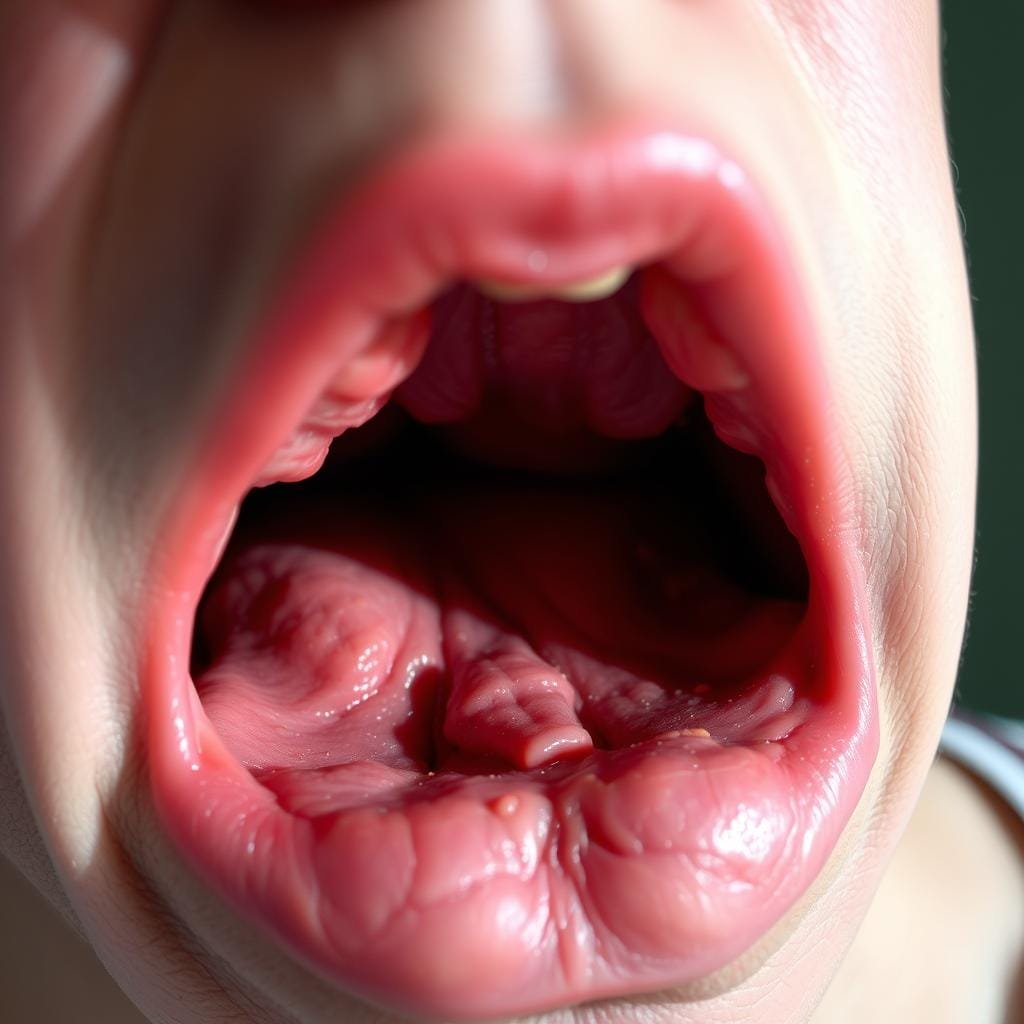
Some medical conditions can make your throat dry, even when you wake up. These conditions need special treatments, not just drinking water. Knowing what causes your throat to feel dry can help you know when to see a doctor.
Obstructive Sleep Apnea
Obstructive sleep apnea (OSA) happens when your throat muscles relax too much at night. This blocks your airway and stops you from breathing. It makes you breathe through your mouth, drying your throat tissues.
Common sleep apnea symptoms include loud snoring, gasping, morning headaches, and feeling tired during the day.
Studies show that 45% of people with sleep apnea wake up with a dry throat. If you have these symptoms, you might need a sleep test.
Acid Reflux and GERD
Gastroesophageal reflux disease (GERD) lets stomach acid go up into your esophagus and throat at night. This acid makes your throat dry and sore. GERD throat symptoms include a burning feeling, coughing, and feeling like something is stuck in your throat.
Allergic Rhinitis and Post-Nasal Drip
Allergic rhinitis makes your nose stuffy, so you breathe through your mouth at night. This leads to post-nasal drip, making your throat feel both dry and wet. This makes your throat very uncomfortable in the morning.
Sjögren’s Syndrome and Autoimmune Disorders
Sjögren’s syndrome is an autoimmune dry throat condition. It attacks glands that make moisture, like your salivary glands. This makes your mouth and throat very dry, worst in the morning. Other autoimmune diseases can also make your throat dry.
Thyroid Dysfunction
Thyroid problems, like hypothyroidism, can make your salivary glands work less. This leads to a thyroid dry throat problem. People with this might also feel tired, gain or lose weight, and be sensitive to temperature.
If you think a medical condition is making your throat dry, see a doctor. They can find out why and help you get better.
Medications That Can Lead to Morning Dry Throat
Many things can make your throat dry in the morning. But, we often forget about medicines. Over 500 medicines can dry out your mouth. This is more noticeable when you wake up after not drinking water for hours.
When you take more than one medicine, it gets worse. This can make your throat feel dry and uncomfortable.
Antihistamines and Decongestants
These medicines help with allergies and colds by reducing mucus. But, they also dry out your throat. This is bad because your throat needs moisture.
Even medicines that don’t make you sleepy can dry out your throat. This happens more when you take them before bed. You might wake up with a dry throat.
Antidepressants and Psychiatric Medications
Some medicines for the mind can make your mouth dry. SSRIs and tricyclic antidepressants can make your saliva flow less. This can make your mouth very dry.
This dryness gets worse at night. Other medicines for the mind can also make your mouth dry. This makes your throat dry in the morning.
Blood Pressure and Heart Medications
Medicines for the heart can also dry out your throat. Diuretics help with high blood pressure but can make you dehydrated. This can dry out your throat.
ACE inhibitors and beta-blockers can also make your mouth dry. These effects are more noticeable when you wake up after not drinking water all night.
Pain Relievers and Anti-inflammatory Drugs
Medicines for pain can also dry out your throat. Opioid pain relievers can make your mouth and throat dry. This is because they affect how your body makes saliva.
Using NSAIDs and other anti-inflammatory medicines can also make your throat dry in the morning. If you think your medicines are drying out your throat, talk to your doctor. They can help find other options or ways to manage the problem. Never stop taking your medicines without talking to your doctor first.
Lifestyle Factors Affecting Throat Moisture

What you do every day can help or hurt your throat’s moisture. Drinking before bed and managing stress are key. These habits affect how you feel when you wake up.
Alcohol and Caffeine Effects
Drinking alcohol can dry out your body, including your throat. It stops your body from keeping water. This makes you feel dry when you wake up.
Caffeine also makes you pee more, which can dry you out. Drinking caffeinated drinks close to bedtime can mess up your sleep. It also makes your throat feel dry in the morning.
Smoking, Vaping, and Respiratory Irritants
Smoking hurts your throat with heat and chemicals. Smokers often have a drier throat than non-smokers. A study found smokers had dry mouth more often than non-smokers.
Vaping can also irritate your throat. It has heated particles and chemicals that harm your throat. Even being around smoke can make your throat dry.
Diet and Its Impact on Throat Health
What you eat affects your throat. Foods high in salt make you need more water. This can lead to dehydration if you don’t drink enough.
Spicy foods can irritate your throat. Sugary foods can change the bacteria in your mouth. Acidic foods can also irritate your throat.
But, eating foods with a lot of water can help. Cucumbers, watermelon, and celery can keep you hydrated. Eating these before bed might help you feel better in the morning.
Stress and Its Physical Manifestations
Stress can make your body dry out. It makes your body focus on survival instead of saliva. This can make your throat feel dry when you wake up.
Stress can also make you breathe through your mouth. This can dry out your throat. Stress can also make your jaw and neck tight, which can affect your breathing.
Managing stress can help your throat. Try meditation, deep breathing, or yoga before bed. Even a simple bedtime routine can help keep your throat moist.
Immediate Relief Strategies for Dry Throat
Quick fixes for morning throat dryness can change your day. When you wake up with a sore throat, having quick solutions can help a lot. Let’s look at ways to feel better fast and fix the dry throat problem.
Effective Morning Hydration Techniques
Drinking water is key, but it’s better to start with warm water. It’s kinder to your throat. Drink small amounts often to soak up the water better.
Try this trick: move water around in your mouth before swallowing. It spreads moisture everywhere. Adding lemon juice helps make more saliva. Keep a water bottle next to your bed for quick hydration.
Throat-Soothing Lozenges, Sprays, and Gels
Lozenges, sprays, and gels can help a lot. Sugar-free lozenges with slippery elm or marshmallow root protect your throat. They make a film that keeps your throat moist.
Throat sprays give direct moisture to sore spots. Look for ones with glycerin or hyaluronic acid. Gels stick to your throat for longer relief.
Steam Therapy and Humidification
Steam therapy is fast for rehydrating your throat. A morning shower can feel like a steam room. Or, inhale steam from hot water for 5-10 minutes.
For all night, a humidifier keeps your air moist. This home remedy for dry throat works while you sleep. Choose quiet ultrasonic models for steady moisture.
Natural Remedies: Honey, Ginger, and Herbal Teas
Natural remedies are good for quick relief. Raw honey soothes and fights infections. Mix it with warm water or tea for extra benefits.
Ginger tea fights inflammation and boosts saliva. Steep ginger slices in hot water for a soothing drink. Try teas like marshmallow root, slippery elm, or licorice root for extra protection.
| Relief Method | Speed of Relief | Duration | Best For |
|---|---|---|---|
| Hydration Techniques | 5-10 minutes | 1-2 hours | Mild dryness |
| Lozenges & Sprays | 2-5 minutes | 30-60 minutes | Moderate irritation |
| Steam Therapy | Immediate | 1-3 hours | Severe dryness |
| Natural Remedies | 10-15 minutes | 2-4 hours | Ongoing maintenance |
Long-Term Prevention of Dry Throat When Waking Up
To stop dry throat in the morning, change your sleep area and bedtime habits. Adjust your bedroom and follow routines to avoid a scratchy throat. Here are the best ways to prevent dry throat for good.
Bedroom Environment Optimization
Make your sleep area perfect for your throat. Keep the air in your room between 40-60% humid. Don’t sleep near heating vents that dry the air.
Wash your bedding in hot water every week. Use covers on your bed to block allergens. If you’re allergic to pets, keep them out of your room.
Humidifier Selection and Maintenance
Picking the right humidifier is key for bedroom humidity. Ultrasonic or evaporative humidifiers are best. They should have a built-in hygrometer to avoid too much moisture.
Keep your humidifier clean and use distilled water. This stops bacteria and mold. Place it 3 feet from your bed for even moisture.
Sleep Position Training
Your sleep position affects your throat. Side sleeping helps you breathe through your nose. Back sleeping can dry out your throat.
If you sleep on your back, use a wedge pillow. This can help you breathe better. Body pillows can also keep you on your side.
Evening Hydration Routines
Drink water wisely before bed. Aim for 8-16 ounces 1-2 hours before sleep. This keeps you hydrated without waking up for the bathroom.
Stay away from these drying things at night:
- Alcohol (at least 4 hours before bed)
- Caffeine (at least 6 hours before bed)
- Sugary drinks that can increase thirst
Nasal Breathing Techniques
Learn to breathe through your nose at night. Do diaphragmatic breathing exercises before bed. This helps you breathe better.
Use nasal strips or dilators to open your nose. These tools help you breathe through your nose. With practice, you’ll feel better in your throat in 1-2 weeks.
Medical Treatments for Chronic Morning Dry Throat
If simple fixes don’t help, doctors have other ways to ease morning throat dryness. They can suggest treatments based on what’s causing the problem. These options can really help when other methods don’t work.
Prescription Medications and Sprays
Doctors might give you medicine to help with dry throat. Salivary stimulants like pilocarpine (Salagen) and cevimeline (Evoxac) make your salivary glands work better. This means more moisture for your mouth.
There are also stronger artificial saliva products. They last longer and work like real saliva. They keep your mouth moist and protect it.
For dry throat caused by blocked noses, steroid sprays can help. They reduce swelling in your nose. This makes it easier to breathe through your nose at night, helping your throat stay moist.
CPAP Therapy for Sleep Apnea-Related Dryness
CPAP therapy is key for sleep apnea. It keeps your airway open while you sleep. But, it can make your throat dry at first.
New CPAP machines have humidifiers to add moisture. They also have heated tubing to keep air from getting too wet. Wearing the mask right is important to avoid air leaks.
Cleaning your CPAP gear often stops germs from making your throat sore. Most people feel better after getting used to a humidified CPAP.
Surgical Options for Structural Issues
Surgery might be needed for some throat problems. Septoplasty fixes a crooked septum that makes you breathe through your mouth. Turbinate reduction surgery makes your nose passages wider.
For sleep apnea that CPAP can’t fix, surgery like UPPP might be suggested. It removes extra tissue to open up your airway. Jaw surgery is another option to make your airway bigger.
These surgeries need a visit to an ear, nose, and throat (ENT) doctor. They help fix structural problems that cause dry throat.
Specialized Treatments for Underlying Conditions
Some dry throats come from other health issues. Treating these problems can help your throat too.
| Underlying Condition | Medical Treatment | How It Helps Dry Throat | Typical Timeline |
|---|---|---|---|
| GERD/Acid Reflux | Proton pump inhibitors, H2 blockers | Reduces acid that irritates throat tissues | 2-4 weeks for improvement |
| Sjögren’s Syndrome | Immunomodulating medications | Improves salivary gland function | 1-3 months for results |
| Allergic Rhinitis | Allergen immunotherapy | Eliminates nasal congestion causing mouth breathing | 3-6 months for significant change |
| Hypothyroidism | Thyroid hormone replacement | Restores normal mucous membrane function | 4-8 weeks to normalize |
Fixing chronic morning dry throat often means finding and treating the cause. Your doctor can guide you to the best treatments. Sometimes, mixing treatments works best to get rid of symptoms for good.
When to Consult a Healthcare Professional
Knowing when to see a doctor for a dry throat is important. Sometimes, a dry throat in the morning is okay. But if it lasts a long time or gets worse, you should get help.
This can stop bigger problems and help you feel better faster.
Warning Signs That Require Medical Attention
Not every dry throat needs a doctor. But some signs are a big deal. Persistent dry throat that doesn’t get better with home care for more than two weeks needs a doctor.
Severe throat pain, trouble swallowing, or changes in your voice are serious. They might mean you have an infection or something else that needs treatment.
Other signs to watch for are unexplained weight loss, night sweats, blood in your saliva, or lumps in your neck. Morning headaches with a dry throat could mean sleep apnea, a serious breathing problem during sleep.
Diagnostic Procedures for Persistent Dry Throat
When you see a doctor for a dry throat, they will check you carefully. They will look at your mouth, throat, and neck for any problems.
They might test how much saliva you make. This helps figure out if you have enough saliva or if your mouth is really dry.
Blood tests are also important. They can find things like Sjögren’s syndrome, diabetes, or thyroid problems. If sleep is a problem, you might have a sleep study to check your breathing and oxygen levels.
In some cases, they might use pictures like ultrasound or MRI to look at your salivary glands. They will also check your medicines, as some can dry out your throat.
Finding the Right Specialist
The right doctor for your dry throat depends on your symptoms and what might be causing them. Your primary care doctor can help with many things and send you to specialists if needed.
For throat problems, see an ear, nose, and throat specialist (otolaryngologist). These throat specialists know a lot about the upper respiratory tract.
If you think you might have a sleep problem, a sleep medicine specialist can help. For conditions like Sjögren’s syndrome, a rheumatologist is the best choice.
For problems like acid reflux, a gastroenterologist is a good choice. They can help with digestive issues that affect your throat. The right specialist will give you the best care for your condition.
Questions to Ask Your Doctor
Getting ready for your doctor visit is important. Make a list of questions to ask. This way, you can get the most out of your time with the doctor.
Ask about what might be causing your symptoms and your medical history. Find out about tests and what they can show about your condition.
Talk about treatment options and any side effects. Ask about changes you can make in your life to help your symptoms too.
| Symptom | When to See Doctor | Possible Causes | Typical Medical Evaluation |
|---|---|---|---|
| Dry throat lasting 2+ weeks | Within 1-2 weeks if not improving | Chronic dehydration, medication effects, autoimmune disorders | Physical exam, medication review, blood tests |
| Dry throat with difficulty swallowing | Promptly (within days) | Inflammation, structural issues, nerve problems | Throat examination, swallowing studies, possible endoscopy |
| Morning headaches with dry throat | Within 1-2 weeks | Sleep apnea, bruxism, sinus issues | Sleep study, ENT evaluation, sinus imaging |
| Dry throat with voice changes | Within 2 weeks if persistent | Vocal cord issues, thyroid problems, reflux | Laryngoscopy, thyroid function tests, pH monitoring |
Don’t wait to ask for a follow-up if your symptoms don’t get better. Being proactive means you get the right care and your doctor can help you the most.
Creating Your Personalized Morning Comfort Plan
Start by finding out what makes your throat dry. Keep a log for two weeks. Write down when you wake up, how you sleep, and what your bedroom is like. Also, note what you do in the evening.
This will show you what causes your dry throat. Then, make a plan to fix it. Use nasal strips or do breathing exercises if you breathe through your mouth.
Put a humidifier in your room to fight dry air. Keep your room clean. Drink water before bed but not too much to avoid waking up to go to the bathroom.
Make a special spot next to your bed with water, sugar-free lozenges, and throat spray. Brush your teeth twice a day with a soft brush. Floss often and eat yogurt to stop yeast.
For better sleep, go to bed and wake up at the same time every day. Keep your room cool, between 65-68°F. If medicine dries out your throat, talk to your doctor about changing when you take it.
Stick to your plan for 2-3 weeks. You’ll start to feel better. Small changes can make a big difference in how you feel in the morning.
FAQ
Why do I wake up with a dry throat every morning?
Waking up with a dry throat can happen for many reasons. It might be because you breathe through your mouth at night. Or because your bedroom is too dry. It could also be because you snore, don’t drink enough water before bed, or take certain medicines.
Medical issues like sleep apnea or GERD can also cause it. Plus, things like drinking alcohol or smoking can make it worse. Finding out what’s causing it is the first step to feeling better.
How can I tell if my morning dry throat is normal or something to worry about?
If your throat feels dry in the morning but gets better after drinking water, it’s probably okay. But if it keeps happening or feels really bad, you should see a doctor. Look out for signs like a lot of pain, trouble swallowing, or changes in your voice.
Also, if you lose weight without trying, have night sweats, or see blood in your saliva, get help right away.
What’s the fastest way to relieve dry throat when I first wake up?
To feel better fast, try drinking room-temperature or warm water with a bit of lemon. Take small sips, not big gulps. Sugar-free lozenges with slippery elm or marshmallow root can help too.
Throat sprays with glycerin can also moisturize your throat. Taking a hot shower or inhaling steam can quickly moisten your throat. A teaspoon of raw honey can also soothe it.
Does sleeping position affect throat dryness?
Yes, how you sleep can affect your throat. Sleeping on your back can make you breathe through your mouth and snore. This can dry out your throat.
Sleeping on your side is better because it helps you breathe through your nose. Also, raising your head a bit can help prevent acid reflux and improve breathing.
What humidity level is best for preventing dry throat?
The best humidity for your throat is between 40-60%. If it’s too low, like in winter with the heat on, your throat can get very dry. Using a humidifier with a hygrometer helps keep the humidity just right.
Can allergies cause me to wake up with a dry throat?
Yes, allergies can make your throat dry in the morning. Allergies can make your nose stuffy, so you breathe through your mouth. This dries out your throat.
Also, allergies can make you feel like your throat is both dry and coated with mucus. Managing your allergies can help your throat feel better in the morning.
Which medications commonly cause dry throat?
Over 500 medicines can dry out your throat. This includes antihistamines, decongestants, antidepressants, blood pressure medicines, and pain relievers. If you think your medicine is drying out your throat, talk to your doctor about other options.
How does alcohol affect throat dryness?
Alcohol dries out your body, including your throat. It stops your body from keeping water, which means less saliva. Even a little alcohol before bed can make your throat dry in the morning.
The effect is worse with stronger drinks and when you drink them close to bedtime.
What’s the connection between snoring and dry throat?
Snoring can dry out your throat because it makes you breathe through your mouth. The vibrations from snoring irritate and dry out your throat. People who snore are more likely to have a dry throat in the morning.
Changing how you sleep, losing weight, or using special devices can help with snoring and make your throat feel better.
Could my dry throat be a sign of sleep apnea?
Yes, a dry throat in the morning could mean you have sleep apnea. People with sleep apnea often have a dry throat in the morning. Other signs include loud snoring, pauses in breathing, headaches, feeling tired during the day, and being easily irritated.
If you think you might have sleep apnea, see a doctor for a check-up.
How effective are humidifiers for preventing dry throat?
Humidifiers are very good at preventing dry throat, which is common in dry places or winter. Ultrasonic or evaporative humidifiers work best in bedrooms. Make sure to place it near your bed but not too close.
Clean it every week, use distilled water, and choose one with a hygrometer to keep the humidity right.
Can acid reflux cause dry throat in the morning?
Yes, acid reflux can make your throat dry in the morning. When you sleep on your back, stomach acid can go up into your throat. This can irritate and dry out your throat.
Try sleeping with your head a bit higher, avoid eating before bed, and take medicine to help with acid reflux.
What’s the best evening hydration routine to prevent morning dry throat?
Drink 8-16 ounces of water 1-2 hours before bed. This helps you stay hydrated without waking up to go to the bathroom. Avoid alcohol and caffeine for at least 4-6 hours before bed.
If you breathe through your mouth at night, use a humidifier and nasal strips to breathe through your nose.
How long should it take to see improvement after implementing solutions for dry throat?
You should start to feel better in 1-2 weeks if you stick to the right solutions. Simple things like drinking water and using a humidifier can help quickly. But if you have a medical problem like sleep apnea, it might take longer.
If you don’t get better after two weeks, see a doctor.
Are there any natural remedies that effectively relieve dry throat?
Yes, there are many natural ways to soothe a dry throat. Raw honey can coat and soothe your throat. Herbal teas with marshmallow root or slippery elm can also help.
Ginger tea can reduce inflammation and stimulate saliva. Inhaling steam with eucalyptus oil can quickly moisten your throat. These natural methods can provide relief without side effects.
Can thyroid problems cause dry throat?
Yes, thyroid problems, like hypothyroidism, can make your throat dry. They can also make you feel tired, gain weight, and have other symptoms. If you have a dry throat and these symptoms, ask your doctor about your thyroid.
How does seasonal change affect throat dryness?
Seasonal changes can really affect your throat. Winter is usually the worst because it’s dry and cold. Spring and fall can make your nose stuffy, leading to dry throat. Summer air conditioning can also dry out your home.
Adjusting your humidifier and managing allergies can help keep your throat comfortable all year.