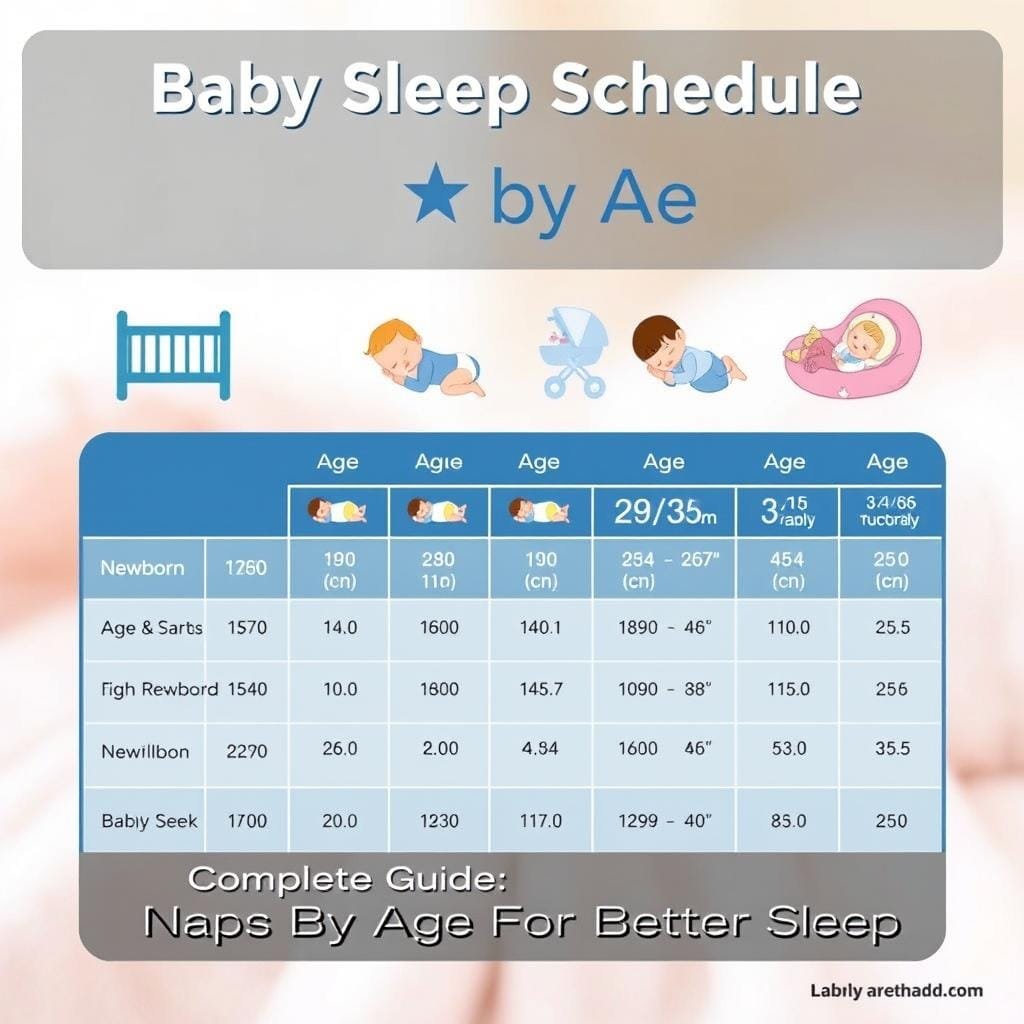
Are you wondering if your little one is getting enough daytime rest? Figuring out the right baby sleep schedule can be tough for many parents. As babies grow, their sleep needs change a lot. This makes it hard to know what’s normal for their age.
When your baby gets past the sleepy newborn phase, they’re ready for a more set daytime routine. These routines are not just for parents to rest. They’re key for healthy child sleep development. Good daytime rest helps the brain grow, helps with feelings, and makes nighttime sleep better.
Every child is different in how much sleep they need. Some babies need more rest, while others do well with less. The sleep needs in this guide are averages. They help you make a flexible plan for your child’s sleep.
In this guide, we’ll look at sleep schedules for babies and preschoolers. You’ll learn how to spot sleep cues, set up good routines, and deal with common challenges as your child grows.
Key Takeaways
- Sleep needs change a lot as children grow from newborns to preschoolers
- Good naps help the brain grow, manage feelings, and improve nighttime sleep
- Knowing your child’s sleep cues helps set up effective routines
- There’s a normal range of sleep needs—some kids need more or less rest
- Keeping a regular nap schedule helps kids and parents
- Age-appropriate sleep patterns help avoid being too tired and bedtime fights
The Science Behind Naps and Child Development
Naps are key for brain growth, not just a break. When kids nap, their brains work hard to learn and grow. This helps them sleep better at night, starting a good cycle of rest.
During naps, the brain doesn’t just stop working. It organizes what kids learned when they were awake. This makes their brains stronger and helps them learn better.
How Naps Support Brain Development
The growing brain needs sleep to learn and remember. Naps help kids make important brain connections. These connections help with language, moving, and understanding others.
Napping helps kids move new info from short-term to long-term memory. This is key when they’re learning lots of new things. It’s like filing away important learning for later use.
Also, naps help the brain grow and fix itself. This rest lets kids keep learning without getting too tired. It helps them stay focused and ready to learn all day.
The Connection Between Naps and Mood Regulation
Missing naps can make kids really upset. This is because sleep helps control their feelings. Naps help balance out stress hormones like cortisol.
Without naps, kids get upset easily and can’t handle frustration well. This isn’t just about being tired. It’s about their brain needing rest. Regular naps help kids feel more balanced and in control.
Well-rested kids handle changes and tough times better. They’re more adaptable and resilient. By making naps a priority, parents help their kids grow in both mind and heart.
Understanding Your Child’s Sleep Needs
Children sleep differently than grown-ups. They need more sleep to grow fast. Knowing this helps parents make good sleep plans for their kids.
How much sleep kids need changes as they get older. Babies need 14–17 hours of sleep. Toddlers need 11–14 hours. And preschoolers do best with 10–13 hours.
Sleep Cycles in Children
Children sleep in shorter cycles than adults. Babies sleep in 50-60 minutes cycles. This is why they wake up often.
Young kids spend more time in REM sleep. This is when they dream and grow their brains. It’s very important for their development.
Knowing wake windows is key. These are the times kids can stay awake before needing a nap. Newborns need 45 minutes, while preschoolers need hours.
| Age | Typical Wake Window | Daily Naps | Signs of Appropriate Window |
|---|---|---|---|
| 0-3 months | 45-90 minutes | 4-5 naps | Falls asleep easily, stays asleep |
| 4-6 months | 1.5-2.5 hours | 3-4 naps | Consistent nap length, less fussing |
| 7-12 months | 2-3.5 hours | 2-3 naps | Predictable sleep patterns emerging |
| 1-2 years | 3-5 hours | 1-2 naps | Longer morning alertness, clear tired signals |
Signs of Sleep Readiness
Knowing when your child is tired is very important. They show signs like rubbing their eyes or yawning. These signs change as they grow.
It’s important to learn your child’s sleepy signals. When they’re overtired, it’s hard for them to fall asleep. This is because their body makes stress hormones.
Physical Signs of Tiredness
Look for these signs that your child needs sleep:
- Rubbing eyes or ears
- Yawning repeatedly
- Decreased physical activity
- Becoming very quiet suddenly
- Looking unfocused or glazed-over
- Drooping eyelids or slow blinks
Behavioral Cues to Watch For
Behavioral signs of tiredness can be subtle but important:
- Being clingier or more needy
- Getting frustrated easily
- Changing moods quickly
- Having trouble focusing
- Being too active (hyperactive)
- Not caring about what’s happening around them
When you see these signs, start your nap routine right away. Catching the early signs helps avoid the hard cycle of being overtired. A child who naps when they’re tired sleeps better and wakes up feeling refreshed.
Newborn Nap Patterns: 0-3 Months
Newborns sleep in short bursts all day and night. Their sleep patterns are as unique as their fingerprints. It’s normal if their sleep habits seem random.
Being flexible is key during this time. Your baby might nap for 30 minutes or two hours. This isn’t about your parenting, but their growth.
Typical Nap Duration and Frequency
Newborns sleep 14-17 hours a day in short naps. They take4-8 naps per day, lasting 30 minutes to 3 hours.
This is normal due to their developing nervous system. Their sleep cycles are shorter than adults. This is why they wake up often.
Some newborns seem to fight sleep, even when tired. This is because they can get overtired easily. Watch for sleepy signs like yawning to catch nap time.
Managing the Day-Night Confusion
Many newborns get confused about day and night. They’re more awake at night and sleepy during the day. This is because their internal clock is not set yet.
Creating Day and Night Distinctions
Help your baby learn the difference by:
- Keeping daytime bright with natural light
- Maintaining normal noise levels during naps
- Being more active during awake times
- Dimming lights in the evening
- Creating a quiet space for nighttime sleep
These cues help your baby’s brain understand day and night.
Establishing Early Sleep Routines
Simple pre-sleep rituals can start early. Try:
- A calming activity like rocking
- Swaddling (if they like it)
- White noise or soft singing
- A consistent sleeping space
The goal is to meet your baby’s needs and introduce patterns for healthy sleep. Their nap schedule will change as they grow.
Infant Nap Guidelines: 4-6 Months
Babies start to sleep better between 4 and 6 months. They begin to follow a regular sleep pattern. This is a big change from when they were newborns.
At this age, babies need 3-4 hours of daytime sleep. They usually take 3-4 naps. Wake windows, or the time they stay awake, are about 2-3 hours.
Many parents face the 4-month sleep regression during this time. It’s when babies’ sleep patterns start to look more like adults. Keeping daytime naps consistent can help during this tough time.
Transitioning to More Structured Naps
Changing from random naps to a set schedule takes time and watching your baby. Look for sleepy signs like rubbing their eyes or pulling their ears. These signs happen 10-15 minutes before they get really tired.
Start a simple routine before naps to signal sleep time. This could be drawing curtains, changing diapers, or singing a lullaby. Being consistent helps your baby know when it’s nap time.
Don’t start with a strict schedule right away. Try a flexible schedule instead. For example, if your baby gets tired around 9:00 AM, start the nap routine at 8:45 AM.
Watch how long your baby can stay awake. At 4-6 months, they can usually stay awake for 2-3 hours. This helps prevent them from getting too tired and having trouble sleeping.
Sample Nap Schedules for 4-6 Month Olds
Every baby is different, but a basic schedule can help. These examples are a good starting point. Remember, being consistent is more important than exact times.
Babies at this age might need 3 or 4 naps. The goal is 3-4 hours of daytime sleep, no matter how it’s split.
3-Nap Schedule Example
A 3-nap schedule is good for babies who sleep longer. It includes two long naps and one short nap in the late afternoon.
| Time | Activity | Duration | Notes |
|---|---|---|---|
| 7:00 AM | Wake up & morning routine | – | Consistent wake time helps regulate circadian rhythm |
| 9:00 AM | First nap | 1-1.5 hours | Often the most restorative morning nap |
| 12:30 PM | Second nap | 1-1.5 hours | Midday nap helps prevent afternoon overtiredness |
| 4:00 PM | Third nap | 30-45 minutes | Short “catnap” to bridge to bedtime |
| 7:00-7:30 PM | Bedtime | – | Aim for 2.5-3 hours after last nap ends |
4-Nap Schedule Example
Some babies need more naps, like those on the younger side or who nap for shorter times. A 4-nap schedule gives them more chances to rest during the day.
| Time | Activity | Duration | Notes |
|---|---|---|---|
| 6:30 AM | Wake up & morning routine | – | Earlier wake time accommodates more naps |
| 8:30 AM | First nap | 45-60 minutes | After approximately 2-hour wake window |
| 11:00 AM | Second nap | 45-60 minutes | Mid-morning rest period |
| 1:30 PM | Third nap | 45-60 minutes | Early afternoon sleep session |
| 4:00 PM | Fourth nap | 30 minutes | Brief catnap to reach appropriate bedtime |
| 7:00 PM | Bedtime | – | Keep consistent even with variable nap end times |
Remember, being flexible is key. Some days might need changes because of poor naps or other reasons. The goal is to move towards more regular sleep times, not to be perfect. Always watch your baby’s cues and adjust as needed.
Naps By Age: 7-12 Months
Babies usually go from three naps to two between 7-12 months. This change shows they can stay awake longer and sleep better. Knowing when and how to adjust their schedule helps them sleep well.
The 3-to-2 Nap Transition
The 3-to-2 nap change often starts between 6-9 months, with 8 months being common. It’s because babies can handle being awake longer between sleeps.
- Nap resistance – fighting or refusing the third nap
- Taking longer to fall asleep at naptime or bedtime
- The third nap making bedtime too late
- Early morning wakings that weren’t happening before
- Shortened naps or increased fussiness during awake times
To ease this change, start by making the third nap shorter. Try 15-20 minutes before dropping it. Adjust the timing of the other naps and bedtime to avoid being too tired.
This change might take 2-3 weeks. Being consistent is important during this time.
Optimal Nap Timing for Babies
After dropping the third nap, finding the right nap times is key. The two-nap schedule has a morning and afternoon nap. Each nap helps in different ways.
Morning Nap Guidelines
The morning nap starts 2-3 hours after waking up. For 7-12 month olds, this is usually between 9:00-10:00 AM. It lasts 1-1.5 hours and helps with learning.
If morning naps are short, try making wake times a bit longer. Or use a “crib hour” where your baby stays in the crib for at least an hour, even if they wake up early.
Afternoon Nap Guidelines
The afternoon nap starts 3-3.5 hours after the morning nap. For most, this is between 1:30-3:00 PM. It’s important for emotional control and lasts 1.5-2 hours.
Keeping this nap consistent is key. It helps prevent overtiredness and makes bedtime easier. A good nap schedule leads to better sleep at night and happier days.
For 7-12 month olds, total daytime sleep is 2.5-4 hours. Finding the right nap length, wake times, and bedtime is important for a well-rested baby.
Toddler Nap Requirements: 1-2 Years

Toddlerhood is a big time for sleep changes. Kids usually go from two naps to one. Knowing when and how to make this change helps your toddler sleep well.
Maintaining the 2-to-1 Nap Schedule
Toddlers start their second year with two naps. These naps are in the morning and afternoon. As they get older, they stay awake longer between naps.
The switch to one nap usually happens between 14-18 months. But, some kids might be ready earlier, and others later. It depends on how fast they grow.
Here are signs your toddler might be ready for one nap:
- They refuse the second nap for 2+ weeks
- It takes a long time to fall asleep for the afternoon nap
- They fight bedtime after taking two naps
- They wake up early in the morning or at night
- The morning nap gets shorter
When you see these signs, start making the morning nap later. Do this by 15-30 minutes every few days. Aim for a single nap in the middle of the day, between 12:00-1:00 pm. This helps them avoid being too tired and meets their changing sleep needs.
Dealing with Nap Resistance
Nap resistance is common in toddlers. They want to be independent and not miss out. This is more common when they’re switching to one nap.
Consistent Nap Routines
Having a regular pre-nap routine helps. It tells your toddler it’s time to sleep. Keep it short but meaningful, like reading a book or singing a song.
Start the nap process at the same time every day. This helps their body clock. It makes them know when it’s time to sleep.
Managing the Nap Transition Period
The weeks when they switch to one nap can be tough. They might get tired and cranky. Here are some tips to help:
| Challenge | Solution | Expected Outcome |
|---|---|---|
| Overtiredness | Move bedtime 30-45 minutes earlier | Prevents sleep debt |
| Morning fussiness | Offer quiet time before lunch | Rest without sleep |
| Inconsistent nap success | Alternate between 1 and 2 naps | Gradual adjustment |
| 18-month sleep regression | Maintain boundaries, offer comfort | Keep sleep habits |
The 18-month sleep regression can make things harder. It’s because of growing up, feeling anxious, and wanting to be independent. Stay patient and keep your routine the same. This tough time will pass.
After they adjust to one nap, most toddlers sleep 1.5-2.5 hours in the afternoon. They also sleep 11-12 hours at night. This gives them the 12-14 hours of sleep they need to grow and feel good.
Preschooler Nap Transitions: 3-5 Years
Children often stop napping between ages 3-5. This change can be hard for parents. Kids grow a lot during this time, needing less sleep.
They might move from cribs to beds and stop using pacifiers too. Knowing how to handle these changes is important for everyone.
Some kids nap until they start kindergarten. Others stop napping by age three.
When and How to Drop the Nap
It’s important to know when your child is ready to stop napping. Look for signs like taking too long to fall asleep or skipping naps without being tired. If naps mess up bedtime, it’s time to change.
Don’t stop naps suddenly. Start by making naps shorter. This lets your child get used to sleeping less during the day.
Try an alternating schedule. Have “nap days” and “no-nap days.” This helps kids adjust to new routines.
If your child fights naptime but is tired, try moving bedtime earlier. This helps make up for lost sleep. Remember, this change is normal and might shake up your routine.
Implementing Quiet Time Instead of Naps
When kids stop napping, quiet time is key. It helps them relax and learn to calm down on their own.
Keep quiet time the same length as naptime, usually 45-90 minutes after lunch. This helps kids adjust to the new routine.
Age-Appropriate Quiet Activities
Give your child calm activities during quiet time. Choose things that are fun but not too exciting. Good choices include:
– Picture books or simple reading materials
– Puzzles with age-appropriate piece counts
– Coloring books and crayons
– Listening stations with gentle music or audiobooks
– Sensory bins with calming materials like kinetic sand
Change these activities often to keep things interesting. Some parents use a special “quiet time box” to make it feel special.
Setting Boundaries for Rest Time
Make sure kids know what quiet time means. Use visual timers to show how long it lasts. This helps them understand the time better.
Set simple rules like “stay in your room” or “use quiet voices.” Some families have a special quiet time area with pillows and soft lights.
Being consistent is important. Even if your child doesn’t sleep, quiet time is good for their mind and body. Many kids will sleep if they’re really tired.
Creating the Ideal Nap Environment

A good sleep space can change a nap from short and restless to deep and restful. Kids are very sensitive to their surroundings. Even small things can affect how well they nap.
Having a consistent and comfy place to nap helps your child’s brain know it’s time to sleep. This makes falling asleep easier and more regular.
Setting Up a Sleep-Friendly Space
It’s important to nap in the same place every day. This helps your child learn to sleep well. For babies, always use a firm mattress and no soft things or loose bedding.
Older kids need a special sleep area that feels like a place to rest. Think about these things when setting up their nap spot:
- A comfy but firm bed
- Bedding that breathes and is right for the season
- A favorite toy or blanket for toddlers (if it’s safe)
- Not too many toys or things that might wake them up
Temperature, Sound, and Light Considerations
The things your child can see, hear, and feel affect how well they sleep. Keep the room cool, between 68-72°F (20-22°C). This helps them sleep better and stay safe.
White noise for naps helps by covering up sounds that might wake them. Use a sound machine that’s far enough away and not too loud. This helps them sleep better and longer.
Blackout Solutions for Daytime Sleep
Darkness is key for good daytime sleep. Use blackout curtains to make the room dark like night. For traveling, portable blinds can work well too. Even a little light can stop deep sleep, so make the room very dark.
Troubleshooting Common Nap Challenges
When your nap plan goes wrong, knowing how to fix it is key. Even the best nappers sometimes face sleep problems. Knowing how to solve these issues can prevent long-term sleep issues.
Parents often use the 80/20 rule for naps. This means 80% of naps should be in a good sleep spot (like home in the crib). The other 20% can be in less perfect places. This balance keeps sleep habits healthy while dealing with life’s ups and downs.
Short Naps: Causes and Solutions
Short naps (less than 45 minutes) can make babies and parents tired. Babies can’t yet connect sleep cycles, which last 30-45 minutes.
Short naps happen for many reasons. These include bad wake times, too much noise, or big changes. To help, make sure the room is dark and quiet. Use a consistent pre-nap routine and check if wake times are right for your baby’s age.
If your baby always takes short naps, try the “wake to sleep” trick. Gently wake them a bit before they would naturally wake. This helps them move into a deeper sleep. For ongoing issues, troubleshooting nap problems with a step-by-step plan often works best.
Nap Refusal Strategies
When your child starts fighting naps, figuring out why is key. True nap refusal often happens during big changes or when they’re ready for a nap schedule change.
For big changes, slowly change wake times by 15-30 minutes. If your child is getting ready to drop a nap, they might be ready for a schedule change.
For fighting naps due to wanting more freedom, set clear rules but also let them make some choices. For example, “Do you want the blue book or the red book before nap?” Keep the nap itself a must-do. A visual routine chart can help toddlers understand and accept naps.
Managing Naps During Travel and Illness
Travel and being sick can mess with your child’s sleep. Having special plans for these times can help keep sleep on track.
Maintaining Sleep Routines Away from Home
Good travel sleep tips include bringing familiar sleep items like a lovey or blanket. Try to make your travel sleep spot as cozy as home. Use portable blackout solutions and keep up with your usual pre-nap routine.
When traveling across time zones, slowly adjust nap times by 30 minutes each day. For short trips, stick to your home schedule to avoid sleep disruptions.
Adjusting Naps During Sickness
When your child is sick, they might need more sleep. Let them nap more and be flexible with schedules. Adding extra comfort, like holding or rocking, can help them relax.
Remember, changing sleep habits temporarily during sickness won’t hurt long-term. Once they’re better, slowly go back to normal nap times over 2-3 days.
| Nap Challenge | Common Causes | Quick Solutions | When to Seek Help |
|---|---|---|---|
| Short Naps | Immature sleep cycles, incorrect wake windows, environmental factors | Darken room, white noise, adjust wake windows, wake-to-sleep technique | If persisting beyond 6 months despite interventions |
| Nap Refusal | Developmental milestones, schedule transitions, overtiredness | Consistent routine, limited choices, earlier nap time, room darkening | When accompanied by night wakings or other sleep disturbances |
| Travel Disruptions | Environmental changes, schedule inconsistency, excitement | Portable sleep cues, maintain parts of routine, temporary schedule flexibility | If sleep issues persist more than a week after returning home |
| Illness Impact | Discomfort, congestion, fever, medication effects | Extra comfort measures, flexible schedule, upright sleeping for congestion | When sleep problems continue after illness symptoms resolve |
Being flexible is important, but knowing when to stop naps is key. For babies with multiple naps, keep each nap under 2 hours. For toddlers with one nap, it should be under 3 hours. This helps with daytime energy, playtime, and keeps bedtime consistent.
How Daytime Sleep Affects Nighttime Rest
Your child’s daytime sleep affects their nighttime rest. Many parents think keeping kids awake helps them sleep better at night. But, sleep experts say the opposite is true.
When kids miss naps or sleep poorly during the day, they get overtired. This makes it hard for them to fall asleep at night. It also leads to more night wakings.
Balancing Naps and Bedtime
Finding the right balance between daytime naps and nighttime sleep is key. Each age group has different needs. But, quality daytime sleep supports better nighttime rest.
Babies and toddlers need enough nap time during the day. This prevents sleep pressure that can mess up bedtime routines.
The timing of the last nap is very important. It should end early enough to build sleep pressure for bedtime. For example, a 9-month-old might need their last nap to end 3-4 hours before bedtime. A toddler might need a 5-6 hour window.
If your child has trouble sleeping at night, start there. Sleep experts say night sleep usually gets better before daytime sleep does. Once nights improve, naps often get better too. Remember, nap schedules are just guidelines. You need some flexibility as you work towards better sleep.
Signs of Overtiredness vs. Under-tiredness
Telling if your child is overtired or under-tired can be hard. Signs of being overtired include fussiness, rubbing eyes, yawning, and decreased focus. They might also get a “second wind” of hyperactivity.
An under-tired child shows little interest in sleep. They might play happily in their crib or bed. They don’t display sleep cues and might take a long time to fall asleep.
Adjusting Wake Windows
Wake windows are important for balancing your child’s sleep needs. If your child shows signs of overtiredness before nap time, shorten their wake windows. If they’re fighting sleep or taking too long to fall asleep, extend their wake windows.
Age-appropriate wake windows vary a lot. Newborns might only stay awake for 45-60 minutes. Toddlers can handle 5-6 hours of wakefulness before bedtime. Watch your child’s unique responses and adjust their schedule as needed.
Recognizing Sleep Debt
Sleep debt builds up when children get less sleep than they need. This can affect their behavior and health. Signs of sleep debt include irritability, shortened attention span, decreased appetite, and more frequent night wakings.
To fix sleep debt, focus on consistent naps and bedtime. Sometimes, a temporary earlier bedtime can help “pay back” sleep debt. Remember, fixing sleep debt takes time. It won’t go away after just one good night’s sleep. Consistent, adequate sleep opportunities both day and night will help restore your child’s natural sleep balance.
Essential Nap Wisdom for Parents
Finding your child’s sleep rhythm takes time and patience. Age-based guidelines are a good start. But remember, every child is different. Watch for your baby’s sleep cues and adjust your approach.
Nap consistency is key in parenting. Children love predictable routines. But, don’t worry if life gets in the way. Being flexible with sleep schedules helps you both adjust.
If your child has trouble napping, check if they’re sleeping well at night. A baby who sleeps 10-12 hours at night might nap better during the day.
There are many sleep training methods. What works for one family might not work for yours. Trust your instincts about what feels right for your child and your parenting style.
Remember to take care of yourself when sleep is tough. Sleep deprivation can make you less patient and less able to make good decisions. Accept help and rest when your child does.
If you’re worried about your child’s sleep, talk to your pediatrician. Sleep issues can sometimes mean there’s a health problem that needs help.
With knowledge, observation, and gentle guidance, you can help your child develop healthy sleep habits. These habits will help them throughout childhood and beyond.
FAQ
How many hours of daytime sleep does my baby need?
Daytime sleep needs change as babies grow. Newborns (0-3 months) need 5-8 hours of daytime sleep. This is spread across 4-8 naps.
Infants (4-6 months) need 3-4 hours of sleep across 3-4 naps. Babies 7-12 months usually need 2-3 hours across 2-3 naps.
Toddlers (1-2 years) need about 2-3 hours in 1-2 naps. Preschoolers (3-5 years) may need 0-2 hours in a single nap. By age 5, they usually drop naps.
How can I tell if my child is ready to drop a nap?
Signs your child may be ready to drop a nap include fighting a nap for 2+ weeks. They might take 30+ minutes to fall asleep at naptime.
They might skip naps without showing signs of overtiredness. Shortened naps that don’t extend with intervention are also signs. Bedtime becoming increasingly difficult is another indicator.
For the 3-to-2 nap transition (6-9 months), watch for resistance to the third nap. For the 2-to-1 transition (15-18 months), morning nap resistance or bedtime difficulties are common indicators. For dropping the final nap (3-5 years), consistent nap refusal without meltdowns later in the day suggests readiness.
Why does my baby only take 30-45 minute naps?
Short naps (30-45 minutes) often occur because babies haven’t yet developed the ability to connect sleep cycles. Each sleep cycle lasts about 30-45 minutes, and many babies wake up after one cycle.
This is common in babies under 6 months. Short naps can also result from environmental factors (too bright/noisy), schedule issues (overtiredness or undertiredness), hunger, or discomfort.
To extend naps, ensure age-appropriate wake windows. Create a consistent sleep environment with white noise and darkness. Establish a pre-nap routine. Consider assisting your baby back to sleep when they stir at the 30-minute mark to help them connect cycles.
Will longer naps affect my child’s nighttime sleep?
Contrary to common belief, appropriate daytime sleep actually supports better nighttime sleep through the concept of “sleep begets sleep.” Quality naps prevent overtiredness, which can make it harder for children to fall and stay asleep at night.
The key is proper timing—the last nap of the day should end early enough to build sufficient sleep pressure for bedtime. For babies 4-8 months, the last nap should end 2-3 hours before bedtime. For older babies and toddlers on two naps, the afternoon nap should end 3-4 hours before bedtime.
For toddlers on one nap, it should end 4-5 hours before bedtime to preserve night sleep.
How do I transition from 3 naps to 2 naps?
The transition from 3 to 2 naps typically occurs between 6-9 months when babies can handle wake windows of 2.5-3.5 hours. Start by gradually pushing the first nap of the day slightly later (by 15-30 minutes every few days).
This will naturally push the second nap later as well. You may need to shorten the second nap temporarily to preserve the third nap during the transition. Eventually, the third nap becomes unnecessary as the first two naps lengthen and the baby can comfortably stay awake until bedtime after the second nap.
During this transition, you might need an earlier bedtime to prevent overtiredness while your baby adjusts to the new schedule.
What are wake windows and how do I calculate them?
Wake windows are the optimal periods a child can stay awake between sleep sessions before becoming overtired. They expand as children mature. Approximate wake windows by age: Newborns (0-3 months): 45-90 minutes; 4-6 months: 1.5-2.5 hours; 7-12 months: 2.5-3.5 hours; 12-18 months: 3-4 hours; 18 months-3 years: 4-6 hours.
To calculate your child’s optimal wake windows, track when they show sleep cues (eye rubbing, yawning, decreased activity) after waking. If they show signs of overtiredness (hyperactivity, crankiness), their wake window may be too long. If they resist sleep and take a long time to fall asleep, the wake window may be too short.
How do I establish a nap routine?
An effective nap routine should be consistent, predictable, and shorter than your bedtime routine (5-15 minutes). Start by creating sleep associations that signal naptime, such as closing curtains, using a sound machine, changing into sleep clothes if desired, and reading a short book.
For younger babies, include swaddling or sleep sacks. Maintain the same sequence of activities before each nap. Use verbal cues like “It’s time for sleep” or “Time to rest your body.” Place your child in their sleep space drowsy but awake when possible.
Consistency is key—using the same routine before each nap helps your child’s brain recognize that sleep time is approaching, making the transition to sleep easier.
Should I wake my baby from naps to maintain a schedule?
Sometimes waking a baby from naps is necessary to maintain an appropriate schedule. While it’s generally best to let babies sleep as needed, excessively long naps can interfere with subsequent naps or nighttime sleep.
Consider waking your baby if: a nap exceeds 2 hours and is affecting the timing of the next nap; the last nap of the day is pushing too close to bedtime; or your baby is sleeping so much during the day that it’s affecting night sleep.
For newborns, you might need to wake them after 2-3 hours during the day to ensure adequate feeding. But if your baby is going through a growth spurt or recovering from illness, allowing longer naps may be beneficial.
How do I handle nap transitions during travel or schedule disruptions?
During travel or schedule disruptions, maintain as many elements of your normal nap routine as possible. Pack familiar sleep items like a lovey, sleep sack, or white noise machine.
Try to schedule activities around nap times when possible, or be prepared with a portable sleep solution like a stroller or carrier for on-the-go naps. Prioritize at least one good nap in the proper sleep environment each day.
Adjust to new time zones gradually by shifting naps 15-30 minutes each day. After disruptions, return to your regular schedule as quickly as possible, understanding that it may take a few days for your child to readjust. Remember that some flexibility is necessary, but maintaining core sleep habits will make the transition back to normal routines easier.
What should I do if my toddler refuses to nap?
When a toddler refuses to nap, first determine if it’s a developmental transition or behavioral resistance. If they’re not ready to drop the nap (they’re under 3 years and show signs of tiredness later in the day), maintain a consistent naptime routine and boundaries.
Implement a “quiet time” policy where they must stay in their sleep space for a set period (30-60 minutes), even if they don’t sleep. Provide limited quiet options like books or stuffed animals. Ensure the sleep environment is conducive to rest with darkness and white noise.
Consider adjusting the timing—they might need a slightly earlier or later naptime. Be patient and consistent, as nap strikes are common during developmental leaps but often resolve with consistent boundaries.
How do I implement quiet time when my child stops napping?
To implement quiet time when your child stops napping (typically between ages 3-5), maintain the same time and pre-nap routine as you did for naps. Start with a shorter duration (15-20 minutes) and gradually extend to 45-60 minutes.
Create a special “quiet time box” with age-appropriate activities that can be done independently, such as books, puzzles, coloring materials, or quiet toys. Avoid screens, as they can be stimulating instead of restful.
Use a visual timer so your child knows when quiet time will end. Set clear boundaries—explain that they need to stay in their room or designated quiet area, but don’t insist they stay in bed. Provide positive reinforcement for successful quiet time and be consistent with this daily practice to ensure your child gets needed downtime.
How does white noise help with naps, and is it safe?
White noise helps with naps by masking household sounds that might wake a child during light sleep cycles and by creating a consistent sleep association. It’s helpful during daytime naps when environmental noise is typically higher.
White noise is generally safe when used properly: keep the sound machine at least 7 feet away from your child’s sleep area, set the volume no louder than 50 decibels (about the sound of a quiet shower), and avoid placing it inside the crib or bed. Continuous, non-rhythmic sounds like white, pink, or brown noise are preferable to nature sounds with unpredictable patterns.
While some studies suggest limiting continuous use to prevent possible auditory development issues, the benefits of improved sleep quality typically outweigh these concerns when used at appropriate volumes.
What are the signs my child is overtired versus not tired enough?
Signs of overtiredness include increased fussiness, clinginess, clumsiness, hyperactivity, second winds of energy, difficulty settling for sleep, shorter naps, and more frequent night wakings. Physiologically, overtiredness triggers stress hormones that make it harder to fall and stay asleep.
Signs your child isn’t tired enough include resistance to going to sleep, playing or talking in bed, taking more than 30 minutes to fall asleep, and consistently waking early from naps without signs of tiredness. If your child shows signs of overtiredness, try shortening their wake windows by 15-30 minutes. If they seem undertired, gradually extend wake windows by the same amount.
Finding the right balance often requires observation and adjustment as your child’s sleep needs evolve.
Can my baby nap in a different place than where they sleep at night?
Yes, babies can nap in different places than where they sleep at night, though consistency in sleep locations generally promotes better sleep habits. If using different locations, try to maintain consistent sleep associations like white noise, sleep sacks, or pre-sleep routines.
For younger babies (0-4 months), napping in various locations (stroller, carrier, car seat when supervised) is usually fine as their sleep is naturally more flexible. As babies approach 5-6 months and sleep cycles mature, having at least one nap per day in their primary sleep space can help establish healthy sleep associations.
By 7-8 months, when separation anxiety emerges and sleep habits consolidate, more consistency in sleep location becomes beneficial for most babies, though flexibility can be maintained for one nap if needed.
How do naps affect my child’s brain development?
Naps play a critical role in brain development by providing dedicated time for memory consolidation and neural processing. Research shows that during naps, the brain sorts through information gathered during awake periods, strengthening neural connections that support learning and memory formation.
Different nap times serve different neurological functions—morning naps in babies and toddlers have been linked to language development and declarative memory (facts and knowledge), while afternoon naps support emotional regulation and procedural memory (skills and habits). Studies demonstrate that children who nap regularly show improved cognitive flexibility, better attention spans, enhanced problem-solving abilities, and more effective emotional regulation.
Sleep-deprived children often struggle with learning new information and regulating emotions, highlighting how essential adequate daytime sleep is for optimal brain development.