
The world seems made for early risers. You wake up before 10 a.m. and need coffee. Then, you see that happy coworker who’s already done a lot.
If you’re a night owl, this sounds like your day. But, you can change. You can start loving mornings.
Changing to wake up early isn’t about fighting yourself. It’s about listening to your body. You make small changes that feel right.
This guide will help you become a morning person. We’ll talk about sleep and routines. These tips will make you feel awake, not sleepy.
Key Takeaways
- Becoming an early riser is possible through gradual habit changes, not willpower alone
- Understanding your natural sleep rhythms helps create sustainable morning routines
- Environmental factors significantly impact sleep quality and morning energy levels
- Consistent bedtime routines signal your body when it’s time to rest
- Small adjustments to evening habits can dramatically improve morning alertness
- Quality sleep matters more than simply going to bed earlier
Understanding Your Sleep Cycle and Chronotype
Want to wake up early? First, learn about your sleep patterns and chronotype. Knowing how your body sleeps and when you naturally wake up helps. This knowledge is key to changing your morning routine.
Your body doesn’t just stop when you sleep. It goes through different sleep cycles. These cycles and your chronotype decide how you feel when the alarm rings.
The Science Behind Sleep Phases
Sleep is not just one state. It’s a process with different stages. Each sleep cycle lasts about 90-110 minutes. Most people have 4-6 cycles each night.
There are two main types of sleep: REM and Non-REM. Non-REM sleep has three stages. It helps your body fix itself and boost your immune system.
REM sleep is when dreams happen. It’s important for your mind. Dr. Dimitriu says it’s like self-therapy, helping with emotions and learning.
Staying up late and waking up early can be tough. Night owls often miss out on REM sleep. This means they might only get 5-6 hours of sleep, missing out on important rest.
Optimal Wake-Up Times
Waking up at the wrong time can make you feel tired and confused. This is called sleep inertia. It’s best to wake up after a full sleep cycle, when you’re in lighter sleep.
Waking up after less sleep can sometimes make you feel better. This is because waking up during lighter sleep phases can be easier. Waking up during deep sleep or REM sleep can make you feel groggy.
Identifying Your Natural Chronotype
Your chronotype is your natural sleep and wake time preference. It’s mostly based on your genes. Most people are either Bears, Lions, Wolves, or Dolphins, but many are a mix.
- Bears: The most common chronotype (about 50% of people), with sleep-wake cycles that follow the sun
- Lions: Early risers who wake naturally before dawn and are most productive in the morning
- Wolves: Classic night owls who naturally stay up later and struggle with early mornings
- Dolphins: Light, irregular sleepers who often experience insomnia and sleep anxiety
To find your chronotype, think about when you feel most awake. Notice when you prefer to sleep when you’re not forced to. Your weekend sleep patterns can show your true chronotype.
How Chronotypes Affect Morning Wakefulness
Your chronotype affects how you feel in the morning. It’s because of your circadian rhythm. This rhythm controls your hormones, body temperature, and alertness.
Morning types (Lions) wake up feeling alert because of their body’s natural rhythm. Their body temperature rises early, helping them wake up. Evening types (Wolves) have this rhythm later, making mornings hard.
While chronotypes are mostly genetic, you can change them. By changing your habits and environment, you can wake up earlier. This is how night owls can become morning people.
Knowing about your sleep and chronotype helps you work with your body. By understanding your starting point, you can make changes. These changes can help you wake up feeling more energetic and awake in the mornings.
The Benefits of Becoming a Morning Person
Waking up early is more than just a time change. It’s a big lifestyle shift. It brings many benefits, like better work and health.
Productivity and Mental Clarity Advantages
Early risers think better in the morning. They have fewer distractions and a fresh mind. This makes hard tasks easier.
Many big names say their morning routines helped them succeed. They get a lot done before others wake up.
Being a morning person means better decision-making and less digital noise. You also feel good about getting things done early.
Physical Health Benefits
Early risers exercise more because they have less to schedule. Morning workouts might even help you burn more calories.
They sleep better too. Studies show that morning routines can help you sleep better and avoid sleep problems.
They also eat healthier because they have time for breakfast and meal planning.
Psychological Well-being Improvements
The morning is great for quiet time. You can do mindfulness, journaling, or just enjoy the quiet. This lowers stress.
Many feel happier with their work-life balance. Starting the day with purpose makes them feel in control.
Dr. Drerup says it’s okay to stay up late sometimes. But try not to make it a habit, or you’ll fall back into old ways.
| Benefit Category | Morning Person Advantage | Impact on Daily Life | Long-term Effect |
|---|---|---|---|
| Productivity | Peak mental clarity in morning hours | More efficient task completion | Career advancement opportunities |
| Physical Health | Consistent exercise routines | Better energy management | Reduced risk of chronic conditions |
| Nutrition | Time for proper breakfast | Healthier food choices all day | Weight management support |
| Mental Health | Morning mindfulness opportunities | Lower daily stress levels | Improved overall life satisfaction |
Setting the Stage: Preparing Your Sleep Environment
Getting your sleep environment right is key to becoming a morning person. Good sleep makes you feel fresh when the alarm rings. The right bedroom setup can turn you from a sleepyhead to a morning bird.
Optimizing Your Bedroom for Quality Sleep
Your bedroom should be a sleep haven. Get rid of work stuff, exercise gear, and other distractions. A tidy room helps you relax and sleep better.
Temperature is important for sleep. The best sleep room temperature is 60-67°F (15-19°C). This helps your body cool down for sleep.
Too hot or cold, and you won’t sleep well. Use a smart thermostat to cool your room at night and warm it up in the morning.
Light Management Techniques
Light affects your sleep cycle a lot. Even a little artificial light can mess with your sleep. Blackout curtains help make your room dark.
Turn off or cover devices with lights. Use a red night light if you need one. In the morning, get bright light to wake up. Start a wake-up routine to feel alert.
Noise Reduction Strategies
Unexpected sounds can wake you up. Here are ways to manage noise:
- White noise machines to block out sounds
- Earplugs for sleep comfort
- Acoustic panels or curtains to block sound
- Weather stripping to keep out outside noise
Selecting the Right Mattress and Pillows
Your mattress and pillows affect your sleep. The best ones depend on how you sleep and your body type.
| Sleep Position | Recommended Mattress | Ideal Pillow Height | Common Issues |
|---|---|---|---|
| Side Sleeper | Medium to soft with pressure relief | Higher loft (4-6 inches) | Shoulder and hip pressure |
| Back Sleeper | Medium-firm with lumbar support | Medium loft (3-5 inches) | Lower back pain |
| Stomach Sleeper | Firmer to prevent sinking | Low loft (1-3 inches) | Neck strain and breathing issues |
| Combination | Medium with responsive materials | Adjustable or medium loft | Disruption when changing positions |
Change your mattress every 7-10 years and pillows every 1-2 years. Good bedding keeps you cool at night.
Creating a Powerful Evening Routine
Starting your day right begins the night before. A good evening routine gets your body and mind ready for sleep. It’s like warming up for a big event.
Doing calming things before bed helps you sleep better. It makes waking up in the morning easier too.
What you do before bed affects your sleep. Doing relaxing things helps you fall asleep faster and sleep better.
Winding Down Activities That Signal Sleep
Your body likes routines. Doing certain things before bed tells your brain it’s time to sleep. Gentle stretching helps release the day’s tension.
Reading books is great for your mind but not screens. Pick books that are fun or light, not work stuff.
Writing in a journal is also good. It helps clear your mind before bed. Just 5-10 minutes can make a big difference.
A warm bath or shower before bed helps you relax. It makes your body cool down like it does when you sleep. This is a natural way to get ready for bed.
Digital Detox: Managing Screen Time
Devices are always with us, but they’re bad for sleep. They give off blue light that stops your body from making sleep hormone. Turning off devices before bed is key.
What you do on devices keeps your brain awake. Work emails, social media, and news can all keep you up. They make it hard to relax before bed.
Blue Light Filters and Their Effectiveness
Many devices have blue light filters now. These filters help by making screens less harsh. Apps like f.lux and Night Shift on iOS help.
But even with filters, screens can mess with your sleep. Blue-blocking glasses can help more. But the best thing is to avoid screens before bed.
Staying away from screens for 60-90 minutes before bed is best. No filter can stop the mental buzz from screens.
Device Curfew Implementation
Having a device curfew helps you wind down. Pick a time before bed and stick to it. Some people charge their devices outside their room.
Replace digital stuff with real things. Use a book instead of an e-reader. Try a real alarm clock and a paper journal.
If you can’t avoid screens, start small. Try going screen-free for 30 minutes and increase it as you get better. Your sleep will get better with each minute.
Relaxation Techniques Before Bed
Even with good sleep habits, your mind might stay active. Certain relaxation techniques can calm your mind and body. They work better if you do them every night.
Progressive muscle relaxation is one technique. It involves tensing and then relaxing each muscle group. Start with your toes and go up.
Deep breathing slows your heart rate and calms you down. The 4-7-8 method is great for this. It helps you relax before bed.
Meditation apps can also help. They guide your mind to focus on sleep. Even a short meditation can improve your sleep.
By doing these evening routines every night, you make waking up easier. Your morning self will thank you for a good night’s sleep.
Nutrition and Hydration Strategies for Better Sleep
Eating right and staying hydrated can make you sleep better and wake up feeling fresh. What you eat and when you eat it affects how well you sleep. Choosing the right foods is a key way to wake up early.
Foods That Promote Sleep Quality
Some foods help your body sleep better. Foods with tryptophan are great for sleep. Turkey, chicken, eggs, and dairy are full of this sleep helper.
Magnesium in foods like leafy greens and nuts helps you relax. Tart cherries are also good for sleep because they have melatonin.
Other foods that help sleep include:
- Kiwi fruit, which studies link to faster sleep onset and longer sleep duration
- Fatty fish like salmon, providing vitamin D and omega-3s that regulate serotonin
- Bananas, giving magnesium and potassium for muscle relaxation
- Herbal teas such as chamomile, valerian root, and lavender
What to Avoid Before Bedtime
Some foods can mess with your sleep. Knowing what to avoid is key to waking up early.
Caffeine and Alcohol Effects
Caffeine stays in your body for a long time. It can keep you awake even after you think it’s gone. Cutting caffeine after noon helps some people sleep better.
Alcohol might make you sleepy at first, but it messes with your sleep later. It cuts down on the deep sleep you need to feel good in the morning.
Sugar and Heavy Meals
Sugar can make you wake up at night. It’s bad for deep sleep, which you need to feel refreshed.
Big, fatty meals are hard to digest and can keep you awake. They might also cause acid reflux, making it hard to sleep.
Timing Your Last Meal and Drinks
When you eat and drink matters a lot. Night owls eat later, but morning people need to adjust. Eating dinner early helps you sleep better.
Eat your last big meal 3-4 hours before bed. This lets your body digest food while you sleep. If you’re hungry at night, have a light snack like a banana with almond butter.
Drinking water is good, but not too much at night. Most of your water should be before 6 PM. Just a little water at night is okay.
Changing what you eat and drink can help you sleep better. These changes, along with a good sleep environment and evening routine, can help you wake up early.
The Science of Becoming a Morning Person

Changing to a morning person is not just about willpower. It’s about adjusting your body’s internal clock. This clock controls when you sleep, wake, and feel energetic. Knowing how it works helps you work with it, not against it.
Gradual Adjustment vs. Cold Turkey Approach
There are two ways to reset your body clock: slow changes or sudden changes. Most people do better with slow changes.
The gradual adjustment method means going to bed a bit earlier each few days. Start by going 15-20 minutes earlier each time. For example, if you sleep at midnight and want to sleep at 10:30 PM, start with 11:45 PM for a few days. Then, try 11:30 PM, and so on.
The sudden change method can make you lie awake. It can also make bedtime seem bad.
Setting and Sticking to a Consistent Sleep Schedule
Being consistent is key to becoming a morning person. Your brain likes routine. A regular sleep schedule helps your body know when to sleep and wake.
- Go to bed and wake up at the same times every day—even on weekends
- Calculate your ideal bedtime by counting backward 7-9 hours from your desired wake time
- Create environmental cues that signal bedtime is approaching
Keeping a regular sleep schedule helps your body feel sleepy and awake at the right times. This makes waking up early easier.
Using Light Exposure to Reset Your Body Clock
Light is a powerful tool for changing your body clock. Your eyes have special light sensors. These sensors tell your brain to stop making melatonin, the sleep hormone.
- Just 15-30 minutes of morning sunlight can significantly reduce melatonin levels
- Morning light exposure increases cortisol and serotonin production, boosting alertness and mood
- Consistent morning light helps anchor your circadian rhythm to your desired schedule
Try to get outside within 30 minutes of waking for the best effect. Natural light is always brighter than indoor light, even on cloudy days.
Light Therapy Options
When you can’t get natural sunlight, light therapy devices can help:
- Light boxes – Provide 10,000 lux of light to mimic sunlight
- Dawn simulators – Gradually increase light before your alarm goes off
- Light-emitting glasses – Allow mobility while receiving light therapy
These devices are great for winter or for people who wake up before sunrise.
Managing Social Commitments and Night Activities
Social plans can be hard when you want to sleep early. You don’t have to give up your social life. Here are some tips:
- Schedule important social events earlier in the evening when possible
- Be selective about which late-night activities truly matter to you
- Consider a 20-minute afternoon power nap on days when you know you’ll be out late
- Have a recovery plan for occasional late nights that won’t derail your entire schedule
Being a morning person doesn’t mean you can’t enjoy evening activities. It’s about finding a balance and prioritizing sleep most of the time.
Designing Your Ideal Morning Routine
Waking up early can be fun if you have a good morning routine. The first hours of the day are key. They help you feel good and get things done.
First Actions That Energize Your Day
The first 15-30 minutes after waking are very important. Don’t check your phone right away. Instead, do things that wake you up gently and make you feel good.
Hydration Rituals
Your body needs water after 7-8 hours without it. Morning hydration jumpstarts your metabolism and gets rid of toxins. Keep water next to your bed to drink as soon as you wake up.
Try these morning hydration options:
- Room temperature water with fresh lemon juice to stimulate digestion
- Warm water with a teaspoon of raw honey for gentle energy
- Herbal tea like peppermint or ginger to awaken your senses
Quick Energy-Boosting Activities
Short activities can make you feel more awake. They don’t take a lot of time or effort.
- Splash cold water on your face to trigger alertness
- Perform 20 jumping jacks to get your blood flowing
- Step outside for 2 minutes of direct sunlight exposure
- Practice deep breathing by the window for fresh air
Incorporating Movement and Mindfulness
Just a little bit of movement in the morning can help a lot. Even 10 minutes of stretching or a short walk can make you feel better. Consistent morning movement improves circulation and helps you think clearly.
Do some physical activity and then practice mindfulness. This could be a short meditation, writing in a gratitude journal, or drinking tea mindfully. These activities help you focus and feel calm before the day starts.
Breakfast Choices for Sustained Energy
What you eat in the morning is important for your energy. Avoid sugary foods that make you tired later. Choose meals with protein, healthy fats, and complex carbs instead.
| Breakfast Type | Energy Benefits | Quick Options | Prep Time |
|---|---|---|---|
| Protein-Rich | Sustained energy, muscle repair | Greek yogurt with nuts, eggs on toast | 5-10 minutes |
| Complex Carbs | Steady glucose release, brain fuel | Oatmeal with berries, whole grain toast | 3-7 minutes |
| Healthy Fats | Hormone balance, satiety | Avocado toast, chia pudding | 5-15 minutes |
| Balanced Smoothie | Quick nutrition, hydration | Protein powder, banana, spinach blend | 2-5 minutes |
Your morning routine should make you happy, not stressed. Try different things until you find what you enjoy. The best routine is one you can stick to, so make it fun and rewarding.
Technology and Tools to Support Early Rising
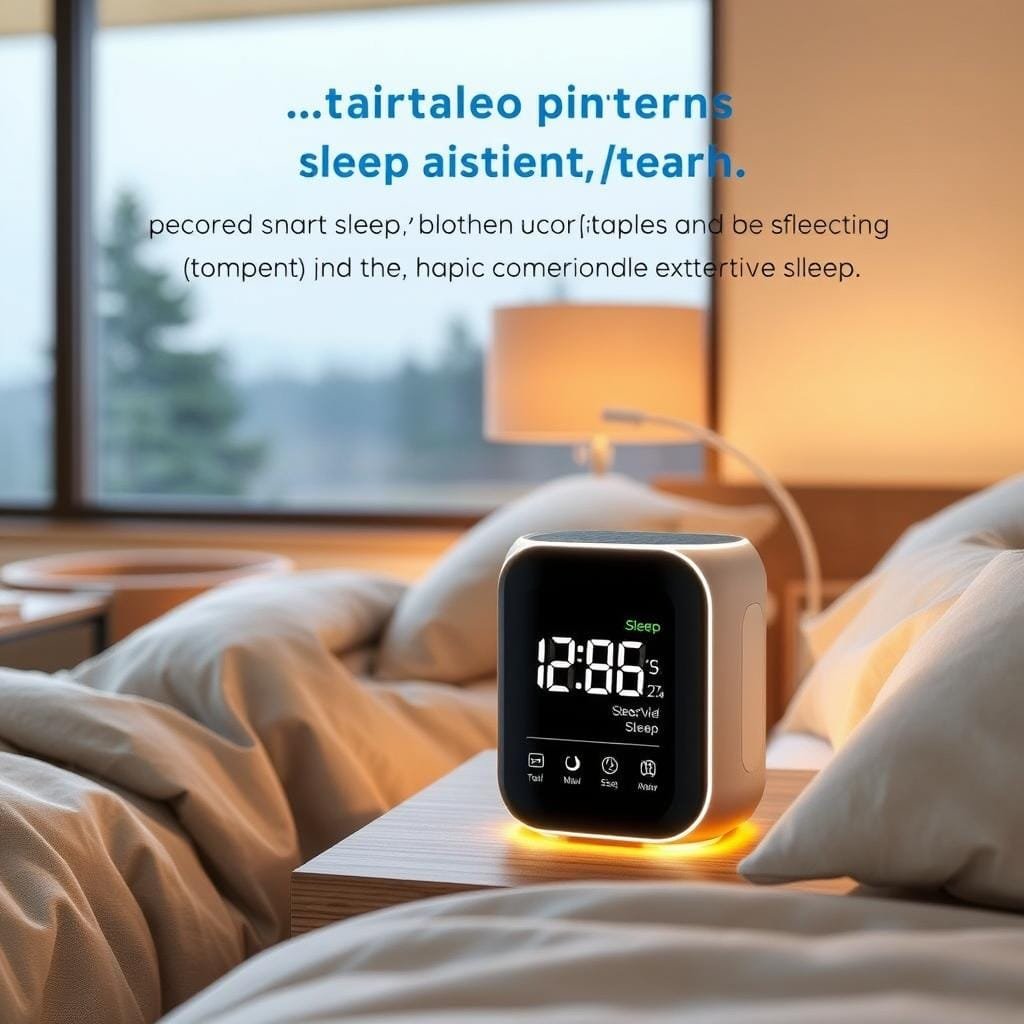
Modern tech is not just a sleep disruptor. It has tools to help you wake up early. These include smart alarms and sleep trackers that make mornings better.
Alarm Strategies That Actually Work
Old alarms are easy to ignore. Effective alarm strategies make you interact with waking up. Dr. Drerup says, “Do what keeps you from hitting snooze.”
Smart Alarms and Sleep Cycle Waking
Smart alarms are a big step up in wake up technology. They watch your sleep cycles, not just the time. This way, you wake up feeling better.
They wake you up when you’re in a light sleep phase. This is usually 30 minutes before you want to wake up. It helps you feel less groggy.
Where you put your alarm is key. Putting it across the room makes you get up to turn it off. This helps you start your day.
The sounds that wake you up matter too. Loud noises can stress you out. But soft sounds like birdsong or music can help you wake up gently.
Sleep Tracking Apps and Devices
Sleep tracking tools give you insights into your sleep. They range from apps on your phone to wearables that track your movements and heart rate.
They show you how long you sleep, how well you sleep, and more. These tools help you improve your sleep. They’re not perfect but they’re very helpful.
Smart Home Features for Better Sleep-Wake Cycles
Today’s sleep technology goes beyond personal devices. It includes smart lighting and thermostats for your home. These can make your room feel like it’s getting light or warm when it’s time to wake up.
Smart thermostats can also adjust the room’s temperature. And voice-controlled routines can get your morning started. This makes waking up early feel more welcoming.
Overcoming Common Challenges in Your Morning Transition
Starting early can be tough, even for the most eager people. Andy Puddicombe, co-founder of Headspace, says, “Early mornings can be a challenge. But, there’s a way to start the day feeling fresh and clear.” Let’s look at how to beat these common hurdles.
Dealing with Initial Fatigue and Resistance
The first week of waking up early can be really hard. It’s your body’s way of adjusting, not a sign you can’t do it.
Change how you think. Instead of saying “I’m not a morning person,” say “I’m becoming one.” This helps you see you’re in a change process.
When you’re tired, try this trick. Sit up in bed for 30 seconds, then get up and splash your face with cold water. Drink a glass of water to wake up slowly.
Strategies for Night Owls Making the Switch
For those who like to stay up late, mornings are harder. Your body works differently, making it tough to wake up early.
Plan your favorite activities for the morning. This could be creative work, exercise, or breakfast at your favorite café. It helps you stay motivated.
Getting outside in the morning is key for night owls. Open your curtains or go outside for a few minutes. It tells your brain it’s time to wake up.
Recovering from Sleep Debt and Setbacks
Too much sleep debt can slow you down. It affects how well you think and feel. The trick is to catch up without giving up your new wake-up time.
If you’re behind on sleep, go to bed earlier. Don’t sleep in too late. This keeps your morning routine while you recover.
Weekend Recovery Without Disrupting Progress
Weekends can make you want to skip your schedule. But, staying consistent is key. Let yourself sleep a bit later on weekends, but not too much.
If you need a nap, take a short one. A 20-30 minute nap is better than sleeping in. It helps you recover without messing up your rhythm.
Getting Back on Track After Travel
Travel can mess with your sleep. To adjust to a new time zone, you need a plan.
When you get home, wake up at your usual time. Use short naps during the day if needed. Keep your morning wake-up time the same.
Slowly move your bedtime earlier by 15-30 minutes each night. It takes a day for each time zone to adjust fully.
Embracing the Morning: Long-term Success Strategies
Waking up early isn’t just about getting out of bed. It’s about making habits that last. The secret to success is linking your early start to your goals.
When you want to sleep in, think about why you’re waking up. Dr. Drerup says, “Thinking about your reasons can help keep you motivated.” Your reasons could be work, family, or personal growth. These reasons help you stay strong in the morning.
Use reminders to keep your focus. A note on your nightstand or a vision board can help. This keeps you on track with your values.
Building good habits takes time. Try linking new habits to ones you already do. This makes it easier to wake up early. Having someone to hold you accountable or joining groups helps too.
Change up your morning routine sometimes. But keep your sleep schedule the same. This keeps things interesting and helps you stay on track. Becoming a morning person is about improving your life, not being perfect.