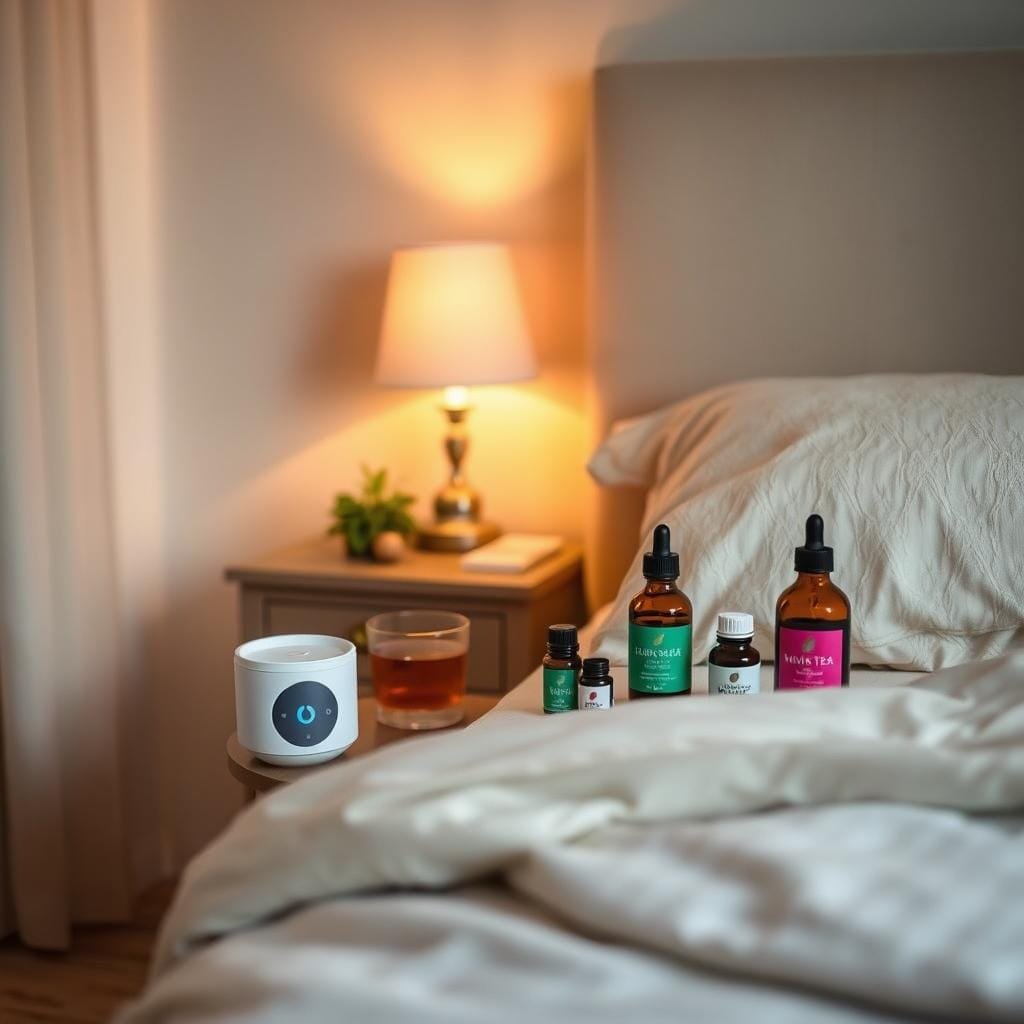
Do you find it hard to stay awake in meetings or fall asleep while driving? Excessive daytime sleepiness can really mess up your life. It makes simple tasks seem like climbing a mountain. This problem, often tied to hypersomnia, makes people feel stuck, even when they sleep well at night.
Unlike harsh meds that can harm you, gentle ways help your body find balance. These safe methods can fix your sleep cycle and wake you up naturally. They don’t use harsh chemicals.
If you’re tired all the time, there are safe ways to help. These methods can work with your doctor’s treatment plan. Learning about these options lets you control your energy. You can then choose the best ways to fight your tiredness.
Key Takeaways
- Excessive daytime sleepiness can persist despite adequate nighttime sleep
- Alternative approaches may have fewer side effects than conventional medications
- Effective solutions include herbal supplements and dietary modifications
- Lifestyle adjustments can significantly improve sleep-wake regulation
- Mind-body techniques help enhance overall sleep quality
- Natural interventions work best when complementing medical treatment
Understanding Hypersomnia and Its Impact
Hypersomnia is not just feeling tired. It’s a brain problem that makes you very sleepy during the day. This sleep disorder affects about 4-6% of people. It makes daily life hard.
Unlike normal tiredness, hypersomnia doesn’t go away with rest. It needs the right treatment and diagnosis.
What Defines Hypersomnia
Hypersomnia means you’re very sleepy during the day, even after sleeping a lot at night. People with it sleep more than nine hours but feel tired. They can’t help but want to sleep during the day.
The brain can’t control sleep and wake times well. Problems with brain chemicals like histamine and serotonin play a big role.
Common Symptoms and Diagnosis
Excessive daytime sleepiness is the main sign. Other signs include:
- Difficulty waking up (sleep inertia)
- Extended nighttime sleep (10+ hours)
- Unintentional daytime naps
- Brain fog and memory problems
- Anxiety or depression
Doctors use sleep diaries and tests to diagnose hypersomnia. They look at how quickly you fall asleep during the day.
Primary vs. Secondary Hypersomnia
Hypersomnia has two types. Primary hypersomnia is a brain problem. It includes narcolepsy and idiopathic hypersomnia.
Secondary hypersomnia comes from other health issues or things outside the brain. Causes include sleep apnea and depression. Fixing the cause can help symptoms.
How It Affects Daily Functioning
Hypersomnia affects more than just feeling tired. It makes work hard because you can’t focus. It also hurts social life and makes driving dangerous.
It can make you feel frustrated and misunderstood. This can lead to a lower quality of life and depression.
The Science Behind Sleep Regulation
Learning about sleep science is key to understanding hypersomnia. Our bodies have special systems that tell us when to be awake and when to sleep. If these systems don’t work right, we can feel too tired during the day.
Circadian Rhythm Disruptions
Your body has a natural 24-hour circadian rhythm. It controls things like when you sleep and when you’re awake. This rhythm is mostly controlled by light and dark.
When your rhythm gets messed up, like from bad sleep schedules or too much night light, you might feel really tired during the day. People with hypersomnia often have trouble with their internal clocks, making them always sleepy.
Neurotransmitters Involved in Wakefulness
There are special brain chemicals that help us stay awake. These include:
- Norepinephrine – helps us stay alert
- Histamine – keeps us awake
- Serotonin – helps us sleep right
- Dopamine – makes us feel awake and motivated
Orexin and Hypocretin Deficiency
Orexin and hypocretin are very important for staying awake. They are made in the brain and help us stay alert. People with narcolepsy, a type of hypersomnia, often don’t have enough of these chemicals because their brain cells that make them are damaged.
How Natural Remedies Influence Sleep-Wake Cycles
Natural remedies can help in many ways. Some herbs and foods help make neurotransmitters. Others help our body clocks stay in sync. For example, bright light in the morning helps our body clock, and herbs like rhodiola can help with stress hormones.
Some plants have special parts that work like medicine but are safer. Knowing how they work helps us see why they might help with hypersomnia.
Effective Natural Remedies for Hypersomnia
People with hypersomnia can find relief with natural methods. These methods don’t have the side effects of medicines. Adding natural sleep solutions to your treatment can make you feel more awake during the day and sleep better at night.
These methods help fix how your body wakes up and sleeps. They work on the deep reasons for sleepiness.
Overview of Evidence-Based Approaches
Studies show natural ways to fight hypersomnia. Herbs like ginseng and rhodiola help fight tiredness. They help your body handle stress better.
Light therapy is also helpful. It uses bright light in the morning to fix sleep cycles. It can make you feel less sleepy during the day.
Eating the right foods is important too. Eating foods that don’t cause blood sugar spikes helps. Foods with tyrosine help make wakefulness hormones.
Combining Remedies for Maximum Benefit
Using many natural methods together works best. This way, you tackle sleep and wake issues from all sides. For example, light therapy, herbs, and exercise in the morning can really boost your energy.
Using these methods at the right times makes them even better. Morning light, herbs, and exercise in the morning. Relaxing minerals at night help you stay awake and sleep well.
Creating a Personalized Treatment Plan
To make a good natural plan, know what makes you sleepy. Keep a sleep journal for two weeks. Write down how you feel, sleep, and what might affect it.
Try one new remedy at a time. Wait 1-2 weeks to see how it works. This way, you know what works best for you without feeling overwhelmed.
Safety Considerations and Possible Interactions
Natural remedies are helpful but can be risky. They can affect how medicines work. For example, St. John’s Wort can make some medicines less effective.
Always talk to your doctor before trying natural remedies. This is very important if you have health issues. It helps make sure your natural remedies work well with your treatment plan.
Herbal Supplements That Combat Excessive Sleepiness
The world of plants has many herbs that help fight too much sleep. These herbs are natural and don’t have the bad side effects of regular medicines. They have been used for thousands of years to boost energy and wakefulness.
Adaptogens are special herbs that help our bodies deal with stress. They help keep our body’s functions normal. This is great for people who sleep too much and feel tired.
Ginseng for Energy Enhancement
Ginseng is a well-studied herbal remedy for sleep and energy loss. It helps the body’s stress system, which can help with feeling tired.
Studies found that ginseng has special parts called ginsenosides. These parts help cells make more energy and reduce stress. This means people with too much sleep can feel more alert and clear-minded during the day.
Dosage and Administration Guidelines
To get the best results, take 200-400mg of ginseng extract every day. It’s best to take it in the morning with breakfast. Make sure the product has at least 2-3% ginsenosides.
It’s good to take ginseng for 2-3 weeks, then stop for a week. This keeps it working well. But, if you have high blood pressure, diabetes, or autoimmune diseases, talk to a doctor first.
Rhodiola Rosea for Fatigue Reduction
Rhodiola Rosea, or “golden root,” has been used for over 3,000 years. It’s great for fighting fatigue and improving mental focus. This makes it perfect for managing too much sleep.
Rhodiola boosts important brain chemicals like serotonin and dopamine. Studies show it can cut down on tiredness and improve focus, even when you’re stressed.
For the best effect, take 200-600mg of Rhodiola extract daily. It should have 3% rosavins and 1% salidroside. Most people start to feel more energetic in 1-2 weeks.
Bacopa Monnieri for Cognitive Function
Bacopa Monnieri is great for improving memory and mental clarity. It’s important for people with too much sleep, as it helps with brain fog.
This herb protects the brain, boosts brain chemicals, and improves blood flow. It helps people with too much sleep feel more alert and focused.
Take 300-450mg of Bacopa extract daily. It should have 50% bacosides. It takes 8-12 weeks to see the best results.
Ashwagandha for Stress and Energy Balance
Ashwagandha is a key herb in Ayurvedic medicine. It helps calm stress and boost energy. This is great for people with too much sleep.
Studies show Ashwagandha lowers cortisol levels. High cortisol can mess up sleep and energy. Ashwagandha helps balance this hormone, improving energy levels.
Most studies use 300-600mg of Ashwagandha extract daily. It should have at least 5% withanolides. Taking it in the morning can help with energy, but some prefer it at night for better sleep.
Essential Vitamins and Minerals for Wakefulness
Some vitamins and minerals help us stay awake and sleep well. They help our bodies work right and keep us alert. Knowing which ones help us stay awake is key to fighting too much sleep.
Vitamin B Complex for Energy Metabolism
The B-vitamin family is key for making energy in our cells. B vitamins turn food into energy that our bodies can use. This affects how tired or awake we feel.
Thiamine (B1), riboflavin (B2), and niacin (B3) help turn carbs into energy. B6, folate (B9), and B12 help make neurotransmitters that keep us awake. A lack of B12 can make us very tired and feel like we’re always sleeping.
We can get B vitamins from whole grains, meat, eggs, and leafy greens. For those who are always tired, a good B-complex supplement can help a lot.
Vitamin D and Its Role in Sleep Regulation
Vitamin D affects how well we sleep. It helps our bodies keep a good sleep-wake cycle. This is because it helps make melatonin, the sleep hormone.
Not having enough vitamin D can make us sleep poorly and feel very tired during the day. A study in 2018 showed that taking vitamin D helped people sleep better and wake up less often.
We get vitamin D from sunlight, fatty fish, egg yolks, and some foods that are fortified. It’s good to test your levels before taking supplements to find the right amount.
Magnesium for Sleep Quality Improvement
Magnesium helps us relax and sleep better. It blocks certain brain receptors and helps calm our nervous system. This makes our sleep deeper and more refreshing.
For people who sleep too much, magnesium can help them sleep better. It also helps us have energy when we’re awake, keeping our sleep-wake cycle balanced.
We can find magnesium in dark chocolate, avocados, nuts, and leafy greens. Magnesium glycinate or threonate is better absorbed and has fewer side effects.
Iron Deficiency and Hypersomnia Connection
Iron is important for not feeling too tired during the day. It helps make dopamine and keeps our legs from moving too much at night. Both are important for good sleep.
Even a little bit of iron deficiency can make us tired and want to sleep a lot. Women who are of childbearing age are at higher risk because of menstrual blood loss.
We can get iron from red meat, lentils, spinach, and fortified cereals. Eating foods high in vitamin C with these foods helps our body absorb iron better.
| Nutrient | Primary Function | Best Food Sources | Signs of Deficiency | Testing Method |
|---|---|---|---|---|
| B Complex | Energy metabolism, neurotransmitter synthesis | Whole grains, meat, eggs, leafy greens | Fatigue, brain fog, irritability | Serum B12, homocysteine levels |
| Vitamin D | Circadian rhythm regulation | Sunlight, fatty fish, fortified foods | Daytime sleepiness, mood changes | 25-hydroxyvitamin D test |
| Magnesium | Nervous system relaxation | Dark chocolate, nuts, leafy greens | Sleep disturbances, muscle cramps | RBC magnesium test |
| Iron | Oxygen transport, dopamine synthesis | Red meat, lentils, spinach | Excessive fatigue, pale skin | Ferritin, hemoglobin levels |
Dietary Strategies to Combat Daytime Sleepiness

Your food choices can really affect how awake you feel. What and when you eat can make you feel more alert or tired. By planning your meals well, you can stay more awake during the day.
Low-Glycemic Foods for Stable Energy
Changes in blood sugar can make you feel very tired. Foods like white bread or sweets make your blood sugar go up and down fast. This makes you feel very tired.
Low-glycemic foods give you energy that lasts. They release sugar slowly. Eating these foods helps you stay awake longer.
- Whole grains (oats, quinoa, brown rice)
- Legumes (lentils, chickpeas, black beans)
- Non-starchy vegetables (leafy greens, broccoli, peppers)
- Fruits with fiber (berries, apples, pears)
Protein-Rich Meals for Sustained Alertness
Protein helps make neurotransmitters that keep you awake. Eating enough protein at meals helps you stay alert. It stops the energy crashes from eating too many carbs.
Eat foods high in protein like eggs, lean meats, fish, tofu, or Greek yogurt. These foods keep you full and give you energy all day.
Anti-Inflammatory Foods for Brain Health
Research shows inflammation might cause sleep problems. Eating foods that fight inflammation can help your brain work better. This might make you feel less sleepy.
Eat foods that are good for your brain:
- Fatty fish rich in omega-3s (salmon, sardines, mackerel)
- Colorful vegetables and fruits (berries, dark leafy greens)
- Nuts and seeds (walnuts, flaxseeds, chia seeds)
- Herbs and spices (turmeric, ginger, cinnamon)
Sample Meal Plan for Hypersomnia Management
| Meal | Food Choices | Benefits | Timing Strategy |
|---|---|---|---|
| Breakfast | Greek yogurt with berries, nuts, and cinnamon | Protein + low-glycemic carbs + anti-inflammatory | Within 30 minutes of waking |
| Mid-Morning Snack | Apple with almond butter | Fiber + protein + healthy fats | 2-3 hours after breakfast |
| Lunch | Salmon salad with leafy greens, quinoa, and olive oil | Omega-3s + protein + complex carbs | 4-5 hours after breakfast |
| Afternoon Snack | Hummus with vegetable sticks | Protein + fiber + steady energy | 2-3 hours after lunch |
| Dinner | Turkey with roasted vegetables and sweet potato | Lean protein + antioxidants + complex carbs | At least 3 hours before bedtime |
Foods and Beverages to Avoid
Some foods can make sleepiness worse. Caffeine might help you feel awake, but too much can make you feel tired later.
Try to avoid these foods:
- Refined carbohydrates and sugary foods
- Processed foods with artificial additives
- Alcohol (especialy near bedtime)
- Excessive caffeine, after noon
Changing what you eat can help a lot. Small changes can make a big difference in how awake you feel.
Light Therapy and Chronotherapy Techniques
Light therapy is key for fixing sleep problems. It helps your body wake up right. This method is good because it doesn’t use medicine.
How Light Affects Circadian Rhythms
Light is very important for your circadian rhythm. It tells your body when to be awake or sleep. When light hits your eyes, it goes to your brain’s clock.
In the morning, bright light tells your brain to wake up. It stops melatonin and starts cortisol. This helps you stay awake during the day.
People with too much sleep often don’t respond well to light. But, using light therapy can help fix this. It makes you feel more awake during the day.
Morning Light Exposure Protocols
For best results, use light therapy right after waking up. Do it for 20-30 minutes. This helps your body adjust to the day.
The light should be very bright, like 10,000 lux. Sit close to it while doing things like eating or working.
Do this every day, even on weekends. It keeps your body’s clock in sync. This helps avoid feeling tired too much.
Light Therapy Devices and Usage Guidelines
There are many tools to help with sleep problems:
- Light boxes: These devices give off 10,000 lux of light. Use them for 20-30 minutes in the morning.
- Dawn simulators: These are alarm clocks that get brighter like the sun. They help you wake up gently.
- Light therapy glasses: These glasses give blue light to your eyes. You can move around while using them.
Choose a device that’s been tested and is safe. Start with short times and get longer if you can. This helps avoid headaches or eye problems.
Timing Adjustments for Circadian Reset
Chronotherapy means changing when you sleep and wake. If you sleep too late, try going to bed a little earlier each day. This helps your body adjust.
Using light and dark in the right way is important. Bright light in the morning and less light at night helps your body stay on track.
Changing seasons or working different hours can affect your sleep. Morning light therapy is key in winter. For those who work at night, light therapy helps stay awake during work hours.
Physical Activity Patterns for Energy Enhancement
Physical activity can really help if you’re always tired. It makes you feel more awake and alert. By choosing the right activities, you can fight off sleepiness and boost your energy.
Morning Exercise Benefits for Wakefulness
Exercising in the morning is great for fighting sleepiness. It wakes up your body and brain. It also helps you stay awake by raising your body temperature.
Being outside in the morning helps too. It tells your body when to be awake and when to sleep. A short walk or some yoga can make you feel more awake all day.
High-Intensity Interval Training Effects
High-Intensity Interval Training (HIIT) is good for fighting sleepiness. It’s short and intense, which is perfect for when you’re tired. Just 15-20 minutes can make you feel more energetic.
HIIT makes your body produce more energy. It helps your cells work better and makes you less tired. This is because it boosts epinephrine and growth hormone production.
Yoga and Stretching for Energy Flow
Yoga and stretching are great for energy. They help your blood flow and your brain get more oxygen. They also help you relax and reduce stress.
Doing poses that open your chest and back can really help. Even on days when you don’t feel like it, you can do simple movements. This helps keep your energy flowing without using too much.
Sample Exercise Schedule for Hypersomnia
| Day | Morning Activity | Afternoon Activity | Duration | Energy Impact |
|---|---|---|---|---|
| Monday | Brisk walk with sunlight exposure | Gentle stretching | 20 min / 10 min | Moderate |
| Tuesday | HIIT session | Rest | 15 min / – | High |
| Wednesday | Yoga flow | Short walk | 20 min / 15 min | Moderate |
| Thursday | Light cardio | Rest | 25 min / – | Moderate |
| Friday | HIIT session | Gentle stretching | 15 min / 10 min | High |
Avoiding Exercise-Induced Fatigue
Exercise is good, but too much can make you tired. Start small and slowly add more as you get more energy. Listen to your body to know when you’re too tired.
What you eat before and after exercise is important. Eat a little snack with carbs and protein before, and more after to keep your energy up.
It’s okay to have rest days too. Use them to do light activities like walking. This keeps your energy up without making you too tired.
Advanced Sleep Hygiene Practices for Hypersomnia

Learning advanced sleep habits is key for those with hypersomnia. It helps them feel more awake during the day. These habits focus on better sleep at night and waking up feeling refreshed.
Optimizing Your Sleep Environment
A good sleep space is more than comfy. It affects how well you sleep and how awake you feel in the morning. Keeping your room at 65-68°F (18-20°C) is best for most people with hypersomnia.
Temperature, Light, and Sound Control
Darkness helps your body make melatonin, which helps you sleep. Bright light in the morning wakes you up. Use blackout curtains at night and a sunrise alarm in the morning.
It’s also important to control sounds. White noise machines can block out loud noises. Some people like listening to nature sounds or sleep programs to help them sleep better.
Strategic Napping Techniques
Naps can be good or bad for people with hypersomnia. It depends on when and how long you nap:
- Nap for 20-30 minutes to avoid feeling tired later
- Nap in the early afternoon (1-3pm) when you naturally feel tired
- Use a timer to wake up on time
- Try a “coffee nap” by drinking caffeine before a short nap to feel more alert later
Consistent Sleep-Wake Scheduling
Going to bed and waking up at the same time every day is important. It helps your body get into a rhythm. Set non-negotiable bedtimes and wake times and use apps to track your sleep.
It’s hard to keep a schedule when you have plans or travel. Set alarms for bedtime and wake-up. Slowly adjust your schedule if needed, instead of changing it suddenly.
Evening Routines for Quality Sleep
What you do before bed affects how well you sleep. Create a calming routine to signal it’s time to sleep:
- Stop eating 2-3 hours before bed to digest
- Turn off bright lights and screens 90 minutes before bed
- Do relaxing things like reading or meditation
- Take a warm bath or shower to help you relax
By following these advanced sleep tips, many people with hypersomnia sleep better at night and feel more alert during the day.
Mind-Body Techniques for Alertness
Mind-body practices help manage hypersomnia naturally. They focus on the mental and emotional sides of tiredness. This approach helps keep energy up all day.
Mindfulness Meditation for Energy Awareness
Mindfulness meditation spots energy drops early. It scans your body for signs of tiredness.
Try sitting for five minutes a day. Focus on your breath and check your body’s energy. Notice when you start to feel tired. Act fast to stay awake.
Breathing Exercises to Combat Fatigue
Deep breathing boosts your energy. It increases oxygen and fights tiredness without caffeine.
The 4-7-8 Technique and Alternatives
For a quick wake-up, try the 4-7-8 breathing. Breathe in for 4 counts, hold for 1, and breathe out for 8. Do this 3-4 times when you feel sleepy.
Kapalabhati and bhastrika breathing also help. They use quick, rhythmic breaths to wake you up.
Cognitive Behavioral Approaches
Cognitive restructuring changes negative thoughts about energy. Track your energy to find when you’re most alert. Use behavioral activation to fight the tiredness of hypersomnia.
Make your workspace wakeful. Use it for active tasks and avoid bed during the day.
Aromatherapy and Essential Oils for Wakefulness
Some scents wake you up by stimulating your nervous system. Peppermint, rosemary, eucalyptus, and citrus oils work well against daytime sleepiness.
Use a diffuser in your workspace in the morning. Or apply diluted oils to your pulse points when you feel tired. These oils wake you up fast, unlike calming oils like chamomile.
Alternative Therapies Worth Considering
Alternative therapies are great for helping with sleep problems. They use old methods to help the body’s energy. These methods can help you sleep better and feel more awake.
Acupuncture and Acupressure Points for Energy
Acupuncture helps by touching special points on your body. It balances your energy. It might also help with sleep.
Key energy-boosting acupuncture points are at the top of your head, below your knee, and between your thumb and finger. You can get them done by a pro or do them yourself.
Hydrotherapy Techniques
Hydrotherapy uses water to wake you up. It works by changing your body’s temperature. Taking a shower that goes from hot to cold can make you feel more awake.
Using cold water or a sauna can also help. A quick cold shower in the morning can fight off tiredness.
Massage and Reflexology for Circulation
Massage makes your blood flow better and relaxes your muscles. It can wake up your body’s energy paths. Swedish massage relaxes you, while deep tissue and Thai massage can clear energy blocks.
Reflexology works on your feet to help your body. It can make you feel less tired.
Finding Qualified Practitioners
Look for experts in alternative therapies. Acupuncturists should have NCCAOM certification. Massage therapists need a state license and should know about sleep issues.
Ask about their experience with sleep problems. Keep track of how you feel to see if it helps.
Traditional Chinese Medicine Approaches
Traditional Chinese Medicine (TCM) is more than acupuncture. It includes herbs and exercises to balance your energy. Herbs like Bu Zhong Yi Qi Tang can boost your energy.
TCM also says to eat warm foods in the morning. Avoid foods that make you tired, like dairy and sugar.
| Alternative Therapy | Potential Benefits | Frequency | Evidence Level |
|---|---|---|---|
| Acupuncture | Neurotransmitter regulation, energy flow | 1-2 sessions weekly | Moderate |
| Hydrotherapy | Improved circulation, autonomic stimulation | Daily practice | Limited |
| Massage/Reflexology | Reduced tension, improved circulation | Weekly sessions | Moderate |
| TCM Herbs | Energy restoration, system balance | Daily as prescribed | Limited to moderate |
Integrating Natural Solutions with Medical Care
Good treatment for hypersomnia often mixes natural ways with doctor’s advice. Natural remedies can help a lot. But they work best when part of a full plan made with doctors.
Talking openly with your doctor is key when trying holistic sleep methods. Tell them about any supplements, food changes, or lifestyle tweaks you’re doing. This helps avoid bad reactions with medicines.
Keep a sleep journal to track your feelings and how treatments work. This info is great for you and your doctor to see what works best for you.
Studies show that non-medical ways can help with sleep problems as much as medicines. Things like Cognitive Behavioral Therapy can really help. This shows the power of mixing different ways to manage sleep.
Think about getting a team for your hypersomnia care. This team could have a sleep expert, a nutritionist, and a mental health worker. They can tackle different parts of your problem. This team effort helps you get better and live better.