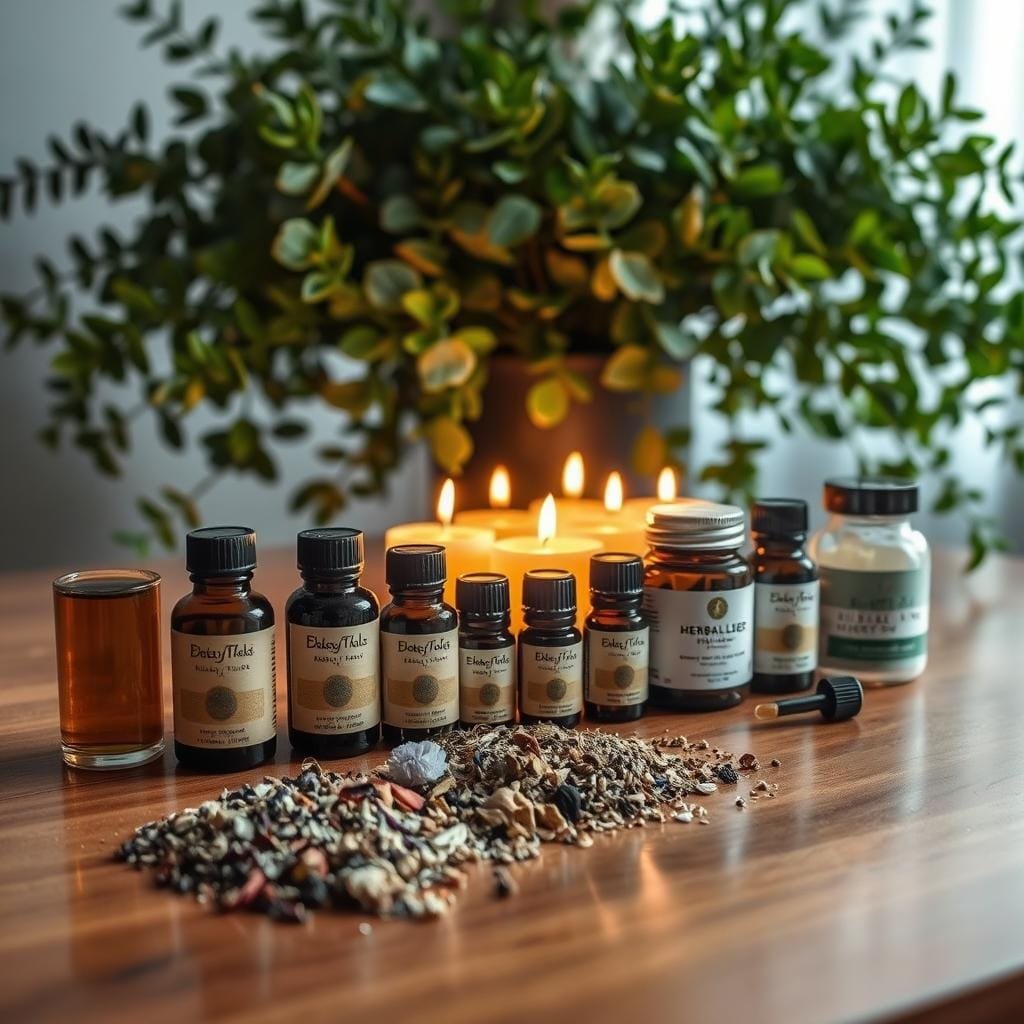
Over 60 million Americans have trouble sleeping well. Bad sleep is more than just feeling tired the next day. It really hurts your mood and body in big ways.
Bad sleep makes it hard to remember things and focus. It also makes you feel sad or down. Studies show it can lead to serious health problems like depression and heart disease.
Non-prescription sleep aids are kinder than medicines that can harm you. This guide will show you natural sleep remedies that help you sleep well without feeling groggy in the morning.
We’ll look at things like hormones, herbs, and minerals. You’ll learn about safe sleep supplements and how to use them right. This guide is for anyone who has trouble sleeping, from occasional to chronic insomnia.
Key Takeaways
- More than 60 million Americans suffer from poor sleep quality
- Chronic sleep issues increase risk for serious health conditions including diabetes and heart disease
- Natural alternatives typically cause fewer side effects than prescription medications
- Effective options include specific herbs, minerals, hormones, and aromatherapy techniques
- Proper dosage and timing are key for natural sleep solutions to work best
- Using more than one method can help more than just one
Understanding Sleep Problems and Their Impact
Sleep problems hit nearly 70 million Americans every year. This is a big health issue. Getting enough sleep is key for our bodies.
Research shows that sleep helps our brains, emotions, and bodies heal.
Not getting enough sleep is more than just feeling tired. It can hurt your memory, mood, and health. It can even lead to serious diseases.
Common Sleep Disorders Affecting Americans
Many Americans face sleep disorders that stop them from resting well. Insomnia makes it hard to fall or stay asleep. Sleep apnea and restless leg syndrome also disrupt sleep.
Circadian rhythm disorders mess up your body clock. This is common in shift workers and travelers.
| Sleep Disorder | Prevalence | Primary Symptoms | Impact on Daily Life |
|---|---|---|---|
| Insomnia | 30% of adults | Difficulty falling/staying asleep | Daytime fatigue, irritability, concentration problems |
| Sleep Apnea | 22 million Americans | Breathing interruptions, snoring | Morning headaches, excessive daytime sleepiness |
| Restless Leg Syndrome | 7-10% of population | Uncomfortable leg sensations | Sleep onset difficulties, disrupted sleep |
| Circadian Rhythm Disorders | Up to 3% of adults | Inability to sleep/wake at desired times | Social isolation, workplace performance issues |
The Dangers of Sleep Deprivation
Not sleeping enough hurts your body and mind. Just one bad night can make you slow and judgment-impaired, like being drunk. Long-term, it gets worse.
Your immune system gets weaker. You’re more likely to get sick. Hormones that control hunger get out of balance, leading to weight gain.
Worst of all, your brain can’t clear waste as well. This might hurt your memory and thinking skills over time.
Emotionally, not sleeping well makes you more stressed and less able to handle stress. This makes it harder to sleep, creating a cycle.
Signs You Need Sleep Support
If you take more than 30 minutes to fall asleep, you might have sleep problems. Waking up a lot during the night is also a sign.
Daytime tiredness, irritability, and trouble focusing are big clues. Headaches and weight changes can also mean you’re not sleeping right.
If you need caffeine all day or fall asleep when you’re not supposed to, your body is telling you something. It needs better sleep.
Why Choose Natural Sleep Aids Over Prescription Medications
It’s important to know the big differences between sleep meds and natural sleep aids. Many people get sleep meds from doctors. But, these meds can have big problems that natural aids don’t.
Risks of Dependency with Prescription Sleep Medications
Prescription sleep meds work well at first but can be very risky. Drugs like benzodiazepines and “Z-drugs” can make you dependent. This is both physical and mental.
Also, you might need more of the drug to sleep well. Stopping can lead to bad insomnia that’s harder to fix than the original problem.
Benefits of Natural Alternatives
Natural sleep aids are great for long-term sleep fixes. They work with your body, not against it. This is different from strong sedatives.
These aids have fewer side effects and don’t lead to addiction. They help fix sleep problems, not just cover them up. Plus, they’re safe with other health issues.
What Makes a Sleep Aid Safe for Nightly Use
A good sleep aid should have a few key traits. It should have few side effects and not get worse with time. It should also not make you feel groggy in the morning.
It should keep working at the same dose and not mess up your sleep cycles. And, it should be safe to stop using when you sleep better on your own.
Melatonin: The Body’s Natural Sleep Hormone
Melatonin is a hormone in our bodies that helps us sleep. It tells us when it’s time to rest. Knowing how it works can help you sleep better.
Today, we often don’t get enough sleep because of screens and odd schedules. This is why many people take melatonin to help them sleep.
How Melatonin Works in Your Body
Your pineal gland makes melatonin when it’s dark. This makes you feel sleepy at night. It’s like a natural alarm for bedtime.
“Melatonin is a hormone that is naturally released in the brain four hours before we feel a sense of sleepiness,” says Dr. Charlene Gamaldo. It helps your body get ready for sleep by cooling down and relaxing.
But, our modern life can mess with this system. Blue light from screens can stop melatonin from working. That’s why experts say to avoid screens before bed.
Recommended Dosage for Regular Use
The right amount of melatonin dosage is important. Experts say to start with 1-3 mg about 60-90 minutes before bed. This helps it work with your body’s natural sleep cycle.
For occasional sleep issues, this amount is usually enough. But, some might need a bit more. But, taking more than 5 mg can cause side effects.
When buying melatonin supplements, choose a good quality one. “Because melatonin supplements are unregulated by the FDA, the per-pill dosages and ingredients may differ from manufacturer to manufacturer,” warns Dr. Gamaldo. “Stick with one brand, and don’t buy it online from an unknown source.”
Potential Side Effects and Precautions
Melatonin is usually safe for short-term use. But, some people might feel headaches, dizziness, or have weird dreams. These usually go away if you take less or earlier.
Some groups should be careful with melatonin. Pregnant or breastfeeding women, people with autoimmune diseases, and those on blood thinners should talk to a doctor first.
Melatonin can also affect other medicines. If you’re on other drugs, talk to your doctor about possible interactions.
Time-Release vs. Regular Formulations
Time-release melatonin is good for some sleep issues. It releases the hormone slowly, like your body does naturally. This can help you stay asleep longer.
Regular melatonin is good for falling asleep fast. But, time-release melatonin keeps you asleep longer. It’s better for those who wake up a lot.
Older adults might find time-release melatonin more helpful. It keeps sleep quality up all night, not just at the start.
Valerian Root: An Ancient Remedy for Modern Sleep Problems

The valerian plant is known for helping people sleep. It has been used for over 2,000 years. Hippocrates first used it for insomnia and anxiety.
Scientific Evidence Supporting Valerian Root
Studies show valerian root helps people fall asleep faster. It also makes sleep better. The reason is its effect on brain chemistry.
Valerian root has compounds that help GABA in the brain. GABA calms the nervous system. This is like prescription sleep meds but safer.
A study in the American Journal of Medicine found a 44% better sleep quality. While not all studies agree, many show it helps.
How to Take Valerian Root Safely
Start with 300-600 milligrams of valerian root extract before bed. This helps it work as you sleep.
Valerian may take 2-4 weeks to work fully. Start with a small dose and increase if needed.
You can also make a tea with 2-3 grams of dried root. Add honey or lemon to make it taste better.
Who Should Avoid Valerian Root
Valerian root is not for everyone. Pregnant and nursing women should not use it. Children under 12 should only use it with a doctor’s advice.
People taking certain meds or alcohol should be careful. Valerian can make these effects stronger. Those with liver disease should talk to a doctor first.
Side effects are usually mild. They include headaches, stomach issues, morning drowsiness, and vivid dreams. If you have bad side effects, stop using it and talk to a doctor.
Tea, Tincture, or Supplement Forms
Valerian root comes in different forms. Each has its own benefits.
| Form | Onset Time | Potency | Convenience | Best For |
|---|---|---|---|---|
| Tea | 30-45 minutes | Mild to moderate | Requires preparation | Evening relaxation ritual |
| Tincture | 15-30 minutes | Moderate to high | Easy to adjust dosage | Quick absorption |
| Capsules | 30-60 minutes | Standardized potency | Very convenient | Regular nightly use |
| Extract Powder | 20-40 minutes | High concentration | Requires measuring | Customized dosing |
| Valerian Blend | Varies by formula | Enhanced with other herbs | Convenient | Multiple sleep issues |
Valerian tea is calming to make. Tincture is fast-acting but has alcohol. Capsules are easy to use and tasteless.
Valerian root is a good choice for those looking for natural sleep help. It’s safe and backed by science.
Magnesium: The Mineral That Promotes Relaxation
Magnesium is a key mineral for better sleep. It helps your body relax and get ready for sleep. It’s involved in over 300 body processes, including sleep.
Magnesium calms your nervous system. It also helps with neurotransmitters that send signals in your brain and body. It keeps GABA levels healthy, which helps you sleep.
Many people in the U.S. don’t get enough magnesium. This can lead to sleep problems.
Studies show magnesium helps older adults and those with restless legs sleep better. People say they fall asleep faster and wake up less at night when they have enough magnesium.
Different Forms of Magnesium for Sleep
Not all magnesium is the same for sleep. Different types are absorbed better and affect sleep differently:
- Magnesium glycinate – It’s great for sleep because it’s absorbed well and doesn’t upset your stomach. Glycine also helps you sleep.
- Magnesium threonate – It gets into your brain well, which might help with sleep.
- Magnesium citrate – It’s absorbed well and helps with sleep and constipation. But, it might make you go to the bathroom more.
- Magnesium oxide – It’s not absorbed as well and can upset your stomach. It’s not the best for sleep.
Optimal Dosage Guidelines
It’s important to find the right amount of magnesium for sleep. The daily amount is 310-320 mg for women and 400-420 mg for men. But, many don’t get enough from food.
For better sleep, take 200-400 mg of magnesium 1-2 hours before bed. Start with a small dose and increase as needed. If you have kidney disease, talk to your doctor first.
Too much magnesium can upset your stomach. If you get diarrhea or nausea, you’ve taken too much. Just take less next time.
Combining Magnesium with Other Sleep Aids
Magnesium works best with other sleep helpers. These pairs tackle different sleep issues:
- Magnesium + Melatonin: Magnesium relaxes you, while melatonin tells your body it’s time to sleep.
- Magnesium + L-theanine: It makes you relax without making you sleepy during the day.
- Magnesium + Valerian root: It boosts GABA for deeper sleep.
When mixing supplements, start with one at a time. This helps you see which works best for you.
Topical vs. Oral Magnesium for Sleep
Most people take magnesium by mouth. But, topical magnesium offers special benefits:
| Delivery Method | Benefits | Limitations | Best For |
|---|---|---|---|
| Oral Supplements | Systemic effects, precise dosing | May cause digestive issues | Overall sleep improvement |
| Magnesium Oil | Direct muscle absorption, no digestion required | Dosage difficult to measure | Muscle tension, restless legs |
| Magnesium Bath Salts | Relaxing, good for whole-body tension | Less concentrated delivery | Pre-bedtime relaxation ritual |
| Magnesium Lotion | Less tingling than oil, moisturizing | Lower concentration than oil | Sensitive skin, gentle application |
Topical magnesium is great for those who can’t take oral supplements or need muscle relief. Many use both oral and topical forms for the best results.
Herbal Teas for Better Sleep
Drinking a warm cup of herbal tea before bed can make your sleep better. It’s a natural way to relax without using medicines. These calming herbal teas help your body relax and get ready for sleep.
Chamomile: The Classic Sleep-Inducing Herb
Chamomile is a well-known sleep tea all over the world. It has a special part called apigenin that helps you relax and sleep. It’s gentle but helps a lot of people who can’t sleep well.
To get the most chamomile benefits, use 2-3 teaspoons of dried flowers in hot water for 10-15 minutes. Drink it 30-45 minutes before bed. You can also take chamomile extract (200-270mg) twice a day.
Passionflower: Nature’s Tranquilizer
Passionflower has beautiful flowers that help you sleep. Native Americans used it for centuries as a natural sedative. Studies show it makes your brain calm down by increasing GABA.
A study found that drinking passionflower tea before bed makes sleep better. Use one teaspoon of dried passionflower in hot water for 10 minutes. Drink it one hour before bed.
Lemon Balm and Other Calming Herbs
Lemon balm smells like citrus and helps you relax. It lowers stress hormones, making it easier to sleep. Its taste is mild, making it great for calming herbal tea blends.
Other herbs like lavender, valerian root, and holy basil also help with sleep. Each one has special ways to help you sleep better.
Creating the Perfect Bedtime Tea Blend
Mixing herbs can make your tea even better for sleep. Here are some good mixes for different sleep problems:
| Sleep Issue | Recommended Blend | Key Benefits | Preparation |
|---|---|---|---|
| Anxiety-related insomnia | Chamomile + Lavender | Reduces racing thoughts and physical tension | Steep 5 minutes, drink 45 minutes before bed |
| Stress-induced sleep problems | Passionflower + Lemon Balm | Lowers stress hormones and calms nervous system | Steep 10 minutes, drink 1 hour before bed |
| Difficulty staying asleep | Valerian + Holy Basil | Deepens sleep cycles and reduces nighttime waking | Steep 15 minutes, drink 30 minutes before bed |
| General sleep support | Chamomile + Passionflower + Lemon Balm | Comprehensive relaxation and sleep induction | Steep 10 minutes, drink 40 minutes before bed |
Adding a teaspoon of honey to your tea can help. Honey might help make melatonin, the sleep hormone. A little warm milk with tryptophan also helps sleep.
Aromatherapy and Essential Oils for Sleep
Aromatherapy uses scents from plants to help you sleep. It works by calming your brain and body. This makes it easier to fall asleep.
Lavender: The Most Studied Sleep-Promoting Scent
Lavender is the top scent for sleep. Studies show it makes sleep better. Lavender’s special parts help you relax.
A study in the Journal of Alternative and Complementary Medicine found lavender helps sleep. It slows your heart and lowers blood pressure. This gets your body ready for sleep.
Other Effective Essential Oils for Sleep
Bergamot oil helps by lowering stress and anxiety. It has a citrus smell that relaxes you without making you sleepy.
Chamomile oil is like chamomile tea but stronger. Vetiver oil has a earthy smell that calms your mind. Cedarwood oil might help make melatonin, which helps you sleep.
Methods of Application for Maximum Benefits
Using essential oils right matters. An essential oil diffuser is great for keeping your room calm all night. Start it 30 minutes before bed and use it in short bursts.
Inhaling essential oils directly can calm you fast. Just put a drop on a tissue and breathe it in. Or mix a few drops with oil for a massage before bed.
Linens sprays are easy to use. Mix 10 drops of oil with 2 ounces of water in a spray bottle. Spray your pillows and sheets. This makes your bed smell nice all night.
Natural Sleep Aid You Can Take Every Night: Amino Acids

Some amino acids help you sleep better every night. They are important for your brain and sleep. Unlike some medicines, these amino acids help you sleep naturally without making you dependent.
Glycine: The Sleep Quality Enhancer
Glycine is a small amino acid that helps you sleep well. It lowers your body’s temperature, telling your body it’s time to sleep.
Studies show that glycine supplements help you fall asleep faster. They improve sleep quality. Glycine increases blood flow, boosts serotonin, and helps control your body’s temperature.
Most studies say to take 3 grams of glycine an hour before bed. This amount is safe for regular use, making it great for consistent sleep support.
L-Theanine: Promoting Relaxation Without Drowsiness
L-theanine helps if you can’t stop thinking at night. It’s found in green tea and makes you calm but alert.
The L-theanine benefits come from its effect on brain waves. It makes you relaxed yet alert, helping you fall asleep without feeling groggy.
L-theanine also balances important brain chemicals like GABA, serotonin, and dopamine. Experts suggest 200-400mg taken 30-60 minutes before bed for sleep support.
GABA: The Calming Neurotransmitter
GABA is your brain’s main calming agent. It helps you relax and sleep better.
The use of GABA supplements is debated. It’s not clear if they can reach your brain. But many people say they help.
Despite the debate, many find GABA supplements helpful. They might work by affecting your nervous system or by partially reaching your brain. Typical doses are 100-200mg before bed.
Combining Amino Acids for Synergistic Effects
Using amino acids together can make them work better. Many sleep formulas use this to tackle sleep problems.
Glycine and magnesium together help with body temperature. L-theanine and GABA support your nervous system. These pairs help with complex sleep issues.
| Amino Acid | Primary Benefit | Recommended Dosage | Best For | Pairs Well With |
|---|---|---|---|---|
| Glycine | Lowers body temperature, improves sleep quality | 3g before bed | Difficulty staying asleep | Magnesium |
| L-Theanine | Calms mind without sedation | 200-400mg before bed | Racing thoughts, anxiety | GABA, Magnesium |
| GABA | Promotes relaxation | 100-200mg before bed | Stress-related insomnia | L-Theanine, Valerian |
Start with one amino acid at a time to see how it works for you. Once you know, mix them to solve your sleep problems.
Remember, amino acids are usually safe for nightly use. But, always talk to a doctor before starting any new supplements, if you have health issues or take medicines.
CBD and Hemp-Derived Sleep Aids
Cannabidiol (CBD) comes from hemp plants. It might help you sleep better without bad side effects. Unlike THC, CBD doesn’t make you feel high but could help with sleep problems.
How CBD Affects Sleep Architecture
CBD interacts with your body’s endocannabinoid system. This system helps control sleep cycles. CBD might help sleep by fixing sleep problems, not just making you sleepy.
It can also lower anxiety, which helps you sleep better. CBD calms your mind, making it easier to fall asleep.
CBD might change how you sleep. It could make you sleep longer and deeper. This could mean you wake up feeling more refreshed.
Finding the Right Product and Dosage
Choosing a good CBD product is key. Look for products tested by others to ensure they’re safe and effective. Organic hemp is usually better.
Start with a small dose of 10-25mg of CBD. You can then increase it until you find the right amount. Some people need more, up to 100-175mg, for sleep.
CBD comes in different forms. Each has its own benefits:
- Oils and tinctures are easy to dose and work fast
- Capsules are convenient and give the same dose every time
- Edibles like gummies are fun but take longer to start working
Legal Considerations in the United States
The laws about CBD in the U.S. can be tricky. The 2018 Farm Bill says hemp-derived CBD with less than 0.3% THC is legal. But, state laws differ a lot and change often.
Always check your state’s laws on CBD. Some states allow CBD more than others.
Full-Spectrum vs. CBD Isolate for Sleep
When picking a CBD product for sleep, you’ll see two types:
Full-spectrum CBD has many cannabinoids and terpenes from hemp. These work together for better sleep benefits.
CBD isolate is just pure CBD with no other hemp stuff. It’s good for those worried about THC or need to pass drug tests. But, it might not be as good as full-spectrum for sleep.
Creating a Comprehensive Sleep-Promoting Routine
A good sleep routine mixes natural remedies with lifestyle changes. Using sleep aids alone is helpful. But, combining them with sleep habits makes sleep better.
This mix helps your body get ready for sleep. It makes sleep time consistent and better.
Combining Multiple Natural Sleep Aids Safely
When using many natural sleep aids, safety is key. Start with one and wait 1-2 weeks before adding another. This helps find what works best for you.
Some sleep aids work well together. Melatonin helps you fall asleep, and magnesium relaxes muscles. A calming tea with lavender makes a great combo.
Be careful about how supplements interact. Talk to a doctor before mixing them, if you take medicine or have health issues.
Timing Your Natural Sleep Remedies
When you take sleep aids matters. Each aid works at different times. Plan when to take them in your bedtime routine.
Melatonin should be taken 1-2 hours before bed. Valerian root is best 30-60 minutes before sleep. Magnesium can be taken with dinner or an hour before bed.
Aromatherapy can start 30-45 minutes before bed. Use lavender or other calming oils. Herbal teas like chamomile are good 45-60 minutes before bed.
Complementary Lifestyle Changes
Natural supplements work best with good sleep habits. Keep a regular sleep schedule. This helps your body get better sleep.
Exercise is good for sleep, but not too close to bedtime. Aim for 4-6 hours before bed. This lets your body cool down.
What you eat affects sleep. Avoid caffeine after noon. Don’t drink alcohol too close to bedtime. Eat your last meal 3 hours before bed.
Stress can hurt sleep. Try meditation, stretching, or journaling before bed. It helps calm your mind.
Digital Detox and Sleep Environment Optimization
Modern bedrooms can disrupt sleep. A digital detox can make a big difference in sleep quality.
Blue light from screens can keep you awake. Set a tech-free time before bed. Use blue-light blocking glasses if needed.
Keep your bedroom cool. Experts say 65-72 degrees is best. Use cotton for sleepwear if you’re hot at night.
Darkness is key for sleep. Use blackout curtains or a sleep mask. Use a small flashlight for bathroom trips at night.
Sound is important too. Use a white noise machine or earplugs. Some like nature sounds or soft music for sleep.
Getting a good sleep environment might cost a bit. But, it can make your sleep much better for a long time.
When to Seek Professional Help for Sleep Issues
For mild sleep problems, natural aids can help. But if issues last more than three weeks, see a sleep specialist for chronic insomnia treatment.
Signs you need a doctor include waking up gasping, feeling very tired during the day, loud snoring, or sleep issues that mess up your day.
Your doctor will talk about your sleep, health, and lifestyle. They might ask you to keep a sleep diary for 1-2 weeks.
For tough cases, a sleep study might be needed. This test watches your brain, breathing, heart, and movements while you sleep.
Treatment depends on what your doctor finds. You might get therapy, special devices, or medicines for a short time.
Some medicines can mess with your sleep. Always check with your doctor before taking more than 10 milligrams of melatonin. They’ll pick the best treatment for you.