
When your little one clings to you at bedtime, it’s a big moment. Bedtime anxiety shows your child is learning about their world. It’s not just about sleep.
This phase starts when babies start moving around, usually at 8-10 months. It’s when they see themselves as separate from their parents. This is both exciting and scary for them.
Parents often find these evenings tough. The crying, asking for hugs, and waking up at night can be hard. But, it’s important to know these signs show healthy attachment.
Children with bedtime anxiety are not being naughty. They’re dealing with big feelings about safety and security. Their brains are trying to understand that you’re always there, even when you’re not in the room.
Key Takeaways
- Bedtime distress signals healthy attachment and normal cognitive development
- This phase typically begins when babies start crawling or walking
- Consistent bedtime routines help children feel secure during evening transitions
- Comfort objects can provide reassurance when parents aren’t physically present
- Most children outgrow intense attachment concerns by age three
- Daytime connection reduces evening stress and separation fears
What Is Night Time Separation Anxiety in Children?
When it gets dark, many kids feel scared to be away from their parents. This feeling is called night time separation anxiety. It’s a common problem that happens when kids are at certain ages.
Parents see their kids getting clingy and upset as bedtime comes. These feelings are real and not just because kids want attention. Knowing this helps parents be kind and understanding when it’s hard to say goodnight.
Separation anxiety at nightcomes from kids learning to be attached to their caregivers. They start to see themselves as separate from their parents. This can make them feel scared when they’re alone in the dark.
The Psychology Behind Separation Anxiety
Separation anxiety starts with how kids attach to their caregivers. As they grow, they learn they are separate. This is called object permanence.
When kids learn object permanence, around 8-10 months, they get scared. They think their parents are gone forever. This makes them worry about being alone.
Separation anxiety is a way to keep kids safe. In the past, being away from parents was dangerous. This anxiety helped keep kids close to their protectors.
How It Specific Manifests at Bedtime
Bedtime is when separation anxiety is at its worst. The dark, being alone, and the fear of sleep make kids anxious. Commonseparation anxiety symptomsat bedtime include:
Kids might not want to go to bed. They might ask for water or more stories to stay with their parents. This is their way of trying to stay close.
Once in bed, kids might call out for their parents. They might even get out of bed. Some kids even have panic attacks.
Kids might also feel sick or have headaches. These feelings go away when their parents are near. It’s not just in their heads.
| Aspect | Daytime Separation Anxiety | Nighttime Separation Anxiety | Impact on Family |
|---|---|---|---|
| Primary Triggers | School drop-offs, parent leaving for work | Bedtime routine, darkness, being alone | Morning rushes, bedtime battles |
| Common Behaviors | Clinging, crying, refusing to separate | Stalling, frequent wake-ups, bedroom visits | Parental exhaustion, schedule disruptions |
| Duration | Usually limited to transition periods | Can extend throughout entire night | Sleep deprivation for entire household |
| Coping Strategies | Consistent goodbyes, transitional objects | Bedtime routines, comfort items, night lights | Requires family-wide consistency and patience |
Sleep problems are a big part of bedtime anxiety. Kids might have trouble sleeping or wake up a lot. This can make everyone in the family tired and anxious.
Knowing how bedtime anxiety works helps parents understand their kids better. It’s not just about being scared at night. It’s about feeling safe and secure.
Developmental Stages and When to Expect Anxiety
Children’s separation anxiety changes as they grow. It affects bedtime routines at different ages. Knowing these developmental milestones helps parents get ready for anxious times. It lets you understand and help your child through these emotional phases.
Infants (0-12 months)
Babies start feeling separation anxiety around 8-10 months. This is when they learn that things exist even when they can’t see them. This new understanding makes them feel scared when you leave.
Infants might cry a lot when you leave or when it’s time for sleep. They wake up a lot at night. This is because they don’t know that you’ll come back.
Toddlers (1-3 years)
Toddlers feel more scared when you leave, starting at 18 months to 2 years. They can talk and imagine, making toddler sleep anxiety more complicated. They can say they don’t want you to go.
They might ask for more stories or water to delay bedtime. They start to imagine scary things, like monsters. This makes bedtime seem even scarier.
They might cling to you more and have trouble sleeping alone. This is normal and usually doesn’t last long.
Preschoolers and School-Age Children (3-7 years)
Preschoolers and early school-age kids usually feel less scared. But they can get anxious during stressful times. They understand time better and can grasp when you’ll come back.
But they can also worry about more things. Preschooler bedtime fears might include safety or worries about you. They start to think about bigger worries.
School-age kids might worry about death or big events. Their fears are not just about being left alone. They worry about safety in the world. Talking to them about these worries helps.
Common Triggers That Worsen Bedtime Anxiety
Finding out what makes your child’s bedtime anxiety worse is key. Some things can make a small worry into a big problem. Knowing what separation anxiety causes helps parents help their kids better.
Major Life Changes and Transitions
Children like things to be the same every day. Big changes like moving or starting school can upset them. These changes make bedtime stress factors worse.
Even small changes, like moving to a big kid bed, can scare kids. They might hold onto parents more because they feel safe with them. This makes bedtime hard during big changes.
When kids learn new things, like using the potty, they might get more anxious. These family transitions are times when kids need to know they’re safe with you.
Exposure to Frightening Media Content
Young minds can’t handle scary things from TV or movies. Shows or books that are too scary for kids can make them worry. These worries can make bedtime scary.
Scary things from media can turn into real fears for kids. A monster from a movie can seem real at night. This makes kids feel scared when they’re alone.
Watch what your kids watch. Even things that seem okay to adults can scare kids. Their imaginations can make these fears worse at night.
Family Stress and Parental Anxiety
Children can tell when their family is stressed. Money problems, work worries, or fights can upset kids. They might not even know it’s happening.
When parents are worried, kids can pick up on it. They notice how we feel through our voices and faces. This can make kids think bedtime is scary too.
Parents need to be calm and confident at bedtime. This helps kids feel better, even when things are tough at home.
Recognizing Signs of Night Time Separation Anxiety

Parents often think kids who resist sleep at night are just being stubborn. But, it’s important to know if they really have separation anxiety. This helps families help their kids instead of getting upset.
Behavioral Indicators to Watch For
Children with night time anxiety often act in certain ways as bedtime gets closer. They might cling to you or follow you everywhere. This gets worse as bedtime nears.
Bedtime resistance can look different than just saying no. Kids might ask for water or more stories to delay bedtime. They might seem really upset or worried.
They might talk a lot or cry when you try to leave. After you tuck them in, they might call out or leave their room. They might get really upset when you try to leave.
Daytime behaviors can also show night time anxiety. Look for kids who cling a lot or get upset when you leave. They might not want to do things without you. This gets worse at bedtime.
Physical Symptoms and Sleep Disruptions
Night time anxiety can make kids feel sick or hurt. They might say they have a stomachache or headache. These are real feelings, not just excuses to avoid sleep.
Sleep problems are a big sign of separation anxiety. Kids might take a long time to fall asleep. They might wake up a lot and need you to calm them down.
Nightmares or night terrors can happen more often. Kids might start to wet the bed again or need help with the bathroom. They might not sleep well, making them tired and cranky during the day.
| Age Group | Common Behavioral Signs | Physical Symptoms | Sleep Disruptions |
|---|---|---|---|
| Infants (0-12 months) | Increased crying, clinginess when put down | Fussiness, difficulty calming | Frequent night waking, shorter naps |
| Toddlers (1-3 years) | Tantrums at bedtime, following parents | Complaints of tummy aches, headaches | Bedtime resistance, calling out repeatedly |
| Preschoolers (3-5 years) | Elaborate stalling, verbal negotiation | Stomachaches, headaches, feeling “sick” | Nightmares, leaving bedroom repeatedly |
| School-Age (5-7 years) | Worry verbalization, seeking reassurance | Psychosomatic complaints, tension | Difficulty falling asleep, early waking |
Spotting these signs early helps parents help their kids. By dealing with the anxiety, not just the behavior, kids can learn to sleep better. They also learn to handle being apart from their parents.
It’s normal for kids to feel anxious sometimes. But if it lasts a long time or gets worse, it’s time to get help. A professional can give your child the support they need.
Establishing a Calming Bedtime Routine
A calming bedtime routine gives kids the security they need at night. It makes them feel safe and in control. When kids know what’s coming, they feel less scared.
This routine tells their brain and body it’s time to sleep. It makes being alone at night easier.
Essential Elements of an Effective Routine
A good bedtime routine for anxiety starts with a clear signal. This can be bath time, changing into pajamas, or saying it’s bedtime.
Do things that make you and your child feel close. Reading, back rubs, or talking about the day can help. These activities make your child feel safe when you leave.
Do practical things like brushing teeth next. This stops last-minute delays. A visual schedule with pictures helps young kids follow the routine.
Timing and Consistency Strategies
When you start your calming bedtime activities matters a lot. Pick a time that works for your child’s age. This helps avoid being too tired, which can make anxiety worse.
A bedtime routine should last 20-30 minutes. If it’s too short, it feels rushed. If it’s too long, it can make anxiety worse.
Keep a consistent sleep schedule even on weekends. This helps your child’s body clock. Knowing what’s next helps them feel in control and less anxious.
Creating a Sleep-Friendly Environment
The room where your child sleeps is very important. Keep it cool (65-70°F) and dark. A dim night light can help if they’re scared of the dark.
Use white noise machines to block out sounds. Remove toys and electronics. Use comfort items instead to make them feel safe.
| Element | Effective Approach | Ineffective Approach | Impact on Anxiety |
|---|---|---|---|
| Lighting | Dim, warm lighting that gradually decreases | Bright lights until the moment of sleep | Proper lighting signals the brain to produce melatonin, reducing alertness and anxiety |
| Activities | Quiet, calming activities like reading or gentle music | Exciting games or screen time | Calming activities lower heart rate and prepare the body for rest |
| Consistency | Same sequence and timing every night | Unpredictable or frequently changing routines | Consistency builds security and reduces fear of the unknown |
| Parent Behavior | Calm, confident demeanor with clear boundaries | Showing frustration or uncertainty | Children sense and mirror parental emotions, affecting their own anxiety levels |
Using Comfort Objects and Transitional Items Effectively
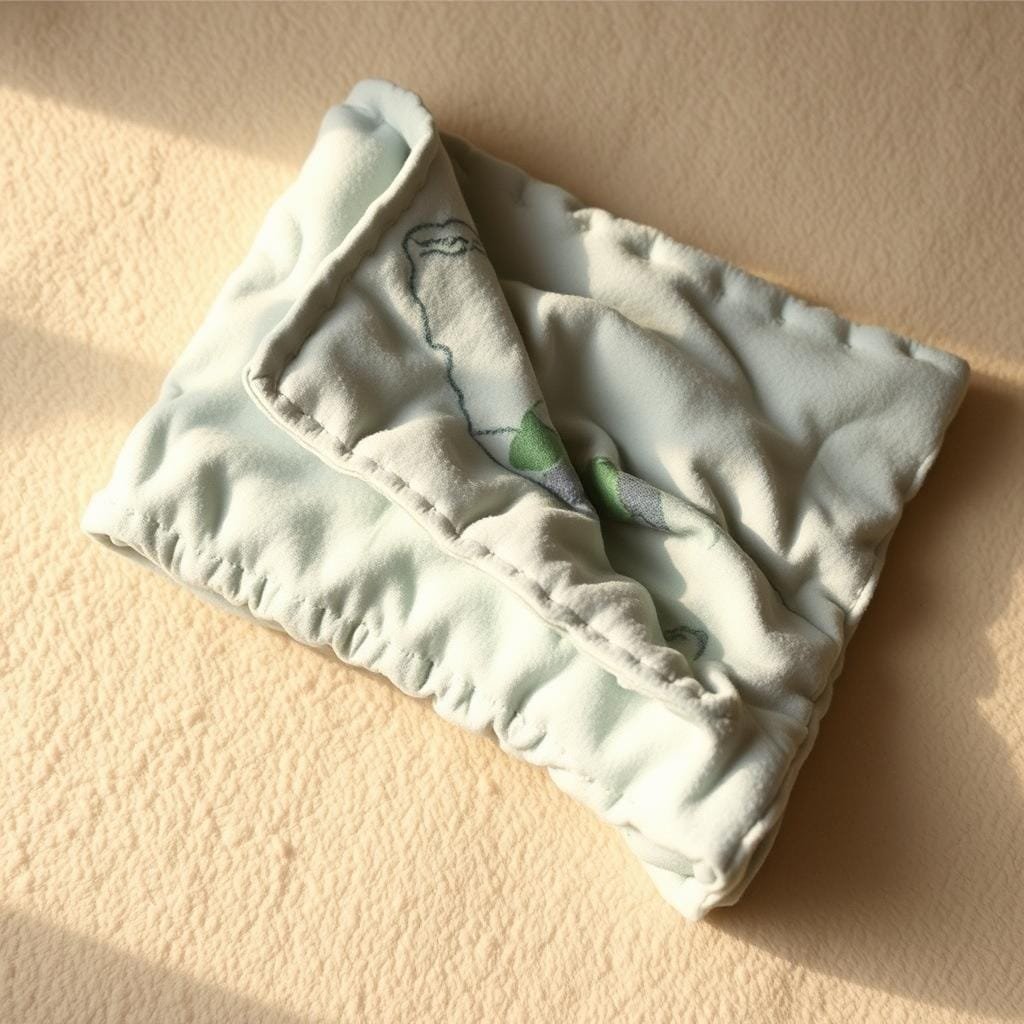
Introducing comfort objects can make bedtime better for anxious kids. These items help kids feel safe when their parents are not there. Knowing how to use them well can really help with bedtime anxiety.
The Psychological Benefits of Comfort Objects
Comfort objects, like “loveys” or “transitional objects,” are very helpful for kids. They remind kids of their parents and help them feel safe. Studies show that kids who use these items can calm down better and handle feelings better.
A study found that these items calm kids down. They work by touching, smelling, and seeing them.
These items also help kids feel safe when they’re in new places.
Selecting and Introducing the Right Comfort Item
When picking a lovey, safety is key. For kids under 12 months, these items should not be in their bed. But they can be part of their bedtime routine.
- Small detachable parts
- Long strings or ribbons
- Features that could pose choking hazards
Soft, washable items like small blankets or stuffed animals are great. Start by using it in fun times during the day. Hold it with your child during story time to share your scent.
Avoiding Over-Dependence on Comfort Objects
While these items are helpful, don’t let kids rely too much on them. Set rules for when and where they can use it. Maybe it’s only for bedtime and naptime.
Encourage your child to leave the blanket in a special place sometimes. This helps them feel more confident without it.
As kids grow, support their bond with the object without pressure. Most kids will use it less as they get better at handling things on their own. But some might keep using it when they’re stressed or tired.
Communication Techniques That Reduce Anxiety
Talking to kids about bedtime fears can really help. How we talk about these fears affects their feelings of safety and confidence. When we talk with empathy and clarity, we build trust. This trust makes kids feel safe even when we’re not there.
Good bedtime conversations are calm, consistent, and easy to understand. Kids pick up on how we feel. They might feel scared if we seem scared. But if we’re calm, we show them it’s okay to be apart.
Age-Appropriate Explanations and Reassurances
Every age needs its own way of talking about separation anxiety. For babies and young toddlers, simple words like “Mommy will be back” help. Their trust comes from our tone and presence, not just words.
Older toddlers and preschoolers need clear answers. Say “I’ll be in my room while you sleep in yours” to ease their worries. This makes them trust us more.
School-age kids need to know why sleep is important. Explain that everyone needs rest. Your calm voice is more important than what you say.
Validating Feelings Without Reinforcing Fears
Emotional validation is key when kids are scared at bedtime. Saying “I understand you’re feeling worried” shows we respect their feelings. This makes them feel heard and understood.
But we must be careful not to make their fears seem real. Too much reassurance can make things worse. Instead, say “It’s okay to feel scared, and I know you can be brave tonight.”
Remembering past successes helps build confidence. Say “Remember last night when you stayed in your bed? You did great!” This shows kids they can handle things on their own.
Using Stories, Books, and Role Play
Stories and role play help kids deal with separation anxiety in a safe way. Anxiety books for kids like “The Kissing Hand” and “Llama Llama Misses Mama” help them understand feelings through stories.
Playing with stuffed animals or puppets lets kids practice being brave. A teddy bear might worry, and your child can comfort it. This helps them feel better about being alone.
These creative methods help kids face their fears in a safe way. They learn to manage their feelings and feel closer to us. Through stories and play, they gain the tools to handle separation.
Gradual Independence Building Methods
Helping anxious kids sleep alone needs careful steps. These steps build their confidence slowly. They help your child learn to calm down at night without feeling scared.
By using special methods, your child will feel more confident at bedtime. This helps them without making them feel too stressed.
The “Checking Method” and Scheduled Returns
The checking method is a good way to help kids with sleep training for anxiety. It gives them comfort while teaching them to be independent. You put your child to bed when they’re sleepy but awake, then say a quick goodbye.
Then, you come back at set times to reassure them. Start with short visits (3-5 minutes) and make them longer as your child gets better. Just a gentle touch or quiet words are enough.
Knowing when you’ll come back makes your child feel safe. Be calm and sure when you check on them. This helps them learn to sleep alone without getting too anxious.
Progressive Distance and Fading Parental Presence
For kids who are really scared, gradual separation techniques can help. Start by sitting next to their bed until they fall asleep. Then, move your chair a little farther each night until you’re outside the room.
Another way is to stay in the room but do less and less. Start with patting, then just sitting there without touching. This is great for kids who need to take it slow.
Change how fast you move based on how your child does. Go slower if they get too scared. Remember, it’s about making progress, not being perfect.
Positive Reinforcement for Brave Behavior
When your child is brave at bedtime, praise them. Say something like, “I saw you take deep breaths when you were scared.” This shows them good ways to handle fear.
For kids over 3, use stickers to show progress. Celebrate their bravery in the morning. Small rewards can help, but focus on making them feel good about trying.
| Independence Method | Best For Ages | Anxiety Level | Implementation Time | Key Benefit |
|---|---|---|---|---|
| Checking Method | 6 months – 5 years | Mild to Moderate | 1-2 weeks | Structured reassurance with clear boundaries |
| Chair Method | 2-7 years | Moderate to High | 2-3 weeks | Very gradual reduction in parental presence |
| Fading Interaction | 1-6 years | Moderate | 1-3 weeks | Maintains proximity while reducing dependence |
| Reward Systems | 3-7 years | Any level | Ongoing | Builds positive associations with independence |
When Professional Help Is Needed
Parents often wonder when to seek help for their child’s night time fears. Separation anxiety is normal in kids, but sometimes it gets too much. Knowing when to get help can help your child feel better.
Warning Signs of Severe or Persistent Anxiety
Some signs show your child’s anxiety might need a doctor’s help. The American Academy of Pediatrics says anxiety lasting more than preschool years is serious. It’s a big worry if it stops your child from doing normal things.
Look out for physical signs like stomachaches or headaches. If your child can’t calm down when you leave, they might need help. These signs mean it’s time to talk to a professional.
Other signs include panic attacks or acting out. If your child is really scared and can’t shake it, it might be more than just fear. This could mean they have separation anxiety disorder.
Types of Professional Support and Interventions
When home remedies don’t work, there are many professional options. Start with your child’s doctor. They can check if your child needs more help.
Child psychologists or therapists can help with therapy for separation anxiety. They use Cognitive Behavioral Therapy (CBT). For little kids, play therapy helps them deal with feelings through play.
If sleep is a big problem, a pediatric sleep specialist can help. They use special plans to fix sleep and anxiety issues. This combines behavior and sleep science.
Family therapy might be suggested if family issues affect your child’s anxiety. For older kids with serious anxiety, doctors might suggest medicine. But this is usually with other treatments too.
Getting help early is important. It stops problems from getting worse. Remember, asking for help shows you care about your child’s emotional health.
Self-Care for Parents During the Process
Helping a child through night time separation anxiety is hard on parents. It takes a toll on their emotions and bodies. Constantly reassuring, disrupted sleep, and emotional work can lead to burnout if not managed.
It’s key to have a support system to handle stress. Partners can take turns with bedtime routines or middle-of-night wake-ups. Ask family or friends to watch the kids sometimes so you can rest.
Your health is important too. Try to sleep when kids nap or go to bed early if you can. Even a short walk can boost your mood and energy.
Getting emotional support from others who understand is helpful. Online forums and local groups are great for sharing and finding sleep solutions without being judged.
Simple mindfulness can help in tough times. Take five deep breaths before dealing with bedtime issues. Remember, it’s okay to have setbacks along the way.
Be kind to yourself and know you can’t do everything perfectly. Taking care of yourself helps you support your child better. It also shows them how to handle emotions in a healthy way.