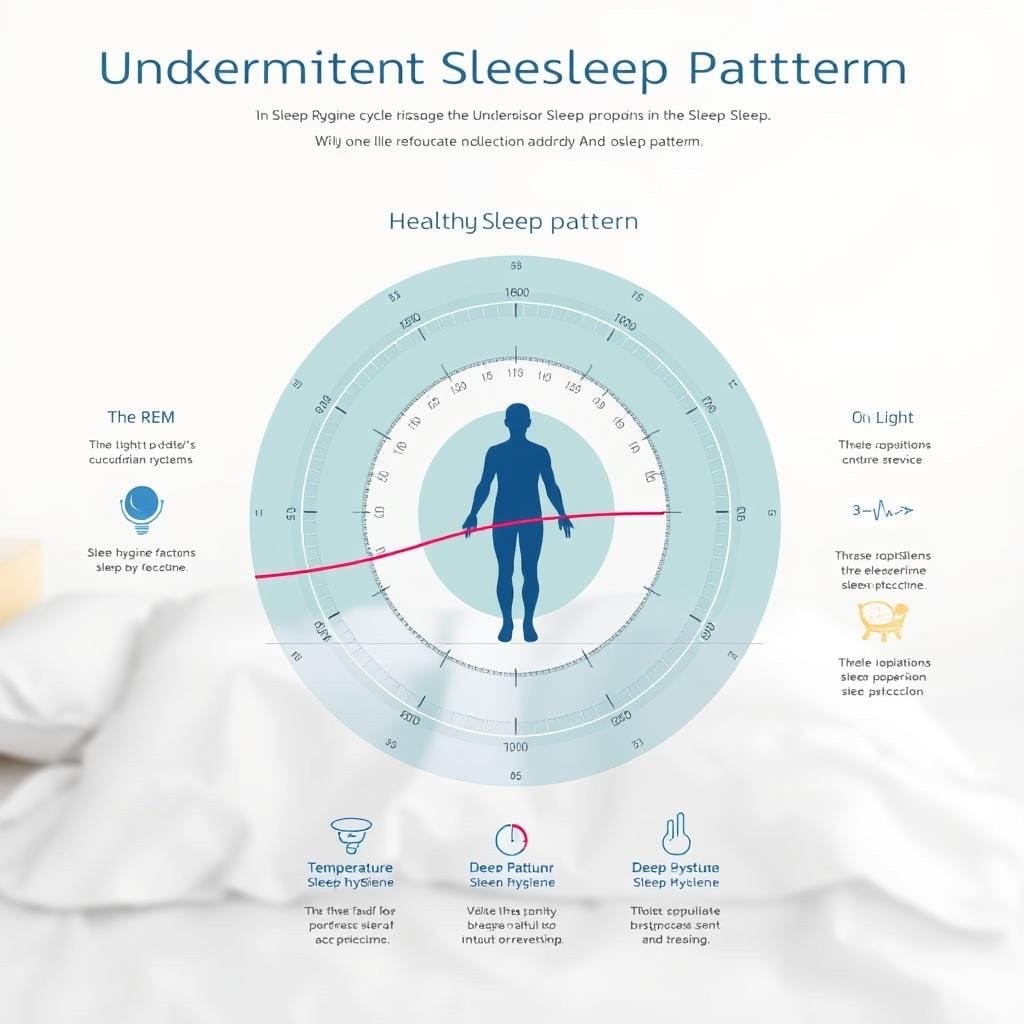
Did you know you spend about one-third of your life asleep? That’s right – sleep is as essential to survival as food and water. Yet many Americans struggle to get the rest they need, often without understanding why. This guide will help you decode your body’s natural rhythms and improve your rest.
Quality rest does more than just fight off fatigue. When you maintain healthy sleep habits, your brain forms pathways that help you learn and create new memories. Your body repairs tissues, builds immunity, and regulates hormones that control everything from hunger to mood.
Poor sleep quality affects nearly every aspect of your health. It slows your reaction time, clouds your thinking, and weakens your body’s defenses. Over time, irregular rest patterns can contribute to serious health issues like heart disease, diabetes, and depression.
Understanding your body’s natural cycles is the first step toward better sleep health. By recognizing how factors like light exposure, daily routines, and bedroom environment affect your rest, you can make simple changes that lead to profound improvements in how you feel and function.
Key Takeaways
- Quality sleep is essential for memory formation and cognitive function
- Adults need 7-9 hours of rest per night for optimal health
- Your body follows natural sleep-wake cycles called circadian rhythms
- Poor sleep habits can lead to serious long-term health problems
- Small changes to your routine can significantly improve sleep quality
- Understanding your personal sleep needs helps optimize your rest
The Science of Sleep: Cycles and Stages
Every night, your body goes through a special process called sleep cycles. These cycles help you feel rested and healthy. Knowing about them can make your sleep better.
Your body goes through four to six sleep cycles each night. Each cycle lasts about 90 minutes. These cycles change as the night goes on, helping your body in different ways.
Good sleep quality comes from moving smoothly through these stages. If you don’t, you might feel tired or have trouble thinking. Sleep cycles are important for feeling good.
The Four Sleep Stages Explained
There are four sleep stages in each cycle. These stages are divided into two groups: NREM and REM sleep. Each stage has its own special features.
Each stage has different brain waves and muscle activity. Your body needs all four stages to sleep well. The time spent in each stage changes throughout the night.
Light sleep is the first stage. It lasts 5-10 minutes. Your muscles relax, and your brain waves slow down.
Stage 2 is a bit deeper. Your heart rate slows, and your body gets ready for deeper sleep. This stage helps with memory and keeps you asleep.
Deep Sleep (Stage 3)
Stage 3 is the deepest sleep. Your brain waves are slow, and your body repairs itself. It’s hard to wake up here.
This stage is key for fixing your body. It helps with growth, repairs, and strengthens your immune system. It also helps with memory and thinking.
REM Sleep: When Dreams Occur
REM sleep is when your brain is very active but your body is paralyzed. This is when you dream vividly.
In REM sleep, your eyes move fast, and your breathing changes. This is when you dream most. Dreams help with emotions and learning.
How Sleep Cycles Change Throughout the Night
Your sleep cycles change as the night goes on. In the first half, you sleep deeply. This is when your body repairs itself.
As the night goes on, deep sleep decreases, and REM sleep increases. Your last cycles have more REM sleep. This shows your body’s changing needs.
Short sleep harms because it cuts down on REM sleep. Getting enough sleep lets you enjoy all stages.
| Sleep Stage | Brain Wave Pattern | Duration | Primary Functions | Characteristics |
|---|---|---|---|---|
| Stage 1 (Light) | Theta waves | 5-10 minutes | Transition to sleep | Easily awakened, floating sensation |
| Stage 2 (Light) | Sleep spindles, K-complexes | 20-25 minutes | Memory processing | Decreased heart rate and temperature |
| Stage 3 (Deep) | Delta waves | 20-40 minutes | Physical restoration | Difficult to wake, tissue repair |
| REM | Similar to wakefulness | 10-60 minutes | Mental restoration | Dreaming, muscle paralysis |
Your Body’s Internal Clock: The Circadian Rhythm
Your body has a natural 24-hour cycle. It controls your sleep, metabolism, and hormone levels. This cycle makes you feel awake or tired at different times, even if you sleep the same hours every night.
This cycle is in your brain, called the suprachiasmatic nucleus (SCN). It keeps your body’s processes in sync with the day and night.
Most people’s cycles match the day-night cycle. But, everyone is a bit different. Your cycle affects your body temperature, hunger, hormone release, and sleep.
When it works well, you feel awake during the day and sleepy at night.
Your cycle is influenced by things like light, food, exercise, and social time. Light is the biggest influence. But, other things also play a role.
When these things change, like working at night, you might feel off. This is because your cycle is out of sync.
How Light Exposure Regulates Your Sleep-Wake Cycle
Light is key to your sleep cycle. When light hits your eyes, it sends signals to your brain. This helps you stay awake during the day.
Morning sunlight is very important. It helps your body get ready for sleep at night. But, too much light at night can mess with your cycle.
Getting light in the morning helps you wake up. Getting light at night can make you feel awake. This is why regular light patterns help you sleep better.
The Role of Melatonin and Other Sleep Hormones
Melatonin is the main sleep hormone. It helps you feel sleepy at night. Your body makes more melatonin when it’s dark.
Other hormones also play a part. Cortisol helps you wake up in the morning. Growth hormone is released when you sleep deeply. Adenosine makes you feel tired when you’re awake.
This balance is why regular sleep is important. Irregular sleep can mess with your hormones and make it hard to sleep or stay awake.
Individual Differences in Circadian Rhythms
Everyone’s internal clock is a bit different. Some people are morning people, while others are night owls. These differences are real and not just habits.
Genetic Factors in Sleep Timing
Your genes play a big role in your sleep preferences. Scientists have found genes that control your sleep cycle. These genes can explain why sleep patterns run in families.
About 40% of your sleep preference comes from your genes. These genes affect how you respond to light and how tired you feel during the day.
Age-Related Changes to Circadian Rhythm
Your cycle changes as you get older. Babies sleep in short bursts, while teenagers sleep later. This is because their cycles are not yet set.
As we get older, our cycles shift. Older adults wake up earlier and sleep less soundly. This is because their melatonin production changes and their brain processes light differently.
| Age Group | Typical Circadian Pattern | Melatonin Production | Common Challenges |
|---|---|---|---|
| Infants | Undeveloped, multiple sleep periods | Irregular, developing | Fragmented sleep, no clear day-night pattern |
| Teenagers | Delayed phase (later sleep-wake times) | Peaks later in the evening | Difficulty waking for early school, weekend “catch-up” sleep |
| Adults | Stabilized 24-hour pattern | Regular evening onset | Shift work disruption, social jet lag |
| Older Adults | Advanced phase (earlier sleep-wake times) | Earlier release, reduced amount | Early morning awakening, reduced sleep quality |
Understanding Your Sleeping Pattern: Types and Variations
Learning about different sleep patterns can help you find your natural rhythm. Just like fingerprints, our sleep habits are unique and change over time. They are shaped by our genes, age, lifestyle, and environment.
By age six, kids start showing if they like mornings or evenings. As we get older, these preferences grow and change. From teens to adults, our sleep needs and times change due to hormones and life.
Early Birds vs. Night Owls: Chronotype Differences
Your chronotype is when you naturally want to sleep and wake. Early birds wake up with the sun and are most alert in the morning. Their body temperature goes up early, and they sleep early.
Night owls, on the other hand, are more energetic and creative at night. They like to stay up late. About 40% of being a night owl is genetic. The rest comes from age, light, and social factors.
Monophasic, Biphasic, and Polyphasic Sleep Patterns
Monophasic sleep is one long sleep period at night. It fits with most jobs but isn’t the most natural. Many cultures have had different sleep times throughout history.
Biphasic sleep has two sleep periods in 24 hours. It includes a long night sleep and a short nap. This is common in Mediterranean and Latin American cultures.
Polyphasic sleep has sleep in many short periods. Some famous people used this, but most have one long sleep and short naps. Some try polyphasic to wake up more, but its health effects are not clear.
How Your Sleep Pattern Affects Daily Performance
Your sleep pattern and daily schedule affect how well you do. Working against your natural time can make you tired, affect your mood, and hurt your coordination.
When you do tasks at your best time, you do better. Most people are less alert in the early afternoon. Early birds are best in the late morning, and night owls in the late afternoon or evening.
Knowing your sleep pattern helps you plan better. You can do hard tasks when you’re most alert and rest when you’re tired. This makes you more productive, creative, and happy.
Factors That Influence Sleep Quality and Duration
Many things affect how well we sleep. These include our age, diet, and the environment around us. Knowing what affects our sleep can help us improve it.
Age-Related Sleep Changes Across the Lifespan
Newborns sleep a lot, up to 18 hours a day. Toddlers and kids sleep less as they grow. By the time they’re teenagers, they need 8-10 hours of sleep.
Adults usually need 7 to 8.5 hours of sleep, says Dr. Michelle Drerup. But, how much we need can vary. Most adults sleep in the 7-to-9-hour range.
As we get older, our sleep changes. Older adults sleep lighter and wake up more. This is why many seniors go to bed early and wake up before dawn.
Diet and Nutrition Impact on Sleep
What we eat and drink affects our sleep. Eating poorly can make us crave unhealthy foods. Some foods can help or hurt our sleep.
Caffeine, Alcohol, and Other Dietary Stimulants
Caffeine stops us from feeling sleepy. It can stay in our system for 6-8 hours. So, that coffee in the afternoon can keep you awake at night.
Alcohol might help us fall asleep at first. But it messes with our REM sleep later. It makes our sleep broken.
Nicotine is a stimulant that keeps us awake. It makes our sleep lighter and less restful. Eating spicy or heavy meals before bed can also disrupt our sleep.
Foods That Promote Better Sleep
Some foods can help us sleep better. Foods with tryptophan, like turkey and eggs, help make serotonin and melatonin. Foods rich in magnesium, like nuts and greens, relax our muscles and help us sleep.
Exercise and Physical Activity Effects
Exercise is great for sleep. People who exercise regularly sleep better. They fall asleep faster and wake up less during the night.
When we exercise, our body temperature goes up. This is why it’s best to exercise 1-2 hours before bed. Morning or afternoon exercise is best for our body clock.
Environmental Factors in the Bedroom
The environment in our bedroom is key for good sleep. The room should be cool, between 60-67°F. This helps our body cool down while we sleep.
Darkness helps us make melatonin. Make your bedroom dark. Use blackout curtains or an eye mask if needed. Noise can also disrupt our sleep.
Our bed and pillows are important too. They should keep us comfortable and cool. Experts say to change your mattress every 7-10 years for the best sleep.
Recognizing Common Sleep Disorders
It’s important to know about common sleep disorders. About 70 million Americans have one. These can make you feel tired, unhappy, and unhealthy.
Many people don’t see their sleep problems as serious. But, ignoring them can lead to big health issues. Spotting the signs of sleep disorders is the first step to feeling better.
Insomnia: Types, Causes and Symptoms
Insomnia is a big sleep problem, affecting nearly 30% of adults. It makes it hard to fall or stay asleep, even when you can.
There are three main types of insomnia. Onset insomnia is when you can’t fall asleep. Maintenance insomnia is when you can’t stay asleep. Early morning awakening is when you wake up too early.
Stress, anxiety, and bad sleep habits can cause insomnia. It can also come from certain medicines and health issues. Symptoms include feeling tired, irritable, and hard to concentrate. If insomnia lasts more than a few weeks, see a doctor.
Sleep Apnea and Breathing-Related Disorders
Sleep apnea is a serious problem where you stop breathing during sleep. There are two main types: obstructive sleep apnea (OSA) and central sleep apnea (CSA).
OSA happens when your throat muscles relax too much. This blocks your airway, causing loud snoring and pauses in breathing. CSA is when your brain doesn’t tell your breathing muscles to work right during sleep.
People with sleep apnea don’t get enough deep sleep. This makes them very tired during the day. Risk factors include being overweight, smoking, and drinking alcohol. If not treated, it can cause heart problems and diabetes.
Restless Leg Syndrome and Periodic Limb Movement
Restless Leg Syndrome (RLS) makes your legs feel uncomfortable and you want to move them. This gets worse at night, making it hard to sleep.
Periodic Limb Movement Disorder (PLMD) is when your legs move on their own during sleep. These movements happen every 20-40 seconds and can keep you awake all night.
RLS and PLMD can really mess up your sleep. They might be caused by iron deficiency, pregnancy, or certain medicines. Treatment includes changing your lifestyle, taking iron, and medicines that help with dopamine.
Parasomnias: Sleepwalking, Night Terrors, and More
Parasomnias are sleep disorders that cause weird movements, behaviors, and dreams. They can happen when you’re falling asleep, sleeping, or waking up. They can disturb you and your bed partner.
Common parasomnias include sleepwalking, sleep talking, night terrors, and acting out dreams. Sleepwalking and night terrors happen in the first part of the night. Acting out dreams happens during REM sleep.
Parasomnias are more common in kids but can happen in adults too. If you have parasomnias, make your sleep area safe. If they’re dangerous or keep happening, see a doctor.
| Sleep Disorder | Key Symptoms | Risk Factors | When to Seek Help |
|---|---|---|---|
| Insomnia | Difficulty falling/staying asleep, early waking, daytime fatigue | Stress, anxiety, depression, poor sleep habits | When symptoms persist for more than 3 weeks |
| Sleep Apnea | Loud snoring, breathing pauses, gasping for air, morning headaches | Obesity, large neck size, smoking, alcohol use | When snoring is loud and breathing pauses are observed |
| Restless Leg Syndrome | Uncomfortable leg sensations, urge to move legs, worse at night | Iron deficiency, pregnancy, certain medications | When symptoms regularly disrupt sleep |
| Parasomnias | Sleepwalking, night terrors, acting out dreams | Stress, sleep deprivation, certain medications | When behaviors become dangerous or frequent |
If you think you have a sleep disorder, see your doctor or a sleep specialist. They might suggest a sleep study to check your sleep. Getting help early can really improve your sleep and health.
The Health Benefits of a Consistent Sleeping Pattern
Our bodies love regular sleep. It makes us feel good and helps us stay healthy. When you sleep the same time every day, you feel better. This is because sleep helps your body work well.
Sleep is not just for resting. It’s when your body fixes itself and gets ready for the next day. People who sleep well are healthier than those who don’t.
Let’s look at how regular sleep helps you. It makes you think clearer and keeps you from getting sick.
Cognitive Function and Memory Consolidation
Good sleep makes your brain work better. It helps you learn and solve problems. Memory consolidation happens when you sleep deeply.
Studies show regular sleepers do better on tests. They focus better, react faster, and think more creatively. It’s not just about sleeping enough. It’s about sleeping at the same time every day.
Students and workers get a big brain boost from regular sleep. Your brain remembers things better, connects ideas, and comes up with new ideas. All thanks to good, consistent sleep.
Immune System Support and Disease Prevention
Your immune system needs regular sleep to fight off sickness. Sleep helps your body make proteins that fight infections. Without enough sleep, you get sick easier.
Regular sleep helps your immune system in many ways:
- It makes more antibodies to fight infections.
- It boosts T-cell activity to fight viruses.
- It reduces inflammation that can harm tissues.
- It keeps stress hormones in check, which helps your immunity.
Research shows regular sleep lowers the risk of chronic diseases like heart disease and diabetes. It also makes your body respond better to vaccines, giving you stronger immunity.
Emotional Regulation and Mental Health Benefits
Sleep and mental health are closely linked. Regular sleep helps your brain handle emotions and keeps neurotransmitters balanced. Without regular sleep, emotions can get out of control.
People who sleep well feel happier, have better moods, and get along better with others. Regular sleep helps you stay emotionally stable and resilient.
Sleep’s Role in Stress Management
Good sleep is key to managing stress. During deep sleep, your body lowers stress hormones and increases growth hormone for repair. This helps you face each day with more energy.
Stress and sleep are connected. Managing stress helps you sleep better, and regular sleep makes you more resilient to stress. Prioritizing regular sleep can change how you handle stress.
Sleep Deprivation and Mood Disorders
Irregular sleep increases the risk of mood disorders. Even a little sleep disruption can make you feel depressed or anxious. For those with these conditions, irregular sleep makes symptoms worse and hinders treatment.
The table below shows how sleep affects mental and emotional health:
| Sleep Pattern | Emotional Impact | Cognitive Effect | Stress Response | Mood Stability |
|---|---|---|---|---|
| Consistent, Adequate | Balanced emotions, appropriate reactions | Clear thinking, good decision-making | Resilient, recovers quickly | Stable, positive outlook |
| Inconsistent Timing | Emotional volatility, overreactions | Foggy thinking, poor judgment | Easily overwhelmed | Mood swings, irritability |
| Insufficient Hours | Heightened negative emotions | Impaired focus, memory issues | Elevated stress hormones | Increased anxiety, depression risk |
| Fragmented Sleep | Emotional exhaustion | Reduced learning capacity | Chronic stress activation | Persistent low mood |
It’s clear that regular sleep is very important. It helps your body, mind, and emotions. By making sleep a priority, you improve your overall health and well-being.
How to Analyze Your Personal Sleeping Pattern
Understanding your sleep habits can help you rest better and feel better. You don’t need fancy lab equipment to do this. Simple methods at home can give you important information.
Tracking your sleep doesn’t need to be expensive. Paying attention to your sleep and tracking it can show you patterns. This can help you make changes or get help when needed.
Keeping a Sleep Journal: What to Track
Asleep journal is a great tool for learning about your sleep. It’s simple: just write down important sleep info every day. Here’s what to track:
- Bedtime and wake time
- Total hours slept
- How long it took to fall asleep
- Number and duration of nighttime awakenings
- Daytime naps (timing and duration)
- Caffeine and alcohol consumption (amount and timing)
- Exercise (type, intensity, and timing)
- Evening activities before bed
- Subjective sleep quality rating (1-10 scale)
Keep your journal for at least two weeks. This lets patterns show up and helps find sleep problems.
Recognizing Signs of Poor Sleep Quality
Even with enough sleep, poor quality can make you tired and unhealthy. Knowing the signs of bad sleep can help you see if you’re really resting well:
- Taking more than 30 minutes to fall asleep
- Waking up multiple times during the night
- Early morning awakening with inability to return to sleep
- Feeling unrefreshed despite adequate sleep duration
- Excessive daytime sleepiness or fatigue
- Relying heavily on caffeine to function
- Significant differences between weekday and weekend sleep patterns
- Morning headaches or muscle tension
- Irritability or mood changes related to sleep
If you see many of these signs, you might have sleep problems that need fixing.
When to Consult a Sleep Specialist
Self-analysis is good, but sometimes you need asleep specialist. These experts can use special tools to check your sleep.
See a sleep specialist if you have:
- Persistent insomnia despite good sleep habits
- Loud snoring, gasping, or breathing pauses during sleep
- Excessive daytime sleepiness despite enough sleep
- Unusual behaviors during sleep (sleepwalking, night terrors)
- Sleep problems that affect daily life or quality of life
A sleep specialist might suggest a sleep study. This is the best way to find sleep disorders like sleep apnea.
| Sleep Tracking Method | Benefits | Limitations | Best For |
|---|---|---|---|
| Paper Sleep Journal | Simple, inexpensive, focuses on subjective experience | Requires consistent manual recording | Tracking sleep habits and lifestyle factors |
| Smartphone Apps | Convenient, automated tracking, trend analysis | Variable accuracy in sleep detection | General sleep pattern awareness |
| Wearable Devices | Continuous monitoring, heart rate tracking | Can be uncomfortable, battery limitations | Detailed sleep stage estimation |
| Clinical Polysomnogram | Highest accuracy, measures brain waves | Expensive, requires lab setting | Diagnosing sleep disorders |
Goodsleep tracking is about being consistent, not perfect. Even simple methods can help a lot. By understanding your sleep, you can make changes to sleep better and feel better.
Strategies for Optimizing Your Sleeping Pattern
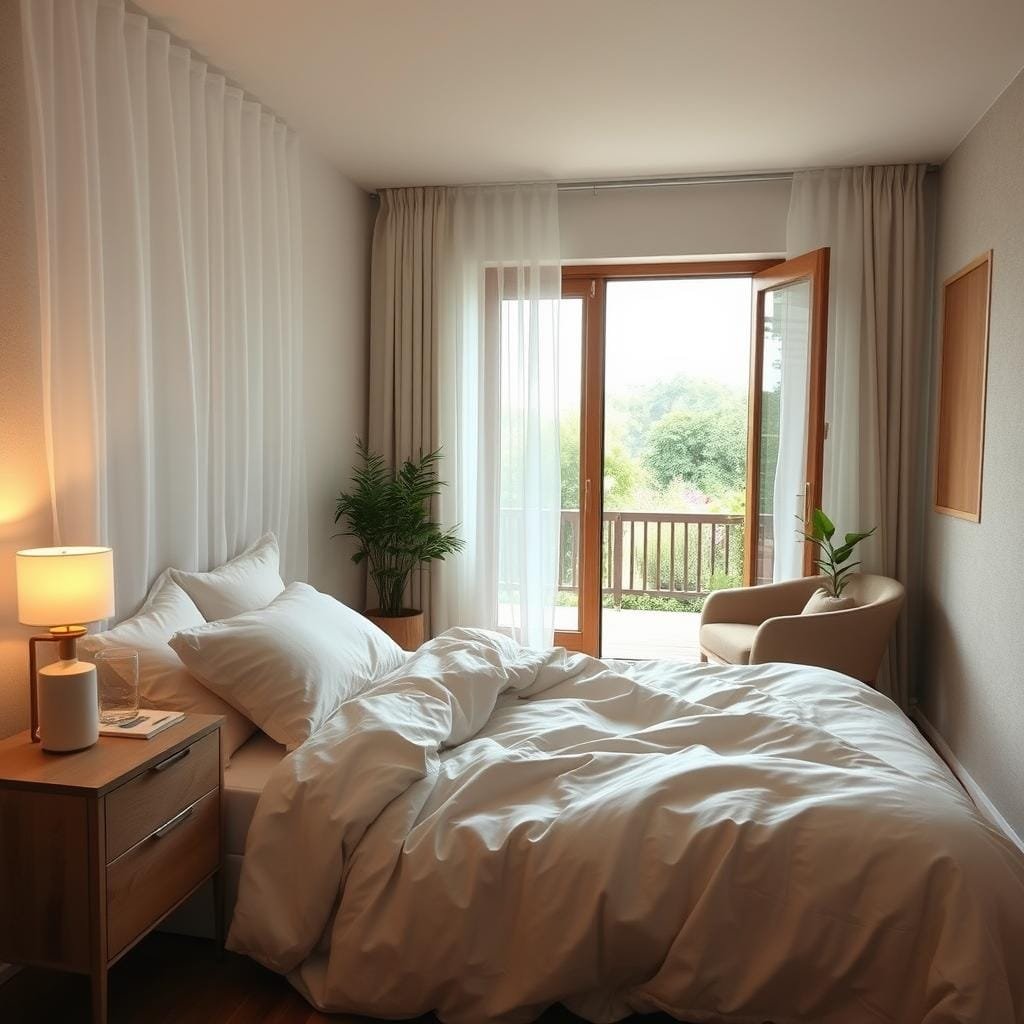
Improving your sleep pattern is about more than just your bed. It’s about making your sleep space and habits better. These changes can make a big difference in how well you sleep.
Changing your sleep habits doesn’t mean you have to change your whole life. Start with small, easy steps that fit your body’s natural sleep cycle. Here are some science-backed ways to sleep better.
Creating an Optimal Sleep Environment
Your bedroom is your sleep haven. It affects how well you sleep. Even small changes can make a big difference.
Three key things make a great sleep space. Temperature is important. A cool room helps you sleep better.
Light affects your sleep too. Use blackout curtains or sleep masks. Avoid screens before bed to help your body make melatonin.
Noise can keep you from deep sleep. Use white noise machines or earplugs to block out sounds.
Bedding and Mattress Considerations
Your mattress and bedding affect your comfort. Side sleepers need soft mattresses. Back and stomach sleepers prefer firmer ones.
Pillows should support your neck. Choose breathable fabrics like cotton or bamboo for a cool night’s sleep.
Change your mattress and pillows often. They lose support over time, which can disrupt your sleep.
| Sleep Environment Factor | Optimal Setting | Benefits | Implementation Tips |
|---|---|---|---|
| Temperature | 60-67°F (15-20°C) | Supports natural body temperature drop | Programmable thermostat, cooling mattress toppers |
| Light | As dark as possible | Enhances melatonin production | Blackout curtains, sleep masks, dim red nightlights |
| Noise | Quiet or consistent background sound | Prevents disruptions from varying sounds | White noise machines, earplugs, sound insulation |
| Bedding | Supportive, comfortable, breathable | Maintains proper alignment, regulates temperature | Natural fibers, seasonal adjustments, regular replacement |
Developing a Consistent Sleep Schedule
Going to bed and waking up at the same time is key. It helps your body get into a sleep rhythm. This improves how well you sleep.
Dr. Drerup says to start small when changing your sleep schedule. Move your bedtime back by 15 or 20 minutes at a time. This helps your body adjust slowly.
It’s okay if you can’t be perfectly consistent. But try to stay within an hour of your target sleep and wake times. Weekends can’t make up for lost sleep during the week.
Effective Pre-Sleep Routines
A calm routine before bed tells your body it’s time to sleep. Start winding down 30-60 minutes before bed. Choose activities that calm your mind and body.
Turn off screens before bed. The blue light they give off can keep you awake. Instead, read, stretch, or listen to soft music.
Getting ready for bed is important too. A warm bath or shower can help you relax. Light stretching can also help release tension.
Do the same calming activities every night. This helps your brain and body get ready for sleep.
Managing Stress and Anxiety for Better Sleep
Stress and worry can make it hard to sleep. Try mindfulness meditation before bed. It can calm your mind.
If you can’t stop thinking, write down your worries. This can help you relax and not think about them at night.
Deep breathing can also help. Try the 4-7-8 method: breathe in for 4 counts, hold for 7, and breathe out for 8. This can reduce anxiety before bed.
Sleep Technology and Tracking Tools
Technology and sleep science have come together to help us sleep better. We now have apps and smart mattresses that give us insights into our sleep. These tools help us understand our sleep patterns and improve our habits.
Sleep Tracking Apps and Wearable Devices
There are many sleep tracking tools available today. Apps on your phone can track your sleep by sensing movement and sound. They give you reports on how long you sleep and any disturbances.
Wearable devices like fitness bands can track your sleep more closely. They monitor your heart rate, body temperature, and movement. This helps you see how well you’re sleeping.
Some devices even track brain activity, giving you insights like those from sleep studies. While they’re not as accurate as medical tests, they help you see how your sleep changes over time.
Smart Mattresses and Bedroom Technology
Smart mattresses are a big step in sleep technology. They have sensors that adjust firmness and temperature based on your sleep. This helps you sleep better.
Some smart mattresses can even help with snoring and provide massage to help you fall asleep. They give you detailed reports without needing a wearable device.
Bedroom technology goes beyond mattresses. Smart lights and speakers can help you relax. They can also adjust the room’s temperature for the best sleep.
How to Interpret Your Sleep Data Effectively
Getting sleep data is only useful if you know how to use it. It’s important to understand what the numbers mean. This helps you improve your sleep.
Common Sleep Metrics Explained
When looking at your sleep data, focus on a few key areas. These include sleep duration, efficiency, latency, stages, and disruptions. Each one tells you something important about your sleep.
| Sleep Metric | What It Measures | Ideal Range | Why It Matters |
|---|---|---|---|
| Sleep Duration | Total time asleep | 7-9 hours for adults | Foundation of sleep health |
| Sleep Efficiency | Percentage of time in bed actually sleeping | 85% or higher | Indicates sleep quality and possible insomnia |
| Sleep Latency | Time to fall asleep | 15-20 minutes | Shows sleep drive and anxiety |
| Sleep Stages | Time in light, deep, and REM sleep | 20-25% deep sleep, 20-25% REM | Important for recovery |
| Disruptions | Number of awakenings or disturbances | Fewer than 5 per night | Affects overall sleep quality |
Using Data to Improve Sleep Habits
The real value of sleep tech is in using the data to get better sleep. Start by tracking your sleep for 1-2 weeks. Look for patterns that affect how you feel during the day.
For example, if you notice low deep sleep after workouts, try exercising earlier. If your sleep drops when using screens late, it’s time for a digital sunset routine.
Don’t get too caught up in the numbers. Sleep data anxiety is real and can make your sleep worse. Use the data to guide you, not judge you.
Remember, sleep tech has its limits. It makes guesses about sleep stages, not exact measurements. If you have serious sleep issues, talk to a sleep specialist for a deeper look.
The Future of Healthy Sleep: Personalized Sleep Optimization
Sleep research is getting exciting. It’s moving from one-size-fits-all to personalized sleep plans. Scientists find that everyone’s sleep needs are different. This depends on genetics, age, and lifestyle.
Advanced sleep tech is making personalization real. Smart beds adjust to your sleep position. AI apps and wearables track your sleep and health.
The future of sleep looks bright. We might see sleep programs made just for you. Or devices that help you sleep deeper.
Research shows sleep is linked to health issues like Alzheimer’s and heart disease. Scientists are trying to figure out if sleep problems cause these issues or if they come from them.
Society is starting to see sleep’s importance. Schools are changing start times. Companies are making sleep-friendly policies. Healthcare is adding sleep medicine to care.
By learning about your sleep, you’re already on the right path. As tech and research grow, so will the tools to help you sleep better.