
Do you wake up coughing or with a burning chest? You’re not alone. Nighttime acid reflux keeps millions of Americans awake. It affects about 80% of those with GERD.
When you lie down, stomach acid flows back into your esophagus. This creates a burning feeling that makes it hard to sleep.
The cycle of discomfort and poor sleep hurts your health and daily life. Many people use pillows or skip dinner to try and sleep better. But, they often can’t find relief.
Understanding acid reflux sleep solutions is key. It involves knowing why symptoms happen and how to fix them. You can try different sleeping positions, change your diet, and use medicine to sleep better with GERD.
This guide uses medical research and practical tips to help you manage your symptoms. By using these strategies, you can lessen discomfort and sleep better.
Key Takeaways
- Nighttime acid reflux affects about 80% of people with GERD, significantly disrupting sleep quality
- Sleeping position plays a critical role in managing reflux symptoms during rest
- Dietary and mealtime adjustments can greatly reduce nighttime discomfort
- Bedroom modifications create an environment that minimizes symptom triggers
- A combination of lifestyle changes and medical treatments offers the most effective relief
- Consistent bedtime routines help reduce the frequency and severity of nighttime symptoms
Understanding Acid Reflux and Its Impact on Sleep
Acid reflux and sleep problems are big issues for many Americans. When we lie down, stomach acid can move up. This is why 80% of people with GERD feel symptoms at night. One in four have big sleep problems.
What Causes Nighttime Acid Reflux
Nighttime acid reflux happens when the LES doesn’t close right. This lets stomach acid go up into the esophagus. It feels like heartburn.
Many things can make acid reflux worse at night. A hiatal hernia or being pregnant can make it more likely. Eating fatty foods or drinking alcohol before bed can also help it happen.
What we eat before bed matters a lot. Foods like fatty foods, chocolate, or citrus can make acid reflux worse. Some medicines can also make it worse.
How Acid Reflux Disrupts Sleep Quality
Acid reflux during sleep makes it hard to sleep well. When stomach acid gets into the esophagus, it wakes us up. These small wake-ups can break up our sleep.
The pain in the chest and throat makes it hard to fall asleep. It also stops us from getting deep, restful sleep. People might cough, choke, or feel like they’re going to throw up. This wakes them up too.
GERD sleep problems are not just at night. They can make us tired and hard to focus during the day. They can even make us less productive. Untreated acid reflux can also lead to sleep apnea, making sleep even worse.
Knowing how acid reflux affects sleep helps us find ways to fix it. We need to treat the acid reflux and make our sleep environment better. If we don’t, our sleep and health will keep getting worse.
The Science Behind Sleeping with Acid Reflux
Acid reflux gets worse at night because of how our body changes when we lie down. This change affects our digestion. It’s why nighttime is hard for people with acid reflux.
How Horizontal Positions Affect Reflux
Lying down changes our body in ways that make acid reflux worse. The lower esophageal sphincter (LES) is a muscle that keeps stomach acid out of the esophagus. When it works right, it opens to let food in and then closes tight.
But for people with acid reflux, the LES doesn’t work well. This is because lying down increases pressure in the stomach. This pressure makes it hard for the LES to stay closed.
When we sleep, we swallow less. Swallowing helps clear acid from the esophagus and strengthens the LES. So, without swallowing, the esophagus is less protected at night.
Saliva also decreases at night. Saliva has bicarbonate that helps neutralize acid. Without enough saliva, the esophagus is more at risk of damage from acid.
Studies show thatacid reflux episodes are morefrequent and last longer when lying down. This is true, even more so during deep sleep when we can’t protect ourselves as well.
The Role of Gravity in Symptom Management
Gravity helps manage acid reflux symptoms. When we stand or sit up, gravity keeps stomach acid in the stomach.
In an upright position, gravity:
1. Keeps stomach acid below the esophagus
2. Helps food move down the digestive tract
3. Makes stomach emptying faster, reducing stomach contents
But when we lie down, gravity’s help is lost. Without gravity, stomach acid can easily go up into the esophagus. This can cause heartburn, coughing, and a sour taste.
This is why some people find relief when they sleep with their upper body raised. This way, gravity helps a bit with digestion again.
| Physiological Factor | Upright Position | Horizontal Position | Impact on Reflux |
|---|---|---|---|
| Gravity’s Effect | Helps keep acid down | No downward force on stomach contents | Increased reflux risk when horizontal |
| Swallowing Frequency | Normal (20-30 times/hour awake) | Reduced (2-5 times/hour during sleep) | Less acid clearance from esophagus |
| Saliva Production | Regular production | Significantly decreased | Reduced neutralization of acid |
| Gastric Emptying | More efficient | Slower | More stomach contents available for reflux |
Optimal Sleeping Positions for Acid Reflux Sufferers
Changing how you sleep can really help with acid reflux at night. When you lie down, gravity doesn’t keep stomach acid down anymore. So, picking the best sleeping position for acid reflux is key to feeling better.
Left Side Sleeping Benefits
Studies show left side sleeping helps a lot with acid reflux. A 2016 review found it can cut down acid exposure by 71% compared to other ways. This makes left side sleeping the top choice for those with acid reflux.
Many people with acid reflux feel better when they sleep on their left side. The good effects start right away. But, sleeping this way every night is important for lasting relief.
Why Left Side Positioning Works
Left side sleeping works because of how our bodies are made. When you sleep on your left, your stomach is below your esophagus. This makes it harder for acid to go up against gravity.
This position also helps your stomach empty faster. This means less stomach acid can come up. Plus, it helps keep the lower esophageal sphincter (LES) closed better. Doctors often suggest this position first because of these reasons.
Techniques for Maintaining Position
It can be hard to stay on your left side all night, but there are ways. You can use a firm pillow behind your back to stop you from rolling over. Some people like using body pillows for extra support.
The “tennis ball method” is another trick. Sew a tennis ball into your pajama top to make back sleeping uncomfortable. Or, try wedge pillows made for side sleepers for a more comfy option.
Elevated Upper Body Positioning
Raising your upper body while sleeping helps keep acid down. Try to lift your head and chest by 6-8 inches. This uses gravity to keep acid from flowing back up.
Don’t just use pillows under your head, as this can hurt your neck. Instead, use an adjustable bed, a wedge pillow, or risers under your bed frame. This keeps your whole upper body elevated.
Many people find that sleeping on your left side and elevating your body works best. This combination uses the benefits of both positions for the best sleep against acid reflux.
Positions to Avoid
Some sleeping positions can make acid reflux worse. Sleeping flat on your back is bad because it lets acid pool in your esophagus. It also puts more pressure on your stomach, pushing acid up.
Right side sleeping is also bad. A 2023 review says it makes your stomach sit above your esophagus. This slows down stomach emptying and lets more acid into your esophagus. A doctor once said, “Right is wrong” for reflux.
Stomach sleeping can also make symptoms worse. It puts pressure on your stomach, pushing stomach contents up, which is bad if you ate before bed.
Bedroom Modifications to Reduce Nighttime Symptoms
Making changes to your bedroom can really help with acid reflux at night. A few simple changes can make your sleep area better for you. These changes help keep your stomach acid where it should be.
Bed Elevation Techniques
Raising the head of your bed is a great way to fight acid reflux at night. It’s better than just using pillows. This method uses gravity to keep acid from going up into your esophagus.
Studies show that raising your bed head by 6-8 inches can cut down on acid reflux by up to 67%. This simple change helps keep your stomach and esophagus separate while you sleep.
Using Bed Risers Effectively
Bed risers for acid reflux should only go under the head of your bed. They should be 4-8 inches high for a gentle slope. Solid wood or plastic risers are more stable than hollow ones.
Before you start, measure and mark where you want the risers. Make sure all risers are level to keep your bed stable. You can also use books or wooden blocks under the mattress legs.
For a lasting fix, think about getting an adjustable bed for GERD. These beds let you adjust the head height easily. They’re great for people with acid reflux because you can change the height as needed.
Adjustable beds come with cool features for reflux sufferers. They include:
- Programmable memory positions for consistent elevation
- Quiet motors that won’t disturb your sleep when making adjustments
- Zero-gravity settings that optimize body positioning
- Split options for couples with different needs
Pillow Selection and Arrangement
The right pillows can also improve your sleep with acid reflux. You want to keep your head, neck, and upper body aligned. This stops positions that might trigger acid reflux.
Wedge Pillows
Wedge pillows for reflux are made to lift your upper body at the right angle. Look for ones with a 30-45 degree slope. They should be firm and not collapse at night.
Choose wedge pillows that are 6-10 inches high and wide enough for your shoulders. Some have cooling gel to keep you cool. Others have covers you can wash. Place the wedge under your torso for the best effect.
Body Pillows for Position Support
Body pillows help you sleep on your left side, which is good for acid reflux. A full-length body pillow supports you from head to knees. This stops you from rolling onto your back or right side.
C-shaped or J-shaped body pillows are great because they support you on both sides. Adding a small pillow between your knees and hugging the body pillow helps. This keeps your spine straight and reduces pressure on your stomach, lowering the chance of acid reflux at night.
Dietary Changes to Minimize Nighttime Acid Reflux
Making smart diet changes can really help with acid reflux at night. What you eat and when affects your digestion while you sleep. Ananti-reflux dietmeans finding foods that work for you, not just cutting out some.
Knowing which foods cause problems and when to eat them can improve your sleep. This way, you can feel better at night.
Foods to Avoid Before Bedtime
The hours before bed are key for managing acid reflux. Some foods can make acid levels go up or relax the stomach’s valve. This lets stomach acid flow back up.
By avoiding these foods in the evening, you can sleep better. This makes a big difference in how you feel at night.
Common Trigger Foods
Some foods can make acid reflux worse at night. These include fatty meals, fried foods, and spicy dishes. They slow digestion and make more acid.
Citrus fruits, tomatoes, chocolate, coffee, and alcohol can also cause problems. They irritate the esophagus or relax the stomach valve. Carbonated drinks add pressure, which can push acid up during sleep.
Many processed foods have ingredients that can make reflux worse. High-fructose corn syrup in sodas and sweets can increase acid. Food additives and preservatives can also irritate the stomach.
Even mints and flavored lozenges can relax the stomach valve. This can make acid reflux symptoms worse at night.
Beneficial Foods That May Help
Not all diet changes are about cutting out foods. Adding certainbedtime foods for GERDcan help too. Lean proteins like chicken, fish, and eggs are easy on the stomach. They also help strengthen the stomach valve.
High-fiber foods like whole grains and oatmeal absorb stomach acid. They help with digestion. Non-citrus fruits like bananas and apples are good too. They provide nutrients without causing acid reflux.
Ginger can calm the stomach. Low-fat yogurt has protein and probiotics. These support gut health and may reduce reflux symptoms over time.
Optimal Timing for Evening Meals
When to eat with acid refluxis very important. Eating your last meal 3 hours before bed helps. This lets your stomach empty and reduces reflux risk at night.
Eating smaller meals more often is better than one big dinner. This reduces stomach pressure and acid production. If early dinners are hard, try eating your biggest meal at lunch and a light dinner at night.
Keeping a food diary can help you find your triggers. Track what you eat, when, and any symptoms. This tailored approach is often more effective than general advice, as triggers vary from person to person.
Lifestyle Adjustments for Better Sleep with Reflux
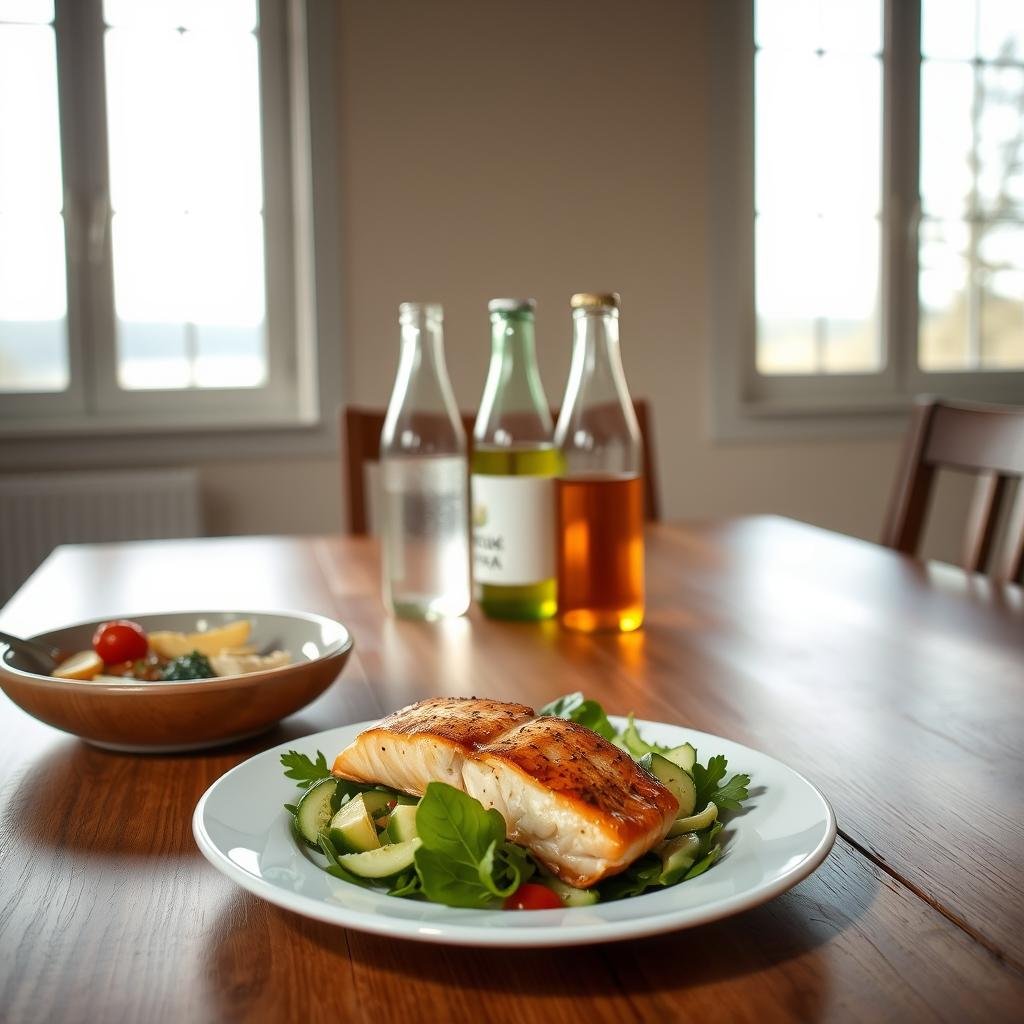
Making small changes in your life can help a lot with acid reflux at night. While meds and food choices are important, how you live daily affects your reflux and sleep.
Changing a few things at once can work better than finding one fix. These changes help your body rest better, even with acid reflux.
Weight Management Strategies
Being overweight puts pressure on your stomach, pushing acid up into your esophagus. Even a little weight loss can make a big difference in reflux symptoms.
Studies show losing 2-3 pounds can cut down on heartburn. A 2022 review found that losing weight helps GERD symptoms, more so for those who are overweight.
- Focus on small, achievable goals instead of big weight loss
- Choose foods that are good for you and don’t hurt your reflux
- Wear loose clothes, like loose pants, to help
- Keep track of how your symptoms change with your weight
Exercise Timing Considerations
Exercise is good for you, but when you do it matters for reflux. Working out too close to bedtime can make GERD worse.
Wait 2-3 hours after exercising to go to sleep. This lets your stomach empty and prevents reflux from waking you up.
Good exercises for reflux include:
- Low-impact activities like walking, swimming, or cycling
- Upright exercises that don’t press on your stomach
- Work out in the morning or midday, not at night
- Try gentle yoga poses that don’t put pressure on your stomach
Stress Reduction Techniques
Stress and acid reflux are linked. Stress makes your stomach produce more acid and slows down digestion.
Reducing stress can help you sleep better and have fewer reflux episodes. Adding stress-reducing activities to your day helps your sleep.
Meditation and Breathing Exercises
Deep breathing exercises can improve sleep and reduce GERD symptoms. They strengthen your diaphragm, the muscle between your chest and belly.
Try breathing deeply for 5-10 minutes before bed. Breathe in slowly through your nose, letting your belly rise. Breathe out slowly through your mouth, squeezing your belly muscles.
Progressive Muscle Relaxation
This method involves tensing and relaxing different muscles in your body. It’s great to do in bed before sleep.
Start by tensing your feet for 5-10 seconds, then relax. Move up your body, tensing and relaxing each area. It helps relax your body and mind, making it easier to sleep.
Quitting smoking is also key. Cigarette smoke irritates your stomach and weakens the muscle that keeps acid out. Even cutting down can help your symptoms.
Over-the-Counter Remedies and Medications
Over-the-counter treatments help fight nighttime acid reflux. They offer relief without needing a doctor’s help. These medicines either neutralize stomach acid or stop it from being made.
Knowing how each works helps pick the right one for you. This is important for your symptoms and sleep.
Antacids and Their Proper Use
Antacids quickly neutralize stomach acid. They come in chewable tablets, liquids, and powders. This makes them easy to use at night.
For best results, take antacids for acid reflux 30 minutes before bed. Keep them by your bed for any late-night heartburn. Common ingredients are calcium carbonate (Tums), magnesium hydroxide (Milk of Magnesia), and aluminum hydroxide.
Antacids work fast but only for a short time. They’re good for occasional heartburn but not all night. Too much can cause side effects like constipation or diarrhea.
H2 Blockers and PPIs
H2 blockers GERD medicines cut acid production. They block histamine receptors in the stomach. Famotidine (Pepcid AC) and cimetidine (Tagamet HB) are popular choices.
They take longer to start working but last up to 12 hours. This makes them great for nighttime relief.
Proton pump inhibitors (PPIs) like omeprazole (Prilosec OTC) and lansoprazole (Prevacid 24HR) reduce acid the most. PPI for nighttime reflux blocks acid production for 24 hours or more. Take PPIs 30-60 minutes before dinner, not at bedtime.
H2 blockers may lose effectiveness with long-term use. PPIs should not be used for more than 14 days without a doctor’s advice. They take days to work fully, so they’re best for ongoing issues.
| Medication Type | Onset of Action | Duration | Best For | Example Products |
|---|---|---|---|---|
| Antacids | 5-15 minutes | 30 min – 2 hours | Immediate relief, occasional symptoms | Tums, Rolaids, Mylanta |
| H2 Blockers | 30-90 minutes | 8-12 hours | Nighttime prevention, moderate symptoms | Pepcid AC, Tagamet HB |
| PPIs | 1-4 hours | 24+ hours | Persistent symptoms, severe reflux | Prilosec OTC, Prevacid 24HR |
Natural Supplements That May Help
Looking for something different? Some natural remedies for acid reflux might help. They can be used with other treatments or for those who can’t take traditional meds.
Ginger and Licorice
Ginger fights inflammation and may soothe the esophagus. You can find it as tea, capsules, or chews. Take ginger 30 minutes before bed.
DGL (Deglycyrrhizinated licorice) increases stomach and esophageal lining mucus. This creates a barrier against acid. Chewable DGL tablets before bed can help with nighttime symptoms.
Melatonin for Reflux
Melatonin might do more than just help you sleep. It could also strengthen the lower esophageal sphincter. This reduces acid backflow. Studies show 3-6mg of melatonin before bed can help some people.
This makes melatonin interesting for those with reflux that keeps them awake. Always talk to a doctor before taking melatonin with other treatments.
Prescription Treatments for Severe Nighttime Reflux

Severe acid reflux can keep you awake at night. You might need medicine to help. If diet changes and over-the-counter drugs don’t work, see a doctor.
Untreated acid reflux can cause serious problems. These include scarring, Barrett’s esophagus, and even cancer.
Heartburn, trouble swallowing, or vomiting are warning signs. If these symptoms bother you a lot, you might need medicine.
Medication Options
Prescription medicines are stronger than over-the-counter ones. Proton pump inhibitors (PPIs) like esomeprazole block acid production. They are often the first treatment for severe reflux.
If PPIs don’t work, your doctor might give you prokinetic agents. These help your stomach empty and strengthen the sphincter. This can reduce nighttime reflux.
H2 receptor blockers are another option. But, long-term use can cause side effects like nutrient deficiencies and kidney problems.
Your doctor might mix different medicines for better results. Regular check-ups are key to see if the treatment is working.
When to Consider Medical Procedures
If medicines don’t help or cause problems, surgery might be needed. This is for people with GERD who can’t find relief with medicine.
Other reasons for surgery include not being able to take medicine anymore or having complications. Before surgery, you’ll have tests like endoscopy and pH monitoring.
Choosing surgery is a big decision. Talk to a gastroenterologist and a surgeon to understand the risks and benefits.
Fundoplication Surgery
Fundoplication is the main surgery for GERD. The surgeon wraps the stomach around the esophagus. This makes the sphincter tighter to stop acid reflux.
Most fundoplications are done through small cuts now. This means less pain and quicker recovery. About 85-90% of people see big improvements and need less medicine.
But, there can be side effects like trouble swallowing and gas-bloat syndrome. These usually get better in a few months.
LINX Device and Other Innovations
The LINX device is a newer option. It’s a small band of magnetic beads that strengthens the sphincter. It lets food pass through.
The surgery is reversible and doesn’t hurt swallowing. Studies show 85% of people use less or no PPI medicine after it.
Other new surgeries include Stretta and TIF. They are less invasive and have fewer side effects. But, we’re learning more about how well they work over time.
Creating a Pre-Bedtime Routine to Minimize Symptoms
A bedtime routine is key to less acid reflux at night. It helps manage symptoms better. Your evening activities can either help or hurt, so plan wisely.
Timing of Medications
Medicines work best when taken at the right time. Antacids are best 30 minutes before lying down. They give quick relief. H2 blockers should be taken 1-2 hours before bed for longer relief.
PPIs need to be taken 30-60 minutes before dinner. This stops acid all night. Make a plan for all medicines to avoid bad interactions.
Relaxation Practices
Stress makes acid worse, so relax before bed. A 10-minute calm-down can cut down on acid reflux.
Try deep breathing. Place hands on chest and stomach. Breathe deeply so your stomach goes up more than your chest. This calms your stomach.
| Relaxation Technique | Time Required | Benefits for Reflux | Difficulty Level |
|---|---|---|---|
| Diaphragmatic Breathing | 5-10 minutes | Reduces stomach pressure | Easy |
| Progressive Muscle Relaxation | 15 minutes | Decreases overall tension | Moderate |
| Guided Meditation | 10-20 minutes | Lowers stress hormones | Easy |
| Gentle Yoga Stretches | 10-15 minutes | Improves digestion | Moderate |
Hydration Guidelines
Drinking the right amount of water is important. Avoid big drinks two hours before bed to avoid acid going up. Drink small amounts slowly.
Drink room-temperature water instead of cold. Cold drinks can shock your stomach and make acid. Try alkaline water or herbal teas like chamomile or ginger for a soothing effect.
Drink water all day, not just at night. This keeps you hydrated without filling your stomach. Avoid caffeinated and alcoholic drinks close to bedtime.
Taking Control of Your Sleep Despite Acid Reflux
Living with acid reflux doesn’t mean you must accept poor sleep. You can make a plan to manage acid reflux long term. The key is to be consistent and patient. Improvements often come slowly.
Start by tracking your symptoms in a simple sleep journal. Write down what you ate, when, your sleeping position, and how you felt in the morning. This helps find patterns and improve your sleep strategies over time. Many people find out what triggers their symptoms.
Talk to your doctor about nighttime symptoms. Bring your journal to appointments to help decide treatment. Quality sleep with GERD is possible with medical help and lifestyle changes.
Remember, setbacks are normal. If you have a tough night, don’t worry. Just go back to your routine the next day. Overcoming reflux sleep problems is a journey of physical and mental changes.
Make changes slowly. Add one new strategy every few days. This way, you can see which ones help the most. With time and effort, most people with acid reflux can sleep better and feel more energetic.