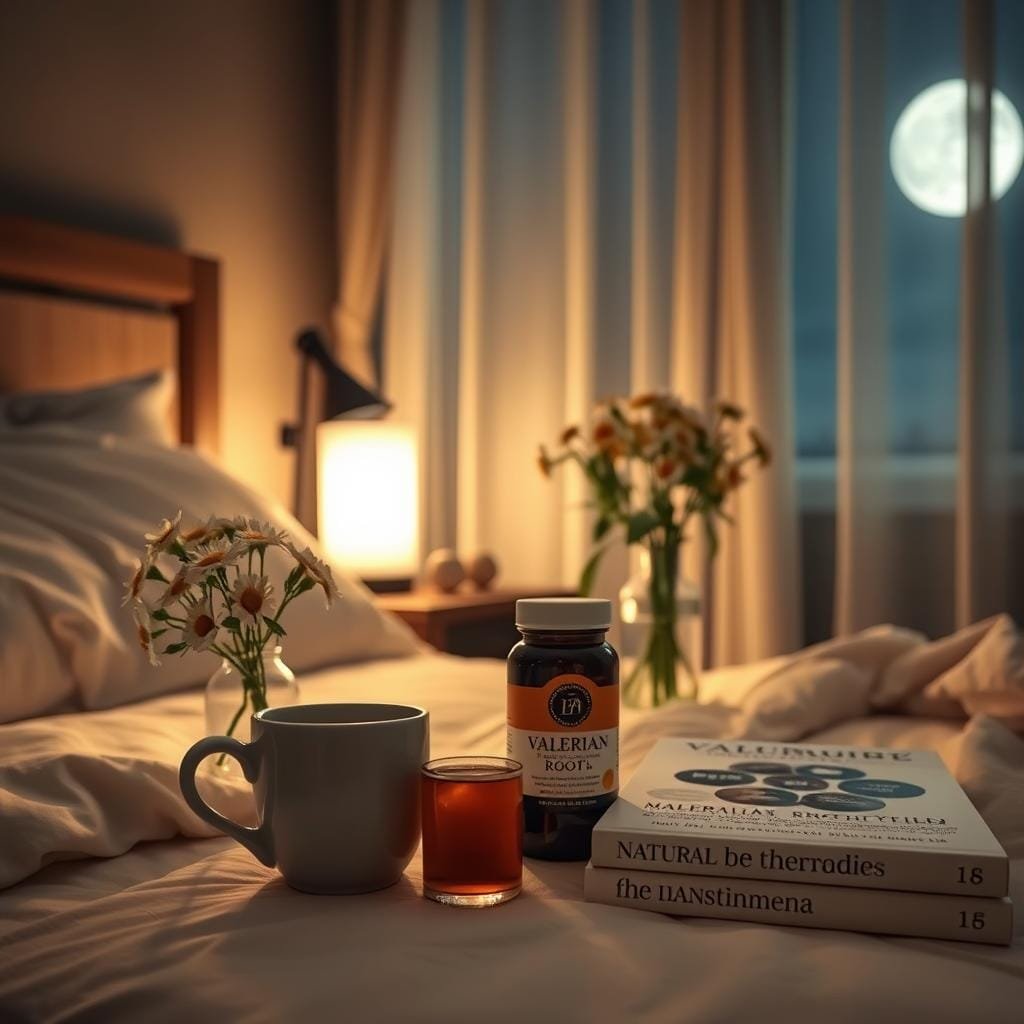
Do you find it hard to fall asleep every night? You’re not alone. More than 60 million Americans struggle with poor sleep. This makes bedtime a tough time.
Bad sleep can hurt your mood and health. It makes you forget things and feel sad. Studies link it to serious problems like depression and heart disease.
But, there’s hope. Many sleep issues can be fixed without medicine. Natural sleep aids like chamomile tea and a cool room can help. This guide will show you how to sleep better naturally.
Key Takeaways
- Over 60 million Americans experience poor sleep quality regularly
- Chronic sleep problems affect both mental and physical health
- Most insomnia cases can be addressed with natural remedies
- Environmental factors like room temperature and light exposure significantly impact sleep quality
- Simple lifestyle adjustments can often resolve persistent sleep difficulties
- Natural solutions are generally safer than long-term medication use
Understanding Insomnia: Causes and Effects
Figuring out why you can’t sleep is key to getting good rest. Lack of sleep hurts your energy and health. Insomnia is more than just a small problem. It’s a big issue that can come from many places and show up in different ways.
By knowing what keeps you awake, you can start to fix it. This means finding solutions that work for you.
Common Causes of Sleep Disturbances
Sleep problems come from many things. Stress and anxiety are big ones. They make it hard to calm down at night.
Bad sleep habits, like not sleeping at the same time every night, also hurt. Too much screen time before bed messes with your body’s clock.
Medical issues like pain, breathing problems, and stomach troubles can also keep you awake. Some medicines, like antidepressants and blood pressure drugs, can mess with sleep. Even coffee and wine in the evening can affect your sleep.
How Chronic Sleep Deprivation Impacts Your Health
Not sleeping well for a long time is bad for your body. It can lead to serious health problems. These include depression, obesity, type 2 diabetes, heart disease, and high blood pressure.
Your brain also gets worse. You might forget things, have trouble focusing, and make bad choices. Your immune system gets weaker, making you sick easier. You might feel moody, irritable, and stressed more often.
Identifying Your Insomnia Type
Insomnia looks different for everyone. Onset insomnia is when it’s hard to fall asleep at first. It takes a long time.
If you wake up a lot and can’t go back to sleep, you have maintenance insomnia. Some people wake up too early and can’t fall back asleep. Knowing if your insomnia is short-term or long-term is also important. Long-term insomnia might mean you need to see a doctor.
The Science Behind Healthy Sleep Patterns
Sleep science shows how our bodies naturally rest and recover. Knowing these facts helps us work with our natural rhythms. This knowledge lets us make better sleep choices and fight insomnia.
Sleep Cycles and REM Sleep Explained
Your body goes through different sleep stages at night. Each cycle lasts 90-110 minutes and happens 4-6 times. These stages start with light non-REM sleep, then deep sleep, and end with REM (Rapid Eye Movement) sleep.
In REM sleep, your brain is very active but your body is not. This is when you dream a lot. Your brain also deals with emotions and memories here. Getting through all sleep cycles is key to feeling awake in the morning.
The Role of Melatonin and Circadian Rhythm
Your body has an internal clock called the circadian rhythm. It tells you when to be awake or asleep. This clock is mostly controlled by light and darkness.
Melatonin is a hormone that helps you sleep. Your brain starts making melatonin four hours before bedtime. It does this when it gets darker. Melatonin makes you sleepy by lowering your body temperature.
But, our modern lives can mess with this system. Artificial light, like blue light from screens, can stop melatonin production. This is why it’s important to have a regular sleep schedule and avoid screens at night.
Creating the Optimal Sleep Environment
Make your bedroom a sleep haven. It’s a natural way to fight insomnia. The right bedroom setup helps you sleep better and feel refreshed.
Temperature, Humidity, and Lighting Considerations
The best bedroom temperature is 65 to 72 degrees Fahrenheit. This cool range helps your body sleep well. Use fans in hot weather to keep it cool.
Humidity should be 30-50%. Too dry or too wet can be bad. Use a humidifier in winter or a dehumidifier in summer.
Darkness is key for sleep. Use blackout curtains to block out light. Use dim red lights if you need to get up at night.
Noise Control and Sound Masking Strategies
Noise can wake you up. Fix squeaky doors and move clocks away. Weatherstrip windows to block outside sounds.
When you can’t stop noise, use sound masking. White noise machines or apps can help. They make sudden sounds less jarring.
For very loud places, try earplugs or acoustic panels. Create a sound environment to sleep better.
Choosing the Right Mattress, Pillows, and Bedding
Your mattress is key for good sleep. Choose based on how you sleep. Side sleepers need soft, back and stomach sleepers need firm.
Pillows should keep your head and neck right. Side sleepers need thick, back sleepers medium, and stomach sleepers thin or none.
Bedding should keep you cool or warm. Natural fibers are good for hot sleepers, flannel for cold ones. Weighted blankets can also help.
Use your bedroom only for sleep and love. Remove work and exercise stuff. This trains your brain to sleep well here.
Dietary Changes That Promote Better Sleep
What you eat affects how well you sleep. Some foods help you relax, while others keep you awake. Eating the right foods at the right time can help you sleep better.
Sleep-Inducing Foods Rich in Tryptophan and Magnesium
Tryptophan is good for sleep. It helps your body make serotonin and melatonin. These help you sleep and wake up right.
Foods high in tryptophan include:
- Turkey and chicken
- Eggs
- Dairy products like milk and cheese
- Nuts and seeds
Eating tryptophan with carbs makes it work better. This combo helps you sleep better.
Magnesium for sleep is also key. It relaxes muscles and calms the nervous system. Good sources are leafy greens, pumpkin seeds, almonds, and dark chocolate.
Caffeine, Alcohol, and Sugar: What to Avoid Before Bedtime
Some foods can mess with your sleep. Caffeine stays in your system for hours. It can keep you awake even if you drank it in the morning.
Alcohol might make you sleepy at first. But it messes with your sleep later. Sugar and carbs can also wake you up by changing your blood sugar.
Timing Your Meals and Hydration for Optimal Sleep
Eating at the right time helps you sleep better. Eat dinner 2-3 hours before bed. If you’re hungry, have a light snack with carbs and protein.
Drink most of your water during the day. Stop drinking water at night to avoid waking up for the bathroom. This helps you sleep better.
| Sleep-Promoting Foods | Key Nutrients | Best Timing | Sleep-Disrupting Foods |
|---|---|---|---|
| Tart cherry juice | Natural melatonin | 1-2 hours before bed | Coffee, tea, energy drinks |
| Warm milk | Tryptophan, calcium | 30-60 minutes before bed | Alcohol |
| Kiwi fruit | Serotonin, antioxidants | 1-2 hours before bed | Chocolate, candy |
| Almonds, walnuts | Magnesium, melatonin | 1-3 hours before bed | Spicy foods |
Herbal Remedies and Supplements for Insomnia
Some herbs and supplements can help with sleep problems. People like them because they are natural and have fewer side effects. They help your body relax and sleep better.
Valerian Root, Chamomile, and Lavender: Evidence-Based Options
Valerian root is well-studied for sleep. It helps you fall asleep faster and sleep better. Take 300-600mg 30-60 minutes before bed.
Chamomile tea is known for its calming effect. It relaxes you without the side effects of medicines. Steep 1-2 teaspoons in hot water for 10 minutes before bed.
Lavender helps you sleep better by 20% in studies. It’s great for anxiety-related sleep issues. Use it in a diffuser or inhale the essential oil.
Melatonin, Magnesium, and GABA Supplements
Melatonin supplements help with jet lag and sleep disorders. They don’t make you feel groggy in the morning. Use them as directed.
Magnesium helps your nervous system relax. Many people lack this mineral, which can cause sleep problems. Choose glycinate or citrate for better absorption.
GABA supplements calm your mind. They help you sleep better. Some products mix GABA with L-theanine for better results.
Proper Dosage, Timing, and Possible Interactions
Start with a low dose of supplements and increase if needed. For melatonin, start with 0.5-1mg 30-60 minutes before bed.
When to take supplements is important. Valerian and magnesium work best 1-2 hours before bed. Melatonin should be taken 30 minutes to 2 hours before bed.
Always talk to a doctor before starting supplements, if you’re on medications. They can interact with blood thinners and antidepressants.
| Supplement | Effective Dosage | Best Timing | Potential Benefits | Cautions |
|---|---|---|---|---|
| Melatonin | 0.5-5mg | 30-120 minutes before bed | Reduces time to fall asleep, helps reset circadian rhythm | Morning grogginess at higher doses, vivid dreams |
| Valerian Root | 300-600mg | 60 minutes before bed | Mild sedative effect, improved sleep quality | May interact with other sedatives, morning drowsiness |
| Magnesium | 200-500mg | 1-2 hours before bed | Muscle relaxation, calms nervous system | Digestive upset at higher doses, specially with oxide forms |
| Lavender | 80-160mg (oral) or aromatherapy | At bedtime | Reduces anxiety, improves sleep quality | Potential allergic reactions, avoid during pregnancy |
The Cure for Insomnia: Establishing a Consistent Sleep Routine
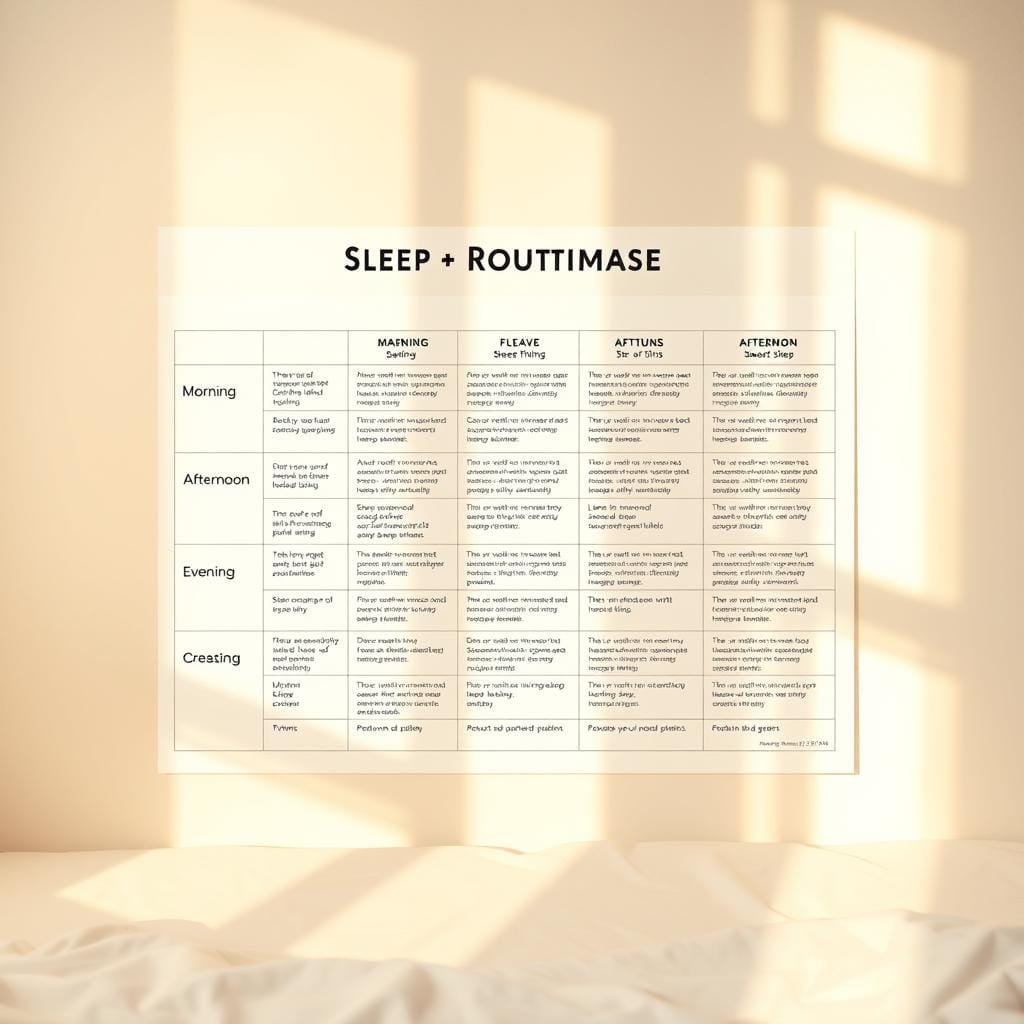
A consistent sleep routine is a strong tool against insomnia. While supplements and changes in the environment can help, your sleep patterns are key. Your body likes routine, and sleep is no exception.
Having a set routine helps your body clock work better. This makes it easier to fall asleep and wake up. It also helps your body make the right hormones, like melatonin, for sleep.
Setting Regular Sleep and Wake Times
Starting a good sleep routine means having the same bedtime and wake time every day. This is true even on weekends and holidays.
First, figure out when you sleep best. Most adults need 7-9 hours of sleep. But everyone is different. Try this: Slowly change your bedtime by 15 minutes until it feels right. This helps your body adjust without getting upset.
Being consistent is more important than being perfect. Studies show that regular sleep times can improve sleep better than many medicines. And without the bad side effects.
Effective Pre-Sleep Rituals That Signal Your Body
Your brain needs signs that it’s time to sleep. Good sleep rituals help you relax and get ready for bed.
Try these sleep rituals:
- Take a warm bath or shower 60-90 minutes before bed (the cool-down after helps your body temperature drop)
- Dim lights in your home as bedtime gets closer
- Stop using screens at least 30 minutes before bed
- Do some gentle stretching, deep breathing, or meditation
- Read something calm (not exciting or work-related)
Consistency is key. When you do these activities often, your brain learns they mean it’s time to sleep.
Managing Weekend Sleep Schedules Without Disrupting Progress
Weekends can mess up your sleep routine. It’s tempting to stay up late and sleep in. This can make your body feel like it’s in a different time zone every weekend.
To keep your progress without giving up your weekends:
- Don’t sleep in more than 60-90 minutes past your usual wake time
- If you stay up late, wake up at a normal time and consider a short nap
- Use morning sunlight to help your body clock adjust
- Keep your bedtime ritual, even if your sleep times change a bit
| Sleep Routine Element | Effective Practice | Ineffective Practice | Impact on Sleep |
|---|---|---|---|
| Bedtime Consistency | Going to bed within 30 minutes of target time daily | Varying bedtime by 2+ hours between weekdays/weekends | Stable melatonin production and easier sleep onset |
| Morning Wake-up | Rising at same time daily with natural light exposure | Using multiple alarms and weekend sleep-ins | Reinforced circadian rhythm and better daytime alertness |
| Pre-Sleep Activities | Calming rituals (reading, gentle stretching, warm bath) | Stimulating activities (intense exercise, work, screens) | Reduced sleep latency and improved sleep quality |
| Weekend Adjustment | Limiting schedule shifts to 60-90 minutes maximum | Complete schedule reversal (staying up very late, sleeping until noon) | Minimized “social jet lag” and maintained sleep progress |
Remember, being consistent is a practice, not about being perfect. A little deviation won’t ruin your progress. But regular patterns help your brain sleep better over time.
Stress Reduction Techniques for Better Sleep
How well you sleep depends on your nervous system. Stress and sleep are linked in a cycle. To break this cycle, you need to calm your mind and relax your body before bed.
Guided Meditation and Mindfulness Practices
Mindfulness meditation is a powerful tool for combating insomnia. It helps you focus on the present moment. Studies show it can make falling asleep faster.
Guided sleep meditation is great for beginners. It uses body awareness and visualization to get your brain ready for sleep. Apps like Calm, Headspace, and Insight Timer have sleep meditations for 5 to 45 minutes.
Regular practice can lead to better sleep and less daytime anxiety. Even if you’re not sure about it, simple breathing can help quiet your mind at night.
Progressive Muscle Relaxation and Deep Breathing
Progressive muscle relaxation helps with physical tension that keeps you awake. It involves tensing and then relaxing different muscle groups. This helps you find and release hidden stress.
Deep breathing exercises add to the benefits. The 4-7-8 breathing technique can relax your body. It’s great for when you wake up in the middle of the night.
Anxiety-Reducing Journaling Techniques
Writing down your worries before bed can help. It tells your brain you can deal with them tomorrow. Keeping a “worry notebook” by your bed can be very helpful.
Try structured journaling for the best results. Gratitude lists focus on the good things. Writing about your day helps you feel complete. Planning for the next day can reduce anxiety.
| Technique | Time Required | Difficulty Level | Best For | Expected Benefits |
|---|---|---|---|---|
| Guided Meditation | 10-20 minutes | Beginner-Friendly | Racing thoughts | Reduced sleep onset time |
| Progressive Relaxation | 15 minutes | Moderate | Physical tension | Deeper sleep quality |
| 4-7-8 Breathing | 5 minutes | Easy | Anxiety spikes | Faster sleep onset |
| Worry Journaling | 10 minutes | Easy | Persistent worries | Fewer night awakenings |
Combining different stress-reducing techniques works best. Start with one and stick to it for two weeks before adding another. These practices get better with time, improving your sleep over time.
Physical Activity and Its Impact on Sleep Quality
Moving your body during the day can make your sleep better at night. Physical activity makes your body strong and helps you sleep well. It makes it easier to fall asleep and stay asleep.
Yoga, Cardio, and Strength Training Effects on Sleep
Exercise has different benefits for sleep. Walking, swimming, or cycling can help you sleep deeper. This deep sleep is good for your body and immune system.
Yoga for insomnia is great because it moves your body and calms your mind. Studies show it helps you fall asleep faster and sleep longer. It helps with physical and mental stress.
Strength training helps sleep by reducing stress and relaxing muscles. It keeps sleep patterns healthy as we get older.
Optimal Timing for Exercise to Improve Sleep
When you exercise affects how well you sleep. Exercise raises your body temperature and releases endorphins. This can make it hard to fall asleep if done too close to bedtime.
For most, the best time to exercise is 4-6 hours before bed. Morning and afternoon workouts improve sleep the most. But, how you respond can depend on your body and how hard you exercise.
| Exercise Type | Best Timing | Sleep Benefits | Notes |
|---|---|---|---|
| Cardio | Morning/Afternoon | Increases deep sleep | Avoid within 2-3 hours of bedtime |
| Strength Training | Morning/Afternoon | Reduces anxiety | Allow muscle recovery time |
| Yoga | Any time/Evening | Reduces insomnia symptoms | Gentle forms safe before bed |
| Walking | Any time | Regulates circadian rhythm | Even 10 minutes helps |
Gentle Movement Options for Bedtime
While hard exercise before bed can mess with sleep, soft bedtime stretches can help. These stretches lower your body temperature and relax you.
Try these calming movements before bed:
- Gentle forward folds to release back tension
- Child’s pose to quiet the mind
- Supine spinal twists for digestive relaxation
- Legs-up-the-wall pose to improve circulation
Being consistent is more important than being perfect with exercise for better sleep. Even 10 minutes a day can help a lot.
Technology and Sleep: Finding the Right Balance

Finding the right balance between digital convenience and quality sleep is key today. Our devices are great during the day but can mess up our sleep at night. Knowing how they affect us is the first step to better sleep.
Blue Light Filters and Digital Boundaries
Smartphones, tablets, and computers give off blue light. This light can mess with your sleep hormone, melatonin. Using blue light filters is a big help to avoid this problem.
Most devices have blue light filters that turn on in the evening. Apps like f.lux and Night Shift change your screen’s color to reduce blue light before bed.
Setting digital boundaries means knowing when and where to use tech. A “digital sunset” means less screen time 1-2 hours before bed. This helps your brain get ready for sleep.
Digital Detox Strategies for the Bedroom
Your bedroom should be for sleep only. Taking out tech from your bedroom tells your brain it’s time to rest. Here are some tips:
- Charge phones and tablets outside the bedroom
- Replace digital alarm clocks with analog ones
- Use “do not disturb” settings during sleep hours
- Keep TVs out of the bedroom
If you can’t give up tech completely, make rules like “no screens in bed” or “devices off 30 minutes before bed.” These rules help you sleep better while keeping up with tech.
Helpful Sleep-Tracking Apps and Devices
Some tech can actually help you sleep better. Sleep tracking tools give you insights into your sleep. But don’t get too caught up in perfect sleep numbers. This can make you anxious about sleep.
| Technology Type | Benefits | Limitations | Recommended Options |
|---|---|---|---|
| Sleep Tracking Apps | Convenient, often free, basic sleep pattern analysis | Less accurate than wearables, requires phone nearby | Sleep Cycle, SleepScore |
| Wearable Trackers | More accurate data, tracks heart rate and movement | Can be uncomfortable, battery limitations | Fitbit, Oura Ring |
| Smart Mattress Sensors | Non-wearable, tracks multiple sleepers, no discomfort | Higher cost, limited portability | Withings Sleep, Eight Sleep |
| White Noise Machines | Masks disruptive sounds, creates consistent sleep environment | May become dependency for some users | LectroFan, Yogasleep Dohm |
The best way to deal with tech and sleep is to set boundaries. Knowing how devices affect your sleep and managing them wisely lets you enjoy tech without losing sleep.
Cognitive Behavioral Therapy for Insomnia (CBT-I)
CBT-I is a special way to fight chronic sleep problems. It’s based on science and helps fix the real reasons you can’t sleep. Unlike pills, CBT-I therapy changes your thoughts, actions, and habits to help you sleep better. It’s better than sleep meds in the long run, says sleep experts.
Sleep Restriction and Stimulus Control Techniques
Sleep restriction therapy limits your time in bed to match how much you sleep. This makes you sleepier and helps you sleep better. For example, if you sleep 6 hours but stay in bed 8, you might sleep only 6 hours at first.
Stimulus control makes your bed only for sleep and love. The “15-minute rule” is key. If you can’t sleep in 15 minutes, get up and relax until you’re sleepy again. This stops your bed from being a place of worry.
Self-Administered CBT-I Practices
Many people get better with self-help CBT-I tools. Workbooks, online programs, and apps can help. Keeping a sleep diary is important to track your sleep.
Good self-help includes a regular sleep schedule and a calm bedtime routine. It also means changing negative thoughts about sleep. At first, you might feel tired, but most see better sleep in 2-4 weeks.
When to Seek Professional CBT-I Therapy
See a professional sleep therapist if your sleep problems are serious or long-lasting. A therapist can give you personal advice and help you stay on track. You’ll need 6-8 weekly sessions, and it might be covered by insurance.
Professional help is best if you’ve tried self-help and it didn’t work. Or if you have other health issues like depression or sleep apnea. Many therapists now offer online sessions, making it easier to get help.
Alternative Therapies for Sleep Enhancement
Looking into natural ways to sleep better can help a lot. Some methods might not have as much science behind them. But, they can be great for those wanting to try different ways to fight insomnia.
Essential Oils and Aromatherapy Applications
Aromatherapy for sleep is popular because it’s easy and safe. Lavender essential oil is the most studied. It can make you feel less anxious and sleep better. Other good oils are chamomile, bergamot, and cedarwood.
Here are the best ways to use them:
- Use a diffuser in your bedroom 30 minutes before sleep
- Add 2-3 drops to a warm bath
- Put diluted oil on pulse points (wrists, neck, temples)
- Use lavender-water on your pillow
Acupuncture, Acupressure, and Reflexology Points
Traditional Chinese medicine has ways to help you sleep better. You can use acupressure yourself every night. The best acupressure points for sleep are:
The Inner Frontier Gate (P6) is above your wrist crease. It helps calm you down. The Spirit Gate (H7) is on the pinky side of your wrist. Press it gently for 2-3 minutes before bed to sleep deeper.
Sound Therapy, Binaural Beats, and Guided Imagery
Sound therapy makes a calm sound environment. White noise machines block out loud noises. Nature sounds like rain or waves are also soothing.
Binaural beats play different sounds in each ear. This creates a third sound that helps your brain relax. For better sleep, use sounds between 0.5-4 Hz.
Guided imagery uses words to create peaceful scenes. It helps quiet your mind. Imagine walking in a forest or floating on water.
| Alternative Therapy | Preparation Time | Scientific Evidence | Best For | Considerations |
|---|---|---|---|---|
| Aromatherapy | 5 minutes | Moderate | Anxiety-related insomnia | Test for allergies first |
| Acupressure | None | Limited | Physical tension | Gentle pressure only |
| Binaural Beats | 2 minutes | Emerging | Racing thoughts | Requires headphones |
| Guided Imagery | 10 minutes | Moderate | Stress-induced insomnia | Needs focused attention |
Creating Your Personalized Sleep Improvement Plan
Now it’s time to make your own personalized insomnia treatment plan. Start by keeping a sleep diary for 7-14 days. Write down bedtime, wake time, and how well you slept. Also, note things that might mess with your sleep like caffeine, stress, or screens.
Look at your diary to find your top three sleep problems. Pick the right techniques from this guide to fix each one. Start with simple things like a regular sleep schedule and a comfy bedroom. Then, add more advanced stuff like supplements or special thinking tricks.
Your sleep improvement plan should be doable. Make small changes one at a time. Try a new habit every 3-5 days. This way, you’re more likely to keep it up.
Don’t rush your insomnia recovery timeline. Some small wins might happen fast, like feeling calmer at night. But, big sleep changes take 3-4 weeks of steady effort.
Keep tracking sleep progress as you go. Look at both how long you sleep and how well you sleep. Change your plan if something’s not working. Remember, your sleep needs change with age, seasons, and life events. So, your plan should change too.
By mixing proven methods with your own sleep diary insights, you’ll create a lasting sleep plan. It will be tailored just for you.